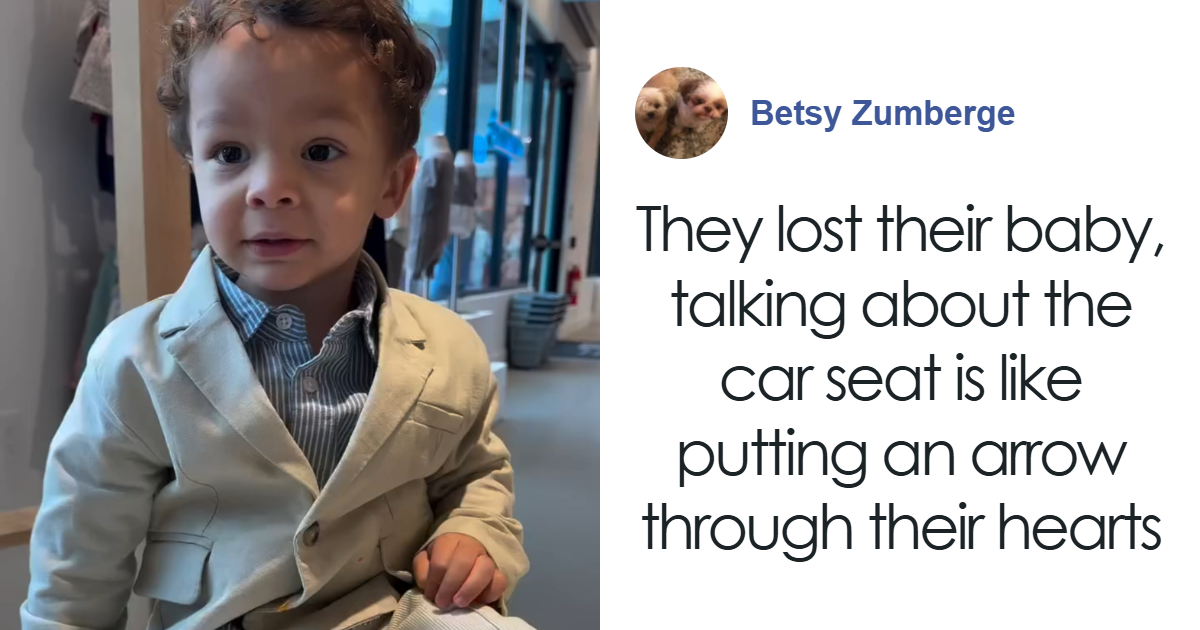

The internet can make a child’s laugh feel familiar to millions of strangers. That is part of what made the death of Preston Ordone, the 2-year-old TikTok personality affectionately known online as “Okay Baby,” so heartbreaking. To many viewers, he was not a celebrity in the polished, red-carpet sense. He was a tiny blur of personality: funny, expressive, unpredictable, and famous for delivering a cheerful “okay” that often meant an adorable bit of toddler mischief was coming next.
Preston, the young son of Katelynn and Jaelen Ordone, died after a single-vehicle crash in St. Tammany Parish, Louisiana, on April 24, 2025. According to Louisiana State Police, the family’s 2011 Ford F-150 veered off Interstate 12 and struck a tree. Preston was transported to a hospital, where he later died. His parents were also seriously injured. The accident remains a painful story not only because of Preston’s age, but because so many people had watched small pieces of his childhood unfold on TikTok and Instagram.
This is the strange modern grief of social media: a toddler can become beloved by people who never met him, and a family’s private tragedy can become a public moment of mourning. Preston’s death has sparked conversations about child passenger safety, family influencers, online sympathy, misinformation, and how viewers should respond when viral joy suddenly becomes real-world sorrow.
Who Was Preston Ordone, the “Okay Baby”?
Preston Ordone became known through the family’s “Okay Baby” TikTok presence, where short videos captured his playful personality and his now-signature response: “okay.” It was simple, sweet, and instantly memorable. In a social media world crowded with overedited content, Preston’s charm came from being naturally funny in the way only toddlers can be. He did not need a punchline. He was the punchline, the setup, and the surprise ending all at once.
His videos often showed the everyday magic of early childhood: little conversations, stubborn opinions, quick reactions, silly expressions, and the kind of chaotic confidence that makes 2-year-olds believe they are fully qualified to run the household. That was the appeal. Preston was not famous for doing anything outrageous. He was famous because he reminded people of the tiny comedians already living in their homes, throwing snacks on the floor and calling it a lifestyle choice.
For parents, the clips felt relatable. For viewers without children, they were a window into the hilarious logic of toddlerhood. For the Ordone family, the videos became a digital scrapbook. That scrapbook is now part of how many people remember Preston: bright, energetic, and full of personality.
What Happened in the Fatal Accident?
Louisiana State Police reported that troopers responded shortly before 11:50 a.m. to a single-vehicle crash on Interstate 12, west of the LA Highway 59 exit in St. Tammany Parish. The preliminary investigation stated that the family’s Ford F-150 was traveling eastbound when, for reasons still under investigation, it left the roadway and struck a tree.
Authorities said the driver and front passenger were restrained and sustained serious injuries. Preston, who was seated in the rear, was also seriously injured and later died after being taken to a hospital. Police initially stated that he was improperly restrained in a child safety seat, a claim that family members publicly disputed. Because of that dispute, responsible reporting should be careful: the police statement is part of the official record, while the family’s response is also part of the public conversation. The full circumstances are not something internet commenters can solve from a screen.
Entertainment outlets later reported that the St. Tammany Parish coroner’s office listed Preston’s death as accidental and connected it to injuries sustained in the motor vehicle crash. The most important thing to say is also the simplest: a child died, a family was devastated, and the public should approach the story with compassion rather than speculation.
The Family’s Grief and the Public Response
After the accident, relatives and supporters shared updates about the Ordone family’s condition. Reports said Katelynn and Jaelen were hospitalized with serious injuries, while their older daughter, Paisley, was not in the vehicle at the time of the crash. A fundraiser was also created to help the family with medical and recovery-related expenses.
Fans reacted with shock because Preston’s online presence had been rooted in joy. People had watched him laugh, talk, play, and interact with his mother in clips that felt lighthearted and familiar. When a child who exists in people’s feeds suddenly becomes the subject of tragic news, the emotional whiplash is intense. One day, viewers are smiling at a toddler’s funny answer. The next, they are reading about a fatal accident.
That public grief can be meaningful when it becomes support. Kind comments, donations, prayers, and respectful messages can help a family feel less alone. But public grief can become harmful when it turns into blame, rumor, or detective work. Tragedy is not a comment-section puzzle. Families living through loss do not need strangers racing to be first, loudest, or most suspicious.
Why the Story Touched So Many People
Preston’s death resonated widely because he represented something pure in an online culture that often feels loud and cynical. His videos were not political. They were not dramatic. They were not built around scandal. They were tiny snapshots of a child being himself. That innocence made the news feel especially heavy.
There is also a deeper reason the story spread: many families understand how ordinary a car ride feels. Most parents buckle children in, load snacks, answer a hundred questions from the back seat, and drive off without thinking the trip could become life-changing. The normalness of the setting makes the tragedy feel close. It reminds people that safety routines matter most precisely because everyday moments feel so routine.
For creators, Preston’s story also raises questions about what happens when family content becomes public memory. His videos brought happiness to many people, but they also mean that grief now unfolds with an audience attached. That is a heavy burden for any family, especially one recovering physically and emotionally from a devastating crash.
Child Passenger Safety: What Parents Can Take Away
It is important not to turn one family’s tragedy into a lecture. Grieving parents do not need the internet’s courtroom. Still, the story has led many caregivers to recheck car seats, harnesses, installation angles, and vehicle manuals. That is a constructive response.
The National Highway Traffic Safety Administration recommends that children ages 1 to 3 remain rear-facing as long as possible, until they reach the top height or weight limit allowed by the car seat manufacturer. The CDC similarly advises that children should be buckled in the correct car seat, booster seat, or seat belt for their age and size, and that young children should ride in the back seat. The American Academy of Pediatrics also supports keeping infants and toddlers rear-facing as long as possible, based on the limits of their specific seat.
Simple Safety Checks That Matter
Parents and caregivers can use moments like this as a reminder to review the basics. A car seat should be appropriate for the child’s age, height, and weight. The harness should be snug, with the chest clip positioned correctly. The seat should not move more than about an inch at the belt path when installed. Bulky coats should not be worn under a harness because they can affect fit. The vehicle manual and car seat manual should both be checked, which is nobody’s idea of a thrilling Friday night, but it is more useful than guessing.
Caregivers who are unsure can look for certified Child Passenger Safety Technicians or local inspection stations. Many fire departments, police departments, hospitals, and community safety programs offer checks or can point families in the right direction. Even careful parents can make installation mistakes; Safe Kids Worldwide has long noted that many car seats are not used or installed correctly. Getting help is not a sign of failure. It is a sign of being serious.
The Complicated World of Child Influencers
Preston’s story also sits within a larger conversation about child influencers. Family content can be joyful, creative, and community-building. It can also be complicated because young children cannot fully understand fame, privacy, or the long life of online videos. A toddler may enjoy the camera in the moment, but the digital footprint belongs to the future version of that child too.
That does not mean every family video is harmful. Many parents share clips with love, humor, and good intentions. But when a child becomes widely recognized, families face questions that previous generations never had to answer. How much should be shared? What should remain private? How should parents respond when strangers feel emotionally connected to their child? What happens if tragedy strikes and old videos become memorial content?
There is no single perfect answer, but there is a useful principle: children deserve dignity online. Whether a child is laughing, crying, learning, or being silly, they are still a person first and content second. In Preston’s case, the clips that made people smile are now part of a larger story of remembrance. That should encourage viewers to treat those videos gently.
How Fans Should Respond to Tragedy Online
When a public family experiences loss, fans often want to help but may not know how. The first rule is simple: do not demand details. Grief is not a subscription service. A family does not owe daily updates, medical explanations, accident analysis, or emotional access just because viewers once watched their videos.
Second, avoid spreading unverified claims. In the hours and days after a tragedy, social media often fills with confident statements from people who do not actually know what happened. Screenshots travel faster than corrections. Rumors can hurt families, distort facts, and make recovery even harder.
Third, support in practical ways when possible. That might mean contributing to verified fundraisers, leaving a kind message, respecting requests for privacy, or simply not adding noise. Silence can be respectful too. Not every tragedy needs a hot take, a stitched video, or a dramatic caption.
Remembering Preston Beyond the Headlines
The headline says “TikTok star,” but Preston was more than a viral identity. He was a son, a brother, a toddler, and a little boy whose life cannot be measured by views, likes, or shares. The phrase “Okay Baby” may be how many people found him, but it is not the whole of who he was.
That distinction matters. Internet fame can flatten people into labels: influencer, creator, viral kid, trending story. Real life is fuller than that. Preston’s family knew the ordinary details no audience could fully know: bedtime routines, favorite snacks, tiny habits, the sound of his footsteps, the way he said certain words, the private moments that never needed to be posted to matter.
For the public, remembering Preston respectfully means holding both truths at once. Yes, he brought joy to many viewers online. And yes, his family’s loss is deeply personal. The best tribute is not endless speculation. It is compassion, care, and maybe one more serious look at the safety routines we sometimes rush through.
Experience-Based Reflections: What This Story Can Teach Families, Viewers, and Creators
Stories like Preston Ordone’s stay with people because they touch several parts of modern life at once: parenting, road safety, social media, public grief, and the fragile line between ordinary days and life-changing moments. For families, one of the most meaningful experiences related to this topic is the habit of slowing down before every drive. Parents are busy. Toddlers are wiggly. Someone is missing a shoe. Someone suddenly needs water. The phone is ringing, the GPS is arguing, and the car seat buckle somehow becomes the final boss in a video game nobody asked to play. But those extra seconds matter. A calm check of the harness, chest clip, seat angle, and installation can become a quiet act of love.
Many caregivers have experienced the surprise of discovering that a car seat they thought was secure needed adjustment. Maybe the seat moved too much. Maybe the harness was too loose after a winter coat came off. Maybe a grandparent installed the seat in a different vehicle and used the seat belt and lower anchors together when the manual did not allow it. These mistakes are common, and they do not mean a parent is careless. They mean child passenger safety is more technical than it looks. The best response is not shame; it is education. A certified inspection can turn uncertainty into confidence.
For content creators, this tragedy offers another lesson: build boundaries before a crisis happens. Family accounts often begin casually, with funny clips and relatives cheering in the comments. Then one video goes viral, and suddenly strangers know a child’s nickname, routines, siblings, and milestones. That attention can feel exciting, but it can also become overwhelming. Parents who share family content may want to decide in advance what they will never post, how much location information they will reveal, whether children will be included in sponsored content, and how they will handle difficult moments privately.
For viewers, the experience is about learning how to care without consuming. It is natural to feel sadness when a child seen online dies. Digital connection is still connection, even if it is one-sided. But caring should not become entitlement. Viewers can remember that behind every update is a real family dealing with hospital rooms, funeral decisions, physical pain, bills, and grief that does not disappear when the algorithm moves on.
There is also a lesson for anyone who comments online: words can either soften a hard moment or make it harder. Before posting, ask whether the comment would feel kind if read aloud in the family’s living room. If the answer is no, it probably does not belong on the internet either. Compassion is not complicated. It often looks like restraint, patience, and the choice not to speculate.
Finally, Preston’s story reminds families to preserve memories without turning every memory into content. Take the video. Save the laugh. Record the tiny voice saying the funny thing. But not every precious moment needs an audience. Some memories are strongest when they belong only to the people who lived them. In a world that constantly asks us to share more, privacy can be its own form of love.
Conclusion
The death of 2-year-old Preston Ordone, known to many as “Okay Baby,” is a heartbreaking reminder that viral joy is still real life. Behind the clips, captions, and comments was a child deeply loved by his family. His passing after the April 2025 crash in Louisiana brought grief to fans across social media, but it should also bring reflection: about child passenger safety, the responsibility of online audiences, and the dignity owed to children whose lives become public through family content.
Preston’s legacy should not be reduced to the circumstances of the accident. He is remembered for the joy he brought, the laughter he sparked, and the tiny “okay” that made strangers smile. The most respectful response is to hold his family in compassion, avoid speculation, and turn sadness into something useful: safer routines, kinder comments, and a deeper understanding that every child online is a person first.
Editorial note: This article is written for web publication using publicly reported information, respectful language, and non-graphic descriptions. It avoids unnecessary speculation and encourages readers to rely on official updates and verified family statements.