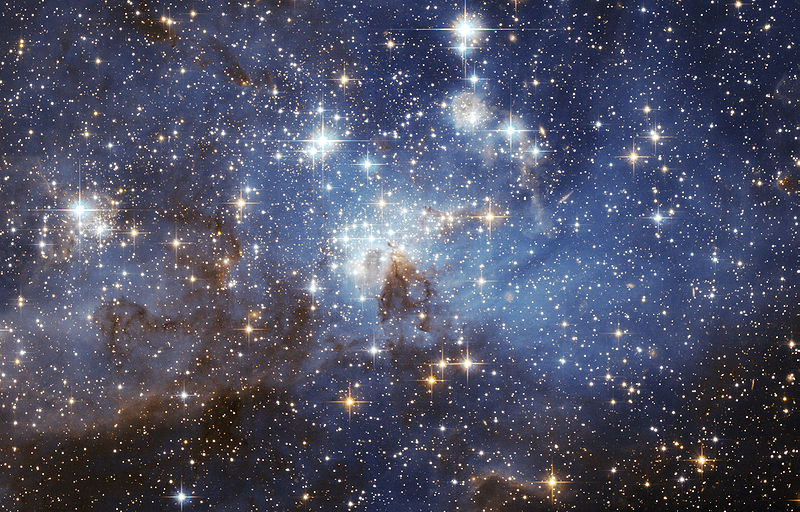

There are few activities on Earth that require so little equipment and deliver such dramatic results as staring at stars. No subscription. No password reset. No tiny screw hiding under the couch. Just a patch of sky, a little patience, and the rare human decision to look up instead of refreshing one more feed full of people photographing brunch from suspicious angles.
Staring at stars is one of those simple, ancient, oddly powerful pleasures that makes you feel both microscopic and weirdly important. You are standing on a spinning planet, under a sky filled with light that has traveled across absurd distances, and somehow your biggest concern five minutes ago was whether your phone charger was “definitely somewhere around here.” The night sky has a way of gently rearranging priorities.
The title “#22 Staring at Stars – 1000 Awesome Things” captures exactly why this experience belongs in the museum of tiny daily miracles. Stargazing is not only about astronomy. It is about awe, quiet, imagination, memory, and the small thrill of realizing that the universe has been putting on a free show every clear night while most of us were indoors arguing with a microwave burrito.
Why Staring at Stars Still Feels Magical
Human beings have been watching the stars for thousands of years. Before GPS, weather apps, calendars, and “turn left in 300 feet,” the sky was a map, clock, storybook, and spiritual canvas. Ancient cultures used the stars to navigate oceans, mark seasons, tell myths, and understand their place in the world. Today, we may not need Orion to find the grocery store, but we still need the feeling Orion gives us: a sense that life is bigger than our inbox.
One reason stargazing feels so special is that it slows the mind down. The night sky does not hurry. It does not pop up a notification asking if you are still watching. Stars appear at their own pace, constellations shift slowly through the seasons, and planets glide along their paths like they have never once been late to anything. When you look up long enough, your thoughts begin to match that rhythm. The brain, often running like a squirrel in tap shoes, starts to settle.
There is also the delicious weirdness of distance. Many stars visible to the naked eye are so far away that their light left them years, decades, or even centuries before reaching your eyes. You are not simply looking at the sky. You are looking into time. That sounds dramatic, but it is true. Stargazing turns your backyard, porch, campsite, parking lot, or lonely stretch of sidewalk into a front-row seat for cosmic history.
The Science Behind the Awe
Awe is the emotion we feel when we encounter something vast that stretches our understanding. The Grand Canyon does it. Thunderstorms do it. A truly enormous sandwich can do it, though perhaps in a different academic category. Stars are one of the cleanest sources of awe because they combine beauty, mystery, scale, and silence.
Researchers studying awe have found that experiences of vastness can make people feel more connected, more curious, and less trapped inside their own daily worries. That makes sense. It is hard to feel like the center of all problems when you are staring at a sky where the Milky Way is casually sprawling across the darkness like a cosmic spilled milk incident.
Nature itself also supports mental wellness. Time outdoors can help people feel calmer, more grounded, and more attentive. Stargazing adds an extra layer because it often happens in quiet environments, away from bright screens and daytime noise. It gives your senses a soft reset: cooler air, darker surroundings, distant sounds, and a sky that refuses to be rushed.
What You Can See When You Look Up
You do not need to own a telescope to enjoy the night sky. In fact, many experienced skywatchers recommend starting with your eyes. Your naked-eye view teaches you the basic layout of the sky: bright stars, seasonal constellations, the Moon, visible planets, meteor streaks, and, under dark conditions, the pale river of the Milky Way.
The Moon: The Friendly Overachiever
The Moon is the easiest target and a dependable show-off. It changes shape through its phases, revealing different shadows and surface details. A crescent Moon can look delicate and elegant; a full Moon can turn the night into a silver-blue movie scene. Even when moonlight makes faint stars harder to see, it creates its own kind of beauty.
Planets: Stars That Refuse to Twinkle Properly
Some bright “stars” are actually planets. Venus, Jupiter, Mars, Saturn, and Mercury can all appear to the naked eye at different times. Planets usually shine with steadier light than stars because they are closer and appear as tiny disks rather than distant points. Spotting a planet for the first time feels like discovering a celebrity in the grocery store, except the celebrity is a giant ball of gas and does not need privacy.
Constellations: The Sky’s Connect-the-Dots Game
Constellations are patterns humans created to organize the sky. Some are famous and easy to recognize, like Orion, Scorpius, Cassiopeia, and the Big Dipper, which is technically an asterism rather than a full constellation. Do not worry; the sky will not quiz you. Learning even a few patterns makes stargazing more satisfying because the darkness stops looking random and begins to feel familiar.
The Milky Way: Our Home Galaxy in Soft Focus
Under a dark, clear, moonless sky, the Milky Way can appear as a misty band stretching overhead. It is not colorful to most naked eyes; it usually looks gray-white, subtle, and almost cloudy. But once you realize you are seeing the combined glow of billions of stars in our own galaxy, subtle becomes spectacular very quickly.
Why Dark Skies Matter
Light pollution is one of the main reasons many people rarely see more than a handful of stars. Artificial skyglow from streetlights, buildings, signs, and poorly shielded outdoor lighting scatters through the atmosphere and washes out faint objects. The brighter the sky, the fewer stars your eyes can detect.
Dark skies matter for astronomy, but they also matter for wildlife, ecosystems, human sleep patterns, culture, tourism, and simple human wonder. National parks treat night skies as a natural resource, and many parks host ranger-led stargazing programs, telescope nights, and full-moon walks. Dark-sky tourism has become a real reason people travel, especially to parks and rural communities where the heavens still look like someone left the universe on high definition.
The good news is that light pollution is not inevitable. Unlike some environmental problems, it can be reduced immediately when lights are used more thoughtfully. Responsible outdoor lighting means using light only where needed, only when needed, at appropriate brightness, with warm color tones, and with shielding that points light downward instead of into the sky. In plain English: stop blasting the raccoons, clouds, and passing aircraft with your porch light.
How to Start Stargazing Without Overcomplicating It
Stargazing has a reputation for requiring complicated equipment, but beginners should resist the urge to buy a giant telescope right away. A telescope is wonderful, but it can also turn your first night out into a wrestling match with knobs. Start simple. Learn the sky first. Your eyes are already excellent beginner instruments, and binoculars can be a great next step.
Choose the Right Night
The best stargazing happens when the sky is clear, the air is steady, and the Moon is not too bright. A moonless or thin-crescent night is usually best for seeing faint stars and the Milky Way. If the full Moon is up, enjoy the Moon instead of fighting it. The sky is not ruined; it has simply changed the playlist.
Find a Darker Spot
You do not always need to drive hours into the wilderness. Parks, beaches, open fields, rural roads, and hilltops can offer better views than crowded city centers. Even in a city, you can practice identifying bright stars and planets. Sidewalk stargazing is real, and it is useful. The more often you look up, the easier the sky becomes to read.
Let Your Eyes Adjust
Dark adaptation takes time. Your eyes become more sensitive in low light, but bright phone screens and flashlights reset the process. Give yourself at least 20 to 30 minutes outside. Use a red-light mode or dim red flashlight if you need to check a map. Also, try not to shine light into someone else’s eyes at a stargazing event unless you want to become the villain of the evening.
Bring Basic Comfort
A blanket, reclining chair, warm jacket, water, bug spray, and patience can make the difference between “this is magical” and “my neck has filed a complaint.” Looking straight up for a long time is surprisingly athletic. A comfortable setup lets you stay longer, and staying longer is when the sky starts rewarding you.
Best Places to Experience Starry Nights
In the United States, national parks are among the best places to experience dark skies. Parks in the Southwest, mountain regions, desert landscapes, and remote coastal areas often provide excellent stargazing because they are far from large sources of artificial light. Many parks are certified as International Dark Sky Places, which means they protect night-sky quality and offer outstanding opportunities for visitors to see stars, planets, meteors, and the Milky Way.
But the “best” place is not always the most famous one. A local state park, lakeshore, farm road, or quiet overlook may be perfect if the horizon is open and nearby lights are limited. A good stargazing spot is less about bragging rights and more about darkness, safety, visibility, and whether you remembered snacks.
The Emotional Beauty of Looking Up
Part of the charm of staring at stars is that it makes room for feelings we do not always schedule. Wonder. Nostalgia. Curiosity. Calm. Maybe even a little healthy confusion. The stars ask big questions without demanding immediate answers. Where did everything come from? Are we alone? Why did I bring chips but no napkins?
That mix of big and small is exactly why stargazing feels so human. You can ponder galaxies while lying on a picnic blanket with grass poking your elbow. You can think about the age of the universe while your friend is trying to pronounce “Betelgeuse” like it is a spell from a wizard school. The night sky welcomes both deep thoughts and goofy ones.
How Stargazing Connects People
Stargazing is wonderful alone, but it becomes a different kind of wonderful with other people. Families point out the Moon to children. Friends take turns guessing constellations with heroic inaccuracy. Astronomy clubs set up telescopes and let strangers see Saturn’s rings, which is one of the fastest ways to make adults gasp like they just found money in an old jacket.
Community star parties, school astronomy nights, and park programs help make science feel less distant. You do not need to be a physicist to enjoy seeing Jupiter’s moons or learning why stars twinkle. Curiosity is enough. The sky belongs to everyone, even people who once thought the Big Dipper was a kitchen utensil franchise.
Common Stargazing Mistakes to Avoid
The first mistake is expecting the sky to look like long-exposure astrophotography. Cameras collect light over time, so photos often show colors and details the human eye cannot see in the same way. Real stargazing is subtler, softer, and slower. Once you adjust your expectations, it becomes more rewarding.
The second mistake is checking your phone every two minutes. A bright screen can ruin your night vision and pull your attention away from the experience. Use an app if it helps, but dim it, switch to red mode, and then put it away. The goal is to look at the sky, not spend the evening watching a tiny digital sky while the actual universe waits overhead like, “Hello? I am right here.”
The third mistake is giving up too quickly. At first, you may see only a few bright stars. Then your eyes adjust. Then more stars appear. Then patterns emerge. Stargazing rewards patience in a world that has trained us to expect everything instantly. The stars are not slow; we are just usually in a hurry.
Why “Staring at Stars” Is One of Life’s Awesome Things
Staring at stars is awesome because it is free, quiet, humbling, beautiful, and always slightly unbelievable. It reminds us that wonder does not have to be rare or expensive. Sometimes it is waiting outside after dinner, above the roofline, behind a curtain of clouds, or just beyond the glow of the nearest streetlight.
It is also awesome because it gives the mind a healthier kind of perspective. Your problems do not disappear under the stars, but they often shrink to a more manageable size. The sky does not solve homework, bills, heartbreak, traffic, or the mystery smell in the refrigerator. But it does remind you that life is larger than the loudest thing happening today.
Extra Experience: A Night Under the Stars
The best stargazing experience often begins badly, which is nature’s way of checking whether you are serious. Maybe you arrive at your chosen spot and realize the grass is wetter than expected. Maybe the blanket is too small, the snacks are too loud, and one person in the group has brought a flashlight powerful enough to signal passing satellites. At first, everyone fumbles around in the dark like confused raccoons with car keys.
Then the adjustment begins. The bright world fades. Your eyes soften into the darkness. The first stars appear, usually the bold ones: the sky’s extroverts. Someone points at a planet and asks if it is a plane. Someone else confidently says yes, then the “plane” fails to move for ten minutes, and the group quietly revises its scientific position.
After a while, more stars arrive. They were there the whole time, of course, but now you can see them. The sky becomes deeper, layered, alive. The longer you look, the more you notice: a faint satellite sliding across the dark, a quick meteor scratch, a cluster of stars that looks like spilled sugar, the shape of a constellation you finally recognize without help. That little victory feels absurdly satisfying, like solving a puzzle made of light.
There is a special silence that happens during real stargazing. It is not empty silence. It is full of crickets, wind, distant cars, rustling jackets, and occasional whispers of “Whoa.” People naturally lower their voices under a big sky. Nobody announces this rule. The stars simply have excellent classroom management.
One of the most memorable parts is how personal the experience becomes. A child may see adventure. A tired adult may feel peace. A science lover may think about nuclear fusion, stellar evolution, and galaxies. A romantic may think about destiny. A practical person may think, “I should have brought a better chair.” Everyone looks at the same sky and receives something slightly different.
If you are lucky enough to see the Milky Way from a truly dark place, the experience can feel almost unreal. It does not leap out like a neon sign. It slowly reveals itself, a pale band across the sky, delicate and enormous at once. You may find yourself staring without speaking, because some sights are too large for immediate commentary. Even the funniest person in the group may temporarily stop making jokes, which is how you know the universe has landed a clean hit.
And when the night ends, the feeling follows you home. Streetlights look harsher. Your phone looks smaller. The daily rush feels a little less absolute. For a few hours, you remembered that you live under a cosmic ocean, and that memory changes the texture of ordinary life. The next night, even from a city sidewalk, you may look up again. Maybe you will see only three stars. Maybe that will be enough.
That is the quiet power of “#22 Staring at Stars – 1000 Awesome Things.” It is not about becoming an expert. It is about noticing. It is about letting wonder interrupt routine. It is about standing still on a moving planet and realizing that the view has been spectacular all along.
Conclusion
Staring at stars is one of the simplest ways to feel connected to nature, science, history, and your own imagination. It asks for little and gives back generously: awe, calm, curiosity, perspective, and the occasional meteor that makes everyone yell like they just won a tiny cosmic lottery.
Whether you are watching from a national park, a backyard, a beach, a mountain road, or a city sidewalk, the night sky has something to offer. You do not need perfect conditions to begin. You only need a clear patch of sky, a little patience, and the willingness to look up long enough for the universe to introduce itself.