
Some people collect stamps. Some collect vintage vinyl. And some of us, for reasons that are probably worth unpacking in therapy, collect creepy facts that make dinner conversations go gloriously off the rails. If you clicked on this title, chances are you belong to the third group. Welcome. Please keep your hands and existential stability inside the vehicle at all times.
There is something oddly irresistible about facts that make your skin crawl and your brain light up at the same time. The best creepy facts are not cheap jump scares. They are real, science-backed reminders that the world is much stranger than fiction writers get credit for. Sometimes the horror lives in the ocean. Sometimes it lives in your eyelashes. Sometimes it shows up in the gap between sleeping and waking, when your body and brain forget to clock in together.
This collection is for readers who like their trivia with a side of chills. It is not gore for gore’s sake. It is a tour through biology, medicine, sleep science, and the deep sea, where nature seems to have hired a full-time horror consultant. So, hey pandas, if you asked for a creepy fact not for the faint-hearted, here are several. You’re welcome, and also, sorry in advance.
Why Creepy Facts Fascinate Us So Much
Creepy facts stick because they hit two parts of the brain at once: curiosity and self-preservation. A strange medical condition, a parasitic relationship, or a bizarre deep-sea adaptation triggers that ancient little alarm bell in our heads. But because we are safe on our couch with a snack and Wi-Fi, fear gets translated into fascination.
That is why people love swapping eerie facts online. They are memorable, conversation-ready, and impossible to unlearn. Once somebody tells you that microscopic mites live in human hair follicles, your skincare routine starts feeling like a tenancy dispute. Once you learn how some deep-sea anglerfish reproduce, dating apps suddenly seem much less bleak.
So let’s dig into the creepy facts themselves, with the science behind each one.
8 Creepy Facts That Are Startling, Strange, and Absolutely Real
1. You Can Wake Up Unable to Move While Your Mind Hallucinates an Intruder
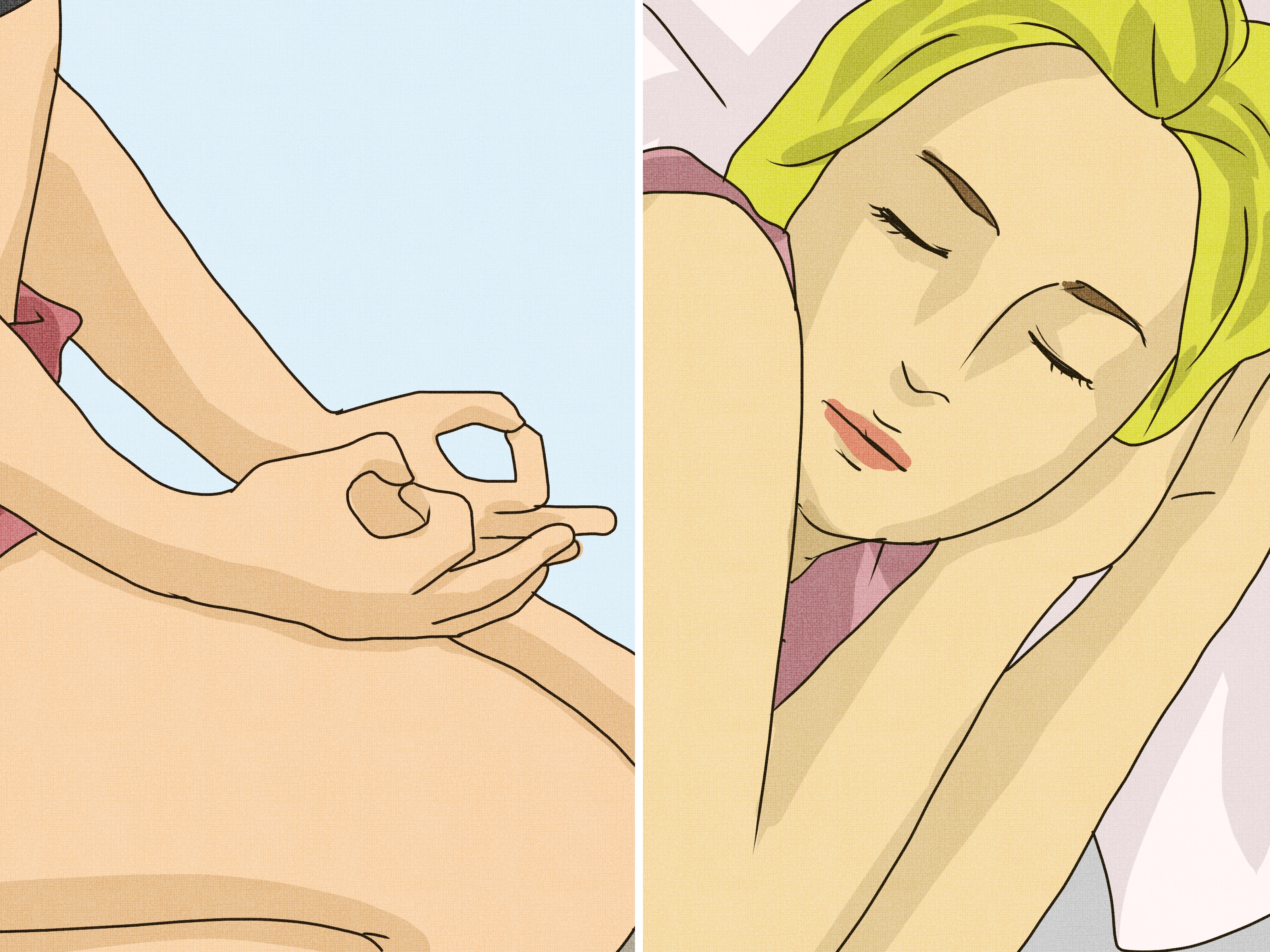
Sleep paralysis is one of the most unsettling experiences the human body can produce without charging admission. During an episode, a person becomes aware before the temporary muscle paralysis linked to REM sleep has fully worn off. The result is a brutal mismatch: your mind is online, but your body is still in sleep mode.
That alone would be unnerving. But sleep paralysis often comes with vivid hallucinations. People commonly report sensing a figure in the room, hearing footsteps or voices, or feeling pressure on the chest. In other words, the human nervous system occasionally creates its own haunted-house package with surround sound.
The eerie part is not supernatural. It is neurological. REM sleep is the phase where vivid dreaming is common, and the body normally limits muscle movement during that stage. If consciousness returns before that paralysis fully lifts, dream imagery can bleed into waking awareness. The shadows feel real because, to your brain in that moment, they are real enough.
If you have ever heard someone describe seeing a “presence” at the foot of the bed, there is a decent chance sleep science is the culprit. It is creepy, yes, but it is also a reminder that the mind is a special-effects studio with no off switch.
2. A Rare Amoeba Can Reach the Brain Through the Nose
Let us now move from “terrifying but temporary” to “please do not cannonball into warm freshwater without reading the room.” Naegleria fowleri is a free-living amoeba found in warm freshwater and soil. In rare cases, when contaminated water forcefully enters the nose, the organism can travel to the brain and cause a fast-moving infection called primary amebic meningoencephalitis.
Yes, that is a real thing. No, this paragraph is not trying to make lakes look suspicious, even though lakes are not helping their case.
The infection is extremely rare, but it is also extremely serious. Symptoms can begin with headache, fever, nausea, and vomiting, then rapidly worsen. The genuinely creepy part is how quickly it can progress. It sounds like a plotline from a low-budget horror movie, except the science is painfully real.
The good news is that infection does not happen from drinking water, and it is not spread person to person. The risk is tied to water going up the nose under specific circumstances. That distinction matters. Creepy facts are at their best when they do not just scare you, but also teach you something useful.
3. Some People Are Fully Conscious but Almost Completely Unable to Move
Locked-in syndrome sounds like a phrase invented by a thriller novelist who had deadlines and a lot of coffee. It is, in fact, a rare neurological condition in which a person is conscious and aware but paralyzed except for limited eye movements in many cases.
Read that again. The person is awake. The person can think. The person may understand everything being said around them. But they cannot speak or move in the usual way. Communication may depend on eye blinks or vertical eye motion.
There are few real-world facts more chilling than the idea of awareness trapped inside a body that will not cooperate. It is one reason accurate diagnosis matters so much. Without careful evaluation, a conscious person could be mistaken for someone who is not aware.
This fact is not “creepy” in a campfire-story sense. It is creepy because it exposes how fragile the connection is between mind, movement, and the assumptions other people make when they look at a body. It is also a sobering lesson in empathy. The scariest truths are not always monstrous. Sometimes they are deeply human.
4. Microscopic Mites Live on Human Faces, and Most of Us Are Hosting Them
If you were hoping the creepy facts would stay politely outside your personal space, bad news: some of them are already home.
Demodex mites are microscopic organisms that live in human hair follicles and oil glands, especially on the face. Nearly everybody has them. Most of the time they do not cause problems, which is nice, because evicting microscopic roommates sounds exhausting.
These mites are so common that their mere existence is not a sign that anything is wrong. But in some situations, particularly when they multiply excessively or contribute to eye and skin irritation, they can become part of medical issues such as blepharitis or demodicosis. In other words, your eyelashes can become the setting for a tiny arthropod traffic jam.
What makes this fact so effective in the creepy-fact hall of fame is the contrast. On one hand, it is medically normal. On the other hand, if someone whispers, “There are mites on your face right now,” your brain does not exactly respond with calm academic enthusiasm. Science is like that. Sometimes it gives you wonder. Sometimes it gives you a reason to stop touching your eyebrows for a minute.
5. A Fungus Can Turn Ants Into “Zombies”
Nature loves a dramatic title, and “zombie ant fungus” earns it. Certain fungi in the Ophiocordyceps group infect insects and alter their behavior in ways that help the fungus reproduce. In infected ants, the fungus can drive the animal to climb vegetation and clamp down in a final “death grip,” positioning the body where the fungus can later release spores.
The phrase “zombie ant” sounds like science communication showing off, but it is rooted in a genuinely bizarre biological strategy. The parasite benefits by manipulating the host’s behavior. The ant does not get a vote. Frankly, it is one of the rudest arrangements in all of ecology.
Even better, or worse depending on your emotional goals, real examples of host manipulation exist across nature. Parasites can influence movement, risk-taking, or habitat choice in ways that improve their own life cycle. This does not mean your next common cold is plotting against you. It does mean biology contains more puppet-master storylines than most people realize.
So the next time someone tells you zombies are fictional, you can agree politely and then mention that parasitic mind control is already a functioning business model in the natural world.
6. Zombie Worms Eat Whale Bones on the Seafloor
If the phrase “zombie worm” sounds like a children’s Halloween candy that got wildly out of hand, allow the deep sea to clarify. Osedax, often called zombie worms, live on the bones of dead whales that sink to the ocean floor. These worms do not need a cute marketing campaign because they already have a perfect horror premise.
They bore into bone and derive nourishment from it with help from symbiotic bacteria. Some species also have absurdly tiny males that live in or on the female’s body. That is not a typo. That is the ocean refusing to behave like a normal ecosystem again.
The sea is full of animals that make terrestrial life seem suspiciously conservative. And zombie worms are a great reminder that decomposition in the ocean is not passive. It is an entire ecological process, with specialized organisms ready to treat a whale skeleton like an all-you-can-eat buffet.
There is almost something poetic about it, if your poetry is written by a marine biologist with a goth phase.
7. Some Male Anglerfish Literally Fuse to the Female’s Body
Deep-sea dating is rough. For some anglerfish, evolution responded by tearing up the rulebook and setting it on fire.
In certain species, the much smaller male bites the female and eventually fuses with her body. Their tissues and circulatory systems connect. Over time, the male loses many of his organs and effectively becomes a permanent reproductive appendage. Romantic comedies have explored many relationship styles, but somehow this one never got a studio greenlight.
This is real biology, not mythology. In the dark vastness of the deep sea, finding a mate can be so difficult that permanent attachment becomes an adaptive solution. Horrifying? A little. Efficient? Weirdly, yes.
Anglerfish are proof that the natural world does not care whether humans find something elegant, gross, or nightmare-inducing. If it helps a species survive, nature will absolutely say, “Perfect, let’s make it permanent.”
8. A Black Hole’s Pressure Waves Were Turned Into Sound Humans Can Hear
Not all creepy facts ooze, crawl, or lurk in freshwater. Some of them drift in from space wearing a much classier outfit.
NASA scientists worked with data from the Perseus galaxy cluster and translated pressure waves associated with its central black hole into sound humans can hear. The original note is far below human hearing range, so the data had to be shifted upward by many octaves. The result is not a monster growl from a sci-fi movie, but the idea itself is enough to raise the hairs on your arm.
Why is this creepy? Because it quietly wrecks our usual assumptions. Most people grow up hearing that space is silent because it is largely a vacuum. That is broadly true. But in regions full of gas, pressure waves can exist, and astronomical data can be converted into sound. Suddenly the universe feels less empty and more like it has been humming behind our backs the whole time.
There is a very specific kind of fear reserved for cosmic facts: the kind that makes you feel both tiny and nosy. We want to know what the universe is doing, right up until it starts sounding back.
The Science Behind the Shivers
The reason these facts land so well is that each one sits at the border of the familiar and the impossible. Sleep is normal. Hallucinating a figure in your room while you cannot move is not normal, but it is explainable. Faces are normal. Hosting microscopic mites feels illegal, yet it is common. The ocean is beautiful. Also, it contains bone-eating worms and fish that turn reproduction into body fusion.
That tension is what makes a creepy fact memorable. It does not need to be supernatural. It just needs to reveal that ordinary reality has hidden trapdoors. Medicine, sleep research, marine biology, and astronomy all do this beautifully. They show us that truth is not merely stranger than fiction. It is stranger than fiction after three espressos and a thunderstorm.
At the same time, these facts are useful. Understanding sleep paralysis can reduce fear during an episode. Knowing how rare but serious Naegleria fowleri infections occur can help people take sensible precautions. Recognizing that unusual-looking animals and bizarre biological systems have evolutionary explanations turns fear into literacy.
That is the sweet spot of a great creepy fact: it startles you, then leaves you smarter than it found you.
Final Thoughts: The World Is Weird, and That’s Half the Fun
If you asked, “What’s a creepy fact not for the faint-hearted?” the honest answer is that there is no shortage. Real life is running a full-time side business in nightmare fuel. We have hallucinations built into sleep, microscopic tenants in our follicles, parasites that hijack behavior, worms that dine on whale bones, and deep-sea fish that redefine commitment in the least casual way possible.
And yet, that weirdness is part of what makes science so delightful. Creepy facts are not just spooky trivia. They are evidence that the natural world is wildly inventive, occasionally unsettling, and never obligated to be boring. So the next time somebody asks for a fact that is creepy, true, and not for the faint-hearted, hand them one of these and enjoy the exact moment their expression changes.
Just maybe do not tell them about face mites right before dessert.
Extra Reading Vibes: of Creepy-Fact Experiences and Why They Stick With Us
There is a very specific thrill that comes from hearing a creepy fact at the exact wrong moment. Maybe it happens late at night while you are scrolling with one lamp on and a suspiciously creaky hallway behind you. Maybe it happens during a road trip when somebody in the back seat says, “Want to hear something disturbing?” and suddenly nobody in the car feels as cheerful about rest stops. Creepy facts are social grenades in the best possible way. You pull the pin with one sentence, and everybody spends the next ten minutes reacting, laughing, wincing, and asking follow-up questions they are not emotionally prepared to hear answered.
A lot of people first meet this genre through ordinary experiences. You wake from a nightmare and cannot move for a few seconds, and years later you discover sleep paralysis has a name. You rub your eyes during allergy season and then learn that eyelashes can host microscopic mites. You watch a deep-sea documentary for “relaxation” and end up staring at an anglerfish like the ocean owes you an explanation. These facts do not just live in textbooks. They collide with moments people have already had, which makes them feel personal in a way that fictional horror often does not.
That is also why creepy facts spread so fast online. They come with built-in emotional contrast. The setup sounds ridiculous, the explanation is real, and the reaction is immediate. “Wait, that actually happens?” is basically the anthem of internet science culture. One person mentions zombie fungi. Another adds whale-bone worms. Somebody else brings up black hole sound. Before long, an innocent comment thread has become a support group for people who would like a refund from reality.
There is also something comforting hidden inside all the discomfort. Real explanations shrink vague fear. A sleep paralysis episode feels less supernatural once you understand REM atonia. Strange eyelid irritation feels less mysterious once you learn about Demodex. Even the most unnerving natural phenomenon becomes easier to hold in your mind when it has context, language, and evidence. Knowledge does not erase the chills, but it gives them structure. And structure is weirdly soothing.
Maybe that is the real appeal of creepy facts. They let us flirt with fear while staying anchored in reality. We get the shiver, the gasp, the dramatic “absolutely not,” but we also get understanding. It is horror with footnotes, dread with a lab coat, panic with citations somewhere in the background. For curious readers, that is a pretty irresistible combination.
So if you are the person in your group chat who keeps a mental stash of unsettling trivia for emergencies, embrace it. Every friend group needs one cheerful menace who can turn a quiet afternoon into a conversation about bone-eating worms or ghostly sleep hallucinations. Just read the room first. Some people want fun facts. Others want to sleep tonight.