
Messy hair is one of beauty’s greatest little paradoxes. It looks effortless, but if you have ever tried to “just wake up like that,” you already know the truth: your pillow is not a professional stylist. A good messy hair effect is not the same as tangled, greasy, or abandoned-at-sea hair. The goal is soft texture, natural movement, airy volume, and that slightly undone finish that says, “I am relaxed,” not “I fought a ceiling fan and lost.”
The best part? You do not need a glam squad, a suitcase of products, or a dramatic haircut to get there. Whether your hair is straight, wavy, curly, short, long, fine, thick, clean, or second-day, the messy hair look can be created with a few smart techniques. The secret is controlled imperfection: rough-drying instead of over-smoothing, separating pieces instead of brushing everything flat, and choosing products that add grip without turning your strands into crispy noodles.
This guide breaks down 3 ways to achieve a messy hair effect: the air-dried tousled method, the heat-styled undone wave method, and the second-day texture method. Each one gives you a different kind of casual, stylish finish, so you can pick the version that fits your hair type, time, and tolerance for morning chaos.
What Is the Messy Hair Effect?
The messy hair effect is a styling technique that creates intentionally undone texture. Think soft bends, lifted roots, separated ends, and natural-looking movement. It is popular because it works for casual outfits, date-night looks, creative office styles, weekend errands, music festivals, brunch, and those mornings when your alarm clock decides to become a villain.
Unlike sleek hairstyles, messy hair does not require every strand to behave. In fact, a little irregularity is the whole point. The best messy hairstyles usually include a few key elements:
- Volume at the roots
- Texture through the mid-lengths
- Piecey, separated ends
- A soft, touchable finish
- Natural movement instead of stiff hold
The look can be polished or relaxed depending on how you style it. A messy bob can look chic and editorial. Messy beach waves can feel breezy and romantic. A messy bun can look charmingly casual, even if it secretly required twelve bobby pins and a small negotiation with gravity.
Before You Start: Build the Right Foundation
No matter which method you choose, messy hair works best when the hair has some grip. Freshly washed hair can be slippery, especially if it is fine or straight. That does not mean you need dirty hair; it just means your strands may need a little help from lightweight styling products.
Choose the Right Product for Your Hair Type
For fine hair, use a volumizing mousse, dry texture spray, or lightweight sea salt spray. Avoid heavy creams near the roots because they can flatten the hair faster than a sad pancake. For thick hair, try a styling cream, curl cream, or flexible-hold spray to control bulk while keeping movement. For curly hair, use a curl-defining product and focus on enhancing your natural pattern rather than forcing it into a completely different shape.
Keep Hair Healthy While Styling
A messy hair effect should look relaxed, not damaged. Use heat protectant when working with hot tools, avoid daily high-heat styling when possible, and rough-dry gently instead of rubbing your hair aggressively with a towel. A soft T-shirt or microfiber towel can help remove water without creating extra frizz. Also, try not to overload your hair with product. The difference between “cool texture” and “why is my hair making crunching noises?” is often just two extra sprays.
Way 1: Create a Messy Hair Effect with Air-Dried Texture
The air-dried method is the easiest way to get a natural messy hairstyle. It works especially well for wavy hair, curly hair, layered hair, shoulder-length cuts, shag cuts, wolf cuts, and anyone who wants a relaxed finish without heat. This method encourages your natural texture to show up, clock in, and do its job.
Step 1: Start with Damp Hair
After washing, gently squeeze excess water from your hair. Do not rub it wildly with a towel unless your goal is “electrocuted dandelion.” Instead, blot and squeeze. Your hair should be damp, not dripping.
If your hair is naturally dry or frizz-prone, apply a leave-in conditioner or lightweight styling cream first. If your hair is fine or limp, skip heavy moisture at the roots and focus on a volumizing product or light texture mist.
Step 2: Add Texture Product
Mist a sea salt spray, wave spray, or texturizing spray through the mid-lengths and ends. For curly hair, use curl cream or mousse instead, then add texture spray only if your hair can handle it without drying out. Salt-based sprays can create a beachy finish, but they may feel drying on some hair types, so balance them with moisture when needed.
For fine hair, lift sections and spray lightly near the roots. For thick hair, apply product in layers so the inside of the hair gets texture too. Otherwise, the top may look styled while the underneath is quietly living its own life.
Step 3: Scrunch and Twist
Flip your head slightly to one side and scrunch upward with your hands. Then twist a few random sections away from your face. The word “random” is important here. Messy hair looks better when the bends are not perfectly identical. If every piece curls in the same direction, you may end up with pageant waves instead of casual texture.
Try twisting four to eight sections, depending on your hair thickness. Let the twists sit for a few minutes, then release them gently. Do not brush them out. Use your fingers to separate the pieces.
Step 4: Let It Dry Naturally
Air-drying takes patience, which is annoying but effective. While your hair dries, avoid touching it too much. Constant touching can disturb the pattern and create frizz. Once the hair is fully dry, flip your head upside down, shake your roots with your fingertips, and add a small amount of dry texture spray if needed.
Best For
This method is best for casual messy waves, natural texture, beachy hair, soft volume, and low-maintenance mornings. It is also the gentlest option because it does not rely on hot tools.
Common Mistake
The biggest mistake is applying too much product while the hair is wet. Hair shrinks and changes as it dries, so what feels like “not enough” at first can become “helmet with fragrance” later. Start light. You can always add more once the hair is dry.
Way 2: Create Messy Waves with Heat Styling
If your hair is very straight, heavy, or resistant to texture, air-drying may not give you the messy effect you want. That is where heat styling comes in. The key is to create loose, imperfect bends instead of polished curls. This method is great for medium-length hair, long hair, bobs, lobs, and layered cuts.
Step 1: Prep with Heat Protectant
Before using a curling iron, flat iron, or blow dryer, apply heat protectant. This is not optional decoration. Heat protectant helps reduce styling stress and keeps the final look smoother and softer. Choose a lightweight formula if your hair is fine, and a creamier formula if your hair is thick or coarse.
Step 2: Rough-Dry for Volume
Blow-dry your hair until it is fully dry. Use your hands instead of a brush for a more natural base. Lift the roots with your fingers while drying, and move the airflow around so the hair does not dry flat against your head. For extra volume, flip your head upside down for the last minute of drying.
If your hair is curly or wavy, use a diffuser instead of a direct nozzle. Cup the ends of the hair in the diffuser and bring it upward toward the scalp. Keep the dryer on low or medium heat to reduce frizz and preserve shape.
Step 3: Curl in Alternating Directions
Use a curling wand, curling iron, or flat iron to create loose bends. Take medium sections, curl one away from your face, then curl the next toward your face. Leave the ends out for a more modern, undone finish. Perfect ringlets are lovely, but they are not the mission today. Today we are creating “cool person who owns linen shirts” hair.
For short hair, use smaller sections and avoid curling too close to the roots. For long hair, focus the bends from the cheekbone down so the style feels relaxed instead of overly formal. For fine hair, let each curl cool before touching it. For thick hair, work in layers so the shape does not disappear under the top section.
Step 4: Break It Up with Your Fingers
Once the curls have cooled, rake through them with your fingers. Do not use a brush unless you want a softer, fluffier finish. Add dry texturizing spray from mid-lengths to ends, then gently scrunch. If the ends look too fluffy, warm a pea-size amount of styling cream between your palms and pinch it into the tips.
Step 5: Set Without Stiffness
Finish with a flexible-hold hairspray. Avoid strong, crunchy hairspray unless you are styling for a wind tunnel, a dance recital, or a weather event with a name. Messy hair should still move.
Best For
This method is best for straight hair, fine hair that needs shape, formal messy waves, date-night texture, and anyone who wants a more controlled version of the messy hair effect.
Common Mistake
The biggest mistake is curling every section too perfectly. The messy effect depends on variation. Change the direction, size, and placement of your curls. Leave some pieces barely bent. Let a few ends stay straighter. This is one of the rare times in life when inconsistency is not only allowed, it is the entire assignment.
Way 3: Use Second-Day Hair for a Messy, Lived-In Look
Second-day hair is the unofficial headquarters of messy hairstyles. A little natural oil gives the hair grip, shape, and hold, which makes it easier to style into messy waves, tousled ponytails, textured buns, half-up hairstyles, and piecey short cuts.
This method is perfect when you do not want to wash your hair but still want to look like you made an effort. Or at least like you made a stylish, mysterious effort.
Step 1: Refresh the Roots
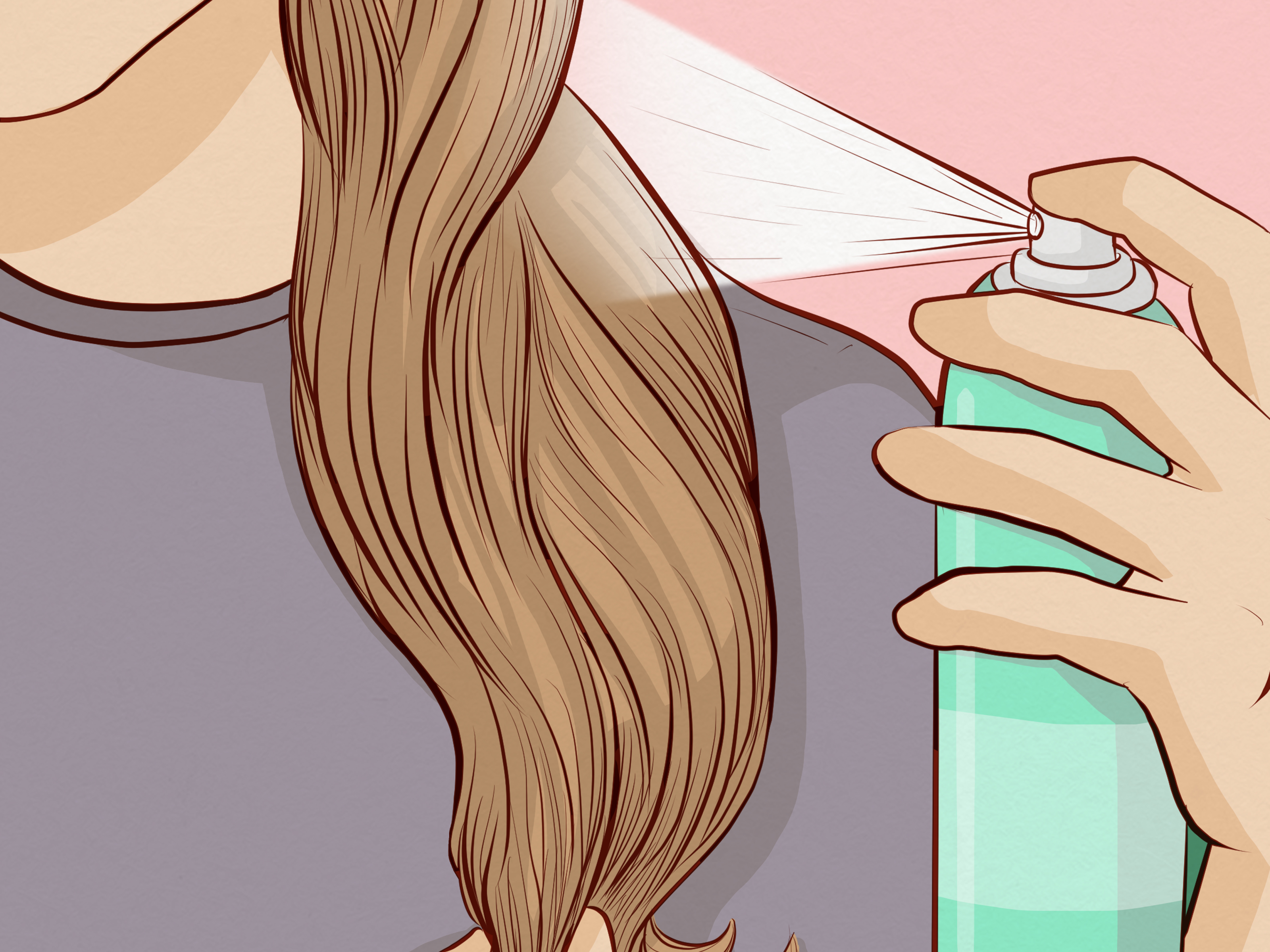
Start with dry shampoo at the roots. Hold the can several inches away, spray lightly, and let it sit for a minute before massaging it in. This gives the product time to absorb oil instead of just sitting on top of your hair like powdered evidence.
If you have dark hair, use a tinted dry shampoo or apply carefully to avoid a gray cast. If your scalp is sensitive, choose a gentle formula and avoid using dry shampoo as a total replacement for washing.
Step 2: Add Volume Where You Need It
Use your fingertips to lift the roots. You can also flip your hair upside down and mist a dry texture spray underneath. For fine hair, focus on the crown and sides. For thick hair, lift the top layers and spray between sections so the style has movement instead of sitting like one heavy curtain.
Step 3: Redefine Random Pieces
If your hair already has bends from yesterday’s style, do not start over. Use what is there. Re-curl only a few front pieces or flat sections. The goal is to revive the shape, not conduct a full hair renovation.
For short hair, rub a tiny amount of matte paste or styling cream between your fingers and pinch the ends. For medium or long hair, twist a few pieces away from the face and spray lightly. For curly hair, mist with water or curl refresher, scrunch, and let the curl pattern wake up.
Step 4: Try a Messy Bun or Ponytail
Second-day hair is excellent for messy updos. Pull your hair into a loose bun, low ponytail, or half-up style. Let a few face-framing pieces fall naturally. If pieces fall out, congratulations, they understood the theme.
For a messy bun, gather your hair loosely, twist it once or twice, and secure it with a soft elastic or pins. Pull gently at the crown for volume. Then pinch small pieces around the bun to loosen the shape. The finished result should look casual, not like you are preparing for a ballet exam.
Best For
This method is best for lived-in texture, messy buns, casual ponytails, short textured styles, and mornings when washing your hair sounds as realistic as learning violin before breakfast.
Common Mistake
The biggest mistake is using too much dry shampoo or texture spray. Product buildup can make hair dull and heavy. Use enough to refresh and lift, but not so much that your hair feels dusty. If your scalp feels itchy or your roots look matte in a bad way, it is probably time to wash.
Messy Hair Tips by Hair Type
Fine Hair
Fine hair needs lightweight volume. Use mousse on damp hair, dry texture spray on finished hair, and avoid heavy oils near the roots. Curl smaller sections and let them cool before breaking them apart. A layered haircut can also help create the illusion of fullness.
Thick Hair
Thick hair often needs control before texture. Use styling cream to reduce puffiness, then add texture spray only where you want separation. Work in sections so the product reaches more than just the top layer.
Straight Hair
Straight hair usually needs grip. Start with mousse or sea salt spray, rough-dry, then create loose bends with a curling iron or flat iron. Finish with texturizing spray and avoid brushing too much afterward.
Wavy Hair
Wavy hair is naturally suited for the messy hair effect. Use wave spray, scrunch while damp, and let it air-dry or diffuse. Refresh with water and a small amount of product on the second day.
Curly Hair
Curly hair looks beautifully messy when the curls are defined but not stiff. Use curl cream or mousse, diffuse gently, and separate curls with your fingers. Avoid dry brushing unless you want a larger, fluffier shape.
Short Hair
Short hair can achieve a messy effect with matte paste, texture spray, or styling powder. Focus on lifting the roots and separating the ends. A pixie, bob, or shag can look especially modern with choppy texture.
Product Guide for the Messy Hair Effect
You do not need every product in the beauty aisle. For most people, two or three styling products are enough. Here is what each one does:
- Sea salt spray: Adds beachy grit, wave, and light hold.
- Wave spray: Creates softer texture, often less drying than salt spray.
- Mousse: Adds volume and structure, especially to fine or wavy hair.
- Dry shampoo: Absorbs oil and gives second-day roots lift.
- Dry texture spray: Adds airy volume and piecey separation.
- Styling cream: Smooths frizz and defines ends.
- Flexible hairspray: Holds the look while keeping movement.
The best messy hair product depends on your hair. Fine hair often loves dry texture spray. Wavy hair usually responds well to wave spray. Curly hair may prefer mousse or curl cream. Thick hair often needs styling cream before texture spray. The golden rule is simple: add grip where hair is flat, add moisture where hair is frizzy, and add hold only after you like the shape.
Extra Experience: Real-Life Lessons from Trying to Get Messy Hair Right
The funny thing about messy hair is that it rarely works when you try too hard. The first time many people attempt it, they attack their head with a curling iron, three sprays, a paste, a powder, and the confidence of a YouTube tutorial filmed by someone with professional lighting. The result is often not “effortless model off duty.” It is more like “escaped from a craft closet.”
One useful experience is learning that messy hair begins before styling. If your hair is too clean and silky, it may refuse to hold texture. That is especially true for fine, straight hair. In that case, adding mousse to damp hair or using dry texture spray after blow-drying can make a huge difference. The hair needs something to grab onto. Without grip, curls slide out, volume collapses, and your beautiful messy waves become polite straight hair by lunchtime.
Another lesson is that the ends matter more than people think. When the ends are too curled, the style looks formal. When they are too dry, the style looks damaged. The sweet spot is slightly separated, soft, and imperfect. Leaving the last inch or two out when curling can instantly make waves look more modern. A tiny amount of styling cream on the ends can also make the whole look feel intentional.
People with thick hair often discover that messy does not mean bigger everywhere. Thick hair already has volume, so the goal is shape and separation. Applying texture spray only on the surface can make the top look fluffy while the underneath remains heavy. Working in sections helps. So does using a cream or leave-in product first, especially if the hair tends to expand in humidity like it has personal ambitions.
For wavy and curly hair, the biggest breakthrough is usually touching the hair less. Scrunch while damp, apply product evenly, diffuse gently or air-dry, and then leave it alone until it is dry. Touching curls too early can create frizz and weaken definition. Once dry, you can separate pieces and lift the roots. This makes the style look relaxed without destroying the curl pattern.
Second-day hair may be the easiest path to the messy hair effect, but it also requires balance. A little dry shampoo can create volume and freshness. Too much can make the hair look dusty and stiff. Letting dry shampoo sit before massaging it in works better than spraying and immediately rubbing. It gives the product time to absorb oil and makes the finish look cleaner.
The final lesson is to stop chasing symmetry. Messy hair should not be identical on both sides. One side can have more bend. A few pieces can fall near the face. The crown can be slightly lifted. The whole charm of the style is that it moves. Once the hair looks good, stop touching it. This may be the hardest step, but it is also the most powerful. Sometimes the difference between perfect messy hair and “I ruined it” is five unnecessary minutes in the mirror.
Conclusion
Achieving a messy hair effect is not about neglecting your hair. It is about creating texture, movement, and shape in a way that looks relaxed and natural. The three best methods are air-drying with texture, using heat tools for undone waves, and refreshing second-day hair for a lived-in finish. Each technique can be adjusted for fine, thick, straight, wavy, curly, short, or long hair.
For the best results, start with the right foundation, choose lightweight products, avoid over-styling, and remember that imperfection is the point. A little bend here, a little volume there, a few loose face-framing pieces, and suddenly your hair has personality. Not chaos. Personality.