
Editorial note: This article is about earning respect in a healthy, school-appropriate way. Impressing a classmate should never mean pressuring someone, pretending to be someone else, or turning the hallway into a low-budget reality show. The real goal is simple: be kind, confident, and memorable for the right reasons.
Introduction: Impressing a Classmate Is Not About Showing Off
Trying to impress a classmate can feel like preparing for a tiny, invisible talent competition. You wonder if you should say something clever, dress differently, answer more questions in class, become mysteriously good at basketball overnight, or suddenly develop the handwriting of a royal calligrapher. Relax. You do not need a dramatic makeover, a viral moment, or a perfectly timed slow-motion entrance through the classroom door.
The best way to impress a classmate is much more realistic: become someone people enjoy being around. That means being respectful, confident, helpful, and genuinely interested in others. Whether you want to make a new friend, be noticed by someone you admire, or simply become more comfortable socially, the same basic rules apply. People are usually impressed by how you make them feel, not by how hard you try to look impressive.
This guide breaks the topic into three practical ways to impress a classmate without being fake, awkward, or over-the-top. You will learn how to use kindness without becoming a pushover, confidence without becoming arrogant, and communication skills without sounding like you memorized a “How to Be Cool” manual from 2006.
Way 1: Be Genuinely Kind, Not Performatively Nice
Why kindness gets noticed
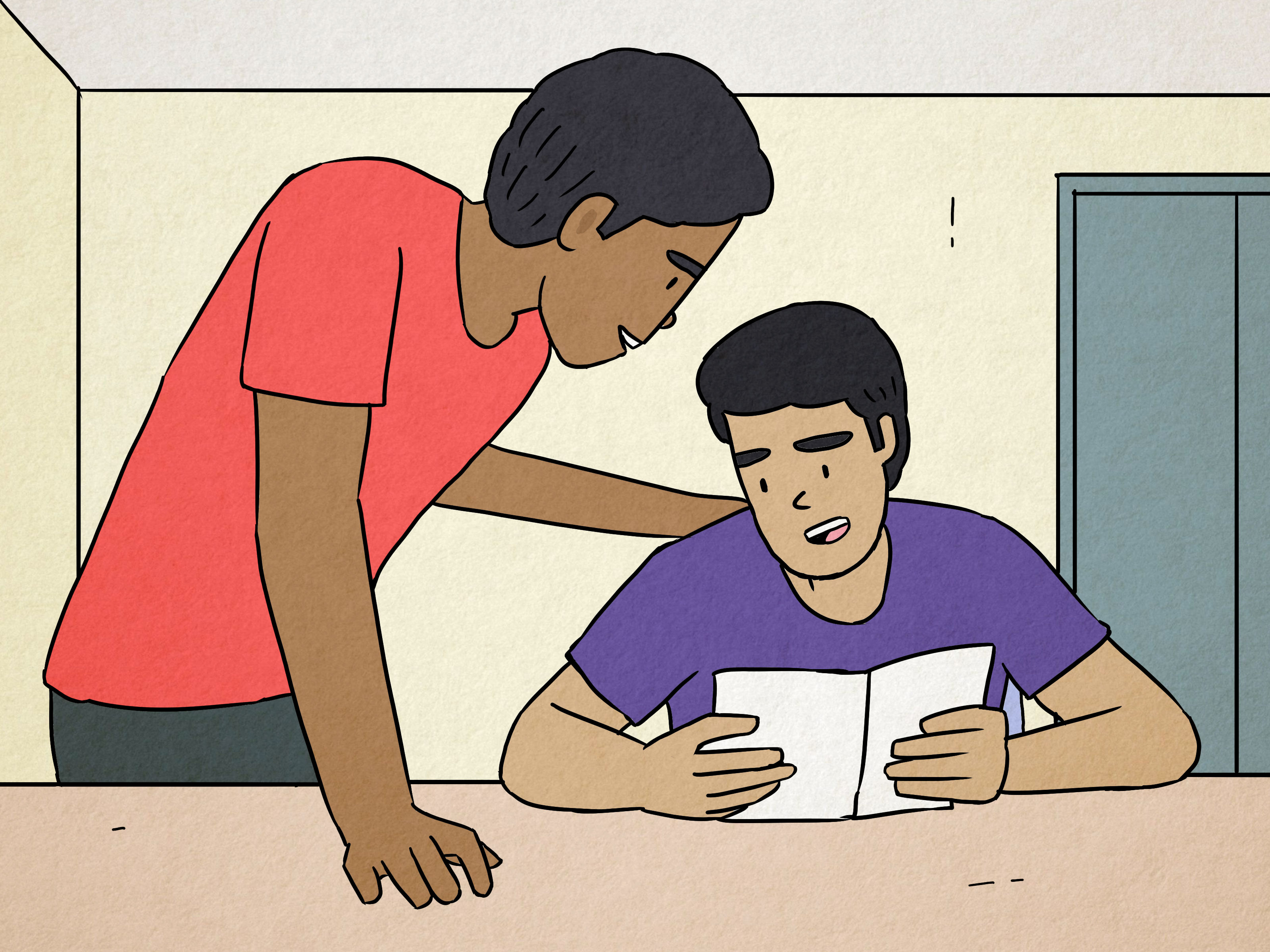
Kindness is one of the most underrated ways to impress a classmate because it does not scream for attention. It works quietly. A classmate may not remember every joke you make, but they will remember if you helped them understand an assignment, saved them a seat, included them in a group discussion, or treated them respectfully when other people were being dismissive.
There is a big difference between genuine kindness and performative niceness. Genuine kindness is steady. It means you are polite to people even when there is no reward. Performative niceness is when someone acts sweet only when their favorite classmate is watching. That kind of behavior is about as subtle as bringing a fog machine to biology class.
Simple ways to show kindness at school
Start small. Say hello. Remember a classmate’s name. Ask how their project went. Offer a pencil without acting like you just donated a kidney. If someone looks left out during a group activity, invite them into the conversation. If a classmate gives a presentation, pay attention instead of staring at your desk like it contains the secrets of the universe.
Compliments can also help, but they should be specific and respectful. Instead of saying something vague like, “You’re cool,” try, “Your answer in history class made a lot of sense,” or “Your poster design was really creative.” Specific compliments feel more sincere because they show you actually noticed something real.
Do not confuse kindness with people-pleasing
Being kind does not mean agreeing with everything, doing everyone’s homework, or laughing at jokes you do not find funny. People-pleasing can make you look nervous, not thoughtful. Healthy kindness includes boundaries. You can be friendly and still say, “I can explain the math problem, but I can’t give you my whole assignment.” That kind of confidence is impressive because it shows self-respect.
If your goal is to impress a classmate, the best version of kindness is calm, consistent, and natural. You are not auditioning for the role of “Nicest Person in the Cafeteria.” You are simply showing that you are someone others can trust.
Way 2: Show Confidence Through Effort, Not Ego
Confidence is not the same as being loud
Many students think confidence means being the loudest person in the room. It does not. Confidence is not interrupting the teacher, making everything about yourself, or acting like you are allergic to mistakes. Real confidence is quieter and stronger. It looks like trying even when you are not guaranteed to be perfect. It looks like raising your hand, joining a club, participating in a project, or admitting, “I don’t get this yet, but I’m working on it.”
Classmates often notice effort. You do not have to be the top student, the star athlete, or the funniest person alive. In fact, trying too hard to seem flawless can make you appear less approachable. People tend to connect with someone who is real, not someone who acts like they were assembled in a laboratory for maximum popularity.
Participate in class without becoming a classroom celebrity
One practical way to impress a classmate is to participate thoughtfully. Ask a good question. Share an idea during group work. Help organize the presentation slides. Volunteer for a role that needs doing. When you contribute, classmates see that you are engaged and reliable.
The key is balance. You do not need to answer every question like the classroom is your personal podcast. Instead, aim for useful participation. If a discussion is happening, listen first. Then add something that moves the conversation forward. For example, you might say, “I agree with that point, and I think another example is…” or “Could we divide the project into sections so everyone has a clear part?” That kind of leadership is impressive because it helps the group, not just your image.
Build a skill that makes you feel proud
Confidence grows when you develop real skills. Choose something that interests you: writing, coding, drawing, music, sports, public speaking, photography, debate, science projects, video editing, or another activity that fits your personality. You do not have to become world-class. You just need to become more comfortable being yourself.
A classmate may be impressed by your talent, but they are more likely to be impressed by your dedication. Someone who practices guitar every afternoon, improves their grades through steady study, or keeps showing up for track practice even when they are not the fastest runner sends a clear message: “I care enough to grow.” That is attractive in a broad social sense because it shows discipline, patience, and character.
Handle mistakes with humor and maturity
Nothing tests confidence like making a mistake in front of classmates. Maybe you mispronounce a word during a presentation. Maybe your science project refuses to cooperate. Maybe you trip over your own backpack, which is rude because it belongs to you and should be on your side.
The impressive move is not pretending nothing happened. It is recovering gracefully. Smile, correct yourself, and keep going. A quick, light comment can help: “Well, that sentence took the scenic route,” or “Let me try that again in actual English.” When you can laugh gently at yourself without putting yourself down, you show emotional balance. That is far more memorable than acting embarrassed for the rest of the day.
Way 3: Become Easy to Talk To
Good conversation is a superpower
If kindness gets you noticed and confidence earns respect, good communication helps build a real connection. Being easy to talk to does not mean you need endless stories, perfect jokes, or the ability to make every conversation sparkle like a movie scene. It means you know how to listen, respond, and make the other person feel comfortable.
Many students worry too much about what to say next. Ironically, one of the best ways to impress a classmate is to stop performing and start listening. When someone feels heard, they usually feel respected. And when someone feels respected, they are more likely to enjoy talking to you again.
Ask better questions
Questions are conversation bridges. Weak questions lead to one-word answers. Better questions invite someone to share more. Instead of asking, “Did you like the movie?” try, “What part of the movie did you like most?” Instead of asking, “Was the test hard?” try, “Which question confused you the most?” These questions are still casual, but they create room for a real answer.
At school, good conversation starters are often simple. You can ask about a class assignment, a club meeting, a book, a game, a school event, a shared teacher, or a project. The trick is to stay natural. Do not interrogate your classmate like you are hosting a detective show. Ask, listen, respond, and let the conversation breathe.
Listen like you are not just waiting for your turn
Active listening means giving someone your attention instead of mentally preparing your next dramatic monologue. Face the person when appropriate, avoid interrupting, and respond to what they actually said. You can use small phrases like, “That makes sense,” “Wait, what happened after that?” or “I get why that was annoying.” These responses show that you are engaged.
Listening also includes noticing boundaries. If a classmate gives short answers, looks distracted, or turns away, they may not want a long conversation at that moment. Respect that. Being socially aware is impressive because it shows maturity. Nobody wants to feel trapped in a conversation between the lockers while the bell is basically screaming.
Be yourself, but make it considerate
“Be yourself” is common advice, but it needs one important upgrade: be yourself while respecting others. If your personality is energetic, great. Just avoid overwhelming people. If you are quiet, that is fine too. You can still be warm, thoughtful, and funny in a low-key way. You do not need to copy the most popular student in school. A copied personality usually fits about as well as shoes borrowed from a cousin with completely different feet.
The classmate you want to impress should get to know the real you: your interests, your humor, your goals, and your values. Pretending to like every band, sport, show, or hobby they like might work for five minutes, but it becomes exhausting. Real connection is built when two people can be honest without performing.
Common Mistakes to Avoid When Trying to Impress a Classmate
Trying too hard
Effort is good. Desperation is not. If every conversation becomes a performance, people can sense it. You do not need to turn every hallway moment into a perfectly scripted scene. Relax your shoulders, speak normally, and let small interactions build over time.
Showing off at someone else’s expense
Making fun of others may get a quick laugh, but it rarely earns lasting respect. If you have to embarrass another person to look impressive, the strategy is already broken. Choose humor that does not hurt people.
Ignoring personal space or boundaries
Respect matters. If a classmate does not seem interested in talking, give them room. If they say no to something, accept it without arguing. Respecting boundaries is not only the right thing to do; it also shows maturity.
Pretending to be someone you are not
You can improve your habits, style, communication, and confidence, but you should not erase your personality. The goal is not to become a completely different person. The goal is to become a better version of yourself.
Real-Life Examples: What Impressing a Classmate Actually Looks Like
Example 1: The group project moment
Your group has to present on Friday, and everyone is confused. Instead of complaining, you say, “Let’s split this into research, slides, speaking parts, and practice.” You offer to handle one part and ask what everyone else wants to do. This is impressive because you are solving a problem without acting bossy.
Example 2: The hallway conversation
You notice a classmate carrying a poster for art class. Instead of forcing a huge conversation, you say, “That looks cool. How long did it take?” If they answer with interest, you keep talking. If they seem rushed, you smile and move on. This shows friendliness and social awareness.
Example 3: The classroom comeback
You answer a question and get it partly wrong. Instead of shrinking into your chair, you say, “Oh, I mixed up the dates. Thanks, let me fix that.” You keep participating. This shows confidence because you are not letting one mistake define you.
Extra Experiences: Lessons From Trying to Impress a Classmate
Many people learn the hard way that trying to impress someone can get awkward fast. Maybe you prepare a funny comment, but the timing is terrible. Maybe you try to sound smart and accidentally use a word that does not mean what you thought it meant. Maybe you decide today is the day you will become “mysterious,” but instead you just look sleepy. These moments are embarrassing, but they are also useful. They teach you that connection works better when it is natural.
One common experience is realizing that classmates are not paying as much attention to your every move as you think. You may spend twenty minutes worrying about how you answered a question in English class, while everyone else is thinking about lunch, homework, sports practice, or whether their phone battery will survive the day. This is actually freeing. You do not need to be perfect to be liked. You just need to be present, respectful, and willing to try.
Another experience is discovering that small gestures matter more than grand ones. Holding the door for someone, sharing notes with a classmate who was absent, saying “good job” after a presentation, or including someone in a group can leave a stronger impression than a dramatic attempt to stand out. People remember how you treat them during ordinary moments. In school, ordinary moments happen all day long, which means you have plenty of chances to make a good impression without doing anything extreme.
There is also the experience of learning when to step back. Sometimes you may want to talk to a classmate, but they are busy, tired, or just not in the mood. Respecting that is important. It can feel disappointing, but it shows maturity. Trying harder is not always the answer. Sometimes the best move is to be polite, give space, and continue living your life. Confidence includes knowing that your worth does not depend on one person’s reaction.
Over time, you may find that the people who are most impressed by you are not always the ones you were trying hardest to impress. When you focus on becoming kinder, more confident, and easier to talk to, more classmates naturally notice. You become the person who contributes in group work, listens during conversations, handles mistakes well, and treats others with respect. That kind of reputation builds slowly, but it lasts.
The biggest lesson is this: impressing a classmate is not about becoming popular overnight. It is about becoming comfortable enough with yourself that you can connect with others honestly. You do not need to chase attention. You can earn respect through your actions. Be kind when it counts. Try even when you feel nervous. Listen when someone speaks. Keep your humor friendly. Respect boundaries. Let your personality show without forcing it.
That is how you become memorable in the best way. Not as the person who tried too hard, bragged too much, or turned every conversation into a performance, but as the classmate who made school feel a little easier, warmer, and more human. Honestly, that is impressive.
Conclusion: The Best Way to Impress a Classmate Is to Be Worth Knowing
Impressing a classmate does not require a new identity, a dramatic speech, or a perfectly planned personality upgrade. The three best ways are simple: be genuinely kind, show confidence through effort, and become easy to talk to. These habits work because they are based on respect. They help you build trust, create better conversations, and show classmates that you are thoughtful, capable, and real.
Remember, the goal is not to control what someone thinks of you. You cannot force admiration, friendship, or interest. What you can control is how you act. Treat people well. Keep improving. Communicate clearly. Respect boundaries. Build skills that make you proud. When you do those things consistently, you become impressive without having to announce it.
SEO Tags