
There is something deeply satisfying about catching a fish on a rod you made yourself. It feels a little old-school, a little clever, and just rugged enough to make you want to narrate your own life like a camping documentary. The good news is that a homemade fishing rod does not have to be fancy to work. In fact, some of the simplest setups are still effective for bluegill, crappie, small bass, and other easy-to-reach freshwater fish.
If you picture a “real” fishing rod as graphite, cork, shiny guides, and a reel that costs more than your lunch budget for a week, relax. Homemade fishing rods can be much simpler. Some are basically poles with line attached. Others are true DIY rods with a bit more structure. And if you are feeling ambitious, you can even build a bamboo fly rod the old-fashioned way. This guide walks through three practical approaches, from easiest to most advanced, so you can choose the one that fits your skills, your tools, and your level of patience.
Below, you will learn how to make a traditional cane pole, how to turn a sturdy branch into a stick fishing pole, and how a serious hobbyist can build a homemade bamboo fly rod. Along the way, you will also see how to rig your setup, avoid common mistakes, and make your DIY fishing rod actually fun to use instead of turning it into an arts-and-crafts tragedy with a hook on the end.
Why Homemade Fishing Rods Still Make Sense
A homemade fishing rod is not just a backup plan for people who forgot their gear. It is a practical, low-cost option that teaches you how fishing actually works. When you remove the complicated hardware, you start paying attention to the basics: rod length, flexibility, line control, bait placement, and patience. A lot of patience. Fish do not care whether your rod came from a high-end tackle shop or from a patch of bamboo near the creek.
It also helps to understand the difference between a fishing rod and a fishing pole. A rod usually includes a blank, handle, guides, and often a reel seat for attaching a reel. A pole is simpler, usually a long cane or branch with the line attached near the tip. Both can catch fish. The best choice depends on where you are fishing, what species you are targeting, and whether you want simplicity or a more polished homemade build.
Before You Start: Basic Materials and Smart Planning
No matter which DIY fishing rod you choose, start with three questions: What fish are you targeting? Where will you fish? And how much time do you want to spend building this thing? A cane pole is excellent for ponds, banks, and quiet water where fish are close. A stick pole is perfect when you want a quick, simple tool. A bamboo fly rod is more of a project than a quick fix, but it can become a beautiful handmade piece of gear.
For most beginner-friendly homemade rods, keep the terminal tackle simple:
- Light monofilament line
- Small hook
- Optional bobber
- Optional split shot sinker
- Worms, crickets, or other easy bait
It is also smart to smooth rough edges, check your line for frays, and follow local fishing regulations before you head out. Homemade does not mean lawless. It just means your workshop may include a pocketknife, sandpaper, and a very optimistic attitude.
Method 1: Make a Traditional Cane Pole
If you want the simplest and most classic homemade fishing rod, start here. A cane pole is about as straightforward as fishing gets. It is inexpensive, beginner-friendly, and surprisingly effective for panfish and other small freshwater species.
What You Need
- A straight bamboo or cane stalk, about 7 to 10 feet long
- Sandpaper
- Fishing line
- Hook
- Bobber and split shot, optional
- Bait
How to Make It
- Choose the right pole. Pick a piece of cane or bamboo that is fairly straight, lightweight, and flexible without feeling flimsy. The butt end should feel sturdy in your hand, while the tip should taper naturally.
- Trim and smooth it. Cut off branches, leaf stems, and rough nodes. Sand down sharp spots so you do not end up with splinters as a fishing accessory.
- Let it dry if needed. Fresh-cut cane can work, but dried cane is usually lighter and more stable. If the pole is green, let it cure in a dry place until it loses some moisture.
- Attach the line near the tip. Tie fishing line securely a few inches below the tip. Many anglers wrap the line and then secure it with tight knots. Keep the line length around the same length as the pole, or slightly shorter, so it stays manageable.
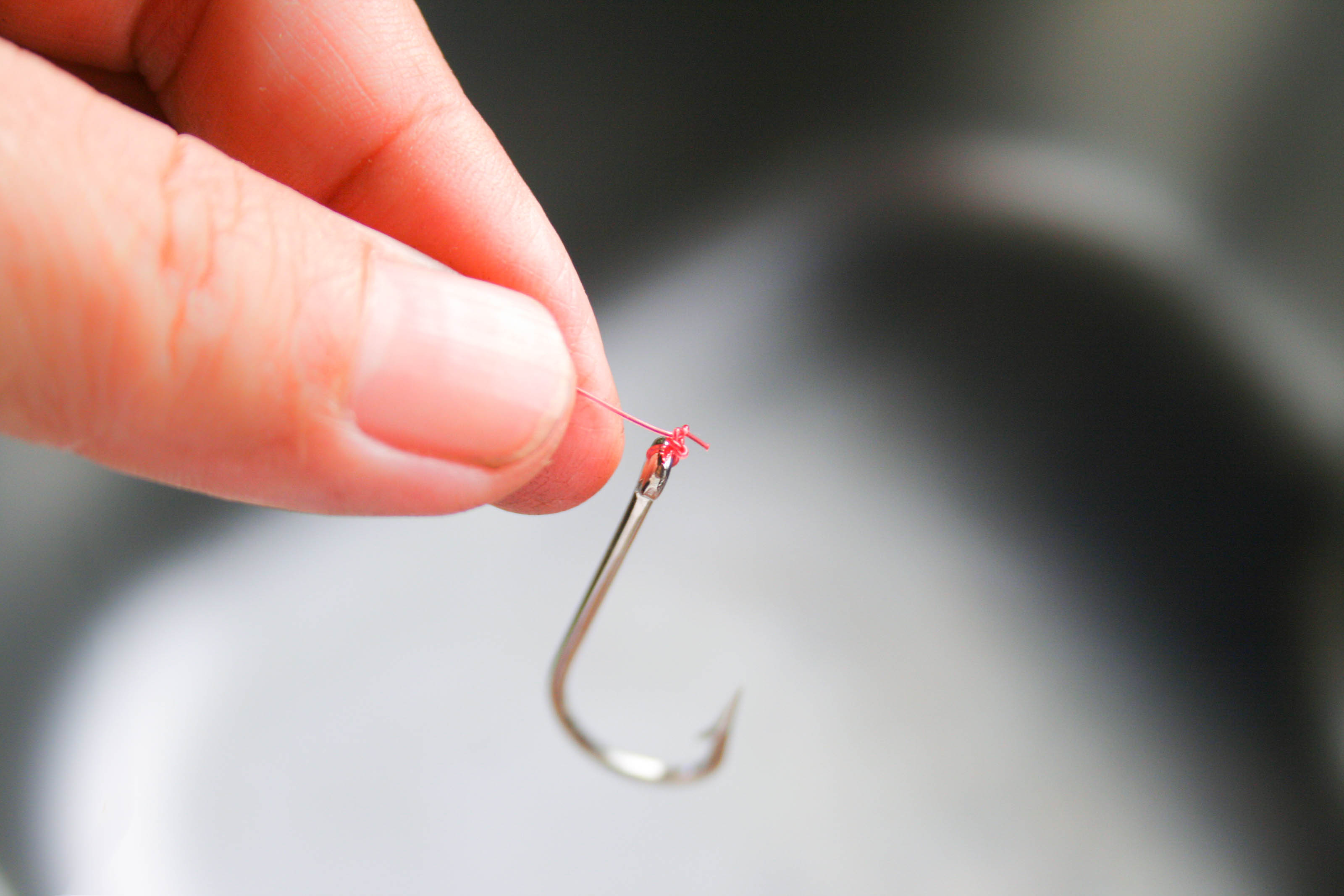
- Add hook and simple tackle. Tie on a small hook using a clinch or improved clinch knot. Add a bobber or split shot if your bait presentation needs it.
- Bait it and fish close. This setup is made for short-range fishing. You are not casting far. You are placing the bait with control.
Why It Works
A cane pole is quiet, direct, and wonderfully low-drama. You can lower bait into pockets near weeds, docks, brush, and shady edges without much commotion. That makes it especially good for bluegill, bream, crappie, and small catfish. It is also a great rod for kids and first-time anglers because there is no reel to manage and no casting technique to master on day one.
Best Use Case
Choose this method if you want a simple homemade fishing rod that is easy to build, easy to use, and perfect for casual freshwater fishing.
Method 2: Make a Stick Fishing Pole from a Tree Branch
If bamboo is not available, a sturdy branch can do the job. This is the field-expedient version of a homemade fishing rod, and it is great when you want something functional without turning the project into a full woodworking phase.
What You Need
- A straight branch or sapling, about 6 feet long and at least thumb-thick
- Sandpaper or a knife for smoothing bark and rough spots
- Fishing line
- Hook
- Bobber and split shot, optional
- Bait
How to Make It
- Pick a flexible branch. Look for a green or recently cut branch that bends a little without cracking. Willow, cane-like shoots, and other straight young branches work well.
- Trim it down. Remove twigs, leaves, and bark that feels loose or flaky. Sand the grip area so it is comfortable in your hand.
- Test the bend. Gently flex the branch. You want some give, but not a limp noodle. If the tip droops like it gave up on life, choose a sturdier branch.
- Tie the line near the tip. Secure the line tightly and leave enough length for the depth you plan to fish. Keep the rig simple.
- Add the hook and bait. Tie on your hook, then add a small bobber or split shot if needed.
- Fish in close water. Like a cane pole, this is a short-range setup. Think pond edges, creek banks, and shallow cover.
Why It Works
This method is excellent because it is fast, practical, and accessible. You do not need special rod parts. You just need a branch with the right shape and enough flexibility to absorb movement when a fish strikes. It is not elegant, but neither is a fish pulling your bait off the hook while you are admiring craftsmanship.
A stick fishing pole is best for spontaneous trips, camping, survival practice, or teaching kids how a fishing setup works without overwhelming them with gear. It also gives you a better feel for line tension and bait placement because there is less hardware between you and the fish.
Best Use Case
Choose this method if you want a DIY fishing rod you can make quickly with simple tools and natural materials.
Method 3: Build a Homemade Bamboo Fly Rod
This third method is not the “I found a branch and now I am a frontier genius” version. It is the hobbyist route. A bamboo fly rod is a true rod-building project, not just a quick fishing pole. It takes time, specialized materials, and patience, but it also produces a beautiful handmade tool with serious character.
What You Need
- Tonkin cane or similar dense bamboo
- Tools for splitting, planing, and shaping strips
- Heat source for straightening and drying
- Adhesive for laminating sections
- Ferrules
- Guides
- Thread wraps
- Reel seat and grip components
How It Is Made
- Split the bamboo. The cane is divided into strips that will eventually form the rod sections.
- Flatten and heat-treat the strips. Nodes are filed or sanded, then heated and straightened to reduce irregularities.
- Plane the strips into tapered shapes. This gives the rod its action and flexibility.
- Glue the strips into sections. The strips are bound together into the blank, then cured and straightened.
- Add ferrules, guides, and handle components. These turn the blank into a functional fly rod.
- Match the rod with the right line weight and reel. A bamboo fly rod works best when properly balanced.
Why It Works
Bamboo has a natural flexibility that many anglers love, especially for short casts and small-stream fishing. It tends to feel slower and more deliberate than modern graphite, which is part of the charm. Building one is a craft project, a fishing project, and a patience project all at once. It is not the fastest route to catching fish, but it may be the most satisfying if you enjoy making gear by hand.
Best Use Case
Choose this method if you want a true homemade fishing rod with classic appeal and you are ready for a deeper build rather than a quick weekend fix.
How to Rig Your Homemade Fishing Rod
Whatever method you choose, the rig matters. A badly tied hook can ruin an otherwise brilliant homemade rod. For beginners, the easiest reliable option is a clinch-style knot or improved clinch knot for tying the line to the hook. Keep the setup simple and avoid overloading the line with too many gadgets.
For small freshwater fish, this setup usually works well:
- Light line
- Small hook
- One bobber if you want visible strike detection
- One split shot if you need a little sink
- Live bait such as worms or crickets
If your homemade rod feels too stiff, reduce the line length or use lighter terminal tackle. If it feels too whippy, shorten the tip section or switch to a sturdier branch or cane piece. DIY gear always teaches one universal lesson: the first version is rarely the masterpiece.
Common Mistakes to Avoid
- Using wood that is too brittle: Dry, cracked branches tend to fail at exactly the wrong moment, usually when you are finally getting a bite.
- Making the line too long: A long line on a simple pole becomes awkward fast.
- Ignoring the handle area: If the grip is rough, slippery, or bulky, the rod becomes tiring to use.
- Overcomplicating the rig: Homemade rods shine when the tackle is simple.
- Choosing the wrong location: These rods work best in close-range situations, not long-distance casting across a giant lake.
Which Homemade Fishing Rod Is Best?
If you want the fastest and easiest option, make a cane pole. If you want a practical DIY version from natural materials you can find almost anywhere, make a stick fishing pole. If you want a handcrafted project with serious tradition behind it, build a bamboo fly rod.
For most beginners, the best answer is the simplest one: make the rod that gets you fishing soonest. That is because a homemade fishing rod is not just about construction. It is about learning how bait behaves, how fish respond, and how small changes in depth or placement can make all the difference. The fish are the final reviewers, and they are not especially generous.
Experiences with Homemade Fishing Rods: What the Water Teaches You
The first experience most people have with a homemade fishing rod is surprise. You expect it to feel crude, maybe even a little silly, but once the line is in the water, the simplicity becomes part of the charm. With a cane pole or stick pole, there is no reel to distract you and no complicated setup to manage. You notice the breeze, the ripples, the movement of the bobber, and the little tremble in the pole when a fish investigates the bait. It feels more direct than modern gear, almost like the water is talking to your hand.
One of the most memorable things about fishing with a homemade rod is how personal the experience becomes. A store-bought rod is convenient, but a rod you built from cane, bamboo, or a branch has a story before the first cast even happens. Maybe you cut the cane yourself, maybe you spent an afternoon sanding a stick smooth in the garage, or maybe you devoted several weekends to shaping bamboo strips and wondering whether you had accidentally joined a nineteenth-century craft guild. Either way, the rod carries your fingerprints in a way factory gear never can.
Homemade rods also teach patience very quickly. A cane pole does not let you fling bait halfway across the county. You have to work close, quietly, and with purpose. That changes how you fish. Instead of trying to cover huge amounts of water, you start looking for likely spots: overhanging branches, dock corners, weed edges, shaded pockets, and little drop-offs near the bank. You begin to think like a fish instead of a person with too much tackle and not enough restraint.
There is also a special kind of joy in watching kids use homemade rods. The learning curve is gentler. They can focus on holding the pole, watching the bobber, and feeling the bite. When a child catches a bluegill on a simple homemade pole, it feels enormous, even if the fish is barely bigger than a sandwich. The whole moment becomes less about equipment and more about discovery. Adults get the same thrill too, even if they try to act cooler about it.
Not every experience is magical, of course. Sometimes the branch is too stiff. Sometimes the line slips. Sometimes your beautifully baited hook snags a bush behind you and the bush wins. But even those moments are useful. They teach you how rod flexibility matters, why line length matters, and how a tiny knot can decide whether a fish story ends in triumph or muttering.
Over time, homemade fishing rods build confidence. After you catch a few fish on something you made with your own hands, you stop seeing fishing gear as mysterious. You understand the mechanics. You trust simple setups more. You realize that catching fish is usually about presentation, location, and patience rather than owning the flashiest rod in the aisle. That is the real reward. The homemade rod may start as a budget idea or a fun project, but it often ends up reminding you that fishing works best when it stays simple, quiet, and just a little bit scrappy.
Conclusion
Learning how to make a homemade fishing rod is part practical skill and part old-fashioned fun. Whether you build a cane pole, shape a stick fishing pole, or go all in on a bamboo fly rod, each method gives you a different kind of satisfaction. The easiest versions are perfect for beginners, kids, pond fishing, and relaxed afternoons. The more advanced builds offer a deeper connection to rod-making traditions and to the craft behind fishing itself.
If you want the quickest path to the water, keep it simple: choose a straight pole, tie on light line, use a small hook, and fish close cover with patience. If you want the richer project, bamboo opens the door to a classic handmade rod with real personality. Either way, the lesson is the same. Fishing does not always need expensive gear to be memorable. Sometimes all it takes is a homemade rod, a little bait, and the willingness to let the quiet do most of the work.