
Cotton sweaters are cozy, breathable, and deceptively dramatic. One minute they’re your go-to “I have my life together” layer, and the next minute they’re a cropped top for your dog because the dryer got involved. The good news: cotton is pretty forgiving if you treat the knit like a knit (not like a bath towel that owes you money).
This guide breaks down three reliable ways to wash a cotton sweatermachine washing, hand washing, and professional cleaningplus the drying/reshaping steps that separate “fresh and fluffy” from “why is the hem in my armpit?” You’ll also get stain tips, mistake-proofing, and a 500-word “laundry life” section at the end (because we’ve all learned the hard way).
Before You Wash: Do This 2-Minute Prep (It Saves Sweaters)
1) Read the care label like it’s a text from your crush
If it says machine wash cold, you’ve got options. If it says hand wash, it’s not being cuteknits can stretch and pill when they’re over-agitated. If it says dry clean only, you can still sometimes clean it safely at home, but that’s where Method #3 comes in: “when in doubt, outsource.”
2) Check for “the usual suspects”
- Stains: collar makeup, coffee splashes, deodorant streaks, and that mystery spot you swear wasn’t there yesterday.
- Loose threads/snags: if something’s snagged, don’t yank itgentle handling is your friend.
- Color bleed risk: if the sweater is new, saturated (bright red/indigo), or vintage, assume it’s a little unpredictable.
3) Gather the right supplies (nothing fancy)
- Mild liquid detergent (fragrance-free if your skin is picky)
- Mesh laundry bag (for machine washing)
- Clean towels (for the “towel burrito” drying method)
- Flat drying rack or a clean, flat surface
- Optional: fabric shaver/depiller for later
Way #1: Machine Wash (Gentle Cycle) The “I Have Things To Do” Method
If your cotton sweater is labeled machine washable (or it’s a sturdy knit you’ve washed before without drama), the washing machine can absolutely be a safe optionas long as you keep the cycle gentle, the water cold, and the friction low.
Best for
- Sturdier cotton knits (midweight to chunky)
- Everyday sweaters without delicate trim or heavy embellishments
- Sweaters you wear often and want to wash efficiently
Step-by-step: machine wash a cotton sweater safely
- Turn it inside out. This protects the outer surface from rubbingone of the biggest causes of fuzz and pilling.
- Close anything that can snag. Zip zippers, button cardigans, and tie any loose belt strings so they don’t lash your sweater like a tiny washing-machine whip.
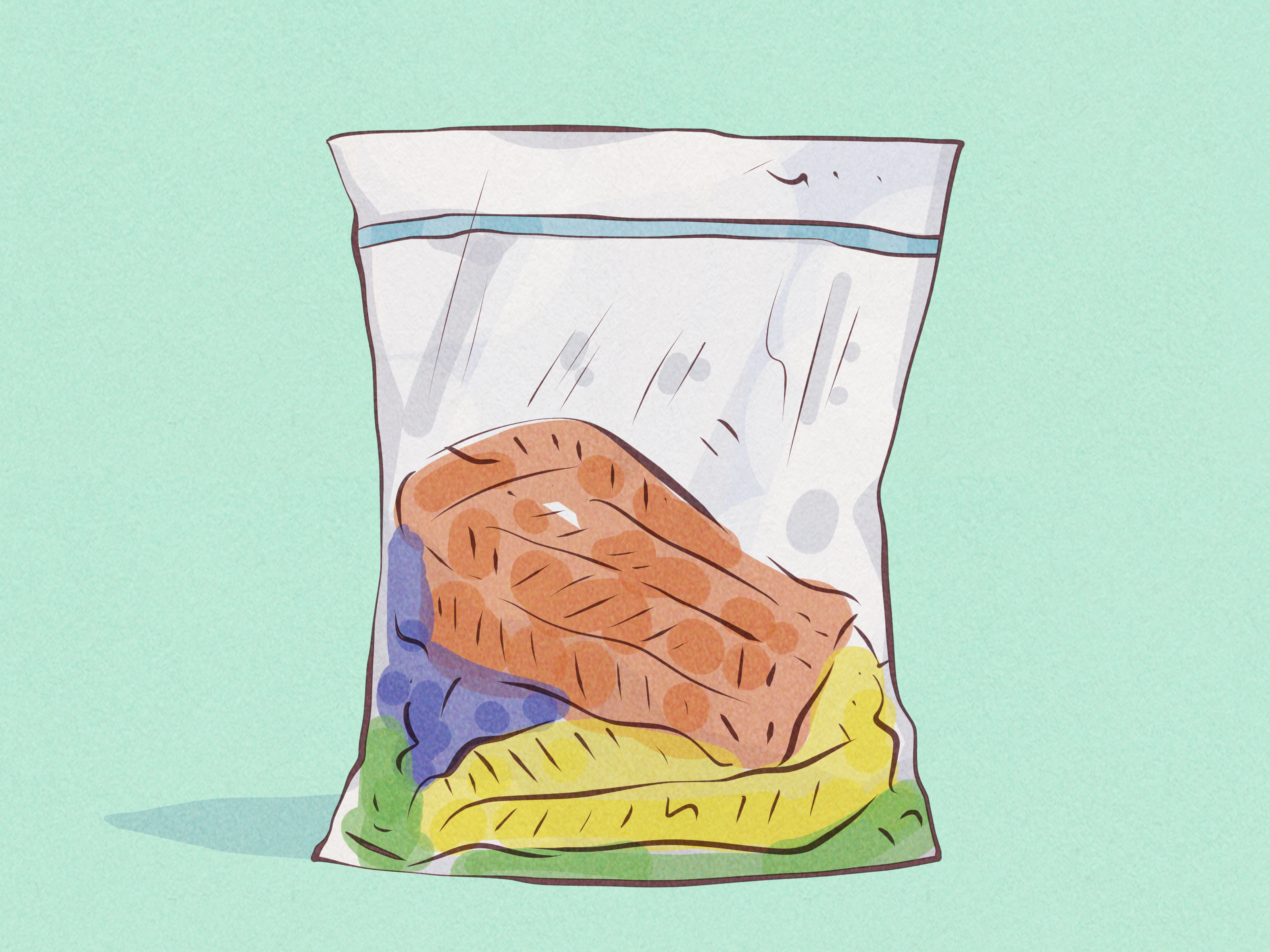
- Put it in a mesh laundry bag. This is the “seatbelt” that reduces abrasion and helps prevent stretching.
- Sort smart. Wash with other soft itemsno jeans, no hoodies, no “hardware” (hooks, heavy zippers, Velcro).
- Select cold water + the gentlest cycle. Choose “Delicate,” “Hand Wash,” or “Gentle.” Low agitation and low spin are what you’re after.
- Use a small amount of mild detergent. More detergent doesn’t mean more clean. It often means “leftover residue” that can make knits feel stiff.
- Remove promptly. Don’t let it sit in a damp pile and get wrinkly or misshapen.
Drying after machine washing (don’t skip this)
Even if the washer step went perfectly, drying is where cotton sweaters either stay cute… or start auditioning for a new shape. After washing:
- Press out waterdon’t wring. Wringing can stretch the knit and warp seams.
- Use the towel burrito. Lay the sweater flat on a towel, roll it up, and press to absorb moisture.
- Reshape and dry flat. Smooth the sleeves, align the hem, and lay it flat to air-dry away from heat and direct sunlight.
Can you use the dryer? Sometimes. If the care label explicitly allows tumble drying, keep it low heat and pull it out while it’s still slightly damp, then finish flat. If the label doesn’t say dryer-safe, assume air-dry flat is the safer move.
Way #2: Hand Wash The “Sweater Spa Day” Method (Gentlest Overall)
Hand washing is the most controlled option: you decide the temperature, the agitation, the soak time, and the handling. For cotton sweaters that are lightweight, loosely knit, vintage, or prone to stretching, this method is worth the extra few minutes.
Best for
- Fine-gauge or loosely knit cotton sweaters
- Vintage or sentimental pieces
- Sweaters that pill easily or lose shape in the washer
- Anything labeled “hand wash”
Step-by-step: hand wash a cotton sweater
- Fill a basin with cool water. Think “refreshing,” not “hot tub.” Cool water helps reduce shrink risk and keeps dyes calmer.
- Add a small amount of mild detergent and dissolve it. Swish the water first so you’re not pouring detergent directly onto a single spot of knit.
- Submerge the sweater and gently swish. You’re persuading dirt to leavenot interrogating it. A few gentle swirls are enough.
- Soak briefly. For most cotton sweaters, 5–15 minutes is plenty unless it’s truly grimy.
- Rinse with cool water until clear. Drain the basin, refill, and gently press water through the sweater. Repeat until you don’t see suds.
- Press out water (no wringing, no twisting). Squeeze gently like you’re handling a water balloon you actually like.
- Towel burrito + reshape + dry flat. Roll it in a towel to remove moisture, then lay flat and reshape the sweater to its original dimensions.
Hand-wash pro tips for common cotton sweater issues
- Stretchy neckline or cuffs? When damp, reshape those areas gently and let them dry flat in the corrected position.
- Stiff or “crunchy” feel after washing? That’s often leftover detergent. Rinse one more time.
- New sweater shedding dye? Shorten soak time and wash separately until you trust it.
Way #3: Professional Cleaning The “Don’t Risk It” Method
Some cotton sweaters are not “just a sweater.” They have structure, embellishments, lining, shoulder pads (hello, vintage), or a care label that clearly wants you to stop experimenting. That’s where professional cleaning earns its keep.
Best for
- “Dry clean only” labels (especially with special construction)
- Beaded, sequined, embroidered, or heavily embellished sweaters
- Very expensive or sentimental pieces you can’t replace
- Major stainsespecially oily ones that laugh at water
Dry cleaning vs. professional wet cleaning (what’s the difference?)
Dry cleaning uses cleaning fluids/solvents with little or no water, which can be helpful for certain stains and for garments that don’t love water exposure. Professional wet cleaning uses water toobut with specialized equipment and tightly controlled temperature, rotation, and additives to reduce shrinkage, color loss, and distortion. If you’ve ever wished your home washer had a “be gentle, I’m fragile” PhD, wet cleaning is basically that.
What to tell your cleaner
- It’s a cotton knit sweater (knit construction behaves differently than woven cotton).
- Point out any stains and mention if they’re oil-based (food, makeup) or water-based (coffee, juice).
- Ask whether wet cleaning is an option if you’re concerned about solvents or if the sweater is a plant-based fiber knit.
The Make-or-Break Step: Drying and Reshaping a Cotton Sweater
Cotton gets heavier when wet. Knits stretch under their own weight. That’s why drying flat matters so muchespecially for sleeves, shoulders, and hems.
The best drying method (for almost every cotton sweater)
- Press water out gently. No twisting.
- Roll in a towel and press. This removes moisture faster and helps the sweater dry more evenly.
- Lay flat to dry. Use a drying rack, a mesh sweater screen, or a clean towel on a flat surface.
- Reshape as you go. Smooth seams, align sleeves, and straighten hems while it’s damp.
- Flip once during drying. When the top feels mostly dry, flip it to help the underside finish.
What not to do (unless you enjoy sweater regret)
- Don’t hang it wet. Hangers and clotheslines can stretch shoulders and length.
- Don’t blast it with heat. High heat can shrink cotton and set wrinkles.
- Don’t “speed dry” on a radiator. Uneven heat can distort shape and texture.
Stain Triage: Quick Fixes Before You Wash
The best stain strategy is simple: treat it early, treat it gently, and don’t scrub like you’re sanding a deck. Knits can fuzz when you’re aggressive.
General pre-treat routine (safe for cotton knits)
- Apply a small dab of mild detergent to the stain.
- Use your fingers to gently work it in (no brush unless the knit is very sturdy).
- Let it sit 10–15 minutes, then wash using Method #1 or #2.
Examples
- Coffee/tea: blot with cool water first, then pre-treat with detergent.
- Makeup or oily food: a tiny amount of dish soap can help break up oil, followed by a gentle wash.
- Deodorant marks: rinse the area with cool water and gently rub fabric against itself from the inside (lightly!) before washing.
Common Cotton Sweater Problems (and How to Fix Them)
“Help, it shrank.”
If it’s slightly smaller, you may be able to relax the fibers while the sweater is damp and gently coax it back into shape. The key is gentle, even stretchingnot yanking one sleeve into a weird, heroic length. Lay it flat, stretch in small increments, and let it dry flat in position.
“Help, it stretched.”
Stretching often comes from hanging wet knits or heavy water weight during drying. Next time: press water out, towel roll, and dry flat. For now: wash gently, reshape, and dry flat. Some sweaters bounce back; some keep the “I’m a tunic now” energy.
“It’s pilling like it’s being paid per fuzz ball.”
Pilling is usually friction + loose fibers. Reduce friction by washing inside out, using a mesh bag, and avoiding heavy items in the same load. Once dry, use a depiller or sweater shaver lightly.
How Often Should You Wash a Cotton Sweater?
Over-washing is a fast track to pilling and wear. If you wear an undershirt, you can often go multiple wears before washing. If you wear it against skin, you’ll likely wash more frequently. A simple rule: if it smells fine and isn’t stained, air it out and wear again.
Refresh between washes (without actually washing)
- Lay it flat for a few hours after wearing so moisture can evaporate.
- Spot clean small areas instead of washing the whole sweater.
- Use a steamer to reduce odors and wrinkles (don’t scorch it with an iron).
of “Laundry Reality” Experiences: What People Learn the Hard Way
If cotton sweaters had a group chat, it would be 60% “please stop putting me in the dryer” and 40% “why are we sharing a washer load with jeans again?” Most sweater mishaps don’t come from the washing itselfthey come from how the sweater is handled when it’s wet, heavy, and vulnerable.
One of the most common experiences is the “it looked fine… until it dried” moment. You pull a damp sweater out of the washer, it seems normal, and you think, Great, I’ll just hang it up. Hours later, the shoulders have grown into little pointy elf peaks and the hem has sagged like it’s trying to escape gravity. That’s cotton knit doing what cotton knit does: stretching under the weight of water. Drying flat feels fussy the first time, but after you watch a sweater keep its shape, it becomes your default.
Another classic: the detergent “oops.” A lot of people assume sweaters need extra soap because knits feel thicker. Then the sweater dries slightly stiff, or it feels like there’s a film, or it starts holding onto odors. That’s often leftover detergent trapped in the knit. The fix is surprisingly unglamorous: use less detergent and rinse thoroughly. Your sweater doesn’t need a bubble bath; it needs a calm, efficient clean.
Then there’s pillingthe tiny fuzz balls that appear under arms, on sides, and anywhere your sweater experiences normal human life. People often think pilling means low quality, but it’s frequently just friction and fiber breakage. The “experience lesson” here is that prevention beats removal. Washing inside out, using a mesh bag, and not washing sweaters with rough items makes a noticeable difference. When pills still show up (because life), a fabric shaver is one of those oddly satisfying tools that makes you feel like you fixed something in under two minutes.
Stains teach their own mini-course. A coffee drip on a cotton sweater can usually be handled, but the mistake many people make is scrubbing. Scrubbing a knit can roughen the surface so even after the stain is gone, the area looks fuzzier or slightly different. The better approachdab, pre-treat, and be patientfeels slower but gives a cleaner-looking result. It’s a small shift in mindset: you’re cleaning a knit structure, not power-washing a driveway.
Finally, there’s the “confidence arc.” Most people start out nervous and either avoid washing sweaters entirely or wash them the same way they wash socks. Then they learn a few simple habitscold water, gentle cycle, mesh bag, towel roll, flat dryand suddenly sweaters stop being high-maintenance. Cotton sweaters become what they were meant to be: comfy, dependable, and not secretly plotting to become doll clothing.
Conclusion
Washing a cotton sweater doesn’t have to be a suspense thriller. Choose the method that matches the sweater’s label and construction: machine wash gently for sturdy knits, hand wash for more delicate or vintage pieces, and professional cleaning for structured, embellished, or “don’t mess this up” garments. Then give your sweater the real VIP treatment: press out water, roll it in a towel, reshape, and dry it flat. Do that consistently, and your cotton sweater will stay soft, wearable, and appropriately sized for the human it belongs to.