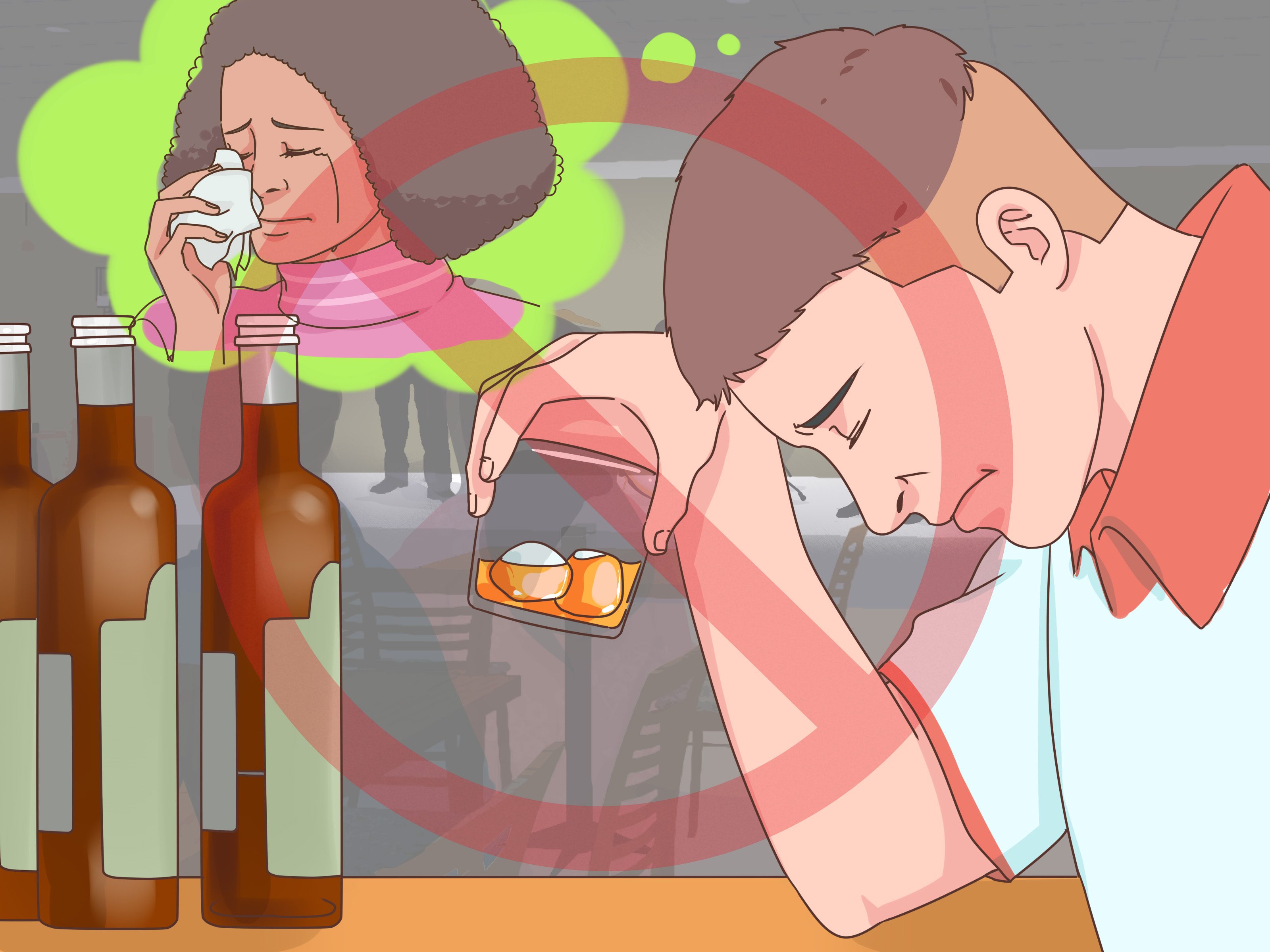

When someone you love is dep. You care deeply, you want to make things better, and yet every cheerful idea can seem to bounce right off the emotional weather system.
Here is the good news: you do not need perfect words, a psychology degree, or a cape with “Emotional Support Superhero” stitched across the back. Helping a girlfriend with depression is usually less about delivering a grand rescue and more about showing up with patience, compassion, practical support, and a willingness to take her struggles seriously.
First, Understand What Depression Can Look Like in a Relationship
Depression is not simply having a bad day, feeling disappointed, or needing someone to tell a funnier joke. It can affect mood, energy, sleep, appetite, concentration, motivation, self-esteem, and the ability to enjoy things that once felt easy.
Your girlfriend may seem quieter than usual, less affectionate, exhausted, irritable, distant, overwhelmed by small tasks, or uninterested in plans she normally enjoys. She may cancel dates, sleep too much or too little, struggle to reply to messages, or say things like, “I feel like a burden.”
That can hurt, especially when you are on the receiving end of canceled plans, short replies, or emotional withdrawal. But depression is not automatically a message that she does not care about you. Often, it is a sign that she is using most of her available energy just to get through the day.
Supporting a girlfriend with depression does not mean ignoring your own feelings or accepting harmful behavior. It means recognizing that depression is a health condition, not a personality flaw, relationship test, or secret signal that you should “try harder.” You are her partner, not her therapist, and that distinction matters.
1. Start Conversations That Feel Safe, Not Like an Interrogation
Lead with what you notice, not what you assume
It is tempting to open with something dramatic like, “What is wrong with you lately?” Unfortunately, that sentence has roughly the same calming effect as setting off a car alarm during yoga.
A better approach is to gently describe what you have noticed and make room for her perspective. Try phrases such as:
- “I have noticed that you seem really worn down lately. I care about you. How have you been feeling?”
- “You do not seem like yourself, and I wanted to check in rather than make assumptions.”
- “You do not have to explain everything perfectly. I am here to listen.”
- “Would you rather talk, sit quietly together, or take a short walk?”
Listen before trying to fix
Most people who are depressed have already heard the classic greatest hits: “Just think positive,” “You have so much to be grateful for,” “Everyone gets sad,” and “You should get out more.” These comments are usually well meant, but they can make someone feel unseen or guilty for struggling.
Instead of rushing toward solutions, practice listening with curiosity. Ask open-ended questions such as, “What has felt hardest this week?” or “What would feel supportive right now?” Then pause. A real pause. Not the kind where you wait three seconds before presenting a twelve-slide PowerPoint called How We Fix Your Life by Thursday.
You do not need to agree with every thought she has in order to validate her feelings. You can say, “That sounds incredibly heavy,” or “I can understand why you feel overwhelmed.” Validation tells her that she is not alone in the room with her pain.
Offer choices whenever possible
Depression can make people feel powerless. Giving small choices back can be surprisingly helpful. Ask whether she would prefer a phone call or a text, company or quiet, a home-cooked meal or takeout, help with errands or a night with no plans.
Even a simple question like, “Do you want comfort, advice, or distraction?” can prevent misunderstandings. Sometimes she may want to talk. Sometimes she may want to watch a ridiculous reality show while eating popcorn under a blanket. Both can be valid forms of support.
2. Encourage Professional Help Without Taking Over
Make support feel practical, not pushy
Depression can make basic tasks feel huge. Searching for a therapist, calling an insurance company, scheduling an appointment, or explaining symptoms to a doctor may feel like trying to assemble furniture without instructions, screws, or emotional battery power.
You can help by making the next step smaller. Offer practical support such as:
- Helping her search for therapists, counselors, psychiatrists, or primary-care providers.
- Sitting with her while she makes an appointment.
- Driving her to an appointment if she asks.
- Helping her write down questions for a doctor or therapist.
- Checking insurance coverage or locating lower-cost community resources.
The key word is offer. You can make help easier to access, but you cannot force recovery on someone. Pressure can make a person withdraw, especially if she already feels ashamed, scared, or exhausted.
Use supportive language around treatment
Try saying, “You deserve support that is bigger than just the two of us,” rather than, “You need therapy.” The first phrase communicates care. The second may sound like a verdict delivered by a disappointed judge wearing pajama pants.
Professional treatment for depression may include therapy, medication, lifestyle support, or a combination of approaches. What helps one person may not work exactly the same way for another. Progress can also be uneven. A good week does not mean she is “cured,” and a hard week does not mean treatment has failed.
If she is already in treatment, avoid policing her medication, demanding details from therapy, or acting as her unofficial case manager. You can ask, “Is there anything that would make it easier to keep up with your appointment?” That is supportive. “Did you take your pill at exactly 8:03?” is less supportive unless you are both starring in a very strange medical drama.
Know when waiting is not the right move
If depression symptoms have lasted for weeks, are interfering with work, school, sleep, eating, daily responsibilities, or the relationship, professional evaluation is important. Encourage her to speak with a licensed mental-health professional or a primary-care provider who can help assess what is going on.
3. Offer Specific, Low-Pressure Help for Everyday Life
Think small enough to be useful
When someone is depressed, “Let me know if you need anything” can be kind but difficult to act on. She may not know what she needs, may feel guilty asking, or may not have enough energy to organize a request.
Specific offers work better because they reduce decision fatigue. For example:
- “I am ordering dinner. Do you want soup, noodles, or something else?”
- “I am heading to the store. Can I pick up your favorite snacks?”
- “Would it help if I handled laundry while you rest?”
- “Want me to sit with you while you answer emails for ten minutes?”
- “Do you want company for a short walk, or would staying in feel better today?”
Keep plans flexible and expectations gentle
Depression can make social events, dates, errands, and even fun activities feel exhausting. Rather than interpreting canceled plans as rejection, create backup options.
For example, instead of insisting on a restaurant reservation, say, “We can still go out, order food at home, take a short drive, or skip plans entirely. I just want to spend time with you in a way that feels manageable.”
This helps remove the pressure to “perform happiness.” It also reminds her that your relationship is not dependent on her being cheerful, energetic, or ready for a perfect Instagram-worthy date night.
Support healthy routines without turning into a drill sergeant
Small routines can help create structure during difficult periods. A shower, a real meal, sunlight, a short walk, taking prescribed medication, or getting out of bed before noon may sound basic, but these can be meaningful wins when depression is heavy.
Still, be careful not to turn every interaction into a wellness lecture. A gentle invitation works better than a command. “Want to walk around the block with me?” is usually more helpful than, “You need exercise because exercise fixes depression.”
Celebrate effort, not just outcomes. If she showers, attends therapy, answers one email, eats breakfast, or gets through a hard day, notice it without making it patronizing. “I know today took a lot out of you. I am proud of you for getting through it,” can mean a great deal.
4. Have a Safety Plan and Protect Your Own Mental Health, Too
Take suicidal thoughts seriously
Depression can sometimes include thoughts of self-harm or suicide. If your girlfriend says she wants to die, feels like a burden, talks about having no reason to live, gives away important possessions, or seems suddenly hopeless or unusually agitated, take it seriously.
Ask directly and calmly: “Are you thinking about hurting yourself or ending your life?” Asking this question does not make the idea appear. It can open the door to an honest conversation and help you understand whether immediate action is needed.
If she says she has a plan, has access to a means of harming herself, cannot promise to stay safe, or is in immediate danger, do not leave her alone. Call 911 or your local emergency number. In the United States, you can call or text 988 to reach the Suicide & Crisis Lifeline for immediate support and guidance.
Create a calm-day plan before a crisis day
When things are relatively stable, ask whether she would be open to creating a simple support plan together. The plan can include:
- Her early warning signs that depression is getting worse.
- People she feels safe contacting.
- Her therapist, doctor, crisis line, or local emergency information.
- Activities that may provide comfort or distraction.
- Practical needs, such as meals, childcare, transportation, or help with appointments.
The goal is not to predict every difficult moment. It is to make the next step clearer when both of you are stressed.
Set boundaries with love
Supporting someone with depression can be emotionally draining. You may feel worried, frustrated, lonely, guilty, or powerless. Those feelings do not make you selfish. They make you human.
You are allowed to say things like, “I care about you, but I need to sleep tonight,” or “I can talk for twenty minutes, then I need to recharge.” Healthy boundaries are not abandonment. They are what allow support to last longer than one intense weekend of skipped meals, missed sleep, and emotional panic.
Depression also does not excuse threats, manipulation, cruelty, violence, or controlling behavior. If you ever feel unsafe, prioritize your safety and seek support from trusted people or local emergency services.
What Not to Say When Your Girlfriend Is Depressed
You do not need to walk on eggshells, but certain phrases can land badly. Try to avoid minimizing, comparing, or demanding positivity.
- “You have nothing to be sad about.”
- “Other people have it worse.”
- “Just snap out of it.”
- “You are ruining our relationship.”
- “You used to be fun.”
- “Why can’t you just be happy?”
Replace them with words that communicate steadiness:
- “I am here with you.”
- “You do not have to carry this alone.”
- “I care about you even when things are hard.”
- “What would feel helpful right now?”
- “We can take one small step at a time.”
Experiences and Lessons From Supporting a Girlfriend with Depression
The following examples are composite situations based on common relationship experiences. They are not accounts of specific individuals.
The “I Need to Fix This” Lesson
One partner noticed that every time his girlfriend talked about feeling hopeless, he immediately started listing solutions. He suggested exercise, better sleep, job changes, new hobbies, supplements, vacations, and at one point, a color-coded productivity planner. His heart was in the right place, but she began talking less because every conversation felt like homework.
Eventually, he tried a different opening: “Do you want me to listen, help you think through options, or just sit with you?” The answer was often “just sit with me.” That felt almost too simple at first. But he learned that quiet company was not doing nothing. It was a form of emotional safety.
The “Small Tasks Are Not Small” Lesson
Another couple struggled because the girlfriend kept saying she was “fine” while falling behind on meals, laundry, appointments, and bills. Her boyfriend kept offering broad help, but she never accepted it. Then he started making specific offers: “I am doing a grocery run at six. Want me to get yogurt, fruit, or something easy to heat up?”
She began saying yes. Not every time, but often enough that practical help became normal instead of embarrassing. He learned that depression can make a simple question feel overwhelming, while a few clear choices can feel manageable. The relationship became less about dramatic rescue missions and more about shared daily care.
The “Canceled Plans Do Not Always Mean Rejection” Lesson
A girlfriend frequently canceled date nights at the last minute. Her partner initially took it personally. He wondered whether she was losing interest or avoiding him. After a difficult but honest conversation, he learned that getting dressed, leaving the house, making conversation, and pretending to enjoy herself felt exhausting when her depression was severe.
They created flexible date options. A restaurant reservation could become takeout. A concert could become a movie at home. A long weekend trip could become an afternoon drive with coffee. These smaller plans did not erase depression, but they protected connection without adding pressure. Their relationship became less focused on doing impressive things and more focused on being present.
The “Boundaries Protect Love” Lesson
One boyfriend became the only person his girlfriend called during every difficult night. He wanted to be available, but he slowly stopped sleeping well, skipped work responsibilities, and became anxious whenever his phone buzzed. He felt guilty for needing space, which made him even more exhausted.
With support from a counselor, he learned to set kind, clear boundaries. He told her, “I love you and I want to support you, but I cannot be the only person helping. Let’s make a list of people and resources you can contact when I am unavailable.”
That conversation was uncomfortable, but it made the relationship healthier. She gained a wider support network, and he stopped feeling like he had to carry every crisis alone. Love did not become smaller. It became more sustainable.
The “Progress Is Not a Straight Line” Lesson
Many couples expect recovery to move in a neat upward line: therapy begins, medication helps, smiles return, cue the uplifting movie montage. Real life is usually messier. There can be better weeks followed by difficult days, moments of hope followed by exhaustion, and progress that is almost invisible until you look back months later.
The most helpful partners often learn to measure progress differently. Instead of asking, “Why are you still depressed?” they notice quieter victories: she called her therapist, got out of bed, ate dinner, accepted help, said how she felt, or made plans for next week. Those steps may not look dramatic from the outside, but they can be meaningful signs that she is still moving forward.
Final Thoughts: Be a Partner, Not a Rescue Team
Helping your girlfriend with depression is not about finding a magic sentence that makes everything disappear. It is about building trust through consistent, compassionate actions: listening without judgment, encouraging professional support, offering specific help, watching for safety concerns, and protecting your own mental health along the way.
You cannot cure her depression through love alone. But you can help make sure she feels less isolated while she gets the support she deserves. Sometimes the most powerful thing you can say is also the simplest: “I am here. We can take this one step at a time.”