
Breakfast egg casseroles and quiches are what happens when eggs decide to stop being a side dish and become the main event. They are cozy, practical, customizable, and gloriously forgiving. Forgot to buy fancy cheese? Use cheddar. Have spinach that looks one day away from writing its farewell letter? Toss it in. Need breakfast for guests without standing over a skillet like a short-order cook at sunrise? This is your moment.
The beauty of a breakfast egg casserole is its flexibility. A casserole can be hearty with sausage, potatoes, and cheese, or lighter with vegetables, herbs, and a custardy egg base. A quiche brings a little elegance to the table, especially when tucked inside a flaky crust. Together, these dishes cover everything from holiday brunch to weekday meal prep, from “company is coming” to “I accidentally bought 24 eggs.”
Below are 19 breakfast egg casseroles and quiches worth adding to your morning rotation. Each idea includes flavor notes, practical cooking tips, and easy ways to adapt the dish without turning breakfast into a kitchen science fair.
Why Breakfast Egg Casseroles and Quiches Work So Well
Eggs are natural team players. They bind ingredients together, create structure, and turn cheese, bread, potatoes, vegetables, and meat into something sliceable and satisfying. In casseroles, eggs act like the glue holding the breakfast universe together. In quiche, they become a savory custard, rich enough to feel fancy but simple enough for a regular Saturday morning.
The best versions balance three things: moisture, texture, and flavor. Too much liquid can make the center watery. Too many dense fillings can weigh the dish down. Too little seasoning can make even the prettiest quiche taste like a polite nap. A good rule is to season every layer: the vegetables, the proteins, and the egg mixture itself.
19 Breakfast Egg Casseroles and Quiches to Try
1. Classic Sausage, Egg, and Cheese Breakfast Casserole
This is the dependable crowd-pleaser. Browned breakfast sausage, shredded cheddar, cubed bread, and whisked eggs bake into a golden, hearty casserole. The bread absorbs the egg mixture, creating a texture similar to savory bread pudding. Assemble it the night before so the bread has time to soak up the custard. In the morning, bake until the center is set and the top is lightly browned.
2. Bacon and Potato Egg Bake
Bacon and potatoes are already breakfast royalty, so adding eggs simply gives them a throne. Use roasted potatoes, thawed hash browns, or diced cooked potatoes. Crisp bacon first, then scatter it through the dish with cheese and green onions. This casserole is especially good for people who like a firm, sliceable breakfast with crispy edges.
3. Spinach and Mushroom Quiche
Spinach and mushrooms bring earthy flavor to a creamy quiche. The important trick is cooking the mushrooms first until their moisture evaporates. Spinach should also be cooked and squeezed dry. Nobody invited puddles to brunch. Gruyère, Swiss, or sharp cheddar all work beautifully here.
4. Ham and Swiss Breakfast Casserole
This is a smart way to use leftover ham. Combine diced ham, Swiss cheese, eggs, milk, and bread cubes for a casserole that tastes like a warm deli sandwich decided to become brunch. A little Dijon mustard in the egg mixture gives it a subtle tang and keeps the flavor from feeling flat.
5. Crustless Vegetable Quiche
A crustless quiche is ideal when you want the flavor of quiche without making or buying pastry. Use cooked vegetables such as bell peppers, onions, zucchini, broccoli, or spinach. Add cheese for richness and bake in a greased pie plate or baking dish. The result is tender, colorful, and easy to reheat.
6. Western Omelet Casserole
Inspired by the classic Western omelet, this casserole uses ham, bell peppers, onions, and cheddar. It gives you the flavor of an omelet without the awkward pan flip that makes many home cooks question their life choices. Serve with salsa or hot sauce for extra personality.
7. Broccoli Cheddar Quiche
Broccoli and cheddar are a reliable duo, and they shine in quiche. Lightly steam or roast the broccoli before adding it to the crust. Too much raw broccoli can release water while baking, which can soften the custard. A pinch of garlic powder, black pepper, or nutmeg adds depth.
8. Hash Brown Breakfast Casserole
Hash browns create a sturdy, satisfying base. Some cooks mix shredded potatoes directly into the egg mixture, while others press them into the bottom of the dish like a crust. Either way, thaw and squeeze frozen hash browns before baking. Removing excess moisture helps the casserole brown instead of steam.
9. Quiche Lorraine
Quiche Lorraine is the classic that made quiche famous at brunch tables everywhere. Traditionally, it features bacon or lardons, cream, eggs, and cheese, though modern versions often use Swiss or Gruyère. The filling should be silky, not rubbery. Bake gently, and let the quiche rest before slicing so the custard has time to settle.
10. Mexican-Inspired Egg Casserole
This casserole brings in chorizo or seasoned sausage, peppers, onions, black beans, Monterey Jack cheese, and a little salsa. Corn tortillas can be layered into the dish for structure. Top with cilantro, avocado, or sour cream after baking. It is bold, filling, and excellent for brunch guests who believe breakfast should never be boring.
11. Tomato, Basil, and Mozzarella Quiche
Think of this as a breakfast-friendly cousin of caprese salad. Use drained tomatoes or halved cherry tomatoes, fresh basil, and mozzarella. For best results, avoid overloading the quiche with juicy tomatoes. A small amount adds brightness; too many can make the filling watery.
12. Croissant Egg Casserole
Croissants make an egg casserole taste luxurious with almost no extra effort. Tear day-old croissants into pieces and combine them with eggs, milk, cheese, and fillings such as mushrooms, ham, or spinach. The buttery layers soak up the custard and bake into a rich, tender dish. It is not shy, and frankly, neither should brunch be.
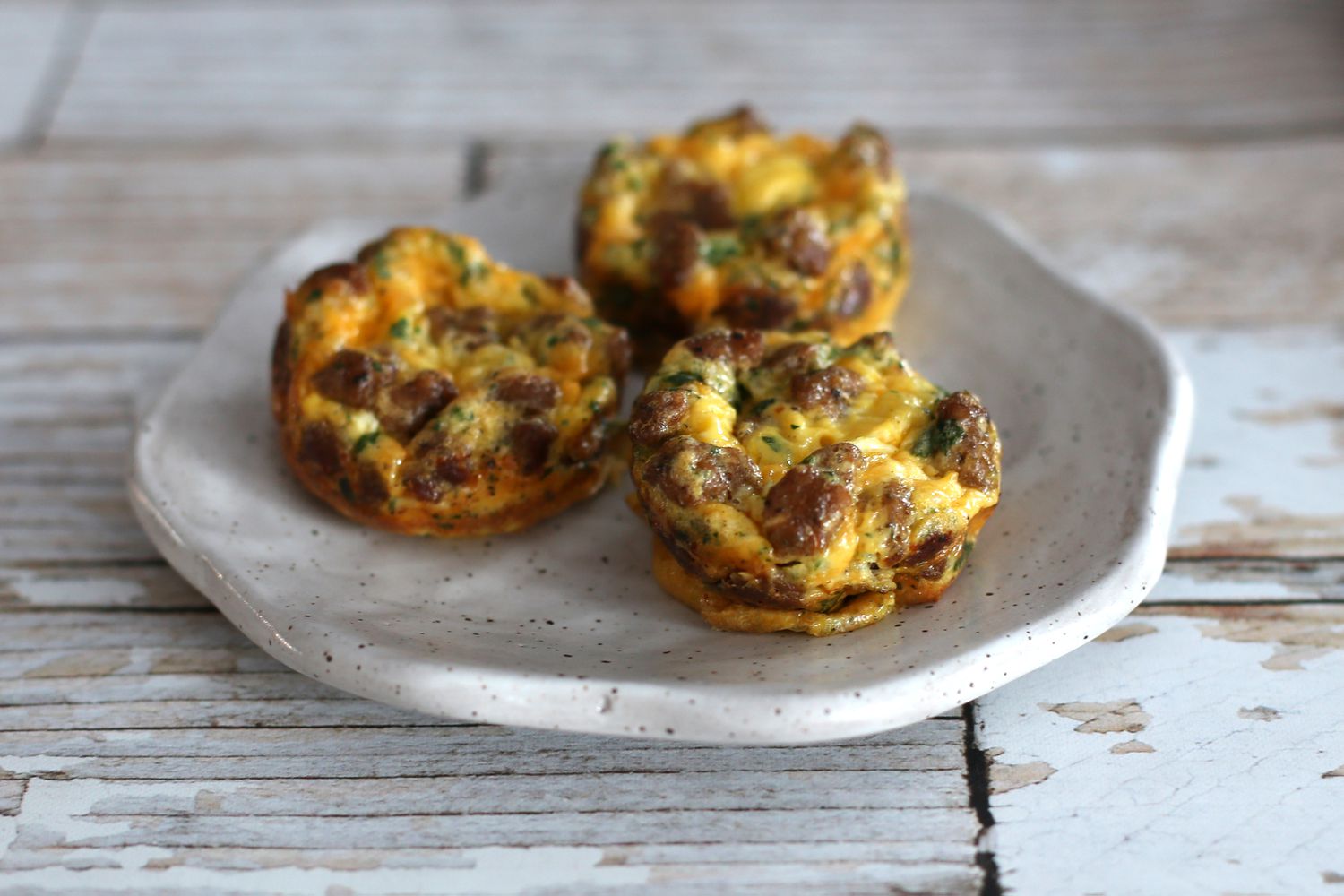
13. Mini Quiches
Mini quiches are perfect for parties, lunchboxes, or anyone who believes food tastes better when it is small and cute. Use muffin tins with pastry rounds, tortillas, or no crust at all. Fill with eggs, cheese, and finely chopped ingredients. Because they are small, they bake quickly and reheat easily.
14. Asparagus and Goat Cheese Quiche
Asparagus adds a fresh, slightly grassy flavor that pairs well with tangy goat cheese. Slice asparagus into small pieces and lightly sauté or blanch it before baking. This quiche feels springy and elegant, especially with fresh herbs like chives, dill, or parsley.
15. Everything Bagel Breakfast Casserole
Cube everything bagels and layer them with eggs, cream cheese, cheddar, and cooked sausage or bacon. The bagel seasoning brings garlic, onion, sesame, and poppy seed flavor to every bite. This casserole is especially useful when your bagels are a little stale and need a second career.
16. Sweet Pepper and Feta Egg Bake
Bell peppers, feta, spinach, and eggs create a bright, Mediterranean-style casserole. Feta adds saltiness, so season carefully. Add olives, sun-dried tomatoes, or oregano for more flavor. This one is excellent with a simple side salad if you want breakfast to drift happily into brunch.
17. Eggs Benedict Casserole
Traditional eggs Benedict is delicious, but poaching eggs for a crowd can feel like a culinary obstacle course. The casserole version layers English muffins, Canadian bacon, and an egg mixture in a baking dish. Serve it with hollandaise sauce after baking. You get the classic flavor without individually poaching a dozen eggs while guests hover near the coffee pot.
18. Smoked Salmon and Dill Quiche
Smoked salmon gives quiche a brunch-worthy upgrade. Pair it with dill, cream cheese, scallions, and a mild cheese. Because smoked salmon is already salty, go easy on added salt. This quiche is excellent served slightly warm or at room temperature.
19. French Toast Meets Egg Casserole
Although most egg casseroles lean savory, a breakfast casserole can go sweet, too. Cubed bread, eggs, milk, cinnamon, vanilla, and berries bake into a soft, custardy dish similar to French toast. It is not technically a quiche, but it belongs at the same breakfast table. Serve with maple syrup or a dusting of powdered sugar.
How to Build a Better Egg Casserole
Use the Right Egg-to-Dairy Balance
Most egg casseroles need enough dairy to create tenderness but not so much that the center refuses to set. Milk, half-and-half, or cream can all work, depending on how rich you want the dish to be. Cream gives a softer, more custardy texture, while milk keeps things lighter.
Cook Watery Vegetables First
Mushrooms, spinach, zucchini, onions, and peppers can release moisture as they cook. Sautéing them before adding them to the casserole prevents soggy results. This small step makes the finished dish taste more concentrated and keeps the texture neat.
Do Not Skip the Rest
Letting a casserole or quiche rest after baking is not just a suggestion from people who enjoy waiting. Resting helps the egg structure firm up, making slices cleaner and preventing steam from rushing out. Ten to fifteen minutes can make a real difference.
Quiche Tips for a Flaky, Non-Soggy Crust
Quiche has one famous enemy: the soggy bottom. A wet egg filling can soften an unbaked crust, so many quiche recipes call for blind baking or partial baking before the filling goes in. This gives the crust a head start and helps it stay crisp.
Use pie weights, dried beans, or rice to hold the crust in place during the first bake. After removing the weights, bake a little longer so the bottom dries out. Then add the filling and return the quiche to the oven. It is an extra step, yes, but it is easier than pretending a damp crust is “rustic.”
Make-Ahead, Storage, and Reheating Advice
One of the biggest advantages of breakfast egg casseroles is that many can be assembled in advance. Bread-based casseroles often improve after resting overnight because the bread absorbs the egg mixture. Quiches can also be baked ahead and reheated gently.
For food safety, egg dishes should be cooked until properly set and handled with care after baking. Refrigerate leftovers promptly, store them covered, and reheat portions until hot. If serving a casserole for a buffet-style brunch, avoid letting it sit out for hours. Breakfast should be memorable for flavor, not for questionable decisions.
Serving Ideas for Breakfast Egg Casseroles and Quiches
Because egg casseroles and quiches are rich and filling, they pair well with fresh sides. Try fruit salad, citrus segments, lightly dressed greens, roasted tomatoes, or crisp breakfast potatoes. For a holiday brunch, add muffins, coffee cake, or a simple yogurt parfait bar.
For toppings, think fresh and bright. Chives, parsley, salsa, hot sauce, avocado, sour cream, or pickled onions can wake up a casserole. Quiche is lovely with a peppery arugula salad, especially when the filling includes bacon, cheese, or cream.
Common Mistakes to Avoid
Overbaking the Eggs
Overbaked egg dishes can turn rubbery. Pull the casserole when the center is set, the edges are lightly golden, and a knife inserted near the center comes out clean. Remember that carryover heat continues cooking the dish after it leaves the oven.
Adding Too Many Fillings
It is tempting to treat a casserole like a refrigerator cleanout mission. A little of everything can work, but too much filling prevents the eggs from binding properly. Keep the balance reasonable so every slice holds together.
Forgetting to Season
Eggs need seasoning. Salt, pepper, herbs, mustard, hot sauce, garlic, or onion powder can all help. Cheese and cured meats add salt, so taste and adjust when possible. A bland casserole is not a tragedy, but it is a missed opportunity.
Personal Kitchen Experiences with Breakfast Egg Casseroles and Quiches
The first time you make a breakfast egg casserole for guests, it can feel almost suspiciously easy. You assemble it at night, slide it into the refrigerator, and wake up feeling like you have already accomplished something. That is the quiet magic of these dishes. While everyone else is still deciding how they take their coffee, your breakfast is already halfway to the table.
One of the best lessons from making egg casseroles repeatedly is that texture matters more than fancy ingredients. A simple sausage and cheddar casserole can beat a complicated one if the bread is properly soaked, the sausage is browned, and the eggs are not overcooked. Browning the meat first adds flavor that plain mixing cannot provide. The same goes for vegetables. Mushrooms tossed in raw can make a casserole watery, but mushrooms cooked until golden bring deep, savory flavor.
Quiche teaches a different kind of patience. The crust needs attention, the filling needs balance, and the finished quiche needs time to rest. Cutting into it too soon can make the custard slump, which is disappointing after the kitchen smells like butter and cheese. Letting it sit for a few minutes feels difficult, especially when people are circling the counter, but the cleaner slices are worth it.
For busy mornings, mini quiches and crustless egg bakes are especially useful. They can be portioned, chilled, and reheated without much drama. A batch made with spinach, peppers, and feta can turn a rushed weekday breakfast into something that feels planned, even if the rest of the morning is pure chaos. Pair one with toast or fruit, and breakfast suddenly looks like you have your life together.
Another practical experience: cheese placement matters. Mixing some cheese into the egg base gives the casserole flavor throughout, while saving a little for the top creates a golden finish. Sharp cheddar, Swiss, Gruyère, Monterey Jack, goat cheese, and feta all bring different moods. Cheddar is friendly and familiar. Gruyère is nutty and elegant. Feta is bold and salty. Goat cheese adds creamy tang. Basically, cheese is the breakfast personality department.
The most reliable hosting strategy is to choose one main egg dish and build simple sides around it. If the casserole is heavy with sausage, potatoes, and cheese, serve fruit or greens. If the quiche is vegetable-forward, add bacon, roasted potatoes, or muffins. This keeps the meal balanced without forcing you to cook five complicated dishes before noon.
Finally, breakfast egg casseroles and quiches are excellent confidence builders. They tolerate substitutions, welcome leftovers, and reward planning. Once you understand the basic formulaeggs, dairy, seasoning, fillings, and the right baking timeyou can create endless variations. That is why they remain brunch favorites: they are practical enough for Tuesday, impressive enough for guests, and comforting enough to make everyone take a second slice.
Conclusion
Breakfast egg casseroles and quiches deserve a permanent spot in the morning recipe lineup. They are flexible, filling, and friendly to both planners and improvisers. Whether you prefer a classic sausage casserole, a flaky Quiche Lorraine, a vegetable-packed crustless quiche, or a croissant bake that tastes like brunch in a fancy sweater, there is an egg dish for every table.
The key is simple: cook moisture-heavy ingredients first, season generously, use the right balance of eggs and dairy, and let the finished dish rest before slicing. Do that, and your breakfast casserole or quiche will come out flavorful, tender, and ready for applauseor at least quiet chewing, which is honestly the breakfast version of applause.