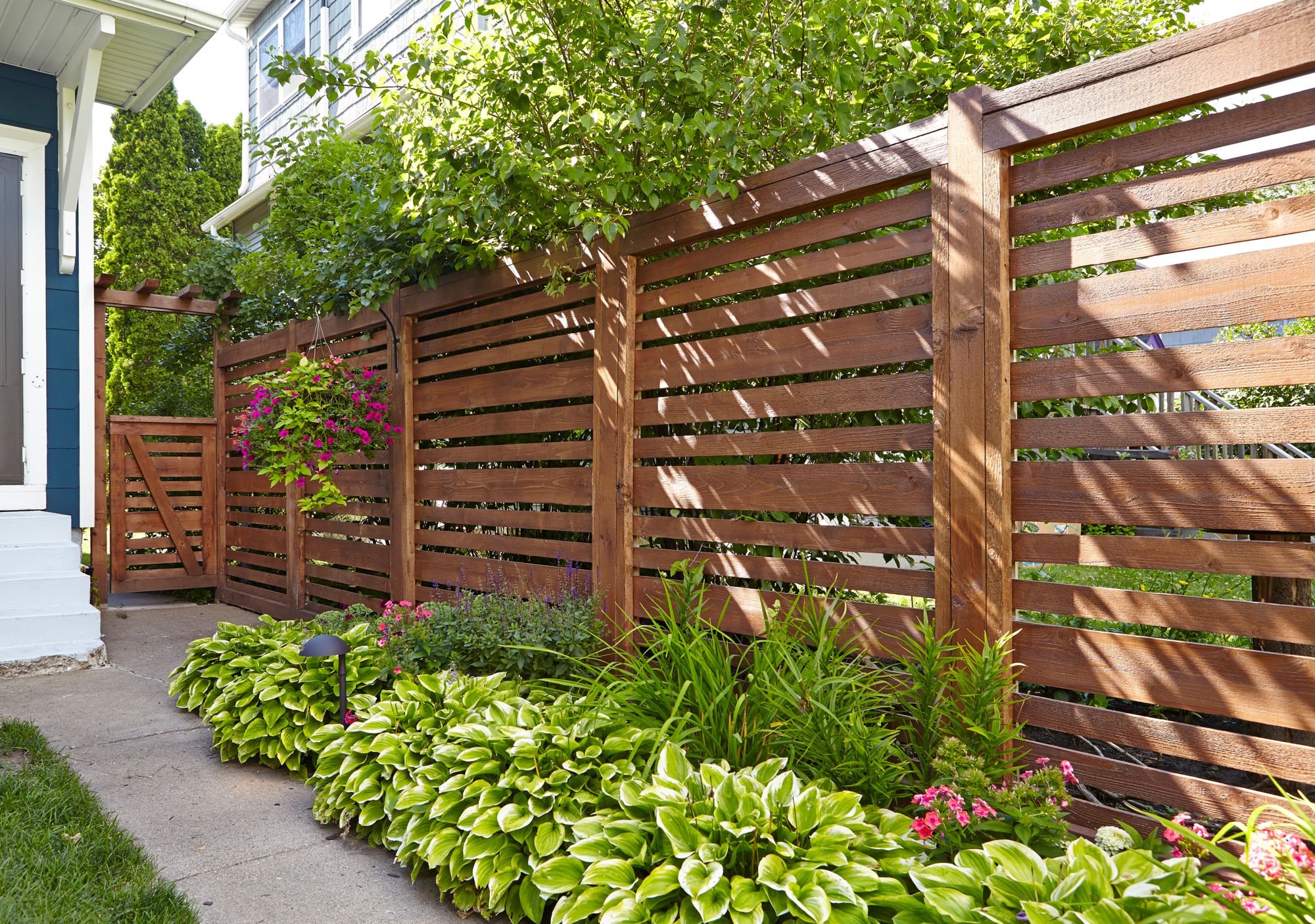

If your backyard feels less like a peaceful retreat and more like a stage where the neighbors accidentally get front-row seats, it may be time for a privacy upgrade. The good news? You do not need a luxury landscaping budget, a reality TV crew, or a medieval moat to make your outdoor space feel more secluded.
There are plenty of cheap privacy fence ideas that look good, work hard, and do not require you to sell a kidney to pay for them. Some are classic DIY fence ideas, some are clever ways to improve an existing fence, and some lean on plants to do the heavy lifting. The trick is choosing a solution that matches your yard, your budget, and your tolerance for weekend projects that involve power tools and muttering.
Below, you will find six easy fence ideas that can add privacy on a budget, along with practical tips on cost, maintenance, style, and where each option works best. Whether you want a full backyard privacy fence, a softer garden screen, or a quick fix for a chain-link eyesore, these ideas can help you carve out your own little slice of peace and quiet.
Why Budget Privacy Fences Make So Much Sense
A full custom privacy fence can get expensive fast, especially when you add labor, gates, post installation, and finishing materials. That is why many homeowners look for inexpensive fence ideas that still solve the main problem: blocking views into the yard.
Affordable privacy fencing usually works in one of three ways. First, it uses low-cost materials such as bamboo, pallets, lattice, or salvaged items. Second, it upgrades an existing fence so you do not have to start from scratch. Third, it uses plants or layered screens to create privacy gradually instead of building a giant wall all at once.
The best low-cost fence ideas also do something else very important: they look intentional. Cheap is fine. Cheap-looking is where things get tricky. A smart design, consistent spacing, and a little finishing work can make a budget fence look surprisingly polished.
1. Bamboo or Reed Panel Fencing for Fast, Lightweight Privacy
If you want privacy fast, bamboo or reed fencing is one of the easiest places to start. It is lightweight, flexible, and usually sold in rolls or panels, which makes it especially handy for covering an existing chain-link fence, enclosing a patio corner, or screening one awkward sightline from a nearby house.
Why it works
Bamboo has a relaxed, natural look that instantly softens a yard. It feels more stylish than a plain tarp or plastic screen, and it is easier to install than a full wood fence. For renters, small-space homeowners, or anyone who wants a quick backyard privacy idea, this option is refreshingly low-drama.
Best uses
- Attaching to chain-link fencing
- Creating privacy around patios or seating areas
- Screening a hot tub, grill zone, or side yard
- Adding tropical flair without tropical-level spending
Budget tip
Use bamboo or reed panels only where privacy matters most instead of fencing the whole yard. Screening one side of a patio can be much cheaper than installing a full perimeter fence. Think of it as strategic secrecy.
Things to watch
This is not usually the longest-lasting option, especially in very wet or windy climates. It may need replacement sooner than wood or vinyl, and it usually works best when secured to a stable frame or existing fence. Still, if your main goal is affordable backyard privacy with minimal labor, bamboo earns a gold star.
2. Pallet Fencing for the Ultimate DIY-on-a-Dime Project
Wood pallets are the unofficial mascot of budget DIY. If you can get them for free or cheap from local businesses, they can become a surprisingly functional privacy fence. Pallet fences are especially popular for garden areas, side yards, pet enclosures, and rustic backyard borders.
Why it works
Pallets already come in panel-like sections, so you are not building every part from scratch. That can save both time and money. With a little sanding, staining, or paint, pallet fencing can look intentionally rustic instead of “I found this behind a warehouse.”
How to make it look better
- Choose pallets in similar sizes for a cleaner look
- Paint or stain them the same color
- Add simple post caps or planter boxes for charm
- Line the inside with shrubs or ornamental grasses to soften gaps
Best uses
Pallets work best in casual yards, cottage gardens, and utility spaces where a little rustic character feels welcome. They are also useful if you want privacy in sections rather than across your whole property line.
Things to watch
Not all pallets are in good shape, and not all are worth hauling home. Look for sturdy ones without major cracks, rot, or exposed fasteners. You will also need to secure them properly to posts if you want the fence to stay upright during bad weather instead of dramatically retiring into the flower bed.
3. Lattice Fencing with Climbing Plants for a Pretty, Airy Screen
Lattice is a smart choice if you want privacy without making your yard feel like a fortress. It creates partial screening right away, and it gets better over time if you add climbing plants. This makes it one of the most attractive cheap fence ideas for patios, decks, and garden seating areas.
Why it works
Lattice panels are affordable, widely available, and easy to customize. You can leave them open and airy, or you can let vines, jasmine, clematis, climbing roses, or other plants fill them in. The result feels softer and more decorative than a solid wall, which is great if you want privacy but still like sunlight and airflow.
Design ideas
- Use white lattice for a cottage-garden look
- Paint it black for a more modern backdrop
- Add a lattice topper above a short fence for extra height
- Use freestanding lattice screens to divide outdoor “rooms”
Budget tip
Instead of replacing an entire fence, add lattice to the top of an existing fence line where you need extra privacy. This can be a simple way to block sightlines from second-story windows without paying for a taller full fence.
Things to watch
Lattice alone is not a total visual block, at least not at first. If your neighbor is extremely curious and somehow always watering their plants the exact moment you step outside, you may want to pair lattice with vines, tall planters, or shrubs for more coverage.
4. Chain-Link Fence Covers and Slats for the Lowest-Effort Upgrade
A chain-link fence is useful, durable, and about as private as a pair of reading glasses made of spaghetti. But if you already have one, you may not need to replace it. Covering or upgrading it can be much cheaper than building a new fence from the ground up.
Easy ways to improve chain link
- Privacy slats
- Outdoor mesh screens
- Artificial greenery panels
- Bamboo or reed rolls
- Climbing vines on trellised sections
Why it works
This approach lets you keep the existing fence structure and simply add coverage. That means fewer materials, less labor, and less mess. It is one of the easiest privacy fence ideas for homeowners who care more about results than about starting a dramatic backyard renovation saga.
Best uses
Chain-link covers work well for side yards, pet areas, utility spaces, and full backyards where function matters more than fancy craftsmanship. Artificial greenery can also give a tired fence a more finished look from a distance, which is useful if your current setup says “community baseball field” instead of “private retreat.”
Things to watch
Make sure any cover is secured tightly so it does not flap in the wind like it is auditioning for a disaster movie. Also remember that solid screens can catch wind, so sturdy posts matter. In some cases, a partial cover combined with planting beds may be the smarter long-term move.
5. A Living Fence for Natural Privacy That Gets Better Over Time
If you are willing to trade instant results for long-term beauty, a living fence is one of the best affordable privacy fence alternatives. Instead of building a barrier from wood or metal, you use hedges, shrubs, narrow trees, tall grasses, or espaliered plantings to create a green screen.
Why it works
A living fence can be cheaper than a full hardscape fence, especially if you install it in stages. It also adds softness, shade, texture, and curb appeal. In other words, it hides the neighbors while making your yard look more expensive. That is excellent multitasking.
Good plant choices for privacy
- Arborvitae
- Cherry laurel
- Privet
- Clumping bamboo where appropriate
- Dense ornamental grasses
- Mixed evergreen shrubs
Budget tip
Plant smaller shrubs farther apart at first, then fill gaps with temporary screens, lattice, or annual vines while the plants mature. This lets you spread costs over time and still enjoy some privacy sooner.
Things to watch
Living fences need patience. They also need pruning, watering, and a realistic plan for mature size. A shrub that starts as a cute little green puff can become a leafy giant with opinions. Before planting, check your local climate, sun conditions, and property line rules so your privacy screen does not become a neighborhood debate.
6. Repurposed Materials for a One-of-a-Kind Fence With Character
If your budget is small but your creativity is large, a repurposed-material fence may be your best move. Old doors, shutters, salvaged wood, corrugated metal, window frames, and leftover building materials can all become part of an eye-catching privacy fence.
Why it works
Reclaimed materials can cost very little, especially if you source them from salvage yards, reuse centers, local listings, or your own garage. This type of fence also has personality. Instead of blending in, it can become a design feature that makes your yard memorable for good reasons.
Looks that work well
- A row of painted salvaged doors for eclectic charm
- Corrugated metal framed in wood for modern farmhouse style
- Mixed reclaimed boards for a rustic patchwork look
- Vintage shutters around a patio nook
Budget tip
Spend your money on the structural pieces that matter most, especially posts, fasteners, and framing. Reclaimed panels can be quirky. Your support system should not be. A fence can be artistic without leaning like it just heard shocking gossip.
Things to watch
Using random materials takes more design judgment than buying matching fence panels. Keep at least one element consistent, such as color, height, or spacing, so the final look feels curated instead of chaotic.
How to Choose the Best Cheap Privacy Fence Idea for Your Yard
Think about how fast you need privacy
If you want instant coverage, go with bamboo, chain-link covers, or pallet panels. If you can wait, a living fence may reward you with a richer and more natural result.
Be honest about maintenance
Wood and living fences usually need more upkeep. Vinyl-style screens, chain-link slats, and artificial greenery are lower-maintenance. Choose the version of outdoor responsibility you will actually keep up with.
Match the fence to your home’s style
A modern house may look great with black lattice or corrugated metal. A cottage-style yard may be better with painted wood, climbing vines, or bamboo screens. Budget matters, but so does not making your yard look like six different ideas collided at once.
Check local rules before building
Before installing a new fence or adding height to an existing one, check your local codes, HOA rules, and property line requirements. Fence height, placement, and materials may be regulated. This is not the most glamorous part of backyard design, but it is much cheaper than rebuilding something after a complaint.
Common Budget Mistakes to Avoid
- Choosing the cheapest material without thinking about wind, rain, and sun exposure
- Forgetting to budget for posts, anchors, hardware, and finish materials
- Installing a privacy screen with no plan for drainage or plant growth
- Ignoring maintenance until the fence starts looking like a haunted movie prop
- Trying to hide an ugly fence without fixing structural problems first
Real-World Experiences: What Homeowners Learn After Trying Budget Privacy Fence Ideas
One of the most common experiences homeowners talk about is how quickly a lack of privacy starts to matter once they actually use their yard. A backyard may look perfectly fine during a quick walk-through when buying a home, but after a few weekends of grilling, reading, or trying to enjoy a quiet cup of coffee while someone next door power-washes their patio with Olympic enthusiasm, privacy suddenly becomes a top priority.
People who go with bamboo or reed screening often say the biggest benefit is speed. In many cases, they can transform a patio or side yard in a single afternoon. The experience is usually satisfying because the change is immediate. The space feels cozier right away, and there is a strong “why didn’t I do this sooner?” effect. The downside, of course, is that lightweight materials may need occasional tightening or replacement. Still, for many homeowners, the convenience is worth it.
Those who build pallet fences often describe the project as a mix of triumph and mild chaos. On one hand, the cost savings can be fantastic, especially when pallets are sourced locally for free. On the other hand, there is usually a moment when someone realizes not all pallets match, some need more sanding than expected, and one of them appears to have lived a full previous life. Even so, once painted or stained, pallet fences often end up looking more charming than expected. Many people come away feeling proud because the result is hands-on, practical, and personal.
Lattice fences with climbing plants tend to create a different kind of experience. The first stage can feel slightly underwhelming because the privacy is not complete right away. But after a season or two, homeowners often say this becomes their favorite part of the yard. The combination of filtered light, greenery, and soft enclosure feels more relaxing than a hard barrier. It is less “stay out” and more “this is my peaceful little corner, kindly admire it from a respectful distance.”
Homeowners upgrading chain-link fencing usually report the biggest improvement-per-dollar ratio. Covering an existing fence with slats, mesh, or faux greenery can dramatically change how the yard feels without requiring a total rebuild. This tends to be especially popular in family yards, dog runs, and side spaces that need privacy more than beauty. Once covered, these areas feel more intentional and less exposed. The surprise many people mention is that even a partial upgrade can make the whole yard feel calmer.
Living fences create the most emotional payoff over time. People often start them because they want a natural look or cannot afford a full hardscape fence all at once. In the beginning, the plantings may seem small and unimpressive, and patience becomes the main building material. But after a few growing seasons, homeowners often describe real satisfaction in watching the screen fill in year by year. A living fence can make a yard feel established, lush, and softer than any manufactured panel ever could.
Repurposed-material fences often become conversation starters. Homeowners who use old shutters, salvaged boards, or metal panels usually enjoy the creative side of the project as much as the privacy it provides. The final fence often reflects the personality of the people who built it. It may not look like every catalog fence on the block, but that is exactly the point. These projects often prove that limited budgets can lead to more interesting design decisions, not worse ones.
Across all these experiences, one lesson shows up again and again: the best budget fence is not necessarily the cheapest one on day one. It is the one that solves your privacy problem, fits the style of your home, and holds up well enough that you are not fixing it every other weekend. In other words, affordable privacy is not just about spending less. It is about spending smart, choosing materials honestly, and knowing whether you want a quick screen, a weekend DIY project, or a long-term landscape feature.
And perhaps the most relatable experience of all is this: once people create even a little more privacy, they use their outdoor space more. They linger outside longer. They host more often. They drink coffee in pajama pants with confidence. They stop feeling like the backyard is public theater and start treating it like an extension of home. That is a pretty impressive return on a modest fence budget.
Conclusion
The best cheap privacy fence ideas are the ones that solve the problem without overcomplicating your life. Bamboo panels give fast coverage, pallets stretch a small budget, lattice adds beauty, chain-link covers upgrade what you already have, living fences bring long-term charm, and repurposed materials add one-of-a-kind character.
If you want to create privacy without breaking the bank, start by identifying the one area of your yard that needs screening most. You may not need a full fence replacement at all. Sometimes a modest, well-placed privacy solution is enough to make the whole space feel more comfortable, more stylish, and far more usable.