
Suede shoes are the stylish friend who looks amazing in every photo but becomes dramatic the moment rain, mud, coffee, or sidewalk dust enters the chat. Unlike smooth leather, suede has a soft, fuzzy surface called the nap. That nap is what makes your shoes look rich, velvety, and expensiveeven when you bought them on sale with a coupon and emotional support coffee. It is also why suede grabs dirt like it is collecting souvenirs.
The good news? You do not always need a commercial suede cleaner to rescue your favorite shoes. With a few household items, a gentle hand, and the patience not to scrub like you are sanding a picnic table, you can remove dirt, scuffs, water marks, oil spots, and odors at home. This guide explains how to clean suede shoes without suede cleaner using safe, practical methods that work for everyday messes.
Before we begin, remember the golden rule: suede hates being soaked. Most successful suede cleaning is dry, light, and gradual. Test every method on a hidden area first, especially if your shoes are dark, dyed, vintage, or expensive enough to make you whisper “please behave” before touching them.
What Makes Suede So Tricky to Clean?
Suede is usually made from the underside of animal hide, giving it a softer and more absorbent texture than polished leather. That absorbency is why liquid stains can spread, oils can sink in, and aggressive cleaning can flatten the nap. When suede gets wet, the fibers may clump together, leaving a shiny, stiff, or patchy area. In other words, suede is not impossibleit is just a diva with boundaries.
The best approach is to identify the stain first. Dry dirt needs brushing. Scuffs need an eraser. Oil needs powder. Sticky or stubborn marks may need a tiny amount of white vinegar or rubbing alcohol. Odor needs moisture control. Once you match the method to the mess, suede cleaning becomes far less scary.
Before You Start: The Mini Suede-Saving Checklist
Let the shoes dry completely
If your suede shoes are muddy, damp, or recently caught in rain, do not clean them right away. Wet suede is vulnerable, and rubbing it can push grime deeper into the fibers. Let the shoes air-dry naturally in a ventilated area, away from direct sunlight, radiators, hair dryers, or heaters.
Stuff the shoes to hold their shape
Place clean paper, a towel, or shoe trees inside each shoe. This supports the upper while you brush and helps prevent creases. Avoid newspaper if the inside lining is light-colored because ink can transfer.
Remove the laces
Laces trap dirt around the eyelets and make cleaning awkward. Remove them, wash them separately if needed, and let them dry before relacing.
Use light pressure
Suede cleaning is not a gym workout. Start gently and increase pressure only if necessary. Your goal is to lift dirt, not punish the shoe for its life choices.
1. Brush Away Dirt With a Soft Toothbrush or Clean Cloth
The simplest way to clean suede shoes without suede cleaner is also the most underrated: brushing. A suede brush is ideal, but if you do not have one, a clean soft-bristle toothbrush, nail brush, microfiber cloth, or dry towel can help remove dust and surface dirt.
Best for:
Dry dirt, dust, light mud, surface debris, and flattened nap.
How to do it:
- Make sure the shoes are completely dry.
- Brush in one direction to remove loose dirt.
- For stubborn dry mud, use short, gentle strokes.
- After the dirt is gone, brush lightly back and forth to restore the nap.
This method works especially well after a dusty walk, a dry grass stain, or a mysterious gray mark that appears after your shoes have spent one afternoon in public. For muddy suede shoes, let the mud dry first. It feels wrong, but dry mud breaks away more cleanly than wet mud.
Pro tip:
Brush your suede shoes after every few wears, even when they do not look dirty. Regular brushing keeps the fibers lifted and prevents dirt from settling in like it signed a lease.
2. Use a Pencil Eraser for Scuffs and Shiny Marks
A clean pencil eraser can work like a tiny magic wand for suede scuffs. It gently grips dry marks and lifts them from the surface without adding liquid. Use a white or colorless eraser if possible. Avoid pink erasers on light suede because they may leave a tint, and nobody wants “accidental bubblegum” as a shoe color.
Best for:
Scuff marks, light stains, dry smudges, and small shiny patches.
How to do it:
- Brush the shoe first to remove surface dust.
- Rub the eraser gently over the mark using short strokes.
- Brush away eraser crumbs.
- Repeat if the mark fades but does not disappear completely.
This trick is excellent for suede sneakers, loafers, desert boots, and ankle boots with small everyday marks. It is not the best choice for wet stains, oil, or dye transfer. Think of the eraser as your scuff specialist, not your full-service cleaning department.
Common mistake to avoid:
Do not grind the eraser into the suede. Too much friction can rough up the nap unevenly or create a lighter patch. Gentle, repeated passes are safer than one aggressive attack.
3. Dab Stubborn Stains With White Vinegar
White vinegar is one of the most useful household options for cleaning suede shoes without suede cleaner. It can help break down certain stains and salt marks without soaking the material, as long as you use it carefully. The keyword here is dabnot pour, splash, baptize, or marinate.
Best for:
Salt stains, water marks, light food stains, grass marks, and stubborn grime.
How to do it:
- Pour a small amount of white vinegar into a dish.
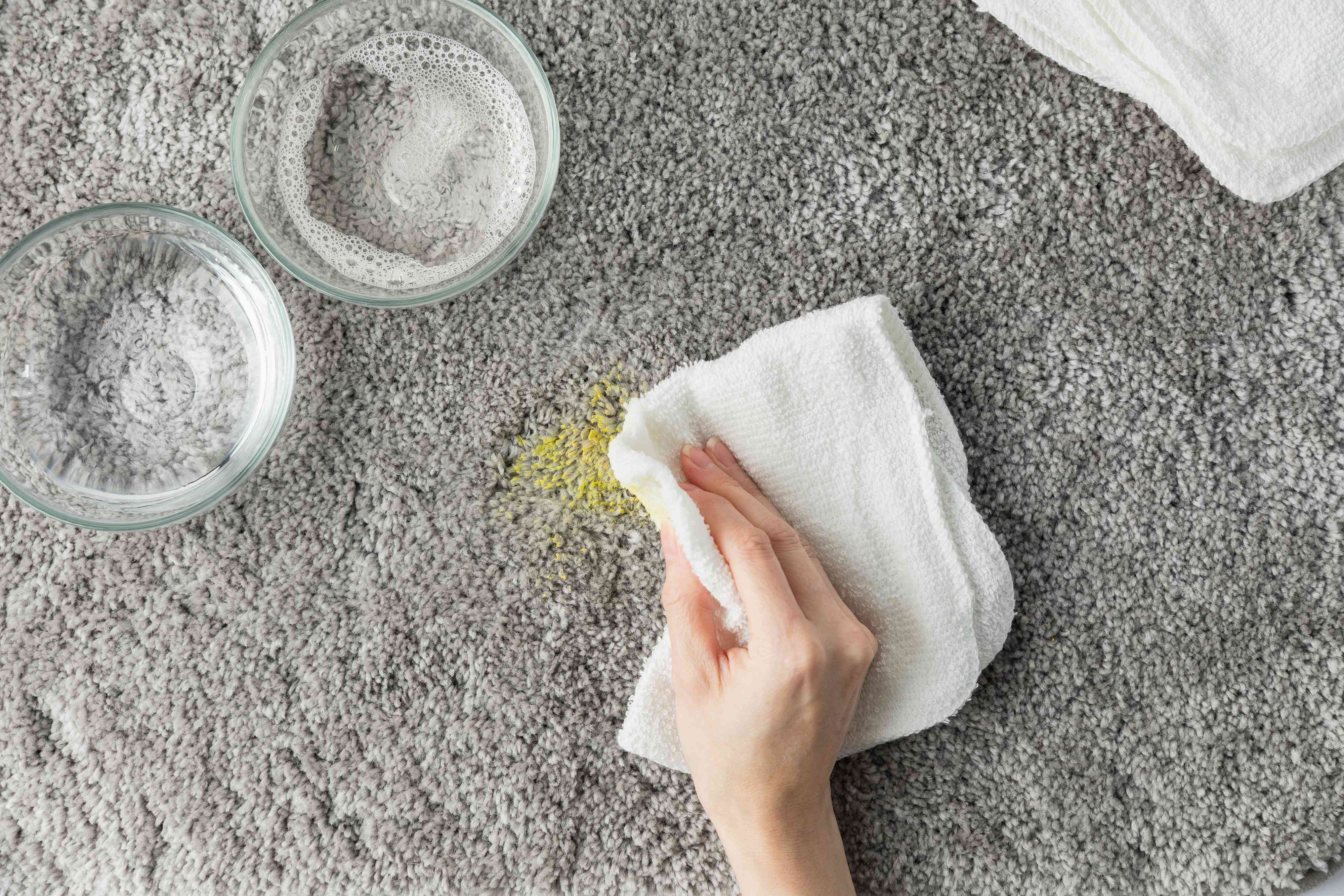
- Dampen the corner of a microfiber cloth. It should be lightly damp, not wet.
- Gently dab or rub the stained area using small motions.
- Let the shoe air-dry completely.
- Brush the suede to restore the nap.
Vinegar may temporarily darken suede while it is damp. Do not panic. Once the shoe dries, the color often returns closer to normal. However, dyed suede can be unpredictable, so always patch-test first.
When vinegar works especially well:
If your suede boots have white salt rings from winter sidewalks, brush off the dry salt first. Then use a barely damp vinegar cloth to treat the residue. Clean both shoes lightly if needed so one shoe does not look refreshed while the other looks like it survived a snowstorm and wrote a memoir about it.
4. Try Rubbing Alcohol for Ink and Tough Spots
Rubbing alcohol is another useful option because it evaporates quickly. That makes it less likely than water to soak deeply into suede. It can help with ink, dye transfer, and mystery stains that do not respond to brushing or erasing.
Best for:
Ink marks, dye transfer, dark smudges, and stubborn spot stains.
How to do it:
- Dip a cotton swab or cloth corner into rubbing alcohol.
- Blot the stain gently. Do not flood the area.
- Use a clean section of cloth as the stain lifts.
- Allow the shoe to dry naturally.
- Brush the nap back into shape.
Alcohol is powerful, so be careful with dark or brightly colored suede. Too much may affect dye. A cotton swab gives you more control for small marks. For larger stains, work slowly from the outside toward the center to avoid spreading the stain.
Pro tip:
If the stain is old, one round may not solve it. Let the shoe dry fully between attempts. Repeating a light treatment is safer than over-wetting the suede in one session.
5. Absorb Oil Stains With Cornstarch or Baking Soda
Oil stains are sneaky. They do not always look dramatic at first, but a few hours later they settle into suede like they own the place. For grease, butter, salad dressing, lotion, or food oil, powders such as cornstarch and baking soda are your best first move because they help absorb oil from the fibers.
Best for:
Oil, grease, food stains, lotion marks, and fresh wet spots.
How to do it:
- Blot any fresh oil with a clean paper towel. Do not rub.
- Cover the stain with a thick layer of cornstarch or baking soda.
- Let it sit for several hours or overnight.
- Brush away the powder gently.
- Repeat if the stain is still visible.
Cornstarch is especially good for greasy stains because it is fine, dry, and absorbent. Baking soda can also help with mild odor, which makes it useful for shoes that have experienced both food stains and foot reality. If powder remains in the nap, brush gently or use a handheld vacuum on low suction.
Important warning:
Do not mix baking soda and vinegar directly on suede to create a fizzy paste. That bubbling volcano belongs in elementary school science fairs, not on your boots. Wet pastes can leave residue and may flatten the nap.
6. Refresh Odors With Baking Soda and Air-Drying
Sometimes the outside of your suede shoes looks fine, but the inside tells a different story. Shoe odor often comes from moisture and bacteria, so the goal is to keep the interior dry and fresh. Baking soda can help absorb odor and moisture without requiring a suede cleaner.
Best for:
Odor, damp interiors, mild sweat smells, and shoes worn frequently.
How to do it:
- Sprinkle a small amount of baking soda inside each shoe.
- Let it sit overnight.
- Shake out the powder the next morning.
- Use a dry cloth or soft brush to remove remaining dust.
For extra protection, place the baking soda inside a coffee filter, thin sock, or small breathable pouch before putting it in the shoe. This keeps powder from settling into the lining, which is helpful for boots and dark interiors.
Odor prevention tips:
Rotate your shoes instead of wearing the same pair every day. Wear clean socks. Let shoes dry fully between uses. Store suede shoes in a cool, ventilated place rather than a damp closet where odors go to build a tiny civilization.
How to Handle Water Marks on Suede Shoes
Water marks are confusing because water is both the problem and sometimes part of the solution. If suede dries unevenly after rain, the edge of the wet area can leave a ring. To reduce that ring, lightly mist or dab the entire affected panel with a very small amount of clean water so the surface dries more evenly.
Use a microfiber cloth to absorb excess moisture immediately. Then stuff the shoes and let them air-dry away from heat. Once dry, brush the nap. This method requires restraint. The goal is not to wash the shoe; it is to even out the surface moisture.
What Not to Use on Suede Shoes
Knowing what to avoid is just as important as knowing what to use. Suede can be damaged by products that are perfectly fine for smooth leather or canvas.
Avoid the washing machine
Machine washing can distort shape, loosen glue, fade dye, and flatten suede texture. Your sneakers may survive, but your suede may emerge looking like it has seen things.
Avoid leather polish or conditioner
Products made for smooth leather can darken suede and make it greasy. Suede needs its nap lifted, not coated.
Avoid direct heat
Hair dryers, heaters, and direct sunlight can stiffen suede, shrink areas, or create color changes. Air-drying is slower, but it is safer.
Avoid heavy scrubbing
If a stain does not move after several gentle attempts, it may need professional care. There is no shame in calling a cobbler. There is, however, sadness in turning one small stain into a large bald patch.
How to Protect Suede After Cleaning
Once your shoes are clean and completely dry, consider applying a suede protector spray. This is not the same as a suede cleaner; it is a preventive barrier that helps reduce water and stain absorption. Test it on a hidden area first, spray from the recommended distance, and let the shoes dry before wearing them.
Regular brushing also protects suede by keeping the nap lifted and removing dirt before it becomes embedded. For storage, use shoe trees or clean paper to maintain shape. Keep suede away from damp spaces, and avoid wearing it during heavy rain, snow, or muddy adventures unless you enjoy emotional plot twists.
Quick Stain-Matching Guide
| Problem | Best Household Fix | Key Tip |
|---|---|---|
| Dry dirt or dust | Soft toothbrush or cloth | Brush when completely dry |
| Scuffs | White pencil eraser | Use gentle short strokes |
| Salt stains | White vinegar | Dab lightly, then air-dry |
| Ink or dye marks | Rubbing alcohol | Use a cotton swab for control |
| Oil or grease | Cornstarch or baking soda | Let powder sit overnight |
| Odor | Baking soda | Keep interiors dry |
Real-Life Experience: What Actually Works When Suede Gets Dirty
Here is the honest truth from the trenches of shoe care: most suede disasters look worse at first than they really are. The first reaction is usually panic, especially when the shoes are light beige, pale gray, or that beautiful camel color that seems designed specifically to attract coffee. But after cleaning many pairs at home, the biggest lesson is that slow methods win.
For example, dry brushing has saved more suede shoes than any dramatic cleaning hack. A pair of dusty tan desert boots can look tired and gray after a few city walks, but five minutes with a soft toothbrush often brings back the warm color. The trick is not to rush. Brush in one direction first to remove dirt, then use light back-and-forth strokes only after the surface debris is gone. It is oddly satisfying, like grooming a tiny luxury carpet.
The pencil eraser method is another favorite because it feels almost too simple. Small black scuffs on suede sneakers often fade within seconds. The key is using a clean eraser. One time, using an old eraser from a desk drawer left more residue than it removed, which was a humbling reminder that “household hack” does not mean “grab the nearest object and hope.” Clean tools matter.
White vinegar is the method that makes people nervous, but it can be incredibly helpful for salt stains and stubborn marks. The important part is moisture control. A cloth should be barely damp. If you press it and liquid drips, it is too wet. After vinegar treatment, suede may look darker and slightly alarming while damp. Let it dry before judging the result. Many shoes look patchy halfway through the process and surprisingly normal the next morning.
Oil stains require the most patience. Cornstarch does not always erase grease instantly, but it often lightens it significantly overnight. Fresh stains respond best. If salad dressing lands on your suede loafer, blot first, then bury the spot in cornstarch like you are hiding evidence. Brush it off later and repeat if needed. Old oil stains are harder, and sometimes they become permanent shadows. That is not failure; that is suede being suede.
Baking soda for odor is practical, but it works best when paired with better habits. Shoes need rest days. Wearing the same suede sneakers every day traps moisture inside, especially in warm weather. Rotating pairs, wearing breathable socks, and letting shoes air out overnight make a bigger difference than any one cleaning trick. A small baking soda pouch inside each shoe overnight is cleaner than sprinkling loose powder everywhere, especially if the lining is dark.
The final experience-based tip is simple: clean the whole visible panel when possible, not just one tiny spot. Spot-cleaning a small area can sometimes leave a cleaner circle that stands out. Lightly brushing or refreshing the surrounding area helps the finish look even. Suede is all about texture and light reflection, so consistency matters.
In short, cleaning suede shoes without suede cleaner is not about one miracle ingredient. It is about choosing the right gentle method for the stain, using as little moisture as possible, letting the shoes dry naturally, and restoring the nap afterward. Treat suede kindly, and it will forgive more than you think.
Conclusion
You do not need a fancy suede cleaner every time your shoes pick up a scuff, stain, or suspicious sidewalk souvenir. A soft brush, clean eraser, white vinegar, rubbing alcohol, cornstarch, and baking soda can handle many common suede problems when used carefully. The secret is to keep suede dry whenever possible, avoid heavy scrubbing, test first, and restore the nap after cleaning.
Suede may be delicate, but it is not helpless. With the right approach, your favorite shoes can go from “oops” to “outfit-ready” without a professional cleaning bill. And yes, you can absolutely feel smug about saving them with things you already had at home.