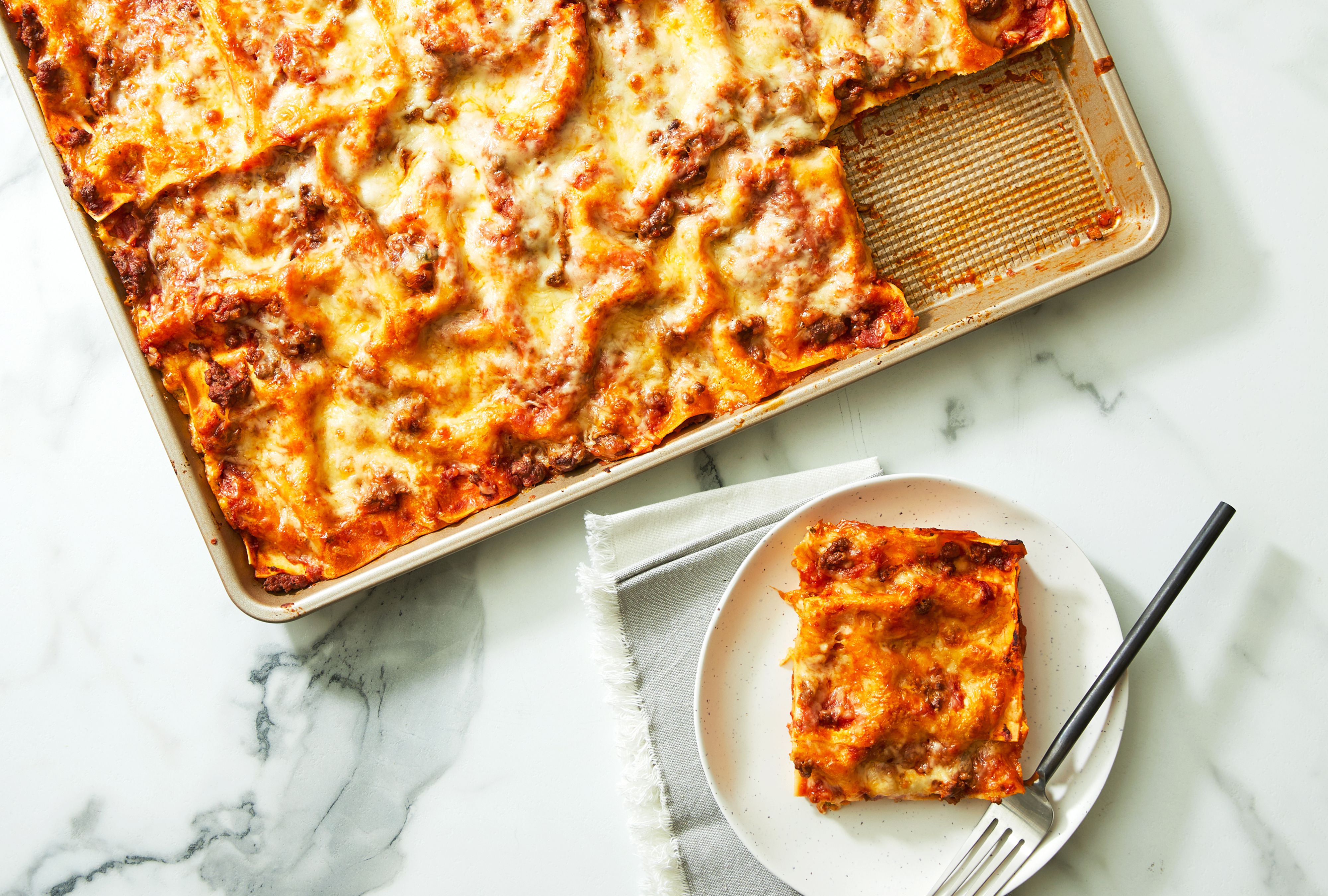

Lasagna is one of those dishes that walks into a room like it pays rent there. It is cozy, dramatic, cheesy, and somehow still manages to feel like a celebration even when you are wearing socks that do not match and cooking on a Tuesday. The beauty of a great lasagna is not just the bubbling top or those golden corner pieces that mysteriously disappear first. It is the way the layers work together: sauce, cheese, pasta, filling, repeat, and suddenly dinner has a plot.
That is exactly why creative lasagna recipes are so much fun. Once you understand the structure, you can build flavor in almost any direction. You can go rich and meaty, bright and herbaceous, creamy and white-sauced, or vegetable-heavy without turning the pan into a watery tragedy. The trick is balance. A strong sauce, a thoughtful cheese layer, and fillings that bring flavor without flooding the dish make all the difference.
In this guide, you will find seven creative lasagna recipes with layers of flavor that go beyond the standard red-sauce routine. Some are weeknight-friendly, some are dinner-party worthy, and all of them are designed to taste like you know exactly what you are doing in the kitchen, even if you are mostly powered by optimism and grated Parmesan. Along the way, you will also get practical layering tips, smart ingredient ideas, and a long-form reflection on why lasagna has such a hold on home cooks in the first place.
Why Creative Lasagna Works So Well
Lasagna is more flexible than many people give it credit for. At its core, it is a layered baked pasta. That means the format can support a huge range of ingredients as long as each layer has a job. Sauce keeps the pasta tender. Cheese provides richness and structure. Fillings add contrast, personality, and the kind of flavor that makes people go back for “just a little square,” then return with a plate that looks suspiciously less little.
The biggest secret behind flavorful lasagna is moisture management. If you load the pan with raw vegetables, thin sauce, and heroic amounts of cheese, you are not making lasagna. You are making a hot, delicious puddle. Great creative lasagna keeps wet ingredients in check, uses concentrated flavors, and builds layers that can hold their shape after baking. That is why roasted vegetables, sautéed greens, thick sauces, and well-seasoned cheese fillings work so beautifully.
Another reason these recipes shine is contrast. Lasagna gets more interesting when creamy meets tangy, rich meets fresh, and soft layers meet crisp edges. A little pesto can wake up a mushroom filling. Lemon zest can brighten a creamy chicken lasagna. Brown butter and sage can turn squash into something that tastes like fall showed up wearing its best sweater.
1. Roasted Vegetable and Whipped Ricotta Lasagna
A colorful, crowd-pleasing vegetarian option
This is the lasagna for people who want comfort food with a little swagger. Roasted zucchini, bell peppers, mushrooms, and onions bring concentrated flavor because the oven cooks off extra moisture and deepens their sweetness. That matters. Vegetables that taste like themselves are great. Vegetables that taste like themselves but louder are what this dish needs.
Instead of a heavy ricotta layer, try whipped ricotta mixed with Parmesan, egg, garlic, and a pinch of nutmeg. The texture becomes smoother and spreads more easily, so every bite feels creamy instead of clumpy. Layer the roasted vegetables with a thick marinara, mozzarella, and noodles, then finish with extra Parmesan on top for color and bite.
This version works especially well when you want a meatless main dish that still feels substantial. Serve it with a crisp green salad and garlic bread if you want applause. Flavor-wise, it lands in the sweet spot between hearty and fresh. The vegetables add natural sweetness, the marinara keeps everything grounded, and the whipped ricotta makes the whole thing feel just a little bit fancy without requiring a culinary degree.
2. Spicy Sausage, Spinach, and Béchamel Lasagna
For people who believe comfort food should have a little attitude
If classic lasagna had a bold cousin, this would be it. Italian sausage brings depth, spice, and richness that plain ground beef cannot always match on its own. Add sautéed spinach for color and balance, then bring in a silky béchamel to soften the edges and tie everything together. Suddenly the whole pan tastes deeper, rounder, and far more dramatic.
The key here is restraint. You do not need to drown the layers in white sauce. A few strategic spreads of béchamel between the tomato-based sausage sauce and noodles give the lasagna a creamy backbone without making it feel heavy in a sleepy, food-coma way. Spinach should be cooked down and squeezed dry before layering so it enhances the filling instead of watering it down.
Use mozzarella for melt, Parmesan for sharpness, and a little red pepper if you want to push the heat. This is the kind of lasagna that tastes even better the next day, when the layers settle and the flavors get cozy with one another. It is rich, yes, but not reckless. There is a difference, and your baking dish knows it.
3. Chicken Alfredo, Broccoli, and Lemon Zest Lasagna
A creamy white lasagna that still feels bright
White lasagna can sometimes lean so rich that one slice feels like a commitment. This version avoids that trap by building in freshness. Tender shredded chicken, small broccoli florets, Alfredo-style sauce, mozzarella, and ricotta create the creamy comfort you want, while lemon zest and black pepper keep the whole dish from becoming too sleepy.
Cook the broccoli just enough to take off the raw edge, but do not steam it into sadness. It should still have some bite when it goes into the layers, because it will continue cooking in the oven. For the sauce, use a creamy base that is thick enough to cling to the noodles. A thin sauce here will run wild and take the whole structure with it.
What makes this recipe memorable is the contrast between richness and lift. The chicken makes it satisfying, the broccoli adds texture, and the lemon quietly wakes everything up. It is especially good for people who love fettuccine Alfredo but want something more interesting than a bowl of pasta wearing a heavy coat.
4. Pesto, Mushroom, and Mozzarella Lasagna
Earthy, herbaceous, and just a little showy
Pesto is one of the easiest ways to make lasagna taste different without making it weird. In this version, mushrooms bring savory depth, mozzarella provides that classic pull, and spoonfuls of pesto thread basil, garlic, and nuttiness through the whole pan. It tastes like a garden and a cheese shop decided to collaborate.
Start with mushrooms cooked until they release their moisture and begin to brown. This step is non-negotiable unless you enjoy soggy layers and disappointment. A mixture of cremini and button mushrooms works well, though you can absolutely use something fancier if you are feeling ambitious. Layer them with a light tomato sauce or a creamy white sauce, depending on how bold you want the pesto to feel.
The smartest move is not overusing the pesto. A few thin streaks between layers create bright pockets of flavor without overwhelming the dish. Too much and the lasagna starts shouting. The goal is harmony, not an herb ambush. When done right, this recipe tastes rich and earthy at first, then finishes fresh and aromatic.
5. Butternut Squash, Sage, and Brown Butter White Lasagna
The fall dinner that makes everyone suddenly speak in adjectives
This is comfort food with candlelight energy. Roasted butternut squash brings sweetness and body, while brown butter and sage deliver that toasted, nutty aroma that makes a kitchen smell like good decisions. Add a creamy white sauce, mozzarella, and a little Parmesan, and you have a lasagna that feels elegant without becoming precious.
The squash can be mashed lightly or left in soft chunks, depending on the texture you want. A little black pepper and nutmeg deepen the flavor, while sage keeps the sweetness from drifting too far into dessert territory. This is still dinner, not pumpkin pie’s pasta-loving cousin.
Because the ingredients are naturally soft, structure matters. Keep the sauce thick, do not overdo the cheese, and let the baked lasagna rest properly before slicing. The reward is a pan of creamy, golden layers with savory depth and just enough sweetness to feel luxurious. It is ideal for holidays, dinner parties, or any evening when a regular weeknight meal feels far too humble.
6. Skillet Lasagna with Crispy Edges and Weeknight Energy
Fast, satisfying, and blessed with maximum corner pieces
Traditional lasagna is wonderful, but sometimes you need a version that respects the fact that it is 6:17 p.m. and everyone is hungry enough to consider cereal a main course. Skillet lasagna answers that call. Instead of perfectly stacked noodles, you break the pasta into rustic pieces, simmer it with sauce, then layer in cheese and finish everything in the oven or under the broiler.
What you lose in formal architecture, you gain in speed and crispy edges. A cast-iron skillet creates browned corners and bubbling pockets of cheese that taste suspiciously like the best part of a full pan. Ground sausage or beef works beautifully here, but you can also make it vegetarian with mushrooms and spinach.
This is a great creative lasagna recipe because it proves the format matters less than the flavor logic. You still want a thick sauce, a creamy cheese component, and enough rest time for the dish to settle slightly. It is less fussy, more forgiving, and exactly the kind of dinner that makes weeknights feel less like survival and more like actual living.
7. Zucchini Ribbon and Three-Cheese Summer Lasagna
Lighter, brighter, and still deeply comforting
When the weather is warm, a heavy meat lasagna can feel like wearing a wool coat to the beach. That is where this zucchini ribbon version shines. Thin strips of zucchini step in for some of the noodle layers, reducing heaviness while adding freshness and color. The result is still satisfying, just less dense and more lively.
The secret is salting or roasting the zucchini first so it gives up some moisture. Otherwise, the pan can turn watery fast. Pair the ribbons with ricotta, mozzarella, Parmesan, and a clean tomato sauce, then add basil or parsley for a fresh finish. You can keep a few traditional noodles in the mix for structure, which helps the dish still feel like real lasagna instead of a vegetable casserole wearing pasta’s name tag.
This version is especially good for summer gatherings, potlucks, and those nights when you want baked pasta but not total hibernation. It tastes lighter, looks gorgeous when sliced, and lets the cheese shine without burying the whole dish under heaviness. In other words, it is lasagna with a little breeze built in.
How to Build Better Lasagna Every Time
Start with a smart base
Always begin with a thin layer of sauce on the bottom of the dish. This keeps the noodles from sticking and helps the first layer cook evenly. It is a tiny step with major payoff, like preheating the oven or pretending you meant to buy that extra block of cheese.
Control moisture like a professional
Cook mushrooms until browned, roast watery vegetables, and squeeze excess liquid from spinach. Great lasagna is not just about flavor. It is about structure. If your fillings are too wet, the layers slide and the slices collapse.
Use cheese with purpose
Ricotta adds body, mozzarella adds melt, Parmesan adds punch, and béchamel adds silkiness. You do not need all of them in every recipe, but each should bring something useful. Cheese should support the lasagna, not bury it.
Let it rest before slicing
This part is hard. It smells amazing, the top is bubbling, and everyone is hovering. Still, give it at least 10 to 20 minutes. Resting helps the layers settle, which means cleaner slices and less lava-like cheese runoff.
The Real-Life Experience of Making Creative Lasagna
There is a reason lasagna has survived every food trend, every low-carb phase, and every moment when someone in the kitchen confidently says, “We should probably just order takeout.” Lasagna is not just dinner. It is an event disguised as a casserole. When you make one from scratch, especially a creative version, you are doing more than assembling ingredients. You are building anticipation. The sauce simmers. The cheese mixture gets seasoned. The vegetables roast. The noodles wait their turn like little edible shingles. The whole process feels less like cooking and more like setting a stage.
What makes creative lasagna especially satisfying is the sense that you get to solve a delicious puzzle. A standard lasagna is comforting because it is familiar. A creative lasagna is comforting because it is personal. Maybe you use leftover roasted vegetables from the night before. Maybe you add pesto because basil is everywhere in your kitchen. Maybe you make a white lasagna with chicken and broccoli because someone at the table does not love red sauce and should still get to experience joy. Each choice changes the mood of the dish while keeping the structure that makes lasagna feel dependable.
There is also something deeply rewarding about how lasagna improves with thoughtfulness. When you dry the spinach properly, the final texture is better. When you cook mushrooms until they are browned instead of pale and crowded, the flavor gets richer. When you let the baked pan rest instead of cutting into it like an action hero, the slices hold together beautifully. Lasagna rewards patience in a way many fast meals do not. It basically says, “Thank you for your effort; here is a perfect cheesy square.” That is a lovely relationship to have with food.
Then there is the social side. Lasagna is one of the few dishes that can make a regular dinner feel generous. It feeds a crowd, reheats well, and rarely looks stingy on a plate. Bring a creative lasagna to a family gathering, and people immediately want to know what is in it. Mention brown butter and sage, or pesto and mushrooms, or zucchini ribbons, and suddenly everyone is leaning in like you have revealed state secrets. A good lasagna starts conversations. A creative one starts recipe requests.
Maybe that is the best part of all. Lasagna has room for personality. It can be rustic, elegant, weeknight-fast, or holiday-worthy. It can be the thing you make to clean out the fridge or the centerpiece you plan a whole menu around. No matter which version you choose, the experience usually ends the same way: an empty pan, a lot of compliments, and one person scraping the crispy corner piece while pretending to “help clean up.” Honestly, that may be the highest culinary honor of them all.
Conclusion
The best creative lasagna recipes do not abandon tradition. They build on it. Once you understand how flavor, moisture, and layering work together, the possibilities open up in the most delicious way. Roasted vegetables can become rich and savory. Sausage and béchamel can add bold depth. Pesto can lift mushrooms, lemon can brighten chicken, and zucchini can make a summer lasagna feel lighter without sacrificing comfort.
If you love baked pasta, these seven ideas give you plenty of ways to make lasagna feel new again while keeping everything people already adore about it. It is still cheesy. It is still comforting. It still makes your kitchen smell like someone in the house knows what they are doing. It just has a little more imagination in every layer.