
Note: Product finishes, dimensions, availability, and electrical specifications may change. Confirm current manufacturer details and local electrical requirements before purchasing or installing a fixture.
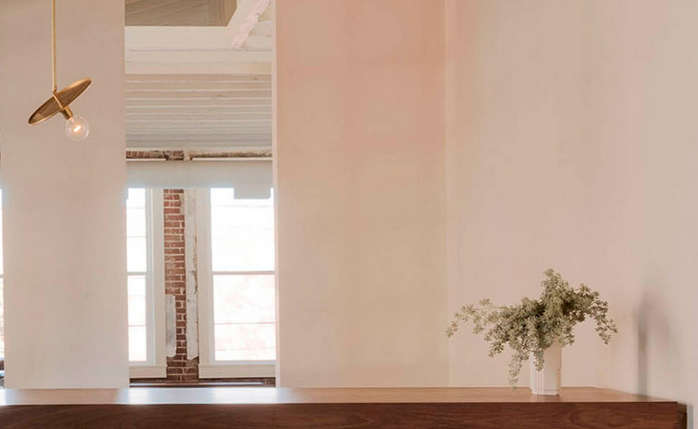
Minimalist brass pendants occupy a particularly pleasant corner of interior design. They are warm without being overly traditional, decorative without demanding a standing ovation, and shiny enough to wake up a neutral room without making it look like a jewelry counter.
The best examples rely on proportion, material, and light rather than ornamental gymnastics. A slim brass rod, an opal glass globe, or a carefully shaped metal shade may be all it takes to turn an ordinary ceiling connection into the most memorable detail in the room.
Below are seven standout minimalist brass pendants for kitchens, dining rooms, entryways, bedrooms, and other spaces that could use a little architectural glow. The list includes refined lanterns, sculptural globes, adjustable task lights, and quiet fixtures that prove minimalism does not have to feel cold.
Why Minimalist Brass Pendant Lights Work So Well
Brass brings visual warmth to the clean geometry associated with modern pendant lighting. Where chrome can feel crisp and black metal can look graphic, brass tends to soften an interior. It pairs naturally with white oak, walnut, marble, soapstone, painted cabinetry, plaster walls, and nearly every shade of green currently occupying kitchen mood boards.
Minimalist fixtures also give brass room to breathe. Instead of covering the metal with flourishes, a pared-back design emphasizes the finish itself: brushed, satin, natural, burnished, polished, or aged. That distinction matters. Polished brass behaves like a small mirror, while brushed or satin brass produces a quieter glow. Unlacquered natural brass may gradually develop a patina, creating a finish that looks less showroom-perfect and more collected over time.
The practical advantage is versatility. A streamlined brass ceiling light can complement midcentury furniture, soften an industrial kitchen, add polish to a farmhouse table, or introduce warmth into a stark contemporary room. It is the design equivalent of the guest who gets along with everyone and somehow never overstays.
Our Seven Favorite Minimalist Brass Pendants
1. Alfred Pendant by Schoolhouse
The Alfred Pendant begins with the familiar idea of an old oil lantern and removes nearly everything that would make it feel fussy. Its natural brass framework uses simple wire detailing and stacked geometric elements around an etched glass shade. The result feels nostalgic at first glance but unmistakably modern once it is in a room.
The frosted glass softens the bulb and produces an atmospheric glow rather than a hard point of light. That makes Alfred especially appealing above a dining table or in an entryway, where people will see the fixture from several directions. It has enough visual presence to anchor the space, yet its open framework prevents it from becoming a heavy brass cage hovering over dinner.
This is the choice for someone who wants minimalist lighting with a trace of history. It would work beautifully with Shaker cabinetry, vintage dining chairs, contemporary art, or a room that contains all three because its owner has excellent taste and several browser tabs open.
2. Blair 10-Inch Pendant by Rejuvenation
The Blair 10-Inch Pendant combines a brass fixture with a smooth cased-white glass shade. Inspired by French industrial lighting from the 1940s, it has clean lines and a compact geometric silhouette that looks tailored rather than severe.
Its smaller scale makes it a strong candidate for kitchen island lighting. Two or three Blair pendants can create rhythm above a long counter without turning the ceiling into a lighting showroom. The white glass also hides the bulb, reducing glare and giving the pendant a polished appearance from every angle.
Blair is particularly effective in kitchens where several finishes already compete for attention. Stainless appliances, stone counters, painted cabinets, wood stools, and cabinet hardware can create quite a material conference. The brass-and-white combination enters that meeting, says something sensible, and leaves everyone calmer.
3. Grace Rod Pendant by Cedar & Moss
The Grace Rod Pendant offers a more delicate interpretation of brass lighting. Inspired by early French electric fixtures, it features a slender rod and understated vintage detailing. Depending on the selected configuration, it can be used with an exposed decorative bulb or paired with a glass shade.
That flexibility gives Grace an unusually broad personality range. With clear glass, it feels airy and architectural. With opal glass, it becomes softer and more intimate. With an exposed globe bulb, it leans slightly more industrial, although choosing the wrong bulb can make it resemble a temporary construction light wearing expensive shoes.
Grace is well suited to bedside placement, a breakfast nook, a powder room, or a small kitchen island. Its narrow silhouette makes it useful when the ceiling needs detail but the room cannot comfortably support a large shade. It also works well in multiples because the rod creates a crisp vertical line without adding much visual mass.
4. Aria 12-Inch Pendant by Allied Maker
The Aria 12-Inch Pendant translates the functional character of midcentury workshop lighting into a more refined sculptural object. Its domed shade directs light downward through a flat glass diffuser, while an acrylic glass rod helps send illumination upward into the room.
This combination of downlight and uplight is especially useful in dining areas. The downward component illuminates the table, while the upward glow helps prevent the surrounding ceiling from disappearing into darkness. It creates atmosphere without leaving diners to identify their vegetables by touch.
Aria is a good choice for interiors that favor substantial materials and precise construction. The dome feels architectural, but the glass elements keep it from looking bulky. It can hold its own above a round dining table, a compact island, or a central hallway without requiring additional decorative clutter nearby.
5. Industrial Pendant by Workstead
Workstead’s Industrial Pendant is minimalism with a mechanical wink. The fixture consists of a slender metal rod, a glowing porcelain bulb, and a circular reflective disc that can pivot. Rather than relying on a conventional shade, it uses the disc to redirect and shape the light.
The adjustable element makes the fixture feel interactive. The disc may be positioned to bounce light downward, angle it across the room, or create a more dramatic composition. That versatility is valuable above a dining table, in a reading corner, or within a commercial-style kitchen where task lighting and visual character need to coexist.
This pendant is best for someone who enjoys objects that reveal how they work. Nothing is hidden behind a large shade. The rod, bulb, and reflector remain visible, turning the basic mechanics of illumination into the design itself. It is simple, but not silent.
6. IC S Pendant Light by FLOS
Designed by Michael Anastassiades, the IC S Pendant creates the illusion of an opal glass sphere balancing against a slim metal frame. In the brass finish, the design becomes both graphic and warm: a glowing globe intersected by a clean golden line.
The fixture is recognizable without being visually loud. Its opal glass diffuser produces broad, soft illumination, while the asymmetrical support gives the pendant enough tension to function as a sculptural focal point. It is especially effective in rooms with simple furniture, where the silhouette can be appreciated without fighting a chandelier, patterned ceiling, and seventeen decorative baskets for attention.
Use one over a round table or reading area, or install several at different heights in a stairwell or tall entry. The IC S Pendant is also a smart bridge between modern and traditional interiors. The globe is timeless; the balancing act is unmistakably contemporary.
7. Milne Small Pendant by Visual Comfort
The Milne Small Pendant pairs an angular milk-glass shade with a slim supporting rod and simple circular canopy. In satin brass, it becomes a clean modern interpretation of classic schoolhouse lighting.
The shade is more geometric than a standard globe, giving Milne a distinctive profile without sacrificing versatility. Milk glass diffuses the light, making it useful in kitchens, breakfast areas, hallways, and bedrooms where a bare bulb might feel uncomfortably bright.
Milne is the quietest fixture on this list, and that is precisely its strength. It does not need an enormous shade or complicated framework to look intentional. Install a pair above a peninsula, place one over a small dining table, or use matching pendants on either side of a bed to free the nightstands from bulky lamps.
How to Choose the Right Brass Finish
Not every gold-colored fixture is made or finished in the same way. Product descriptions may use terms such as natural brass, satin brass, brushed brass, burnished brass, antique brass, or aged brass. These finishes can differ significantly under real household lighting.
Polished Brass
Polished brass is bright, reflective, and formal. It catches daylight and produces stronger highlights, so even a small pendant can attract attention. Fingerprints and smudges may also be more visible, which is the universe gently reminding us that beauty usually arrives with a cleaning cloth.
Brushed or Satin Brass
Brushed and satin finishes scatter reflections, creating a softer and more contemporary appearance. They are generally easier to combine with matte cabinet hardware and understated interiors. This is often the safest finish when the pendant needs warmth without obvious shine.
Natural or Unlacquered Brass
Natural brass may change as it is exposed to air, moisture, and handling. Its evolving patina can add depth and character, but buyers who expect a permanently uniform golden surface should check whether the fixture is lacquered or sealed before purchasing.
Getting the Scale and Hanging Height Right
A beautiful pendant can still look awkward when it is too small, too large, or suspended at forehead level. Before ordering, mark the proposed fixture diameter with painter’s tape or make a rough cardboard template. A balloon tied to a string can also help visualize the volume of a pendant without requiring advanced engineering or a commitment to helium.
Above a dining table or countertop, the bottom of a pendant commonly sits approximately 30 to 36 inches above the surface. Treat that range as a starting point rather than a constitutional amendment. Taller family members, ceiling height, shade transparency, and the view across the table should all influence the final position.
For a dining table, a single fixture often looks balanced when its diameter is roughly one-half to two-thirds of the table’s width. With multiple pendants, repeat the spacing carefully. Equal gaps create calm; nearly equal gaps create the nagging sensation that something is wrong, even when nobody can explain why.
Choosing Bulbs for a Warm Brass Pendant
Bulb selection determines whether a brass fixture looks rich and inviting or strangely green at 7:00 p.m. For most living and dining spaces, a warm-white LED around 2700K creates a comfortable glow that complements wood, textiles, and brass. A 3000K bulb can feel slightly cleaner and may suit kitchens where stronger task lighting is useful.
Brightness should be evaluated in lumens rather than by assuming wattage tells the whole story. Also check color rendering. An LED with a color rendering index of at least 80 is generally suitable for interiors, while a CRI of 90 or higher can make food, finishes, artwork, and skin tones appear more accurate.
If the fixture is dimmable, confirm that the LED bulb and wall dimmer are compatible. Otherwise, the romantic dinner setting may include buzzing, flickering, or a light that jumps directly from airport runway to haunted attic.
Styling Minimalist Brass Pendants Without Overdoing It
Brass does not require every metal in the room to match. In fact, combining finishes often creates a more natural interior. A brass pendant can coexist with black window frames, stainless appliances, bronze cabinet pulls, or chrome plumbing fixtures when the overall palette feels deliberate.
Repeat brass selectively. A faucet, picture frame, furniture detail, or small group of cabinet pulls may be enough to connect the pendant to the rest of the space. Repeating it everywhere can make the room feel coordinated in the same way a matching tracksuit is coordinated: technically successful, but perhaps too committed.
For maximum contrast, hang brass against dark paint, green cabinetry, or warm gray plaster. For a quieter look, pair it with cream walls, pale oak, linen, and opal glass. Clear glass creates sparkle and exposes the bulb, while frosted or milk glass makes the light softer and usually easier on the eyes.
Real-World Experiences With Minimalist Brass Pendants
Living with a brass pendant teaches lessons that a polished product photograph rarely mentions. The first is that scale feels different in person. A fixture that appears enormous on a retail page may look surprisingly modest over an eight-foot island. Conversely, a wide metal shade can dominate a breakfast nook that seemed generously sized on the floor plan. Mocking up the diameter before ordering is one of those five-minute tasks that can prevent a five-week return adventure.
The second lesson concerns glare. Clear glass pendants look beautifully weightless during the day, but at night the visible bulb becomes the main event. A decorative filament bulb at full brightness can feel like dining beside a tiny sun. Many homeowners solve this with a lower-lumen bulb, a warm dim-to-warm LED, or a frosted globe. Others discover that opal glass was the sensible answer all along and quietly stop mentioning the clear version saved in their inspiration folder.
Installation height also tends to evolve. People often hang pendants too high because they are afraid of blocking sightlines. After living with the fixture, they realize it looks disconnected from the table and lowers it several inches. The best position usually creates a visual relationship with the furniture below while still allowing comfortable conversation across the surface.
Natural brass brings another surprise: change. A living finish can darken unevenly around edges, screws, and areas that are frequently touched. Some people love the patina because it makes the fixture feel less manufactured. Others prefer a consistent finish and periodically polish it. Neither preference is wrong, but knowing whether a pendant is sealed, lacquered, plated, or unlacquered can prevent disappointment.
Homeowners also learn that pendant lighting works best as part of a layered plan. Even a gorgeous brass fixture may not provide enough illumination for an entire kitchen. Recessed lights, under-cabinet lighting, sconces, and portable lamps can handle general and task lighting while the pendant creates focus and atmosphere. Asking one decorative fixture to do everything is unfair. It is a lamp, not an unpaid intern.
Finally, minimalist designs are less forgiving of careless installation. When a fixture consists of one rod, one globe, and one canopy, every alignment becomes visible. A slightly crooked rod or off-center ceiling box can attract the eye immediately. Professional installation may be worthwhile, particularly when moving electrical boxes, working with heavy fixtures, installing on sloped ceilings, or arranging several pendants in a precise row.
Once those details are handled, a minimalist brass pendant often becomes one of the room’s most enduring elements. Furniture moves, paint colors change, and somebody eventually decides the open shelves were a mistake, but a well-proportioned brass light can remain relevant through multiple versions of the space.
Conclusion: Small Fixture, Major Atmosphere
The appeal of minimalist brass pendants lies in their restraint. They use a limited vocabularymetal, glass, geometry, and lightbut the best designs say plenty. The Alfred offers streamlined lantern character, Blair delivers compact industrial polish, Grace brings delicate customization, Aria balances uplight and downlight, Workstead’s Industrial Pendant adds movement, the IC S Pendant turns balance into sculpture, and Milne proves quiet design can still be memorable.
Choose the fixture according to the room’s scale, the type of light required, and the brass finish you are prepared to live with. Then select a warm, high-quality LED, install the pendant at a sensible height, and let it do what excellent minimalist design does best: improve the entire room while making the result look almost effortless.