
If you’ve ever looked at a mascara brush and thought, “Well, that little fuzz-covered porcupine has seen things,” you are not alone. Mascara brushes collect product, skin oils, lint, dust, and whatever else decides to join the party in your makeup bag. Over time, that buildup can make lashes look clumpy, scratchy, and less “soft glam” and more “I fought a fan and lost.”
Learning how to clean a mascara brush is one of those tiny beauty habits that pays off fast. A clean spoolie can separate lashes better, groom brows more neatly, and help reduce the gunk factor around your eyes. It also makes your tools feel less like mystery objects from the bottom of a purse and more like actual beauty tools you meant to own on purpose.
That said, let’s get one important thing straight before we start scrubbing. If the mascara itself is old, dried out, smells weird, or was used while you had an eye infection, a stye, or serious irritation, cleaning the brush alone is not enough. At that point, the smartest move is to toss the product and start fresh. Clean tools are great. Clean tools dipped back into questionable mascara? That is just chaos with extra steps.
Why It’s Worth Cleaning a Mascara Brush
A mascara brush sits incredibly close to your eyes, which are not known for loving bacteria, flaky product, or rough bristles. Even if you only use a brush for brows or lash separation, leftover pigment and debris can build up fast. The result is usually a sad little wand that no longer glides, separates, or shapes the way it should.
Cleaning a mascara brush can help with a few very practical things:
- It removes dried mascara that causes clumps and stiffness.
- It helps reusable spoolies stay softer and more precise.
- It reduces the chance of dragging old residue near the eye area.
- It makes brow grooming and lash combing look cleaner and more polished.
- It extends the useful life of reusable spoolie brushes.
In other words, cleaning your mascara brush is not just a beauty-extra move for people with color-coded vanity drawers. It is a simple hygiene habit that makes your tools work better and feel better.
Before You Start: Know Which Brush You’re Cleaning
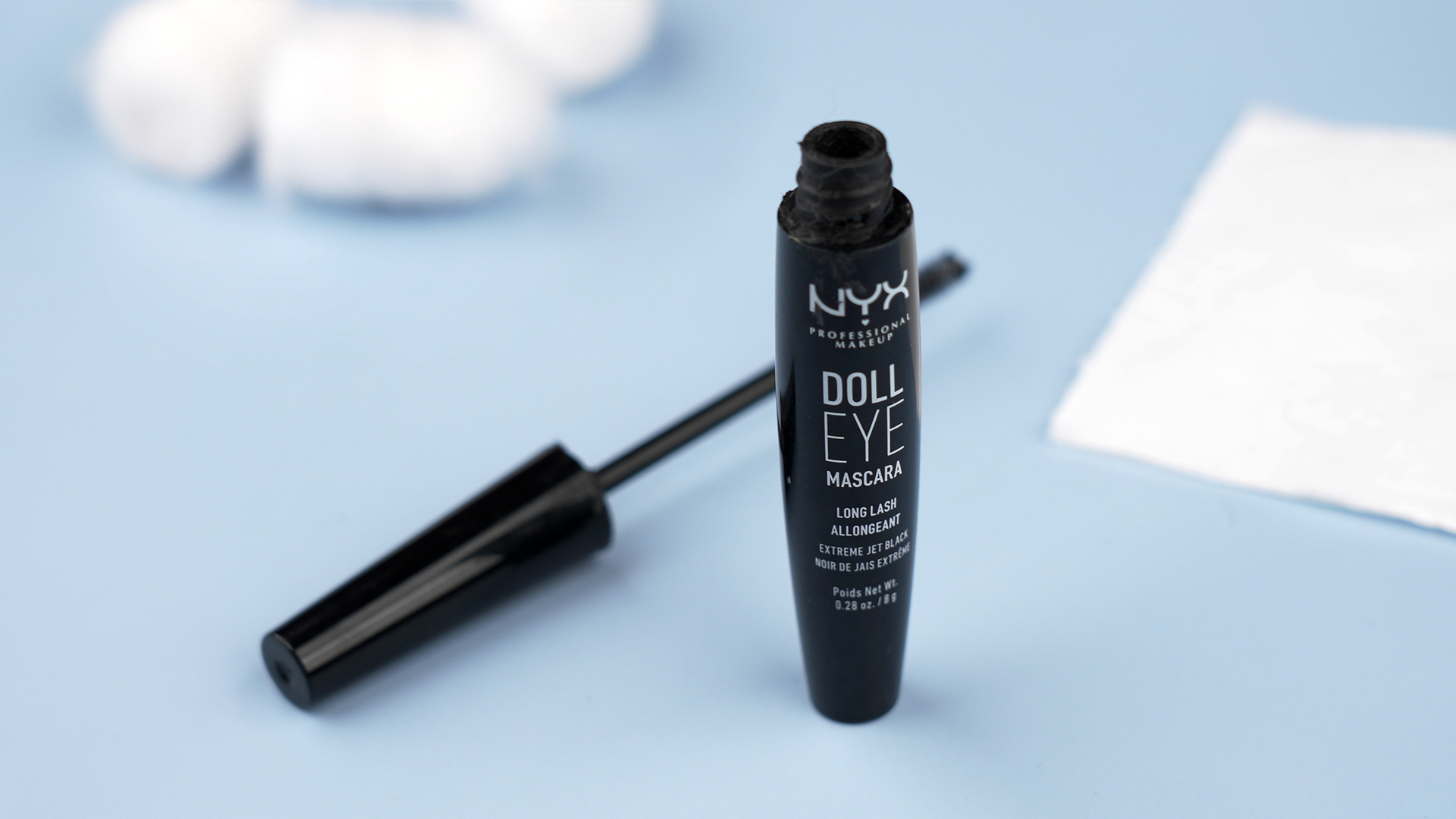
There are really two versions of this topic. The first is a reusable spoolie brush, like the one you use for brows, lash separation, or applying a product from a palette. The second is the mascara wand attached to the tube. You can clean both, but not in exactly the same way.
Reusable spoolies are easier. You can wash, rinse, sanitize, and air-dry them like other makeup tools. Mascara wands attached to a tube are trickier because even if you wipe the brush clean, the formula inside the tube may still be old or contaminated. So treat attached mascara brushes as quick-clean candidates, not full rehabilitation projects worthy of a reality-TV makeover.
What You’ll Need
- Warm water
- Gentle soap, baby shampoo, or brush cleanser
- A clean towel or paper towel
- A small cup or shallow dish
- Optional: micellar water or oil-free makeup remover
- Optional: rubbing alcohol for quick sanitizing on synthetic reusable spoolies
- Optional: a brush-cleaning mat or the palm of your hand
Now let’s get into the seven best ways to clean a mascara brush without turning your bathroom sink into a low-budget beauty crime scene.
1. Wash It With Gentle Soap and Warm Water
Best for everyday cleaning and reusable spoolies
This is the classic method because it works. Run the bristles under lukewarm water, add a tiny drop of gentle soap, and work the brush in your palm until the residue loosens. Then rinse until the water runs clear. If you see black streaks at first, congratulations, your brush has been living a secret second life.
Use only a small amount of cleanser. Too much soap can take forever to rinse out, and nobody wants to spend ten minutes negotiating with a spoolie. Once it is clean, blot it gently with a towel and lay it flat to dry. Flat drying helps the brush keep its shape and prevents water from pooling where it should not.
This method is ideal for a regular spoolie you use on brows or as a clean lash comb. It is simple, affordable, and surprisingly satisfying.
2. Use Baby Shampoo or a Mild Shampoo
Best for soft synthetic bristles that need a gentle clean
If you do not have a dedicated makeup brush cleanser, baby shampoo or a mild shampoo is a solid backup. Put a drop in a dish or on your palm, add a little warm water, and swirl the mascara brush through it. Work the shampoo through the bristles with your fingers, then rinse thoroughly.
The reason this works so well is that mild shampoos help break down oil and cosmetic residue without being too harsh on synthetic fibers. A harsh cleanser can leave a brush feeling stiff or oddly squeaky, which is not the kind of clean anyone asked for.
Just make sure the shampoo is gentle and not heavily conditioning. Super-rich formulas can leave a residue behind, which defeats the whole point. You want the brush clean, not moisturized like it is headed to a spa weekend.
3. Try a Dedicated Makeup Brush Cleanser
Best for makeup lovers who want faster, more targeted cleaning
A dedicated brush cleanser is built to break down pigment, oils, and makeup residue, so it can be especially handy for mascara brushes that collect stubborn product. You can use a liquid cleanser with water for a deep clean or a quick-drying spray for a faster refresh.
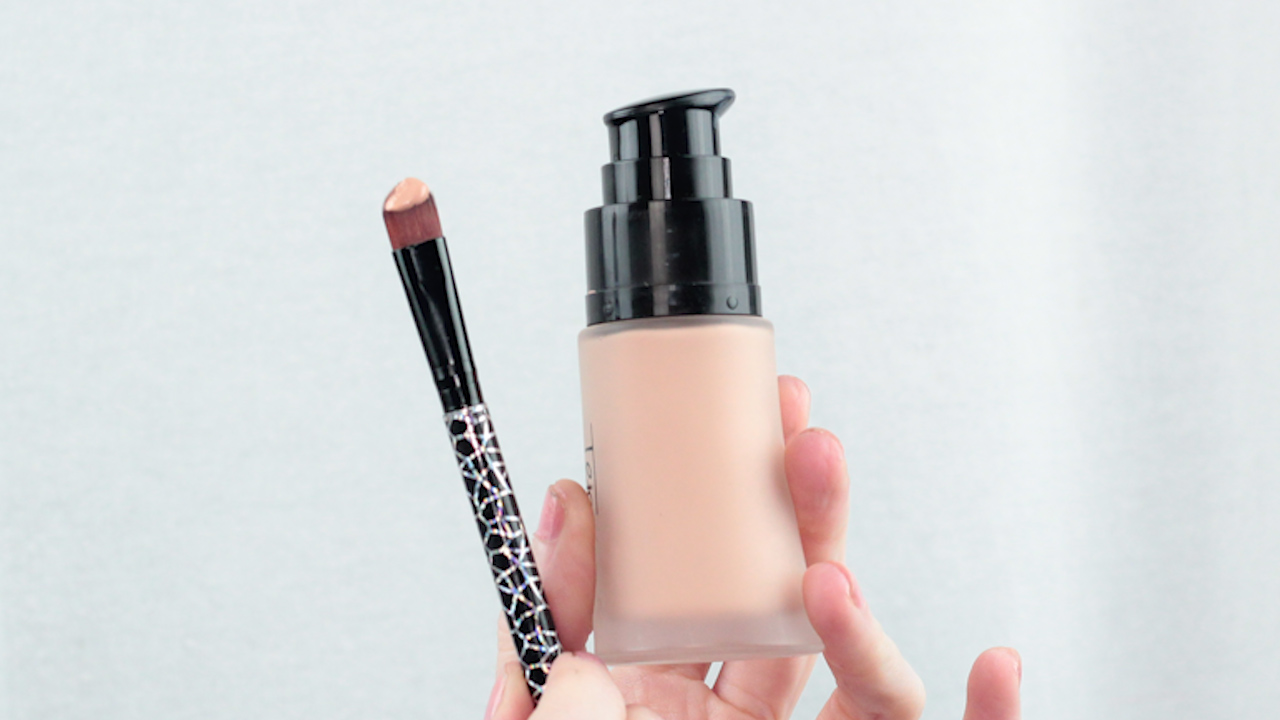
For a reusable spoolie, dampen the brush, add a small amount of cleanser, and swirl it on your palm or a textured cleaning mat. Rinse well and dry flat. For a synthetic mascara wand that is part of a tube, spray the cleanser onto a paper towel and wipe the brush instead of soaking the whole wand assembly.
This option is great if you wear makeup often and want something more efficient than trial-and-error sink scrubbing. It is also useful when you want the brush clean without smelling like dish soap for the rest of the afternoon.
4. Use Micellar Water or Oil-Free Makeup Remover for Stubborn Buildup
Best for dried mascara that refuses to let go
Sometimes dried mascara clings to a brush like it pays rent. That is where micellar water or an oil-free makeup remover can help. Pour a little into a cup, dip just the bristles, and let them sit briefly. Then wipe the brush with a paper towel or gently massage the bristles to loosen the product.
After that, wash the brush with gentle soap and water. This second step matters because you do not want leftover remover hanging around on a tool that goes near your eyes. Think of micellar water as the opening act, not the full concert.
This method works especially well when a spoolie is stiff from old product or when you are trying to revive a reusable brush that has been neglected for a little too long. No judgment. We all have at least one beauty tool we pretend not to see.
5. Sanitize a Synthetic Spoolie With Alcohol Between Deep Cleans
Best for quick cleanups, not for rescuing bad mascara
If your reusable spoolie is synthetic and you need a quick refresh, lightly misting it with rubbing alcohol and wiping it on a clean paper towel can help remove surface residue fast. This is particularly useful between full washes when you want a clean tool for brows or lash separation.
Do not overdo it. Alcohol is great for quick sanitizing, but repeated heavy soaking can dry some fibers out over time. A light spritz is enough. Let the brush dry fully before using it near your eyes.
Also, and this is the important part, this method does not magically make old mascara safe again. If the formula is expired, contaminated, or was used during an eye issue, cleaning the wand is not a loophole. It is just optimism in a spray bottle.
6. Swirl It on a Brush-Cleaning Mat or in Your Palm
Best for getting product out of the tiny grooves of the bristles
Mascara brushes have lots of little spaces where product likes to hide. A textured brush-cleaning mat helps pull residue out of those tight areas better than water alone. Add your cleanser, swirl the brush over the mat, and rinse. Repeat if needed.
If you do not own a cleaning mat, your palm works just fine. The motion matters more than the gadget. Swirling gives the bristles a chance to release buildup from every angle, which is especially helpful on dense spoolies or plastic wands with molded grooves.
This is one of the easiest ways to deep-clean a mascara brush without getting aggressive. No scraping, no bending bristles, and no weird DIY hacks involving mystery kitchen ingredients. Your brush deserves better than becoming a science fair experiment.
7. Finish With the Wipe, Reshape, and Air-Dry Method
Best for keeping the brush neat after washing
The actual cleaning gets all the glory, but the finish matters too. Once the brush is washed, gently wipe away excess moisture with a clean towel or paper towel. Use your fingers to reshape the bristles so they are not bent in strange directions, then lay the brush flat to air-dry completely.
If the brush dries while twisted, mashed, or standing in a puddle of water, it may lose its shape or become rougher over time. That can make lash separation less precise and brow grooming more annoying. A clean brush that dries badly is like making an amazing coffee and then pouring it into a cereal bowl. Technically usable, emotionally disappointing.
For attached mascara wands, wipe thoroughly and allow the brush to dry before closing it only if you are doing a quick surface clean and the product is still fresh and safe to use. Otherwise, skip the drama and replace the mascara.
What Not to Do When Cleaning a Mascara Brush
Beauty routines are full of creative hacks, but the eye area is not the place to get reckless. Here are a few things to avoid:
- Do not add water or saliva to dried mascara.
- Do not share mascara or spoolies with anyone.
- Do not use a brush if the bristles feel rough, bent, or damaged.
- Do not put a wet reusable spoolie into a mascara tube.
- Do not keep using eye makeup if you have an eye infection, stye, or active irritation.
- Do not try to save expired mascara just because the wand looks clean.
That last one deserves a second mention because it is where people get tempted. A freshly wiped wand does not cancel out an old formula. Expired mascara is still expired, even if you give it a motivational speech.
How Often Should You Clean a Mascara Brush?
For reusable spoolies used on brows or clean lash grooming, a weekly wash is a smart habit if you use them often. If you only use them occasionally, clean them after each use that involves product buildup. If you are a makeup artist or share a workspace, hygiene standards should be even stricter, with frequent sanitizing and disposable tools when appropriate.
For the brush that comes with mascara, quick wipe-downs can help remove extra product from the outer bristles, but they do not replace the need to swap the mascara itself on schedule. If the tube is old, dry, or suspicious, retire it with dignity.
Real-Life Experiences With Cleaning a Mascara Brush
In real life, cleaning a mascara brush is one of those habits people usually ignore until a tiny beauty emergency forces the issue. Maybe your lashes suddenly start looking spiky even though you are using the same mascara you loved last month. Maybe your brow spoolie begins leaving little black specks where no black specks should ever be. Maybe you pull a brush from the bottom of your bag and realize it has somehow collected old mascara, powder, lint, and the emotional residue of every rushed Monday morning. That is usually the moment when cleaning stops sounding optional.
A lot of people notice the first difference immediately after cleaning: the brush works better. It glides more smoothly, separates lashes more evenly, and stops dumping yesterday’s leftovers onto today’s makeup. Instead of fighting clumps, you get definition. Instead of brushing your brows into a crunchy little helmet, you get a softer, more natural finish. It is not magic, but it feels suspiciously close.
There is also the comfort factor. A dirty mascara brush can feel oddly stiff, especially when dried product hardens around the bristles. After a proper wash, the same spoolie often feels gentler and more precise. People who use spoolies for brow gel, soap brows, or lash separation often say the clean brush gives them more control because the bristles are not stuck together. That means fewer accidental smudges, fewer overworked brows, and fewer moments of staring into the mirror like, “Why do I suddenly look offended?”
Another common experience is learning that a “quick wipe” and an actual clean are not the same thing. Wiping a brush on a tissue helps in the moment, but once you wash it with gentle soap and warm water, the amount of hidden residue that comes out can be genuinely rude. It is the beauty equivalent of cleaning your glasses and realizing the world has been in high definition this whole time.
People also tend to become more aware of product age once they start cleaning their mascara brush regularly. You begin to notice when a mascara dries out, smells off, or gets thick in a way that no amount of brushing can fix. That awareness is useful because it encourages better habits overall. Instead of trying to rescue a tube that should have retired three weeks ago, you replace it and move on. Your eyes will never send a thank-you card, but they absolutely appreciate the effort.
And then there is the simple satisfaction of it all. A clean mascara brush is a tiny win. It takes only a few minutes, costs almost nothing, and makes your routine feel more put together. For something so small, it solves a surprising number of annoyances. Better lash separation, cleaner brows, fewer flakes, less mystery buildup, and a tool that no longer looks like it survived a haunted makeup bag. Honestly, that is a pretty strong return on investment for a little soap and water.
Final Thoughts
If you want your lashes and brows to look cleaner, softer, and more polished, start with the tool doing the work. Knowing how to clean a mascara brush is not complicated, but it does make a real difference. The best method depends on the kind of brush you have and how much buildup you are dealing with, but the overall rule is simple: clean it gently, dry it properly, and do not try to outsmart expired eye makeup.
Whether you use warm water and soap, baby shampoo, micellar water, a brush cleanser, or a quick alcohol spritz for a synthetic reusable spoolie, the goal is the same. Keep the brush clean, keep the bristles comfortable, and keep questionable products far away from your eyes. Your future lashes will look less clumpy, your brows will behave better, and your makeup bag will feel slightly less chaotic. That is what we call progress.