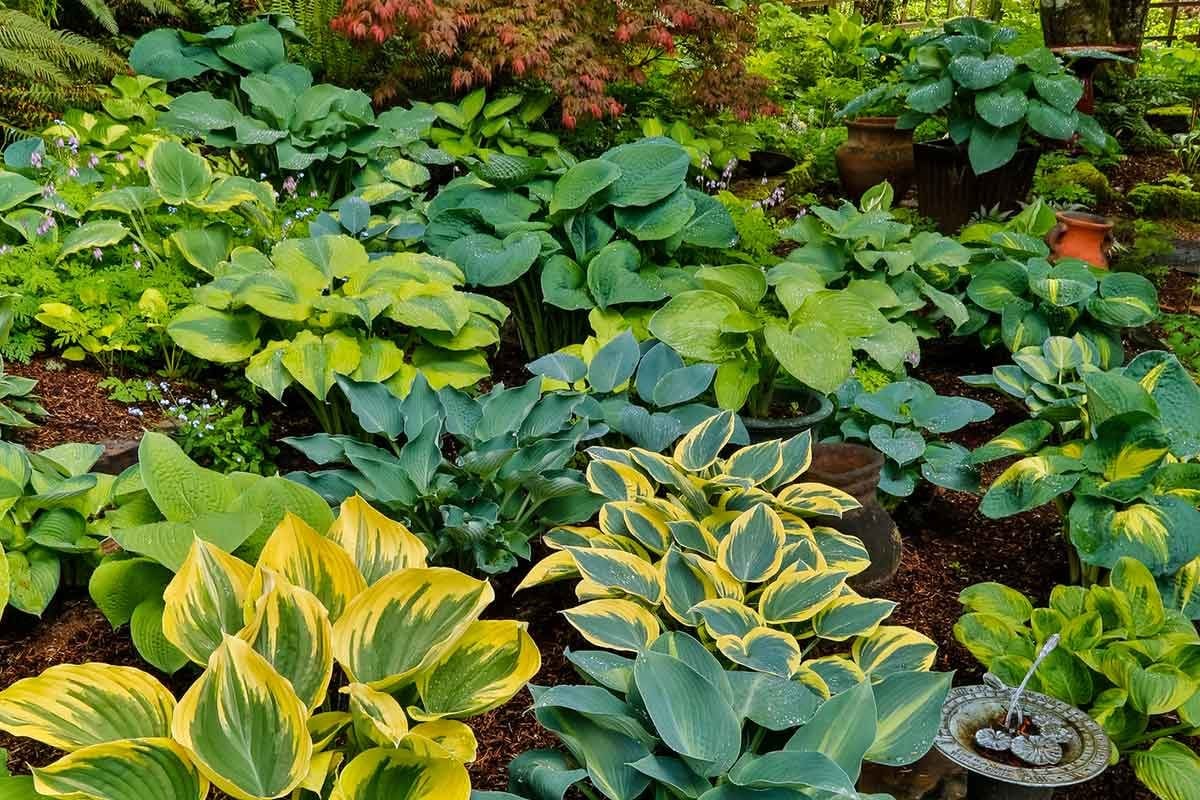

If hostas had a dating profile, it would read something like this: “Likes long walks in dappled shade, rich soil, reliable moisture, and winters cold enough to remember who they are.” In other words, hostas are not difficult plants, but they are very clear about their standards. Give them the right region and they reward you with lush, architectural leaves that make a shade garden look expensive. Give them the wrong region and they respond like a diva who was promised backstage AC and got a folding chair in a parking lot.
That is why the best regions to grow hostas are not simply “anywhere shady.” The real answer depends on climate, humidity, winter chill, soil moisture, and the kind of sun your garden gets. A cool morning sun in Vermont is not the same thing as a blazing 2 p.m. sun in Georgia. This guide breaks down where hostas grow best in the United States, where they can still perform well with extra care, and where they tend to struggle no matter how much pep talk you give them.
What Hostas Actually Want
Before talking about regions, it helps to understand the hosta wish list. Most hostas grow best in USDA hardiness zones 3 through 8, with many also performing in zone 9 if conditions are favorable. They prefer rich, well-drained soil with plenty of organic matter, steady moisture, and shade to part shade. They are especially happy in gardens with bright indirect light, morning sun, and protection from harsh afternoon heat.
Leaf color matters, too. Blue hostas usually need deeper shade to keep their powdery blue finish. Gold and yellow hostas often look better with a few hours of morning sun, which helps intensify their color. Green hostas are usually the most flexible. So when people ask, “What regions are best for hostas?” the sneaky little follow-up is, “And which hostas are we talking about?”
The Best Regions to Grow Hostas
1. The Northeast: Hosta Heaven With Good Manners
If hostas were choosing a retirement destination, much of the Northeast would make the shortlist. Think New England, upstate New York, and much of Pennsylvania. These areas usually offer what hostas love most: cold winters for dormancy, moderate summers, good rainfall compared with drier parts of the country, and lots of gardeners who appreciate a classy shade border.
In this region, hostas can often handle a bit more sun than they can in the South. Morning light and even some filtered afternoon light are usually manageable, especially if the soil stays moist. The Northeast is also ideal for gardeners who want to grow a wide range of cultivars, from giant statement hostas to tiny miniature varieties that look like they were designed by an architect with excellent self-control.
The biggest caution here is not heat. It is slug pressure, deer browsing, and occasional dry spells under mature trees. But overall, this is one of the easiest regions in the country for growing hostas well.
2. The Upper Midwest and Great Lakes: Almost Ridiculously Good for Hostas
Minnesota, Wisconsin, Michigan, northern Illinois, Iowa, and nearby areas are prime hosta country. In fact, if you have ever driven through Midwestern neighborhoods in summer, you have probably seen hostas lining front walks like a well-trained green audience applauding the mailbox.
Why do they do so well here? Winters are cold enough for proper dormancy, summers are warm but often not relentlessly tropical, and shaded residential landscapes are common. In this region, hostas can form large, handsome clumps and hold their foliage well through the growing season when watered during dry periods.
This is also a strong region for collectors. Blue varieties, corrugated giant hostas, fragrant types, and variegated cultivars all tend to perform well. If you want hostas that look lush instead of merely polite, the Upper Midwest delivers.
3. The Mid-Atlantic: Great Potential, With a Small Asterisk
The Mid-Atlantic, including parts of Maryland, Virginia, Delaware, New Jersey, and the cooler inland sections nearby, is generally very good hosta territory. These areas still provide enough winter chill for dormancy, and many gardens offer the kind of filtered light hostas enjoy.
The asterisk is summer heat and humidity. Hostas can still thrive here, but site selection matters more. A north or east exposure is usually better than a west-facing bed. Moisture management becomes more important. Afternoon sun becomes suspicious. And blue hostas may lose some of their color faster if the site is too bright or too hot.
Still, this region is firmly in the “very doable and often excellent” category. With mulch, compost, and sensible placement, hostas perform beautifully here.
4. The Pacific Northwest: Strong Performance in the Right Microclimate
The Pacific Northwest, especially western Oregon and western Washington, can be a lovely place for hostas. The cooler summers and naturally garden-friendly climate make it easier to keep soil from drying out too fast. Shade gardens are common, woodland-style planting is popular, and hostas fit right in.
That said, this region is not automatically perfect. In some areas, slug and snail pressure can be intense. Maritime moisture is wonderful for foliage until it turns every tender leaf into an all-you-can-eat buffet. Smart gardeners in the Pacific Northwest often pair hosta success with slug management from day one.
Still, if you can stay ahead of pests and avoid overly dry summer pockets, this is one of the better regions for growing hostas with style.
Regions Where Hostas Grow Well With Good Technique
5. The Upper South: Yes, But Shade Really Means Shade
Kentucky, Tennessee, much of North Carolina, parts of northern Georgia, and similar areas can grow excellent hostas, but the margin for error is smaller. In these climates, the phrase “part sun” needs translation. What it really means is “gentle morning sun only, and not a solar interrogation in the afternoon.”
Hostas in the Upper South benefit from deep mulch, soil rich in organic matter, and consistent irrigation during summer. They often look best in dappled shade, beneath high tree canopies, or along the north side of a structure. Green and thicker-leaved cultivars usually handle these conditions better than delicate blue types that may scorch or fade.
This region is absolutely workable, but the best gardens treat hostas like valued guests, not abandoned interns.
6. The Central Plains and Lower Midwest: Success Depends on Wind, Heat, and Water
Nebraska, Kansas, Missouri, and similar inland regions can produce beautiful hostas, especially in sheltered urban and suburban landscapes. The challenge is not just heat. It is drying wind, fluctuating moisture, and sun intensity. In exposed sites, hostas can bleach, scorch, or simply sulk.
The best strategy here is to create a microclimate. Plant on the north or east side of buildings, amend the soil generously, mulch well, and avoid hot reflected heat from pavement or walls. If that sounds like a lot, it is. But the payoff is real. Hostas can thrive in these regions when gardeners work with the site instead of pretending every yard is a woodland glade.
7. The Mountain West: Better at Higher Elevations Than in Hot Valleys
The Mountain West is a mixed bag. In cooler high-elevation towns and mountain foothills, hostas can do surprisingly well because nights cool down, winter dormancy is reliable, and direct sun can be avoided. In low-elevation, dry, intensely sunny areas, they become much more difficult.
Gardeners in this region need to pay close attention to afternoon exposure, irrigation, and humidity. Hostas are not cactus-adjacent personalities. They do not want to prove how tough they are. They want cool roots, consistent moisture, and protection from punishing sun. In the right mountain setting, they can be gorgeous. In the wrong site, they will look like they are writing a formal complaint.
Regions Where Hostas Are More Challenging
8. The Deep South and Gulf Coast: Possible, But Pick Your Battles
The Deep South, including much of southern Georgia, Alabama, Mississippi, Louisiana, and the Gulf Coast, is where hostas start asking tougher questions. Winters can be too mild in some areas, summer heat can be prolonged, humidity can stress foliage, and afternoon sun becomes genuinely damaging.
Can hostas still grow here? Yes, in many gardens they can. But they need better siting, more water, and realistic expectations. Full shade or high dappled shade is usually essential. Morning sun that works in Michigan may be too much in coastal Mississippi by July. Thick-leaved cultivars and tougher green types often outperform fussier varieties.
If you garden in the Deep South and love hostas, the trick is to treat them as a curated collection, not as your default landscape filler.
9. Florida and Low-Desert Arizona: Usually Not the Best Match
This is the hard truth section. Much of Florida and low-desert Arizona are poor hosta regions. The problem is not laziness on your part. It is biology. Hostas need a dormant period with sufficiently cold winter conditions, and many warm-winter areas simply do not provide that. Add intense summer heat and you get a plant that survives only briefly or performs badly.
There may be exceptions in cooler microclimates, higher elevations, or as short-term container experiments. But as a general landscaping choice, hostas are not the stars of these regions. They are more like visiting performers who never really unpack.
How to Tell if Your Region Is Good for Hostas
If you are unsure whether your area is ideal, ask these questions:
- Do winters get cold enough for dormancy?
- Can you provide shade or at least morning sun only?
- Can you keep soil evenly moist without making it soggy?
- Does your garden avoid harsh reflected heat from walls, pavement, or stone?
- Are you willing to match the hosta cultivar to your local climate?
If the answer is yes to most of these, you can probably grow hostas successfully. If the answer is “well, sort of, except the part where my yard is a concrete skillet,” then hostas may not be your easiest win.
Best Hosta Types by Region
Cool Northern Regions
Gardeners in the Northeast, Great Lakes, and Upper Midwest can grow almost everything: blue hostas, giant hostas, fragrant hostas, variegated types, and collector favorites. This is the region where experimentation feels less like gambling and more like gardening.
Warm Transitional Regions
In the Mid-Atlantic and Upper South, green hostas, thicker-leaved cultivars, and gold varieties that enjoy some morning light often perform best. Site selection is more important than bravado.
Hotter Southern Regions
Focus on heat-tolerant, thicker-leaved hostas in full shade or bright filtered light. Expect to irrigate. Expect some summer wear. And maybe do not buy the rare blue unicorn cultivar first.
Bottom Line: So, Where Do Hostas Grow Best?
The best regions to grow hostas are the Northeast, the Upper Midwest, the Great Lakes region, and many parts of the Mid-Atlantic and Pacific Northwest. These areas provide the combination hostas crave: winter dormancy, moderate summer conditions, enough moisture, and manageable sun exposure.
Hostas can also grow well in the Upper South, central Plains, and parts of the Mountain West, but they need more careful placement and more active moisture management. The toughest regions are the Deep South, the Gulf Coast, much of Florida, and low-desert Arizona, where warm winters and intense heat make long-term success much harder.
So yes, hostas are shade garden superstars. But the secret is that they are not really “grow anywhere” plants. They are “grow beautifully in the right region” plants. Put them where climate and site work in their favor, and they repay you with foliage so good it almost feels rude to the rest of the garden.
Regional Growing Experiences: What Gardeners Usually Notice in Real Life
One of the most interesting things about growing hostas is how different the experience feels from one region to another, even when the plant tag says the same thing. In cooler northern gardens, hostas often behave like dependable overachievers. They emerge in spring, size up quickly, and keep a full, handsome look deep into summer. Gardeners in places like Minnesota, Michigan, or Vermont often talk about hostas as the easy part of the shade garden. The real challenge is choosing which one to buy next, which is a delightful problem to have and also how collections mysteriously become full-blown hosta obsessions.
In the Mid-Atlantic, the experience is slightly more strategic. Hostas still grow well, but gardeners tend to become amateur detectives of light and moisture. A bed that looks “shady enough” in April may turn out to be much brighter once the sun angle changes in July. Many gardeners learn this the dramatic way, after seeing leaf edges crisp up during a heat wave. Once they move those same plants to a cooler exposure or improve the soil with compost and mulch, the difference can be huge. Suddenly the hostas stop surviving and start looking intentional.
In the South, hosta growing often becomes an exercise in humility. Gardeners may begin with optimism, plant a gorgeous blue variety in what seems like part shade, and then watch the plant melt emotionally by midsummer. Over time, successful southern growers get sharper about choosing tougher cultivars, prioritizing deep shade, and watering consistently without turning the bed into a swamp. The reward is real, but it feels more earned. Southern hosta success usually comes from observation, adjustment, and a refusal to believe the first bad summer gets the final word.
The Pacific Northwest offers a different kind of experience. Growth can be lush, the foliage can look luxurious, and shade gardens can feel almost tailor-made for hostas. Then slugs arrive like they received formal invitations. Many gardeners there learn quickly that hosta care is not just about light and water. It is also about patrol, barriers, cleanup, and staying one step ahead of leaf-chewing freeloaders. When the balance is right, though, the results are spectacular and wonderfully dramatic.
In drier inland and western climates, gardeners often describe hostas as plants that teach respect for microclimates. Put one in reflected heat near a walkway and it suffers. Tuck the same variety into a protected east-facing bed with amended soil and regular water, and it suddenly looks much happier. These experiences remind gardeners that a region tells only part of the story. The rest comes down to the exact site, the cultivar, and whether the gardener is willing to work with the plant instead of expecting it to enjoy a completely unsuitable address.
That may be the biggest real-world lesson of all. The best hosta gardens are rarely accidents. They are the result of matching climate, light, soil, moisture, and variety. When those pieces line up, hostas are magnificent. When they do not, hostas become excellent teachers with very expensive tuition.