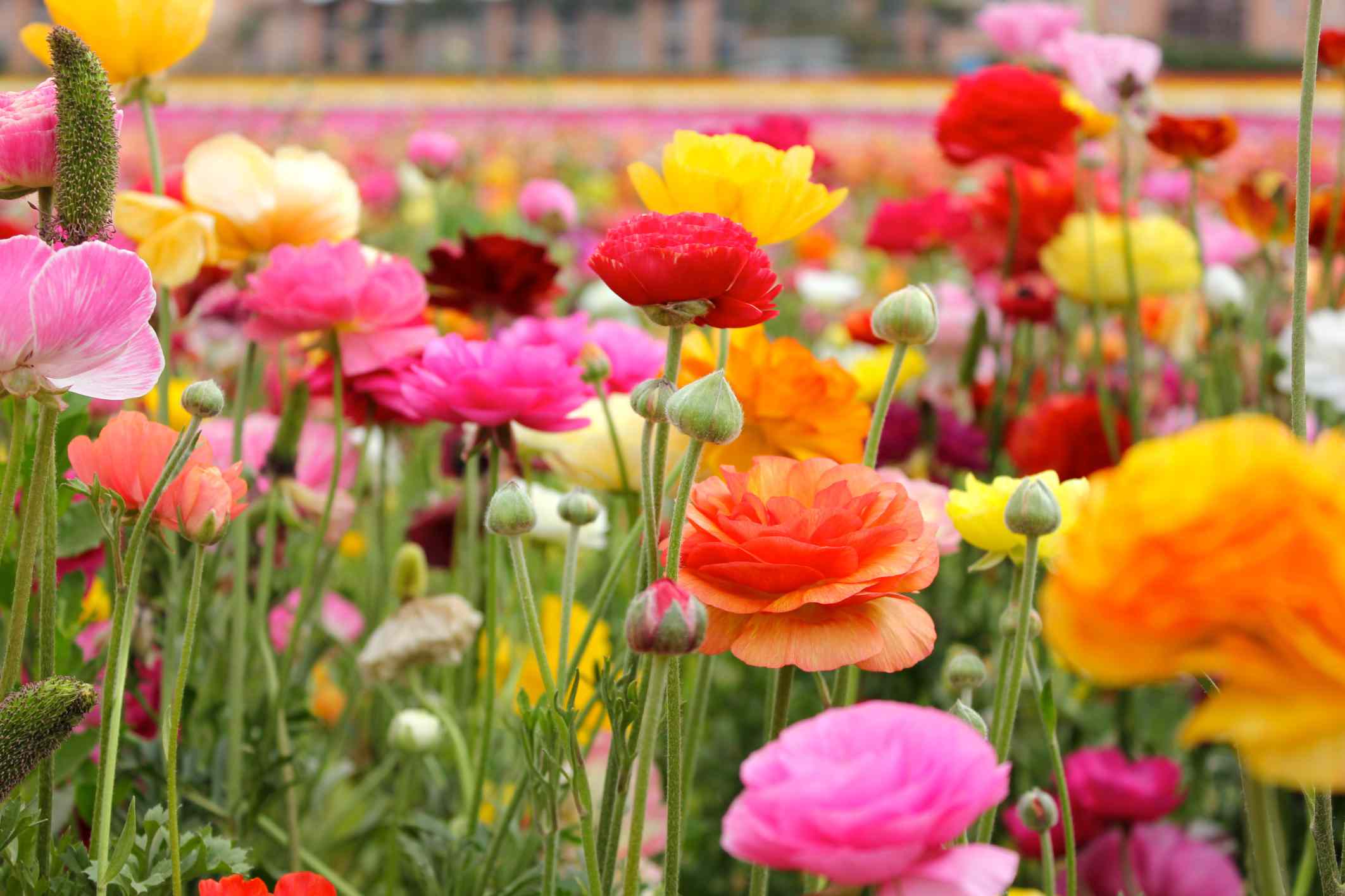

Persian buttercups look like roses that went to charm school, borrowed a peony’s wardrobe, and decided to bloom in colors so bright they could probably improve your mood from across the yard. Known botanically as Ranunculus asiaticus, these cool-season flowers are famous for their layered, tissue-paper petals, sturdy stems, and excellent performance in spring gardens, containers, and cut flower arrangements.
But here is the catch: Persian buttercups are not “plant them anywhere and hope for the best” flowers. They are a little particular. Not dramatic, exactlymore like a guest who prefers the good coffee, the sunny chair, and a room temperature that does not feel like July in Phoenix. Give them full sun, well-drained soil, cool weather, and careful watering, and they will reward you with blooms that look expensive even when you grew them yourself.
This guide explains how to grow and care for Persian buttercups from corms, how to plant them in the right season, how to avoid rot, how to encourage more blooms, and how to keep them looking beautiful in beds, borders, and containers.
What Are Persian Buttercups?
Persian buttercups are tuberous-rooted plants in the buttercup family, Ranunculaceae. Gardeners often call the dried planting pieces “corms,” although they are technically tuberous roots. Either way, they arrive looking like tiny dried octopuses or claw-shaped snacks for a garden gnome. Do not be fooled by their odd appearance. Once hydrated and planted properly, they produce lush green foliage and spectacular spring flowers.
Mature Persian buttercups usually grow about 12 to 24 inches tall and wide. Their flowers may be red, pink, yellow, orange, purple, white, cream, salmon, or bicolored. Many modern varieties are fully double, meaning they have so many petals that the blooms resemble miniature peonies or roses. This is one reason Persian buttercups are popular in wedding bouquets, spring arrangements, cottage gardens, and cutting gardens.
In warm regions, especially USDA Zones 8 to 10 or 11, Persian buttercups may be grown as perennials when conditions are favorable. In colder regions, most gardeners grow them as annuals, planting fresh corms each year for spring flowers.
Best Growing Conditions for Persian Buttercups
Light
Persian buttercups grow best in full sun. Aim for at least six hours of direct sunlight per day. In cooler climates, give them as much sun as possible. In hotter regions, a little afternoon shade can help protect blooms from intense heat, especially near the end of the season.
If plants receive too little light, they may grow weak stems, produce fewer flowers, or sulk like they were promised a sunny vacation and got a basement apartment instead.
Soil
Good drainage is the golden rule of Persian buttercup care. These plants like rich, loose, sandy or loamy soil. They do not tolerate heavy clay that stays wet. In soggy soil, the corms can rot before they even get a chance to sprout.
Before planting, loosen the soil and mix in compost to improve structure and fertility. If your garden soil is dense clay, grow Persian buttercups in raised beds or containers. A raised bed gives you better control over drainage, and containers make it easier to move plants away from weather drama.
Temperature
Persian buttercups are cool-season flowers. They perform best when temperatures are mild, often in the springlike range. They dislike extended heat and usually begin to fade or go dormant when temperatures climb consistently into warm summer territory.
This is why timing matters so much. In mild-winter climates, plant in fall for late winter or spring blooms. In cold-winter climates, start corms indoors or plant pre-sprouted corms in early spring so the plants can bloom before summer heat arrives.
Water
Water carefully. After planting corms, water once to settle the soil, then avoid keeping the bed wet until growth appears. Once plants are actively growing, keep the soil evenly moist but never soggy. Think “wrung-out sponge,” not “duck pond.”
Water at the base of the plant rather than overhead. Wet foliage and crowded conditions can encourage fungal problems such as powdery mildew or gray mold. Morning watering is best because leaves and soil surfaces dry more quickly during the day.
When to Plant Persian Buttercups
The right planting time depends on your climate.
Warm Climates
In USDA Zones 8 to 10, plant Persian buttercup corms in fall, usually October or November. This gives them time to develop roots during cool weather and bloom in late winter or spring. In areas with mild, dry summers, the plants may return in future years, though many gardeners still treat them as annuals for the most reliable display.
Cold Climates
In Zone 7 and colder, plant in early spring after the worst of winter has passed. Many gardeners pre-sprout corms indoors about four weeks before the last frost date. This gives the plants a head start, which is helpful because Persian buttercups need cool weather to bloom well.
If your growing season jumps from “still snowing” to “why is the sidewalk melting?” in three weeks, pre-sprouting is especially useful.
How to Plant Persian Buttercup Corms
Step 1: Choose Healthy Corms
Start with firm, dry corms from a reputable supplier. Larger corms often produce stronger plants and more flowers. Avoid corms that are moldy, mushy, or shriveled beyond recognition.
Step 2: Soak Before Planting
Many gardeners soak Persian buttercup corms before planting to rehydrate them. A common soaking time is about three to four hours for home gardeners, though some cut flower growers use longer hydration methods under controlled conditions. Use room-temperature water and do not leave corms soaking for too long, because excess moisture can encourage mold.
After soaking, the corms should look plumper. They may still look strange, but at least they will look strange with purpose.
Step 3: Plant Claw-Side Down
Plant corms about 1 to 2 inches deep, with the claw-like roots pointing down. Space them 6 to 8 inches apart in garden beds. In containers, you can usually space them closer, around 3 to 4 inches apart, as long as the pot has excellent drainage.
Step 4: Water Once, Then Wait
Water thoroughly after planting. Then pause. Do not keep watering heavily while the corms are still dormant. Once green shoots appear, begin watering when the top inch of soil feels dry.
Growing Persian Buttercups in Containers
Persian buttercups are excellent container flowers because pots allow you to control soil, drainage, and placement. Choose a container with drainage holes. Fill it with a high-quality potting mix that drains well, and consider adding compost for extra fertility.
Plant the corms claw-side down and cover them with about 2 inches of potting mix. Place the container in a sunny location. If frost threatens, move the pot to a sheltered spot or cover it temporarily. Container-grown plants may dry out faster than garden plants, so check moisture regularly, but do not let the pot sit in water.
A container of Persian buttercups near a porch, patio, or front door is a smart move. It says, “Yes, I garden,” without requiring visitors to inspect your entire yard and discover the weeds you have emotionally bonded with.
Fertilizing Persian Buttercups
Persian buttercups appreciate fertile soil, but they do not need aggressive feeding. Mix compost or a balanced bulb fertilizer into the soil before planting. Once plants begin active growth, a light feeding with a balanced fertilizer can support strong stems and abundant flowers.
Avoid overdoing nitrogen. Too much nitrogen can encourage leafy growth at the expense of blooms. In plain English: you may get a big green plant that refuses to perform, like a singer who warms up for two hours and never walks onstage.
How to Encourage More Blooms
To get the best flower show, focus on four things: sun, drainage, cool temperatures, and deadheading.
Deadheading means removing faded flowers before they set seed. This encourages the plant to keep producing blooms. Use clean scissors or pruners and cut the spent stem back to a leaf node or lower stem area.
For cut flowers, harvest when buds are colored and beginning to open, but not fully blown. Persian buttercups can have a long vase life when cut at the right stage and placed in clean water. Change the water often and remove leaves that fall below the waterline.
Common Problems and How to Fix Them
Rotting Corms
Rot is usually caused by wet soil, poor drainage, or overwatering before the plant is actively growing. Prevent it by using loose soil, raised beds, containers, and careful watering.
Yellow Leaves
Yellow leaves may mean too much water, too little light, disease, or natural dormancy. If the plant is still young and the soil is wet, reduce watering. If the season is warming and flowering has ended, yellowing may simply mean the plant is preparing to rest.
Powdery Mildew and Gray Mold
Fungal issues are more likely when plants are crowded, shaded, or watered from overhead. Improve air circulation, remove affected leaves, and water at soil level. Avoid planting Persian buttercups too close together, even if you are tempted to create a flower wall worthy of a magazine cover.
Aphids and Spider Mites
Aphids may cluster on tender new growth, while spider mites can appear in warm, dry conditions. A strong spray of water, insecticidal soap, or horticultural oil can help manage small infestations. Check the undersides of leaves because pests enjoy hiding where gardeners least want to look.
Are Persian Buttercups Toxic?
Yes. Persian buttercups and other ranunculus species contain irritating compounds and are considered toxic to pets and people if ingested. Keep corms and plants away from curious children, dogs, cats, and horses. Wear gloves if you have sensitive skin, especially when handling plant sap or cut stems.
The good news is that most pets are not impressed by the taste. The bad news is that some pets consider “do not eat this” a personal challenge. Place plants wisely.
What to Do After Persian Buttercups Bloom
After flowering, let the foliage remain until it yellows naturally. The leaves help feed the tuberous roots for future growth. Once the foliage has died back, stop watering.
In warm climates with dry summers, you may leave the corms in the ground if the soil stays dry during dormancy. In colder climates, or where summers are wet, you can dig up the corms, dry them, and store them in a cool, dry place. However, storage is not always successful, and many gardeners prefer to buy fresh corms each season.
Best Uses for Persian Buttercups in the Garden
Persian buttercups are versatile. Use them in spring borders, cottage gardens, cutting gardens, patio pots, window boxes, and mixed containers. They pair beautifully with pansies, violas, primroses, snapdragons, larkspur, sweet peas, and other cool-season flowers.
For a polished look, plant them in groups rather than scattering one here and one there. A cluster of ten salmon, blush, or ivory ranunculus plants looks intentional. A single plant alone in a giant bed can look like it got lost on the way to a bridal bouquet.
Practical Experience: Lessons From Growing Persian Buttercups
The first real lesson with Persian buttercups is that they punish impatience and reward preparation. Many beginners see the dry corms and assume they should be watered constantly to “wake them up.” That is understandable, but it is also the fastest way to turn expensive corms into compost confetti. A better approach is to soak them briefly, plant them in barely moist, well-drained soil, water once, and then wait until growth appears. The waiting period feels suspiciously quiet, but below the soil, the plant is getting organized.
Another useful experience is learning that raised beds make life easier. In heavy clay soil, Persian buttercups can struggle even when everything else seems correct. The plants may sprout, grow a few leaves, and then collapse because their roots are sitting in wet soil. A raised bed filled with compost-rich, loose soil changes the entire game. The stems grow stronger, the leaves stay healthier, and the blooms open cleaner. If your garden has clay, do not take it personally. Clay grows many things beautifully. Persian buttercups just prefer not to sleep in wet boots.
Timing is also more important than most people expect. In warm climates, fall planting usually produces the strongest plants because they grow during the cool months and bloom before heat arrives. In cold climates, pre-sprouting indoors gives the corms a head start. Without that head start, plants may begin blooming just as temperatures rise, which shortens the show. The flower buds may still appear, but the plant will act like someone opened an oven door nearby.
Containers are a wonderful safety net. A pot can be moved away from heavy rain, protected from frost, shifted into better sun, or brought closer to the patio when the flowers start showing off. For beginners, containers are often the easiest way to learn the plant’s rhythm. Use a pot with drainage holes, choose a light potting mix, and resist the urge to water every day. Lift the pot occasionally; if it feels heavy, wait. If it feels light and the top inch of soil is dry, water deeply.
Deadheading makes a noticeable difference. Once blooms fade, removing them keeps the plant tidy and encourages more flowers. Cutting stems for indoor arrangements also helps. The best stage is when the bud has color and is beginning to open. Fully open flowers are beautiful in the garden, but slightly younger blooms last longer in a vase. Place them in clean water, trim the stems, and keep them away from direct heat. They can make an ordinary kitchen table look like you casually own a boutique flower studio.
Finally, Persian buttercups teach a gardener to respect the season. They are not trying to be summer marigolds or drought-proof succulents. They are spring performers. Enjoy them intensely while the weather is cool, cut them often, photograph them shamelessly, and when the foliage yellows, let them bow out gracefully. Gardening becomes easier when you stop forcing plants to be something they are not. Persian buttercups are cool-weather divas, and honestly, they have earned the title.
Conclusion
Growing Persian buttercups is not difficult once you understand their preferences. They want full sun, excellent drainage, cool weather, moderate moisture, and a little attention at the right time. Plant the corms claw-side down, avoid soggy soil, feed lightly, deadhead often, and protect them from extreme heat or hard freezes. In return, you get flowers that look delicate, luxurious, and almost too perfect to be real.
Whether you grow them in a cutting garden, a patio container, or a spring border, Persian buttercups bring high-impact color without needing a giant landscape budget. Treat them like the cool-season treasures they are, and they will reward you with blooms that make neighbors slow down, guests ask questions, and your vase look professionally arranged.