
“Fab Freebie” sounds like something you yell while running toward a parade float that’s tossing out mini candy bars.
But in internet terms, a fab freebie is a very specific kind of joy: a freebie that feels stylish,
on-brand, and suspiciously delightfullike someone wrapped “free stuff” in good design and tied it with a bow.
And yes, “literal” matters. Back in the heyday of design deal sites, one popular home blog ran a giveaway for a
$500 gift card to Fab (the design-focused shopping site). The entry instructions were charmingly simple:
comment “FAB ME!” and share something quirky or colorful you love at home. It hit an entry cap fast. That’s the vibe:
a freebie that’s not just freeit’s fun.
What Makes a “Fab Freebie” Different From Regular Free Stuff?
A regular freebie is “Here’s a pen.” A fab freebie is “Here’s a pen that matches your kitchen backsplash and somehow
makes you feel like you have your life together.” In other words, a fab freebie has at least three ingredients:
- Actual value (money saved, time saved, or a real prize like a gift card).
- Delight (it’s pretty, clever, useful, or unexpectedly personal).
- Low drama (no sketchy hoops, hidden fees, or “just share your Social Security Number” energy).
The “literal fab freebie” concept also hints at something marketers know and shoppers feel in their bones:
freebies work best when they match the brand and the audience. A $500 design gift card giveaway feels “fab”
because it’s alignedhome people want home stuff, not a random coupon for… industrial adhesive.
The Fab.com Era: Why Design Deal Sites Felt Like Freebie Paradise
Fab (Fab.com) was part of a wave of early-2010s shopping experiences built on curation, flash-sale urgency, and
colorful design. Think: “limited-time” meets “your home deserves better lighting.” The site was known for marked-down
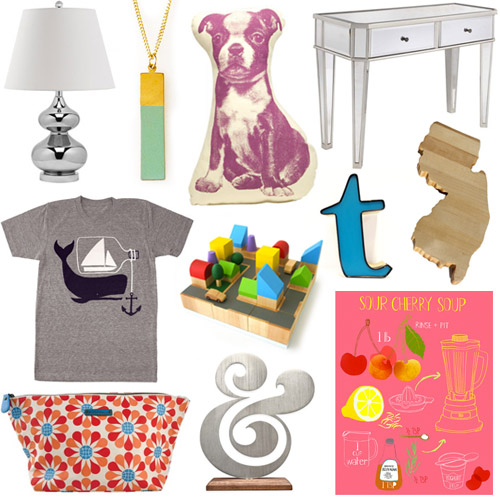
items across categories (home, art, kitchen, accessories, pets, kids, and more) and a playful design sensibility
quirky and colorful without taking itself too seriously.
That’s why a Fab gift-card giveaway landed so well: it didn’t just hand you a prize; it handed you a shopping spree
into a curated world. It also shows how giveaways functioned as rocket fuel for brand awareness in that erafast,
social, and built for comments, shares, and email sign-ups.
Fab’s broader business story is also a reminder that “fab” is a feeling, not a guarantee. The company rose quickly
with major hype and funding, then later sold its assets in a much smaller deal. For shoppers, that’s not doom-and-gloom
it’s a useful lesson: enjoy the freebie, but don’t build your entire personality around one retailer’s daily email.
Why Freebies Work: The Psychology Behind “OMG It’s Free”
If you’ve ever added a “free gift” to your cart and then stared at your cart like it’s a new pet you accidentally adopted,
congratulationsyou’ve met the zero-price effect. When the price hits zero, people don’t just evaluate value
rationally; the deal feels emotionally bigger than the math suggests.
In plain English: “Free” has extra pulling power. Even a small freebie can drive outsized excitement because it feels like
a win with no loss. Marketers love this. Consumers love this. Economists write papers about it. Everyone is strangely united.
Freebies also work because of reciprocity (we feel a subtle nudge to give backattention, a follow, a purchase),
and because of scarcity (limited-time giveaways and entry caps create urgency). When you combine “free,” “limited,”
and “cute,” you basically have the marketing equivalent of a golden retriever in a bow tie.
How to Create a Fab Freebie (If You’re a Brand, Blogger, or Business)
Want to run a giveaway that feels genuinely generous and not like a trick door-to-door sales pitch? Build it like this:
1) Make the prize “literal” and on-brand
A literal fab freebie is one where the prize matches the promise. If you sell home decor, the prize is a home decor gift card,
a design consult, or a curated bundlenot a vague “mystery prize” that could be a sticker or an emotional experience.
2) Choose the right freebie format
- Gift card giveaway: High excitement, broad appeal, easy to explain.
- Product sampling: Great for tangible goodslets people try before they buy (and reduces “will I hate this?” anxiety).
- Digital lead magnet: Checklists, templates, mini-guidesespecially strong for services and content brands.
3) Use a lead magnet to extend the value
A lead magnet is a free resource offered in exchange for contact infousually an email address. The key is
that it should be truly helpful, not “10 Inspirational Quotes You Already Saw on a Mug.” Think: a paint color cheat sheet,
a “room layout quick-start,” a moving checklist, a shopping guide, or a 5-minute decision tool.
Strong lead magnets share two traits: they solve a specific problem and they’re instantly usable. A good lead magnet should
make someone think, “I can do something with this today,” not “I will definitely read this in 2029.”
4) Keep entry friction low (but not sloppy)
The best giveaways don’t require a 17-step obstacle course. A simple prompt (“Tell us your favorite quirky item at home”)
plus one entry per email is often enough. If you add bonus entries, make them reasonable: follow, subscribe, sharefine.
“Complete this 30-minute survey and write a sonnet about our brand values” is how you get entries from bots and your mom.
5) Write rules like a grown-up (even if your brand voice is goofy)
You can be fun and still be clear. Spell out eligibility, deadline, how the winner is picked (random vs skill), how you’ll contact them,
and any location restrictions. The clarity protects you and the audienceand it makes the giveaway feel trustworthy.
Keep It Legit: Disclosures, Reviews, and “No Purchase Necessary” Reality Checks
Free product reviews need clear disclosure
If you give someone a free product (or any perk) and they review it, that connection matters. Readers deserve to know when
“I love this!” came with a free box on the doorstep. The goal isn’t to kill the vibeit’s to keep trust intact.
A simple disclosure is usually enough: “Product provided for free for review,” “Gifted,” or “Sponsored” (if money changed hands).
Make it hard to miss. Don’t hide it behind eight hashtags and a prayer.
Prizes can be taxable (yes, even the fun ones)
Winning a gift card or a high-value prize may have tax implications. The practical takeaway: if you win something substantial,
save the confirmation email and note the approximate value. If the prize is large, you may receive tax paperwork from the sponsor.
(This is not tax advicejust the boring adult reminder that the IRS also likes surprises, but only for itself.)
How to Spot a Fake “Fab Freebie” (So You Don’t Pay for Your “Free” Prize)
Real freebies don’t require you to pay money to get money. If someone says you must pay “shipping,” “processing,” “taxes,”
or a “release fee” to claim your prize, that’s not a giveaway. That’s a scam wearing a party hat.
- You must pay to claim: Scam.
- You must pay to improve odds: Scam (and often illegal).
- They demand bank info or gift cards: Scam.
- They pressure secrecy or urgency: Scam.
A legit giveaway is happy to tell you the rules, the sponsor, the deadline, and how winners are chosen. A scam is oddly allergic
to details and very enthusiastic about you “acting now.”
The Fab Freebie Checklist: Before You Click “Enter,” Do This
For consumers
- Check the sponsor: Is it a real brand with a real presence?
- Read the rules: Deadline, eligibility, how winners are contacted.
- Never pay to claim: Not even “just shipping.”
- Protect your info: An email is normal; banking info is not.
- Watch the fine print: Location limits and “void where prohibited” aren’t red flags; they’re common legal guardrails.
For creators and brands
- Match prize to audience: Make it “literal.”
- Keep entry easy: One clear action, one clear deadline.
- Disclose material connections: Especially with gifted items and reviews.
- Plan fulfillment: Shipping limits, replacement policies, and how you’ll confirm a winner.
- Measure outcomes: New subscribers, engagement, conversiondefine success before you launch.
What a “Fab Freebie” Looks Like in 2026 (Even If You’re Not Giving Away $500)
Today’s fab freebies show up everywhere: a free “starter kit” PDF from a designer, a gift-with-purchase in your cart,
a sample-size product trial, or a giveaway hosted on social. The best ones still follow the same rules:
they’re valuable, aligned, and transparent.
For shoppers, the smart move is to treat freebies like a trade: you’re exchanging attention and maybe contact info for value.
That’s not automatically badit’s just reality. The only time it becomes a problem is when the “freebie” asks for too much:
too much money, too much data, or too much trust.
For brands, the opportunity is to make the freebie feel like a win even before anyone wins. A well-made lead magnet
can deliver instant value. A product sample can reduce purchase anxiety. A gift card giveaway can create excitement
and social proofif you run it clearly and ethically.
of “Fab Freebie” Experiences (What People Commonly Run Into)
The funniest thing about chasing freebies is that the free part is often the simplest part. The human parthow people react,
how habits form, and how tiny “wins” change behavioris where the real story lives. Here are a few common “fab freebie” experiences
you’ll recognize if you’ve ever entered a giveaway with the confidence of someone who absolutely, definitely will win (this time).
Experience #1: The Midnight Entry Sprint. You see a giveaway, you tell yourself you’ll enter later, and then you notice
the words “ends tonight” and suddenly you move like a caffeinated Olympic hurdler. This is scarcity doing its job. People aren’t irrational;
they’re just responding to a ticking clock. The trick is to pause and ask: “Would I still want this if the deadline were tomorrow?”
If the answer is no, you might be chasing adrenaline, not value.
Experience #2: The ‘Free’ Shipping Plot Twist. You win (or claim) something “free,” and then there’s shippingor a minimum
purchase requirement to redeem the “gift.” Sometimes that’s legitimate (especially with promotions), but it should be disclosed upfront.
Savvy shoppers learn to calculate the total cost, not just the sticker price. A fab freebie feels good because it doesn’t hide the ball.
If a brand can’t explain costs clearly, it’s not a freebie; it’s a puzzle with a receipt attached.
Experience #3: The Disclosure Detective Moment. You start noticing which influencers disclose “gifted” and which ones bury it.
At first it’s awkwardlike realizing your favorite “effortless” haircut takes 90 minutesbut then it becomes empowering. Transparent disclosures
don’t ruin recommendations; they make them usable. When you know the context, you can weigh the opinion fairly. The best creators treat disclosure
like good lighting: it doesn’t change the room, it just helps you see it clearly.
Experience #4: The “Wait, This Is Taxable?” Wake-Up Call. Most people don’t think about taxes when they enter a giveaway because,
emotionally, giveaways live in the same mental category as birthday balloons. But bigger prizes can have real-world implications. The mature version
of “winning” includes keeping records and understanding the value of what you received. You don’t need to be paranoidjust organized. Put the email
in a folder, note the approximate value, and move on with your fabulous life.
The shared theme across these experiences is simple: the best freebies feel fun because they’re clean deals. No weird pressure. No hidden terms.
No awkward secrecy. A literal fab freebie should make you smile and make sense.
Conclusion
A “Fab Freebie: A Literal Fab Freebie” is more than a catchy phraseit’s the blueprint for what people actually want from giveaways:
something valuable, aligned with their taste, and delivered with transparency. Whether you’re entering for fun or running one to grow a brand,
the formula is the same: keep it clear, keep it fair, and keep it genuinely delightful.