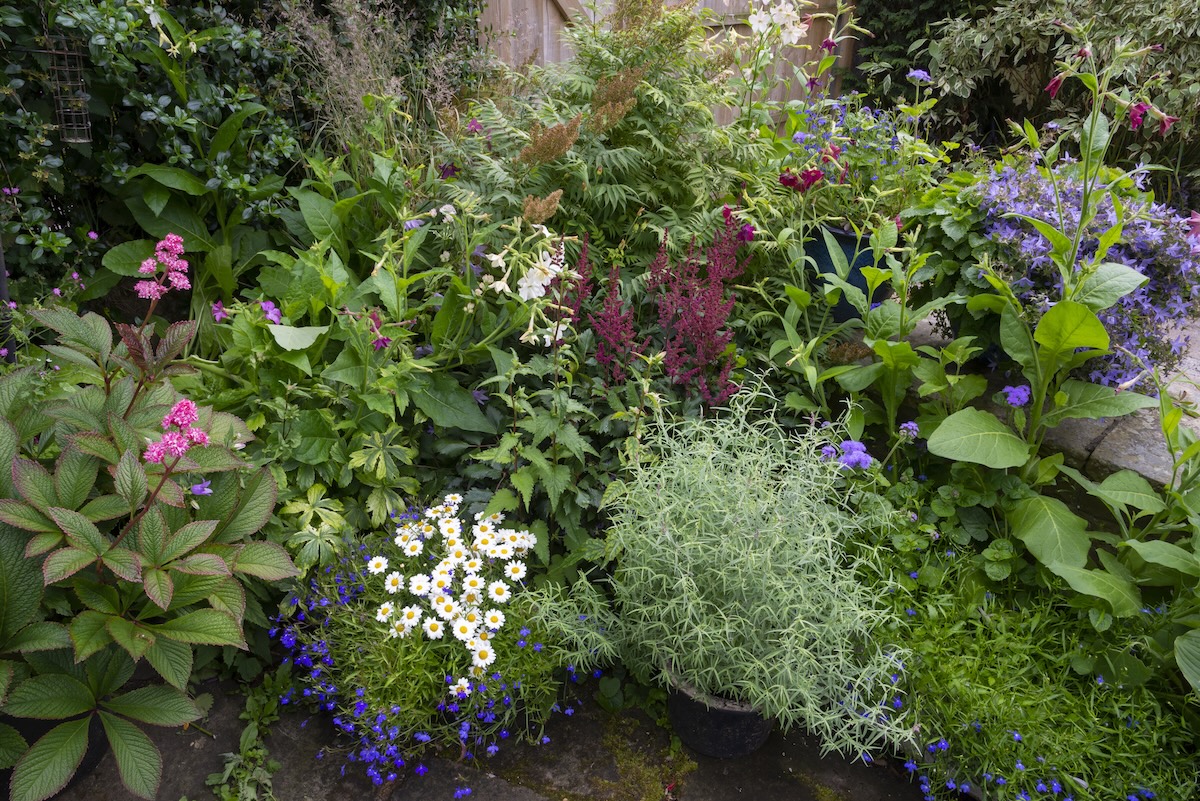

A shady yard does not have to look like the place where colorful gardening dreams go to take a nap. While roses, zinnias, and many other famous bloomers demand hours of direct sunshine, plenty of spectacular flowers are perfectly comfortable under trees, beside fences, along north-facing walls, or in those awkward corners where the sun appears for roughly the length of a coffee break.
The trick is understanding what “shade” actually means. Full shade usually still receives indirect light or a limited amount of direct sun, while partial shade may receive several hours of sunlight, often in the morning. Soil moisture matters just as much. Established trees can create surprisingly dry conditions because their roots compete aggressively for water, even when the ground looks cool and sheltered.
Fortunately, shade-loving flowers come in practically every personality: elegant feathery plumes, dramatic heart-shaped blossoms, tiny blue flowers, tropical-looking begonias, and cheerful annuals that bloom until frost. Here are 10 gorgeous flowers that grow in shade and can transform a dim corner into one of the most interesting parts of your garden.
Before Planting: Know What Kind of Shade You Have
Not all shade is created equal. A flower bed receiving gentle morning sun followed by afternoon shade is very different from a patch beneath a dense evergreen canopy. Before buying plants, watch your proposed garden area during the day.
- Partial shade: roughly three to six hours of direct or filtered sunlight.
- Dappled shade: changing patches of light filtering through tree branches.
- Full shade: little direct sunlight, although the area should still receive usable ambient light.
- Dry shade: shaded soil that remains relatively dry, commonly underneath mature trees.
- Moist shade: consistently moist but usually well-drained ground, ideal for many woodland-style perennials.
Choosing the right plant for the actual site is more effective than trying to convince a sun-loving flower that darkness builds character. University Extension guidance consistently emphasizes matching plants to light, moisture, soil, and climate rather than treating every shady bed as identical.
10 Gorgeous Shade-Loving Flowers
1. Astilbe
If a shade garden had a formal-wear department, astilbe would be standing near the entrance wearing something expensive and feathery. This perennial produces upright plumes covered with tiny flowers in shades of white, blush pink, rose, red, and lavender.
Astilbe performs especially well in partial to full shade when the soil remains consistently moist. Chicago Botanic Garden notes that astilbes need a dependable moisture supply throughout the growing season, while Missouri Botanical Garden recommends them as reliable plants for shaded and woodland-style gardens. Depending on cultivar and climate, flowers generally appear from late spring through summer.
Plant astilbe beside hostas, ferns, or coral bells to create layers of contrasting foliage. Avoid letting the soil remain dry for long periods, since thirsty astilbe leaves can develop crispy brown edges surprisingly quickly.
Best for: Moist shade, woodland gardens, borders, and cottage gardens.
2. Bleeding Heart
Few flowers have a shape as instantly recognizable as bleeding heart. Its arching stems carry rows of dangling pink-and-white or red-and-white blossoms shaped like tiny hearts. Romantic? Absolutely. Slightly melodramatic? Also absolutely.
Traditional bleeding heart, now commonly classified as Lamprocapnos spectabilis, prefers partial shade and rich, reasonably moist soil. Iowa State University Extension recommends it for partially shaded perennial gardens, while Missouri Botanical Garden highlights its arching flowers and finely divided foliage. In warmer weather, traditional varieties may naturally become dormant after flowering, so do not immediately assume you have committed horticultural manslaughter when the foliage disappears.
Plant bleeding heart behind later-emerging perennials such as hostas. When the bleeding heart retreats for summer, neighboring foliage can fill the empty space.
Best for: Spring color, woodland borders, romantic cottage gardens, and filtered shade.
3. Hellebore
Hellebores are the overachievers of the shade garden. While many plants are still considering whether winter is really finished, hellebores may already be producing sophisticated nodding flowers in white, cream, pink, burgundy, purple, or nearly black.
Lenten rose hybrids thrive in dappled, partial, and even fairly deep shade. They prefer organically enriched, well-drained soil and perform particularly well where they are protected from intense heat and harsh afternoon sun. Depending on the species and climate, flowering can begin in late winter and continue into spring.
The evergreen or semi-evergreen foliage also provides valuable texture after blooming finishes. Once established, many hellebores need relatively little attention. One caution: hellebores contain compounds that can be toxic if eaten, so gardeners with curious pets or young children should place them thoughtfully.
Best for: Winter interest, early-spring flowers, woodland gardens, and shady foundations.
4. Columbine
Columbine looks as though somebody handed a watercolor set to a hummingbird and told it to design a flower. Its graceful blossoms feature distinctive spurs and occur in combinations of red, yellow, blue, purple, pink, and white.
Many columbines tolerate or prefer partial shade, particularly in regions with hot summers. Western and native species are especially attractive additions to naturalistic gardens. Oregon State University notes that columbine can perform in partial shade, while Illinois Extension identifies native wild columbine as a woodland plant suited to shade or partial shade and valuable to hummingbirds and bees.
Columbine usually flowers in spring or early summer. Individual plants may be relatively short-lived, but many varieties reseed willingly when happy, creating pleasantly informal colonies.
Best for: Pollinator gardens, naturalistic beds, woodland edges, and spring color.
5. Coral Bells
Coral bells, or Heuchera, prove that shade gardens do not need flowers every second of the season to stay colorful. Their foliage can be lime green, caramel, silver, burgundy, purple, bronze, or nearly black, depending on the cultivar.
Then the flowers arrive. Thin stems rise above the foliage carrying delicate bells in white, pink, or red. Many heucheras perform particularly well in light or partial shade, where their colorful foliage is less likely to be stressed by intense afternoon sun. Oregon State University describes coral bells as performing best in light shade, while Colorado State University includes them among plants suited to partially shaded gardens.
Use several cultivars together and you can create impressive color before a single flower opens. Just make sure the crown is not buried too deeply and provide soil that drains well.
Best for: Edging, containers, foliage contrast, pollinator beds, and part shade.
6. Brunnera
Brunnera, often called Siberian bugloss or false forget-me-not, is a shade-garden favorite with two distinct selling points. First come clouds of tiny blue flowers resembling forget-me-nots. Then the large heart-shaped leaves take over as the main attraction.
Modern cultivars such as ‘Jack Frost’ feature heavily silvered foliage that seems to brighten shaded spaces all by itself. Colorado State University lists brunnera among perennials adapted to part shade and shade, and Illinois Extension recommends it as a reliable perennial for adding both flowers and distinctive foliage to shaded beds.
Brunnera generally prefers organically rich, moist, well-drained soil and appreciates protection from strong afternoon sun. Pair silver-leaved varieties with deep-green ferns or dark heucheras for dramatic contrast.
Best for: Woodland gardens, spring flowers, silver foliage, and cool shaded borders.
7. Tuberous Begonia
If your idea of a shade flower involves giant, ridiculously luxurious blooms, tuberous begonias deserve a shopping-cart reservation. Their flowers can resemble roses, carnations, or camellias and appear in brilliant orange, yellow, pink, red, white, and bicolored forms.
Unlike many large-flowered annuals, tuberous begonias do not require blazing sunshine. University of Illinois Extension recommends them for shade gardens and containers, noting that they perform best in moist, organically rich, well-drained soil and favor cooler summer conditions.
They are particularly spectacular in hanging baskets, porch containers, and raised planters where their flowers can spill toward eye level. Keep them evenly moist but never waterlogged because begonias appreciate hydration without wanting their roots to become soup.
Best for: Containers, hanging baskets, porches, patios, and colorful summer shade.
8. Impatiens
Impatiens earned their reputation as shade-garden classics for a simple reason: they produce an enormous amount of color without demanding an enormous amount of sunshine.
Traditional impatiens flower in red, coral, pink, salmon, purple, white, and assorted bicolors. Illinois Extension notes that standard impatiens perform best in shade, while New Guinea types generally tolerate more sun. Consistent moisture helps maintain good flowering and plant quality.
Mass plantings can turn a shadowy border into what looks suspiciously like a floral carpet. They are also excellent container plants. In regions where impatiens downy mildew has historically been problematic, gardeners can look for resistant cultivars or alternative shade annuals available from reputable local nurseries.
Best for: Continuous summer color, containers, borders, window boxes, and mass planting.
9. Torenia
Torenia deserves much more attention than it gets. Commonly called wishbone flower, this compact annual produces cheerful trumpet-like blooms in purple, blue, pink, white, and combinations featuring contrasting throats.
It is particularly valuable because it continues flowering through summer while tolerating partial or even fairly substantial shade. Illinois Extension recommends torenia for part-to-full shade, while Mississippi State Extension includes wishbone flower among annuals suitable for shaded or semi-shaded gardens.
Torenia likes consistent moisture and good drainage. Trailing cultivars are excellent for hanging baskets and window boxes, while compact varieties work beautifully along the front of shaded beds.
Best for: Summer containers, hanging baskets, edging, and difficult shady corners.
10. Japanese Anemone
After spring shade flowers have finished performing and summer annuals have been working overtime, Japanese anemones arrive with an elegant late-season finale.
Their tall, slender stems carry graceful pink or white flowers above mounds of foliage. Colorado State University lists Japanese anemones among perennials for part shade to shade, with many forms flowering from late summer into fall.
Japanese anemones appreciate moist, well-drained soil and room to establish. Once comfortable, some cultivars spread through underground growth, which can be either wonderful or mildly alarming depending on whether you wanted three plants or an anemone empire.
Place them toward the middle or back of a border, where their taller flower stems can float above lower shade plants such as heuchera and brunnera.
Best for: Late-season color, cottage gardens, perennial borders, and partial shade.
How to Keep Shade Flowers Blooming Beautifully
Improve the Soil Before Planting
Many classic shade flowers originated in woodland-like environments where decomposing leaves continually enrich the ground. Adding compost or other organic matter can improve soil structure, although amendments should be appropriate for your existing soil conditions.
Good drainage remains critical. “Likes moisture” rarely means “enjoys spending July underwater.” Clemson Extension’s shade-plant guidance and multiple university recommendations emphasize choosing species according to both light and soil conditions.
Do Not Assume Shade Means Wet Soil
One of the most common surprises in shade gardening is finding dry soil beneath a giant tree. Mature roots can consume substantial water, while the canopy may intercept rainfall before it reaches the ground.
Monitor newly planted flowers carefully during their first growing seasons. Astilbe, impatiens, torenia, and brunnera particularly appreciate reliable moisture, although drainage should remain good.
Use Foliage as Part of the Show
Flowering can be somewhat reduced in shade compared with full-sun conditions, making foliage especially important. Illinois Extension recommends combining contrasting leaf sizes, shapes, textures, and colors to keep shaded gardens visually interesting even between bloom periods.
Try silver brunnera beside burgundy heuchera, feathery astilbe beside broad hosta leaves, or delicate bleeding-heart foliage beside substantial evergreen hellebores.
Plan for a Sequence of Blooms
A gorgeous shade garden should not depend on one spectacular weekend in May.
Hellebores can begin the season in late winter or early spring. Bleeding heart, brunnera, and columbine follow during spring. Astilbe contributes later color. Begonias, impatiens, and torenia can carry summer, while Japanese anemones extend interest toward fall.
That sequence gives the garden changing personalities instead of one brief explosion followed by several months of enthusiastic leaves.
A Gardener’s Experience: What a Shade Garden Teaches You
A useful way to understand shade gardening is to imagine developing a neglected bed beneath several mature trees. At first glance, the problem appears obvious: the area needs plants that tolerate less sun. So the natural temptation is to visit a garden center, find anything wearing a “shade” label, and begin planting with the confidence of someone assembling furniture without reading the instructions.
Then reality becomes educational.
The first lesson is that shade changes during the day and throughout the year. A bed that appears completely dark at 3 p.m. might receive three hours of gentle morning sunlight. In early spring, deciduous trees may allow considerable light to reach the ground before their leaves emerge. By June, the same spot may become heavily shaded. Watching the area before planting can completely change which flowers make sense.
The second surprise is water. Cool-looking soil underneath a tree can be remarkably dry. Astilbes placed too close to aggressive tree roots may wilt even though the location seems perfect on paper. Moving them to a slightly brighter position with better access to moisture can produce dramatically better growth. Meanwhile, established hellebores may tolerate those challenging root zones far more comfortably.
Planting in layers also changes everything. Suppose the garden begins with bleeding hearts and hellebores. Spring looks fantastic, but when traditional bleeding-heart foliage declines during summer, mysterious empty spaces appear. Adding brunnera, heuchera, hostas, or later-emerging plants around them disguises those gaps. Suddenly the bed looks intentional rather than as though several plants quietly packed their bags.
Annual flowers can solve another common problem: impatience. Perennials often need time to establish, and a newly planted woodland border can look rather sparse during its first season. Tucking impatiens, torenia, or begonias between young perennials provides immediate color without permanently occupying valuable space.
Containers are useful experiments, too. A tuberous begonia in a large pot can be moved until its preferred light level becomes obvious. If the leaves scorch, shift it farther from direct sun. If flowering becomes weak, move it somewhere brighter. Container gardening turns the patio into a tiny horticultural laboratory, only with fewer lab coats and considerably more watering cans.
Another lesson is that shade gardens often become more interesting when flowers stop being the only objective. A silver brunnera leaf beside deep-purple heuchera can provide more visual contrast for months than a flower that lasts two weeks. Fern-like foliage, broad leaves, variegation, height differences, and evergreen structure help the garden remain attractive when relatively little is blooming.
Finally, successful shade gardens reward observation more than aggressive maintenance. Rather than constantly trying to force plants to perform, gardeners gradually learn which microclimates suit each species. One corner may favor moisture-loving astilbe; another may support hellebore beautifully; the edge receiving morning light may be perfect for columbine.
Over several seasons, what once seemed like the yard’s most inconvenient area can become its most layered and atmospheric garden. Shade stops feeling like a limitation and starts functioning as a design feature.
Conclusion
You do not need six or eight hours of blazing sunshine to grow a colorful flower garden. Astilbe can produce feathery summer plumes, bleeding hearts deliver unforgettable spring flowers, hellebores brighten the transition out of winter, and columbines bring woodland charm. Coral bells and brunnera combine flowers with outstanding foliage, while begonias, impatiens, and torenia provide generous summer color. Japanese anemones can keep the performance going as the growing season moves toward fall.
The most important step is matching each flower to your specific kind of shade. Pay attention to direct sunlight, filtered light, soil moisture, drainage, tree-root competition, and your USDA hardiness zone. Shade gardening becomes much easier when you work with the conditions instead of attempting negotiations with the sun.
Choose several plants with different bloom periods, add contrasting foliage, keep moisture appropriate, and that forgotten shady corner may soon become the part of the garden visitors notice first.
Note: Hardiness, bloom time, mature size, and sunlight tolerance can vary by cultivar and local climate. Always check the plant label and regional Extension recommendations before planting, especially when choosing perennial varieties. Shade-flower recommendations in this guide were synthesized from U.S. university Extension programs and botanical institutions, including guidance from Minnesota, Iowa State, Illinois, Clemson, Mississippi State, Georgia, Colorado State, Oregon State, NC State, Missouri Botanical Garden, Chicago Botanic Garden, and The Morton Arboretum.