
Gardening is often presented as a quiet hobby involving floppy hats, expensive pruning shears, and someone whispering lovingly to a tomato plant. For Black girls and women, however, growing plants can mean much more. It can be creative expression, family tradition, environmental education, community building, emotional restoration, and a practical way to put fresh food on the table.
The growing visibility of Black girls gardening challenges the old idea that horticulture belongs to one type of person, neighborhood, or lifestyle. Black gardeners are growing collard greens in suburban backyards, basil on apartment balconies, flowers beside city sidewalks, and confidence in school gardens. Some are reconnecting with agricultural traditions. Others simply want a juicy tomato that does not taste like refrigerated cardboard.
Whether the garden contains forty raised beds or one determined mint plant on a windowsill, it can become a place where culture, science, beauty, and personal growth meet.
Why Black Girls Gardening Matters
Representation changes what people imagine themselves doing. When Black girls see gardeners, horticulturists, farmers, landscape designers, botanists, and environmental educators who look like them, gardening stops feeling like an activity they are merely visiting. It becomes a space in which they belong.
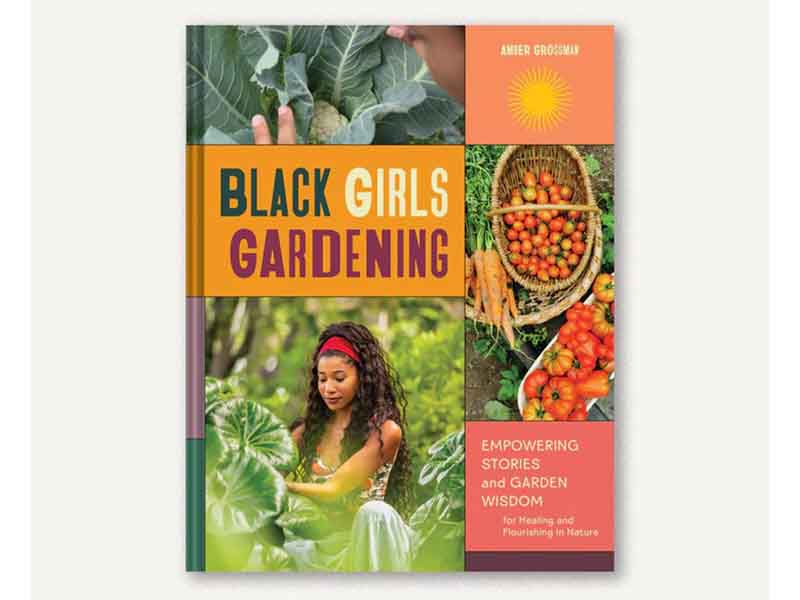
Online communities such as Black Girls Gardening and Black Girls With Gardens have helped make that representation easier to find. Their photos and stories show Black women growing food, collecting houseplants, designing landscapes, making compost, raising children around nature, and learning through the occasional gardening disaster.
That last part matters. A perfect social-media garden can be beautiful, but it can also make beginners believe that experienced gardeners never battle aphids, forget to water, or discover that a squirrel has treated the strawberry bed like a private breakfast buffet. Inclusive gardening communities make room for both polished harvest baskets and half-eaten cucumbers.
Gardening Creates a Sense of Belonging
Black-led gardening groups offer more than technical advice. They create places where people can discuss culturally meaningful crops, family recipes, neighborhood conditions, hair protection in hot weather, affordable supplies, and the history attached to the land.
For a young Black gardener, that sense of belonging can be powerful. She is not simply learning how roots absorb water. She is also learning that her observations matter, her cultural knowledge has value, and environmental spaces need her voice.
It Connects Generations
Many Black families carry gardening knowledge through memories rather than formal manuals. A grandmother may know when to plant beans by watching the weather. An uncle may save seeds from his strongest peppers. A parent may remember shelling peas on a porch or picking greens before Sunday dinner.
Inviting girls into the garden creates an opportunity to preserve those stories. Questions about a plant can open conversations about migration, rural childhoods, neighborhood change, traditional dishes, and relatives who grew food because buying everything at a grocery store was not an option.
Deep Roots in Black American History
Black gardening did not suddenly appear when plant photos became popular online. African American horticultural history reaches across centuries of survival, skill, creativity, and community leadership.
Enslaved Africans cultivated private food plots while also being forced to labor on plantations. These personal plots could provide additional food, medicinal plants, and occasionally produce that could be exchanged or sold. Crops such as okra, black-eyed peas, greens, sweet potatoes, and watermelons became closely connected to Black foodways, although their individual histories extend across multiple cultures and continents.
After emancipation, land ownership represented independence, safety, political power, and the possibility of passing wealth to future generations. Black farmers nevertheless faced violence, discriminatory lending, unequal access to government programs, and heirs’ property complications. Those pressures contributed to an enormous loss of Black-owned farmland during the twentieth century.
USDA’s 2022 Census of Agriculture counted 32,700 Black-operated farms and ranches covering approximately 5.3 million acres. The figure represents active agricultural communities, but it also reflects how much representation and equitable access still matter.
Black Women’s Garden Clubs
Black women have long used gardening as a form of civic leadership. In the twentieth century, African American garden clubs improved homes, planted public spaces, supported neighborhood beautification, and created social networks at a time when many white garden organizations excluded Black members.
The Negro Garden Club of Virginia, organized in the 1930s, promoted home improvement, community improvement, recreation, creative expression, and better relationships among racial groups. Decades later, Black women in Jackson, Mississippi, formed the Spade and Fork Garden Club. Myrlie Evers and her neighbors cultivated vegetables, herbs, flowers, and community connections while living at the center of the civil rights struggle.
These women were not decorating around history. They were helping shape it.
Gardens as Freedom Projects
Civil rights leader Fannie Lou Hamer founded the Freedom Farm Cooperative in Mississippi in 1969. The cooperative helped Black families gain greater access to food, housing, and economic opportunity. Its work illustrated a principle that remains central to food-justice movements: the ability to grow food can strengthen a community’s control over its future.
Modern Black-led farms and gardening programs continue this tradition through youth education, produce distribution, ecological training, and support for beginning growers. A garden may look peaceful from the sidewalk, but its roots can carry a serious argument about who deserves healthy food, safe land, and environmental opportunity.
Benefits of Gardening for Black Girls
Hands-On Science Education
A garden is a living laboratory with fewer fluorescent lights and more worms. Girls can observe germination, soil structure, pollination, decomposition, weather patterns, insect behavior, and plant diseases in real time.
These experiences make science tangible. Photosynthesis is easier to understand when one seedling has been placed in sunlight and another has spent a tragic week leaning toward a dark hallway. Measuring plant growth introduces mathematics. Recording rainfall builds data skills. Designing an irrigation system introduces engineering. Selling herbs or seedlings can teach entrepreneurship.
Culturally responsive garden programs can also connect scientific learning with African American history and food traditions. Instead of separating culture from science, they show students that agricultural knowledge has always involved observation, experimentation, and innovation.
Emotional Well-Being
Gardening cannot replace professional mental-health care, but research has associated gardening with emotional, social, and quality-of-life benefits. The repetitive work of watering, weeding, and tending plants can slow a racing mind. Growth also gives gardeners something hopeful to anticipate.
Plants operate on a schedule that ignores online drama. A bean does not care who left the group chat. It needs sunlight, water, and support. That simple reality can make a garden feel like a welcome break from academic pressure, social comparison, and constant notifications.
Gardening also teaches patience without requiring a lecture about patience. Seeds cannot be argued into sprouting faster. Gardeners learn to observe, adjust, and wait.
Movement Without a Treadmill
Digging, carrying soil, pulling weeds, turning compost, and moving watering cans involve physical activity. The intensity varies, but gardening can encourage regular movement while producing a visible result.
It may not feel like a traditional workout until someone carries three bags of soil across a yard and suddenly discovers muscles previously known only to anatomy textbooks.
Greater Familiarity With Fresh Food
Young people are often more willing to taste fruits, vegetables, and herbs they helped grow. A child who rejects store-bought lettuce may proudly eat a leaf she harvested herself, partly because it is fresh and partly because she has emotionally adopted it.
Gardening can expand access to produce, but it should not be romanticized as a complete solution to food insecurity. Families still need affordable grocery stores, reliable transportation, adequate income, safe water, suitable land, and equitable public policy. A community garden can be valuable without being expected to repair every failure in the food system.
How to Start a Garden Without Owning a Farm
A successful garden does not require acres of land. It requires a realistic plan based on available light, space, water, time, and budget.
1. Study the Sun
Before buying seeds, observe the proposed growing area throughout the day. Most fruiting vegetables and many culinary herbs perform best with at least six hours of direct sunlight. Leafy greens may tolerate somewhat less, especially in hot climates.
Do not guess based on how bright a window feels at noon. Track actual direct sunlight. Buildings, fences, balconies, and trees can create shade that moves dramatically across a space.
2. Choose the Right Growing Method
In-ground beds are economical when the soil is safe and workable. Raised beds offer greater control over soil conditions and can reduce bending when constructed at an accessible height. Containers are excellent for balconies, patios, porches, and rented homes.
Use containers with drainage holes and fill them with a quality potting mix rather than heavy yard soil. Potting mix is designed to retain moisture while allowing extra water to drain. Garden soil in a pot can become dense enough to qualify as a construction material.
3. Begin With Forgiving Plants
Good beginner choices include bush beans, cherry tomatoes, lettuce, radishes, collard greens, kale, basil, chives, mint, marigolds, and zinnias. The best selection depends on local climate and planting season.
Mint is vigorous and useful but should usually live in its own container. Otherwise, it may begin expanding across the garden with the confidence of a corporation acquiring smaller competitors.
4. Grow Something Meaningful
A culturally connected garden can include collards, mustard greens, okra, cowpeas, sweet potatoes, hot peppers, watermelon, or herbs used in family recipes. Ask relatives which plants they remember growing and how they prepared them.
The goal is not to create a museum of Black foodways. It is to build a living garden that reflects the gardener’s actual tastes, memories, curiosity, and climate.
5. Water Deeply and Consistently
Garden beds generally benefit from slow watering that reaches the root zone rather than frequent splashes on the surface. Many vegetable gardens need about an inch of water per week, including rainfall, although heat, soil type, plant maturity, and local conditions can change that requirement.
Containers dry more quickly than in-ground beds. Check them regularly by feeling the potting mix below the surface. Water until excess moisture leaves the drainage holes, and avoid allowing pots to stand in stagnant water.
6. Expect Problems
Yellow leaves, hungry caterpillars, fungus, weeds, and disappointing harvests are normal parts of gardening. Identify the problem before applying a pesticide or fertilizer. More product is not automatically more effective, and even organic treatments can harm beneficial insects when misused.
Keep a notebook with planting dates, weather observations, pest problems, treatments, and harvest results. The notes will become more valuable than a collection of random advice saved from social media at 1:00 a.m.
Creating a Garden Space That Centers Black Girls
Schools, nonprofits, families, and community organizations can make gardens more welcoming by involving girls in meaningful decisions rather than assigning them decorative tasks.
Let Girls Lead
Participants can select crops, design signs, create budgets, test soil, manage compost, plan harvest events, photograph plant development, and teach younger children. Leadership should include real responsibility and access to tools.
Include Black History Throughout the Year
African American agricultural history should not appear only during February. Lessons can feature Black botanists, farmers, herbalists, food entrepreneurs, environmental advocates, garden-club leaders, and landscape professionals whenever their work connects to the subject.
Marie Clark Taylor, the first Black woman known to earn a doctorate in botany, can inspire conversations about plant science and education. Fannie Lou Hamer can anchor discussions about food access and cooperative economics. Myrlie Evers and Black garden clubs can introduce landscape design as civic action.
Make Participation Affordable
Programs should provide gloves, tools, seeds, transportation assistance, drinking water, shade, and safe storage when possible. Garden participation becomes less inclusive when families must quietly absorb every cost.
USDA guidance notes that SNAP benefits may be used to purchase seeds and food-producing plants. Public libraries, seed exchanges, extension offices, neighborhood groups, and garden clubs may also offer free seeds or workshops.
Respect Different Relationships With Agriculture
Gardening can evoke pride and connection, but agricultural history can also carry painful associations with enslavement, sharecropping, exploitation, and land loss. Educators should not assume every Black child automatically feels spiritually connected to soil.
Participation should be invitational rather than sentimental. A girl may love gardening because of her grandmother, because she enjoys science, because she wants to sell flowers, or because digging holes is more entertaining than another worksheet. All are valid entry points.
From Backyard Hobby to Green Career
Gardening can introduce careers that young people may rarely encounter. Horticulture includes nursery management, greenhouse production, floral design, landscape architecture, urban farming, plant breeding, soil science, arboriculture, botanical research, environmental education, irrigation design, and public-garden management.
Green entrepreneurship can begin on a small scale. Teen gardeners might sell seedlings, herbs, flower bouquets, garden photography, handcrafted planters, or educational workshops. They can learn branding, inventory management, pricing, customer service, and responsible production.
Not every gardener needs to monetize her peace, of course. A hobby is allowed to remain a hobby. Nobody should have to build a six-figure basil empire simply because she successfully kept three plants alive.
Experiences From the Garden: What the Journey Really Feels Like
The experience of Black girls gardening rarely follows the polished sequence shown on a seed packet. It begins with excitement, passes through confusion, and eventually produces a mixture of vegetables, knowledge, pride, and stories.
A new gardener may start with a few containers because she has no yard. She buys tomato, basil, and pepper plants, imagining a summer filled with beautiful harvest baskets. During the first week, she waters everything enthusiastically. During the second, she discovers that enthusiasm is not a measurable irrigation method.
The tomato begins to curl in the afternoon heat. The basil develops spots. One pepper disappears overnight. After some investigation, she learns to check soil moisture, water in the morning, improve airflow, and inspect the undersides of leaves. The missing pepper remains an unsolved case, although the neighborhood squirrel refuses to answer questions.
As the plants recover, the gardener becomes more observant. She notices which section of the balcony receives morning sun. She learns that containers near a brick wall dry quickly. She recognizes new leaves, flower buds, lady beetles, and the tiny trails left by leaf miners. Her surroundings begin to look less like background scenery and more like an active ecosystem.
Family relationships may change, too. A grandmother explains how she cooked mustard greens. An aunt remembers growing tomatoes behind an apartment building. A parent who initially called the containers “more stuff on the porch” begins checking the peppers every morning. Harvest day becomes a small family event.
Community gardening creates a different set of experiences. A girl may arrive knowing nobody and leave with advice from three elders, seeds from a neighbor, and a responsibility to water the herb bed on Thursday. She learns that gardens are social spaces where knowledge travels in several directions. Adults teach pruning and planting; young people contribute technology skills, design ideas, and new ways to communicate the garden’s mission.
There are difficult moments. A heat wave can destroy seedlings. A neglected watering schedule can undo weeks of growth. Vandalism or insecure access to land can damage a community project. Some gardeners encounter dismissive comments suggesting that Black people do not garden, even though Black horticultural traditions are deeply embedded in American history.
Those moments reveal why representation is more than attractive photography. Seeing Black women and girls troubleshoot real garden problems helps beginners understand that mistakes do not prove they are outsiders. Mistakes prove they are gardeners.
Eventually, the first meaningful harvest arrives. It may be only five cherry tomatoes, a handful of herbs, or one heroic cucumber. The quantity is less important than the transformation behind it. A seed became food because someone paid attention day after day.
That experience creates confidence that extends beyond the garden. The gardener has planned, experimented, failed, adjusted, and produced something tangible. She understands that growth is not instant and that setbacks contain information. She has also learned when to ask for help, when to leave a plant alone, and when a caterpillar has enjoyed enough free lunch.
Over time, the garden becomes personal. Plant labels may carry family names. Flowers may be selected in favorite colors. A corner may be reserved for quiet reflection. Produce may be shared with neighbors or used in a dish that connects several generations around one table.
This is the fuller meaning of Black girls gardening. It is not one aesthetic, one crop list, or one definition of success. It is the freedom to participate in nature on one’s own termsto grow food or flowers, pursue science or stillness, honor history or create a new tradition. Every garden will look different, and that is precisely the point.