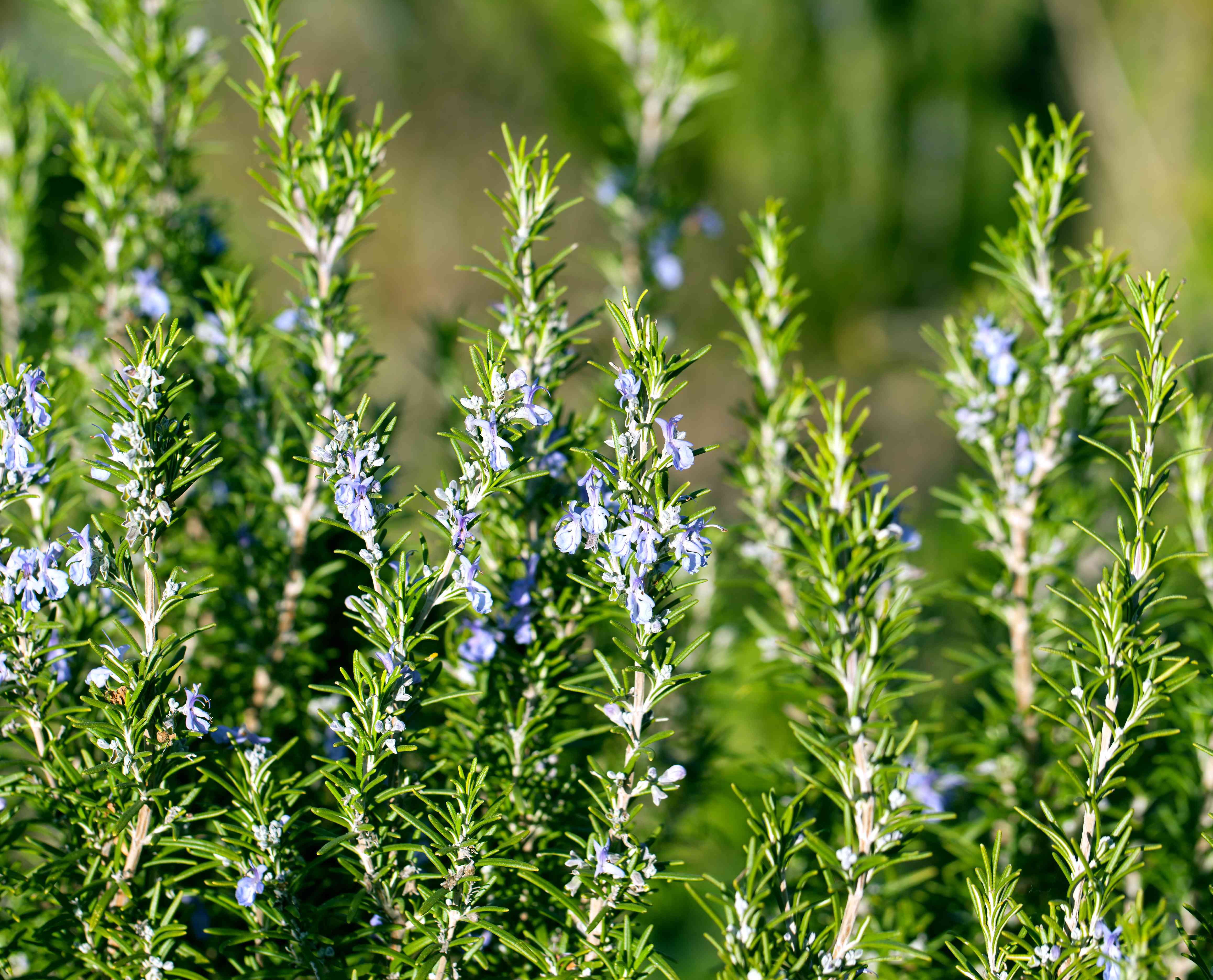

Rosemary has a funny reputation in winter. In July, it acts like a Mediterranean celebritysunny, fragrant, a little dramatic, but overall pretty easy to adore. Then winter arrives, and suddenly this once-confident herb becomes the plant equivalent of someone who packed for Italy and woke up in Minnesota.
If you have ever watched a healthy rosemary plant turn brown, crispy, and deeply offended by January, you are not alone. The good news is that winter rosemary care is not mysterious. It is mostly about understanding what this herb actually wants: bright light, excellent drainage, moderate moisture, cool conditions, and protection from the kind of cold that makes even people question their life choices.
This guide explains exactly how to care for rosemary in the winter so it survives the cold, whether your plant is growing in the ground, in a patio pot, or on your kitchen windowsill pretending it is still October.
Why Rosemary Struggles in Winter
Before you try to save rosemary in winter, it helps to know what usually kills it. Spoiler: it is not always the cold itself. In many gardens, rosemary is more likely to fail because of cold plus wet soil, fluctuating temperatures, winter winds, poor drainage, or indoor conditions that are too dark and too warm.
Rosemary comes from a Mediterranean climate, which means it likes sun, airflow, and soil that drains quickly. What it does not enjoy is sitting in heavy, wet winter soil like a wool sock in a puddle. If the roots stay soggy, root rot becomes a real problem. If the plant is brought indoors and then parked in a dim, overheated room, it often declines from stress, weak growth, and dry indoor air.
That is why successful winter rosemary care is less about pampering and more about smart conditions. Think “sunny, lean, and well-drained,” not “cozy, steamy, and constantly watered.” Rosemary is an herb, not a spa guest.
Know Your Climate Before You Do Anything Else
The first rule of overwintering rosemary is brutally simple: your location matters. If you garden in a warm climate, rosemary may stay outdoors year-round with only minor winter protection. If you live where winters are long, wet, or seriously cold, the strategy changes fast.
Rosemary winter survival by zone
In general, rosemary is most reliably perennial outdoors in USDA Zones 8 through 10. Zone 7 is a gray area where it may survive in a very sheltered, well-drained site, especially with a hardier variety and some protection. Zone 6 and colder is where gardeners usually have better luck growing rosemary in a container and moving it indoors or into protected shelter for winter.
If that sounds slightly unfair, it is. But it is also useful, because it tells you not to spend all winter arguing with the weather. If your rosemary is in the ground in a cold zone, your best move may be to start cuttings or keep a backup potted plant before winter really sets in.
How to Care for Outdoor Rosemary in Winter
If your rosemary stays outside during winter, your main job is to reduce stress around the roots and shield the plant from harsh exposure.
1. Prioritize drainage above everything
If your soil holds water in winter, rosemary is already giving you the side-eye. Amend dense soil before planting season, grow on a slope or raised bed if possible, and avoid spots where water collects after rain or snowmelt. A plant can sometimes handle cold better than wet feet. In fact, many gardeners lose rosemary because the roots sit in cold, saturated soil for too long.
2. Give it the sunniest, most sheltered spot
Rosemary wants winter sun, not winter drama. Plant it near a south-facing wall, stone border, or light-colored structure that reflects warmth and blocks wind. This kind of microclimate can make a real difference, especially in borderline growing areas. A windy, exposed corner is a terrible place for winter rosemary unless your goal is to run a botanical survival reality show.
3. Mulch carefully, not heavily
A light insulating mulch can help buffer temperature swings, but do not pile damp mulch against the crown of the plant. The goal is to protect the roots without trapping moisture around the base. Rosemary likes being protected, not smothered.
4. Use temporary protection during hard freezes
When a severe cold snap is coming, use frost cloth, row cover, or a temporary cold frame. In protected growing systems, row cover can make a major temperature difference. Just make sure any cover is breathable and removed when conditions improve. Wrapping rosemary like a leftover casserole for the entire winter is usually not the answer.
5. Do not overharvest in winter
You can clip a few sprigs, but do not prune heavily once growth slows. Rosemary is not producing much fresh growth in winter, and aggressive cutting can leave it more vulnerable. Think “seasoning for dinner,” not “topiary makeover.”
How to Overwinter Rosemary in a Pot
For many gardeners, container growing is the easiest way to help rosemary survive the cold. If your winters are rough, a pot gives you options: outside in mild weather, inside before severe cold, and back outdoors in spring.
Choose the right container
Terracotta or clay pots are often the best choice because they are porous and help the potting mix dry more evenly. That matters because rosemary hates being trapped in moisture. Whatever pot you use, it needs drainage holes. No drainage holes means no winter rosemary, just a polite timeline to root rot.
Use a fast-draining potting mix
Rosemary likes a loose, airy mix, not dense soil that stays wet for days. A quality potting mix with extra perlite or another drainage amendment works well. The point is to keep water moving through the container instead of lingering around the roots like an awkward party guest.
Bring it in before the worst cold arrives
If your rosemary is container-grown, do not wait until it has already been blasted by repeated hard freezes. Bring it indoors, into a garage with bright light, or into another protected space before conditions become extreme. Many gardeners move potted rosemary when temperatures are heading toward the freezing mark or around the low 30s Fahrenheit.
Remember that containers get colder than the ground
This is a sneaky but important point. Roots in a pot have less insulation than roots in garden soil, so container rosemary is often more cold-sensitive than in-ground rosemary. A plant that might cope outdoors in a protected bed may still struggle in an exposed pot on a windy patio.
How to Care for Rosemary Indoors in Winter
Indoor rosemary is where many gardeners get humbled. The plant looks adorable on the windowsill, smells amazing, and then starts dropping leaves as if it is auditioning for a tragedy. The fix is usually not more love. It is better conditions.
Give it as much light as possible
Light is usually the biggest limitation indoors. Rosemary wants bright light for much of the day, ideally six to eight hours or more, and many sources recommend a south-facing window. If your indoor light is weak, add a grow light. Long, pale, wiry growth is rosemary’s way of saying, “I cannot photosynthesize on optimism alone.”
Keep it cool, not tropical
Rosemary generally performs better indoors when temperatures stay cool rather than hot. A bright room around 60 to 65 degrees Fahrenheit is usually more helpful than a stuffy room near a heater. Many herbs also appreciate cooler nights. Keep rosemary away from radiators, heat vents, fireplaces, and other places where warm dry air blasts the foliage.
Water carefully
This is the balancing act. Rosemary should not sit in soggy soil, but it also should not be allowed to become bone-dry for long periods. Check the potting mix with your finger before watering. If the top layer is dry, water thoroughly and let excess water drain away. Then empty the saucer. Never let the pot sit in standing water unless you enjoy expensive lessons.
Improve humidity without creating a fungus convention
Dry indoor air can crisp the foliage, especially in homes heated with forced air. A pebble tray, occasional misting, or a humidifier can help in dry homes. That said, balance is important. Rosemary also needs airflow, and stagnant, humid air can encourage disease. In crowded indoor spaces, a small fan nearby can help keep air moving.
Rotate the pot
Turn the plant once a week so all sides receive light. Otherwise, it may lean dramatically toward the window like it is trying to escape and join the outdoor herb bed again.
Skip fertilizer during the heart of winter
Rosemary is not trying to set new growth records in January. Winter is usually not the time for pushing fresh, tender growth with extra fertilizer. Light feeding can resume when growth picks up again in spring.
Common Winter Rosemary Problems and Fixes
Brown leaf tips
This often points to dry indoor air, inconsistent watering, or general indoor stress. Check both the soil moisture and the humidity level. Also make sure the plant is not parked next to a heat source.
Dropping leaves
Leaf drop can happen after the move indoors, especially if light levels are poor. Increase light, avoid overwatering, and keep conditions cooler if possible.
Powdery mildew
Poor air circulation is usually the culprit. Space the plant well, avoid crowding it among other houseplants, and use a small fan if needed.
Spider mites or aphids
These pests love stressed indoor plants. Inspect rosemary regularly, especially the undersides of leaves. If pests show up, isolate the plant and address the problem early so it does not spread.
Whole plant collapse
Sadly, this often traces back to roots staying too wet. When rosemary suddenly declines from the center outward, do not just reach for the watering can. Check drainage first.
The Best Winter Rosemary Strategy by Situation
If you live in a mild winter climate
Keep rosemary outdoors in full sun, make sure drainage is excellent, and protect it only during unusual hard freezes.
If you live in a borderline climate
Plant a hardier variety such as ‘Arp,’ use a sheltered site, and keep backup cuttings or a potted plant. Borderline rosemary growing is less a science than a yearly negotiation.
If you live in a cold winter climate
Grow rosemary in a container from the beginning. Bring it indoors before hard frost, give it bright light, cool temperatures, careful watering, and good air circulation.
Final Thoughts: Rosemary Can Survive Winter, But It Needs the Right Kind of Help
If you want rosemary to survive the cold, the secret is not complicated. Give it sun, give it drainage, avoid soaking the roots, and do not force it to spend winter in a dim, overheated corner of your house while pretending everything is fine.
In other words, rosemary winter care is about matching the plant to the conditions it actually enjoys. Outdoors, that means dry soil, shelter, and protection from extreme weather. Indoors, that means bright light, cooler temperatures, modest watering, and enough airflow to keep the plant healthy.
Do that, and your rosemary has a far better chance of surviving winter and greeting spring still green, fragrant, and ready to season roasted potatoes like the hero it was always meant to be.
Real-World Winter Rosemary Experiences and Lessons Learned
Gardeners tend to remember their rosemary failures with suspicious clarity. Ask someone about the time their rosemary died in winter, and you will often get the full emotional recap: “It looked fine in November. I brought it in. I watered it. I cared. I believed.” Then by February, the plant looked like a brittle prop from a historical dust storm. That experience is incredibly common, and it teaches the same lesson over and over again: rosemary does not want more fuss; it wants better conditions.
One common experience happens with holiday rosemary topiaries. They arrive looking festive, neat, and absurdly confident, like tiny evergreen wedding cakes. People place them on a table away from the brightest window because they look decorative. Then they water lightly whenever they remember, keep the foil wrapper on the pot, and assume the plant is pleased to be indoors for the holidays. Unfortunately, rosemary often reads that setup as “dim light, trapped water, dry heat, and confusion.” The fix is simple but not obvious: remove decorative foil, place the plant in a bright cool spot, rotate it, and water based on the soil, not the calendar.
Another frequent experience comes from gardeners trying to overwinter rosemary outdoors in a borderline zone. The plant may make it through one mild winter, which creates dangerous optimism. The next year, a wetter or colder season arrives, and the same plant collapses. That is why experienced growers talk so much about drainage and microclimates. A rosemary plant beside a sunny wall with lean soil and wind protection may survive while another one ten feet away in heavier soil does not. Winter success is often hyper-local, which is both fascinating and mildly rude.
Indoor growers also learn that rosemary is terrible at sending dramatic thirst signals. Many houseplants wilt when dry, practically performing a one-act play called Please Water Me. Rosemary is less theatrical. It may stay upright while the root zone becomes too dry, then suddenly shed needles or brown from stress. On the flip side, it also reacts badly to overwatering. That is why experienced growers rely on touch: check the soil, feel the pot weight, water thoroughly, then let excess drain. It is less glamorous than intuition, but much more effective.
There is also the light lesson. Plenty of gardeners discover that “bright room” and “enough light for rosemary” are not the same thing. A room can seem bright to humans and still be dim for a sun-loving herb in December. Once growers move rosemary to a south-facing window or add a grow light, the plant often stops declining and starts acting like it has rejoined civilization. That one changemore lightcan be the difference between survival and a crunchy farewell.
Perhaps the most useful winter rosemary experience is the backup plan. Seasoned gardeners often root cuttings in fall or keep more than one plant. That is not pessimism. That is wisdom wearing garden gloves. If the mother plant struggles, the backups keep the rosemary story going. In practical terms, success with rosemary in winter usually comes from a combination of observation, restraint, and accepting that this herb likes conditions closer to a cool sunny porch in the Mediterranean than to the center of a heated living room in January.
Once you understand that, winter rosemary care becomes less frustrating. You stop trying to “save” the plant with constant watering, random feeding, or emotional support, and you start building the conditions it actually needs. And when rosemary makes it to spring still green and fragrant, the victory feels oddly personal. You did not just keep an herb alive. You won a seasonal negotiation with a woody Mediterranean shrub that had every reason to be difficult.