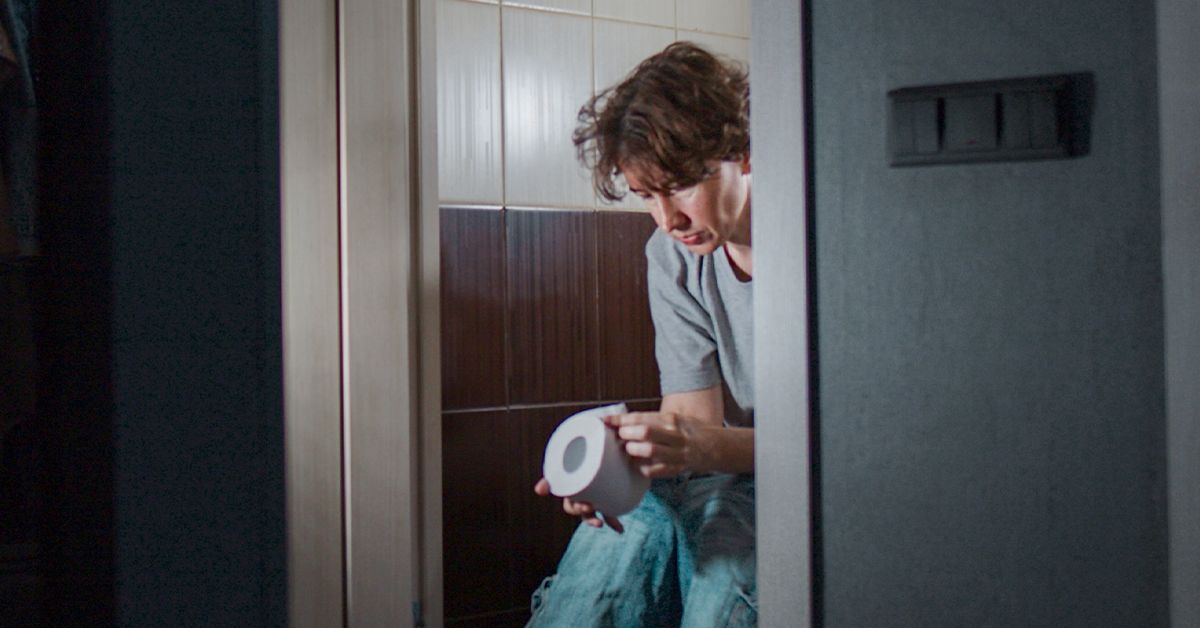

You are finally comfortable, the room is dark, and your brain has stopped replaying that awkward conversation from 2017. Then your bladder sends an urgent memo: bathroom, now. Once may be an occasional inconvenience. Waking two, three, or more times every night can be a medical symptom called nocturia.
Nocturia means waking from sleep to urinate and then returning to bed. Although one nighttime bathroom trip may not bother some people, two or more episodes are generally considered clinically significant, especially when they disrupt sleep, drain daytime energy, or increase the risk of falling. Nocturia is not a disease by itself. It is a symptom that can result from excess nighttime urine production, limited bladder capacity, sleep disorders, medications, or an underlying health condition.
The encouraging news is that frequent urination at night is often manageable. The less encouraging news is that the solution is not always as simple as refusing a glass of water after dinner. Effective treatment starts with identifying why the bladder is interrupting the night shift.
What Is Nocturia?
Nocturia is the need to wake during the main sleep period to urinate. A trip to the bathroom before falling asleep does not count, and neither does urinating after waking for the morning. There must be sleep before and after the bathroom visit for it to qualify as a nocturnal void.
Nocturia is different from nocturnal enuresis, or bed-wetting. With nocturia, you wake up and intentionally use the bathroom. With nocturnal enuresis, urine is released involuntarily during sleep.
The condition becomes more common with age, but it should not automatically be dismissed as “just getting older.” Age-related changes may contribute, yet frequent nighttime urination can also point to a treatable bladder, metabolic, cardiovascular, prostate, or sleep problem.
Why Do I Urinate So Much at Night?
The causes of nocturia generally fall into four overlapping categories: producing too much urine over 24 hours, producing too much urine specifically at night, having a bladder that stores less urine, or waking for another reason and deciding to urinate while already awake.
1. Drinking Too Much Fluid in the Evening
A large bottle of water, two mugs of tea, and a “small” soda that could double as a flower vase will eventually need an exit. Drinking substantial amounts during the final hours before bed is one of the most straightforward causes of nighttime urination.
Caffeine and alcohol can make the problem worse. Caffeine may stimulate the bladder and increase urgency, while alcohol can increase urine production and interfere with normal sleep. Carbonated drinks and acidic beverages may also aggravate symptoms in people with sensitive or overactive bladders.
2. Nocturnal Polyuria
Nocturnal polyuria means the body produces an unusually large proportion of its daily urine during the night. People with this pattern often pass normal or large amounts each time they wake, rather than making repeated trips that produce only a few drops.
Normally, the body increases production of an antidiuretic hormone during sleep, helping the kidneys conserve water. Hormonal changes with aging may reduce this nighttime effect. Nocturnal polyuria can also be associated with excessive evening fluids, obstructive sleep apnea, diabetes, leg swelling, heart disease, kidney problems, and certain medications.
3. Overactive Bladder
An overactive bladder can contract before it is comfortably full. Typical symptoms include sudden urinary urgency, frequent daytime urination, nighttime urination, and sometimes leakage before reaching the toilet.
People with overactive bladder may wake several times but pass relatively small amounts of urine. Causes and contributing factors can include nerve problems, bladder irritation, pelvic floor dysfunction, infection, medications, and age-related changes. Behavioral treatment, bladder training, pelvic floor therapy, medication, nerve stimulation, or other procedures may be considered depending on symptom severity.
4. Enlarged Prostate
Benign prostatic hyperplasia, commonly called BPH or an enlarged prostate, can narrow the urinary passage and prevent the bladder from emptying efficiently. A person may experience a weak stream, difficulty starting urination, dribbling, incomplete emptying, urgency, and frequent bathroom trips during the day or night.
Prostate enlargement is only one possible cause of nocturia in men. Treating BPH may help when obstruction is a major contributor, but prostate medication will not necessarily solve nocturia caused primarily by sleep apnea or excess nighttime urine production.
5. Urinary Tract Infection or Bladder Irritation
A urinary tract infection can cause urgency, frequency, pelvic discomfort, cloudy urine, and burning during urination. Symptoms may continue through the night because an inflamed bladder often signals the need to empty before it is full.
Bladder stones, interstitial cystitis, prostatitis, pelvic organ prolapse, and other urinary conditions can produce similar symptoms. New nighttime frequency accompanied by pain, fever, blood in the urine, or back pain deserves prompt medical evaluation rather than a home experiment involving cranberry-flavored everything.
6. Diabetes and Excessive Urine Production
When blood glucose is too high, the kidneys may remove excess glucose through the urine, pulling additional water with it. This can cause large-volume urination, increased thirst, and nighttime bathroom trips. Diabetes insipidus, a less common disorder unrelated to blood sugar, can also cause excessive thirst and production of unusually large amounts of dilute urine.
7. Obstructive Sleep Apnea and Insomnia
Sometimes the bladder is blamed for a problem that begins with sleep. Obstructive sleep apnea causes repeated breathing interruptions that can trigger hormonal and pressure changes associated with increased nighttime urine production. Loud snoring, gasping, morning headaches, daytime sleepiness, and witnessed pauses in breathing are important clues.
Insomnia can create a different pattern. A person wakes because of stress, noise, pain, hot flashes, or another sleep disturbance and then visits the bathroom simply because they are awake. In that situation, treating the sleep problem may be more useful than focusing exclusively on the bladder.
8. Fluid Retention, Leg Swelling, and Heart Problems
Fluid can collect in the legs during the day, particularly in people who sit or stand for long periods or have circulation, kidney, or heart conditions. After lying down, some of that fluid returns to the bloodstream, reaches the kidneys, and becomes urine.
Nocturia accompanied by swollen ankles, sudden weight gain, shortness of breath, unusual fatigue, or difficulty breathing while lying flat needs medical attention. These symptoms can be associated with heart failure or another condition that requires more than an earlier bedtime.
9. Pregnancy, Menopause, and Pelvic Floor Changes
During pregnancy, hormonal changes and pressure from the growing uterus can increase urinary frequency. After childbirth, weakened or injured pelvic floor muscles may contribute to urgency and leakage. Menopause can also affect tissues surrounding the urethra and bladder, increasing urinary symptoms in some people.
10. Medications
Diuretics, appropriately nicknamed “water pills,” increase urination and are often prescribed for high blood pressure, swelling, or heart failure. Taking them later in the day may increase nighttime urine production. Other medications may affect bladder contractions, sleep quality, blood glucose, fluid balance, or the ability to empty the bladder.
Do not stop, delay, or reschedule prescription medication on your own. A clinician may be able to adjust the timing safely, but the correct schedule depends on the medicine and the condition being treated.
How Nocturia Is Diagnosed
The most helpful diagnostic tool is often surprisingly low-tech: a bladder diary. For about three days, record:
- When and how much you drink
- What beverages you consume
- When you urinate
- The approximate amount of urine each time
- Episodes of urgency or leakage
- Bedtime, wake time, and sleep interruptions
- Medication timing and noticeable leg swelling
A diary helps distinguish large nighttime urine volumes from frequent small voids. It may reveal that the kidneys are producing too much urine, the bladder is storing too little, or sleep disruption is occurring before the urge to urinate. Major urology guidelines recognize voiding diaries as useful tools for evaluating urinary frequency and nocturia.
A medical evaluation may also include a symptom history, physical examination, urinalysis, blood glucose testing, kidney function tests, measurement of urine remaining after voiding, or an assessment for prostate, pelvic floor, heart, or neurological problems. A sleep study may be recommended when sleep apnea is suspected.
Nocturia Treatment Options
There is no universal “best nocturia treatment” because the symptom has many possible causes. First-line care usually combines practical lifestyle changes with treatment of the underlying condition.
Adjust Fluid Timing
Drink enough throughout the day to remain appropriately hydrated, but consider moving more of that intake to the morning and afternoon. Many people benefit from limiting fluids during the two to four hours before bed. The goal is smart timing, not dehydration.
People with kidney disease, heart failure, recurrent stones, diabetes insipidus, pregnancy, or medically prescribed fluid targets should ask a clinician before making major changes.
Reduce Evening Caffeine and Alcohol
Experiment with an earlier caffeine cutoff and reduce evening alcohol. Keep in mind that coffee is not the only caffeine source. Tea, cola, energy drinks, chocolate, and some medications may keep both the brain and bladder busier than planned.
Empty the Bladder Before Bed
Use the bathroom shortly before getting into bed. Some people with incomplete emptying may be advised to try double voiding: urinate, wait briefly, relax, and try again. This technique is not necessary for everyone, but it may help selected patients when recommended by a clinician.
Manage Leg Swelling Earlier
Afternoon leg elevation, regular walking, and clinician-approved compression stockings may help shift retained fluid before bedtime. Treating the cause of swelling is essential; compression garments are not appropriate for every circulation problem.
Treat the Underlying Condition
Depending on the cause, treatment may involve managing diabetes, clearing a urinary infection, treating sleep apnea, addressing constipation, improving heart or kidney care, managing an enlarged prostate, or treating overactive bladder.
Overactive bladder treatments can include bladder training, pelvic floor muscle therapy, antimuscarinic medications, beta-3 agonists, botulinum toxin injections, tibial nerve stimulation, or sacral neuromodulation. Potential benefits and side effects differ, so treatment should be individualized.
Review Medication Timing
A prescriber may recommend taking a diuretic earlier so its strongest effect occurs before bedtime. The exact timing depends on the medication, dose, blood pressure, swelling, heart function, work schedule, and other personal factors.
Consider Nocturia Medication Carefully
Desmopressin may be prescribed for certain adults with nocturia caused by nocturnal polyuria. It reduces urine production by mimicking the action of antidiuretic hormone. However, it can cause dangerously low blood sodium, known as hyponatremia. FDA-approved labeling includes significant warnings, contraindications, fluid restrictions, and sodium-monitoring requirements. It is not a casual “sleep through the night” pill and must be prescribed after careful screening.
How to Prevent Frequent Urination at Night
Not every case is preventable, but the following habits may reduce nighttime bathroom visits:
- Spread fluid intake across the day instead of catching up at night.
- Limit alcohol and caffeine, especially during the evening.
- Maintain steady management of diabetes, blood pressure, heart disease, and sleep apnea.
- Stay physically active to support circulation and reduce prolonged leg swelling.
- Address constipation, which can increase pressure on the bladder.
- Practice pelvic floor exercises correctly when recommended.
- Review medications periodically with a health care professional.
- Keep a clear, well-lit route to the bathroom.
For older adults, preventing falls is as important as reducing urine frequency. Motion-activated night-lights, secure rugs, supportive footwear, a bedside urinal or commode, and an uncluttered walkway may reduce injury risk. Nocturia and sleep disruption have been linked with nighttime falls, particularly in older populations.
When Should You See a Doctor?
Schedule an appointment when nocturia continues for more than several days, repeatedly wakes you two or more times per night, causes major fatigue, or affects work, mood, driving, balance, or quality of life.
Seek prompt medical care when nighttime urination occurs with:
- Blood in the urine
- Pain or burning during urination
- Fever, chills, pelvic pain, or back pain
- Inability to urinate or severe difficulty starting
- Extreme thirst or unexpectedly large urine volumes
- New weakness, numbness, or loss of bladder control
- Shortness of breath, chest discomfort, or significant leg swelling
- Confusion, severe headache, nausea, or seizures while taking desmopressin
These symptoms may indicate infection, obstruction, uncontrolled diabetes, a neurological problem, heart or kidney disease, or a medication complication.
Experiences With Nocturia: What the Problem Often Looks Like in Real Life
The following examples are fictional composites created from common symptom patterns. They are not accounts from identifiable patients.
The Evening Hydration Catch-Up
Marcus spent most workdays forgetting to drink anything except coffee. Around 8 p.m., he would realize his water bottle was still full and heroically finish it before bed. His body responded to this late act of hydration by waking him at midnight, 2 a.m., and 4 a.m.
His bladder diary made the pattern embarrassingly obvious. The nighttime urine amounts were large, and his worst nights followed late water, iced tea, or beer. He did not need to stop drinking adequate fluids. Instead, he moved most of his water intake to breakfast, lunch, and the afternoon. He also replaced evening iced tea with a smaller caffeine-free drink earlier in the evening. His nighttime trips decreased, and he stopped treating his 32-ounce bottle like a bedtime challenge.
The Bladder That Was Not the Main Problem
Denise assumed aging had simply made her bladder less cooperative. She woke three or four times per night and felt exhausted during the day. Her partner also mentioned loud snoring and occasional pauses in her breathing.
A clinician noticed that she passed fairly large amounts of urine at night and recommended an evaluation for obstructive sleep apnea. After sleep testing confirmed the condition, she began treatment. Her sleep quality improved, and the bathroom trips became less frequent.
Her experience illustrates an important point: waking to urinate does not always mean the bladder caused the awakening. Sleep disorders and nighttime urine production can be closely connected. Asking about snoring turned out to be just as important as asking about urinary urgency.
The Small, Urgent Bathroom Trips
Linda’s pattern was different. She woke with sudden urgency but produced only a small amount each time. During the day, she also rushed to the bathroom and occasionally leaked while unlocking the door.
Her evaluation ruled out infection and significant urine retention. With guidance, she began bladder training, learned pelvic floor urge-suppression techniques, reduced afternoon coffee, and treated chronic constipation. Medication was later added because behavioral changes alone did not provide enough relief.
Progress was gradual rather than cinematic. There was no magical morning when a choir announced that her bladder had been rebooted. Over several weeks, however, the intervals between bathroom trips lengthened and nighttime urgency became more manageable.
The Swollen-Ankle Clue
Robert noticed that his shoes felt tight by dinner, but his legs looked better each morning. At night, he urinated several times. Lying down allowed fluid that had collected in his lower legs to return to his circulation, where the kidneys processed it.
Because he also had shortness of breath, his clinician evaluated him for cardiovascular and kidney-related causes rather than simply recommending less evening water. His treatment plan included management of the underlying condition, medication review, daily weight monitoring, and strategies for swelling.
This pattern shows why self-treatment can miss the bigger picture. Nocturia may be the complaint that gets someone into the office, while ankle swelling or breathing changes reveal the condition that actually needs attention.
The Safety Problem Nobody Expected
Evelyn, an older adult with arthritis, could usually manage two nighttime bathroom trips. The real danger was her dark hallway, loose rug, and determination to walk without turning on a light because she did not want to “wake herself up too much.”
Her family installed motion-activated lighting, removed the rug, placed a stable support rail near the bathroom, and discussed her symptoms with her clinician. Even before treatment reduced the frequency, those changes made each trip safer.
Nocturia management is not only about counting voids. It is also about protecting sleep, independence, confidence, and physical safety. Sometimes the first useful intervention is medical. Sometimes it is behavioral. Sometimes it is moving the laundry basket out of the hallway before it becomes an orthopedic event.
Conclusion
Nocturia is common, but repeated nighttime urination should not automatically be accepted as an unavoidable part of aging. It can result from evening drinking habits, nocturnal polyuria, overactive bladder, prostate enlargement, infection, diabetes, sleep apnea, pregnancy, medication effects, fluid retention, or other medical conditions.
Begin by observing the pattern. A three-day bladder diary can provide valuable clues about fluid timing, urine volume, urgency, sleep interruptions, and medication use. Practical changes such as shifting fluids earlier, reducing evening caffeine and alcohol, managing leg swelling, improving bathroom safety, and treating constipation may help. Persistent symptoms deserve a clinical evaluation so treatment can target the actual cause instead of merely negotiating with the bladder at 3 a.m.