
Bee balm is the kind of garden plant that does not quietly sit in the corner and hope someone notices. It arrives in summer wearing fireworks-shaped flowers, smelling faintly minty, and waving in every bee, butterfly, and hummingbird within commuting distance. If your garden has been feeling a little too polite, bee balm is the botanical friend who shows up with snacks, music, and a guest list full of pollinators.
Known botanically as Monarda, bee balm is a North American native perennial loved for its bright blooms, aromatic foliage, and easygoing attitude. It is commonly called bee balm, bergamot, wild bergamot, horsemint, or Oswego tea, depending on the species and region. Most gardeners grow it for color and wildlife value, but the plant also has fragrant leaves that have long been used in herbal teas and garden crafts.
This complete bee balm care and growing guide covers everything you need to know: where to plant it, how much sun it needs, how often to water, when to prune, how to prevent powdery mildew, and how to keep it from staging a mint-family takeover. The good news? Bee balm is not fussy. The better news? With a little smart care, it can bloom beautifully year after year without turning your garden into a drama series.
What Is Bee Balm?
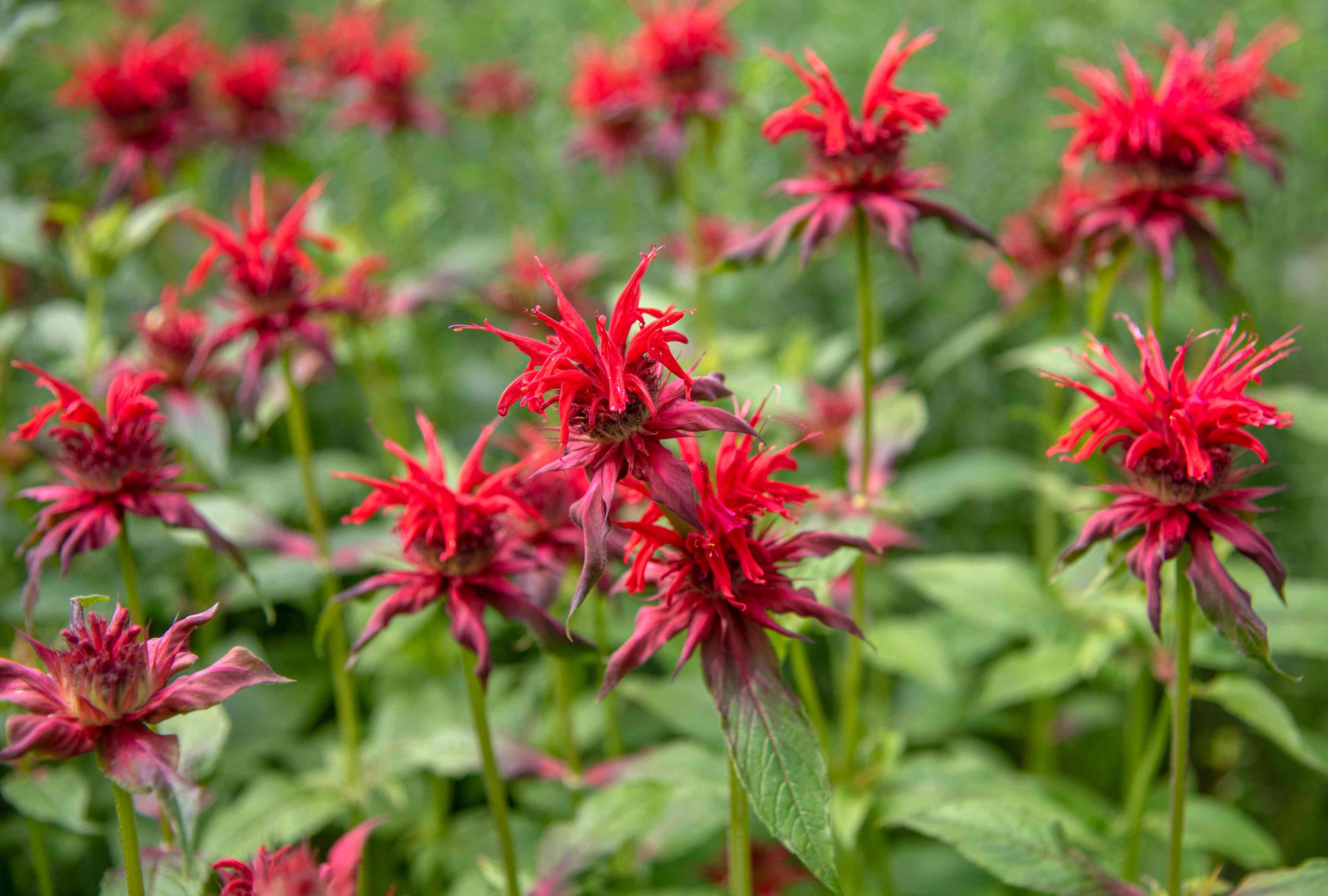
Bee balm belongs to the mint family, which explains its square stems, aromatic leaves, and enthusiastic spreading habit. The most popular garden species include Monarda didyma, often known as scarlet bee balm, and Monarda fistulosa, commonly called wild bergamot. Depending on the variety, flowers may be red, pink, lavender, purple, white, or a charming shade that makes hummingbirds behave as though they have found the garden buffet.
The flowers are tubular and arranged in shaggy, crown-like clusters. They look a bit like tiny fireworks frozen in mid-burst. This unusual flower shape is not just decorative; it is also highly attractive to long-tongued pollinators. Bees, butterflies, moths, and hummingbirds visit bee balm regularly, making it a smart choice for pollinator gardens, cottage gardens, native plant borders, and sunny perennial beds.
Most perennial bee balm varieties grow between 2 and 4 feet tall, though some compact cultivars stay shorter and work well near walkways or in containers. Once established, bee balm returns each year in suitable climates, usually blooming from early to midsummer into late summer. Some species and cultivars may flower even longer when deadheaded regularly.
Best Growing Conditions for Bee Balm
Sunlight
Bee balm grows best in full sun, which means at least six hours of direct sunlight per day. In full sun, plants usually produce stronger stems, more flowers, and better overall shape. Partial shade is acceptable, especially in hot southern climates where afternoon sun can be intense enough to make even the garden hose look tired.
However, too much shade can lead to fewer blooms and leggier growth. Plants grown in shady, crowded locations are also more likely to develop powdery mildew because leaves stay damp longer and air circulation is weaker. If you want the biggest flower show, choose a sunny site with room for air to move around the plants.
Soil
Bee balm prefers rich, moist, well-drained soil. Think of soil that holds moisture without becoming swampy. Compost is your friend here. Before planting, mix in compost or aged organic matter to improve fertility, structure, and moisture retention. Bee balm can tolerate clay soil better than many perennials, but heavy, waterlogged soil in winter can cause root problems.
A slightly acidic to neutral soil pH is generally suitable. If your soil is sandy and dries out quickly, add compost and mulch to help hold moisture. If your soil is dense clay, loosen the planting area and avoid planting in low spots where water sits. Bee balm likes moisture, but it does not want to live in a bathtub.
Temperature and Hardiness
Many bee balm varieties are hardy in USDA zones 3 through 9, depending on the species and cultivar. This makes them useful across much of the United States. In colder areas, bee balm usually dies back to the ground in winter and returns from the roots in spring. In warmer regions, afternoon shade, mulch, and consistent watering can help reduce heat stress.
How to Plant Bee Balm
The best times to plant bee balm are spring and fall. Spring planting gives roots a full growing season to settle in, while fall planting works well in mild climates if plants have several weeks to establish before hard freezes arrive. You can plant nursery-grown bee balm, divisions from an existing clump, or seedlings started from seed.
Step-by-Step Planting Instructions
Choose a sunny location with rich, well-drained soil. Dig a hole slightly wider than the root ball and about the same depth. Set the plant so the crown sits level with the surrounding soil surface. Backfill with soil, gently firm it around the roots, and water deeply. Add a 2-inch layer of mulch around the plant, keeping mulch a little away from the stems to prevent rot.
Space plants about 18 to 24 inches apart for compact varieties and 24 to 36 inches apart for taller, spreading types. Proper spacing is not just about neatness. It helps air circulate, reduces disease pressure, and gives each plant room to become the glorious pollinator magnet it was born to be.
Watering Bee Balm
Bee balm performs best with consistent moisture, especially during its first year. Water newly planted bee balm deeply once or twice a week, depending on weather and soil type. The goal is to moisten the root zone rather than sprinkle the surface like you are lightly seasoning a salad.
Established plants are more forgiving, but they still appreciate water during dry spells. Drought-stressed bee balm is more vulnerable to powdery mildew and may produce fewer flowers. A layer of organic mulch helps maintain even soil moisture, cools the root zone, and cuts down on weeds.
Whenever possible, water at the base of the plant rather than from overhead. Wet foliage, poor airflow, and humid weather create ideal conditions for fungal diseases. Morning watering is best because any splashed leaves have time to dry during the day.
Fertilizing Bee Balm
Bee balm is not a heavy feeder. In fact, too much fertilizer can cause lush, floppy growth that looks impressive for about five minutes and then collapses like a bad camping chair. Heavy nitrogen feeding may also increase powdery mildew problems by encouraging soft, crowded foliage.
In most garden soils, a spring top-dressing of compost is enough. If growth is weak, apply a small amount of balanced, slow-release fertilizer in early spring. Avoid repeated feeding throughout the season unless your soil is extremely poor. Bee balm prefers steady, moderate nutrition over a buffet of plant food.
Pruning and Deadheading Bee Balm
Deadheading for More Blooms
Deadheading means removing spent flowers before they set seed. For bee balm, this simple task can extend the bloom season and keep plants looking tidy. Once the first flowers fade, snip the flower stem back to just above a set of leaves or a side bud. New blooms may develop from lower buds, giving you a longer show.
Deadheading also helps reduce unwanted self-seeding. Bee balm is not shy about reproducing, and if conditions are right, it may spread by both seeds and underground rhizomes. If you want a naturalized, meadow-like look, let some seed heads remain. If you prefer a more controlled garden, keep your pruners handy.
Cutting Back in Summer
If plants become too tall or floppy, you can pinch or cut them back by about one-third in late spring or early summer before flower buds form. This encourages bushier growth and can delay flowering slightly, which is useful if you want a later bloom display. Gardeners sometimes use this method to keep tall perennials from leaning dramatically over their neighbors like gossip at a fence.
Fall Cleanup
After frost, cut diseased or mildew-covered stems to the ground and remove the debris from the garden. Do not compost infected foliage unless your compost pile gets hot enough to kill disease spores. If plants stayed healthy, you may leave some seed heads standing for winter interest and wildlife, then clean them up in early spring.
Common Bee Balm Problems
Powdery Mildew
Powdery mildew is the most common issue with bee balm. It appears as a grayish-white powdery coating on leaves and stems. Infected leaves may yellow, curl, or drop early, leaving the lower stems bare. The plant usually survives, but it may look as though it lost a pillow fight with a bag of flour.
The best defense is prevention. Plant bee balm in full sun, space it properly, water at soil level, and divide crowded clumps every few years. Choose mildew-resistant cultivars when possible, such as ‘Jacob Cline,’ ‘Marshall’s Delight,’ ‘Raspberry Wine,’ or other varieties recommended for disease resistance in your region. Good airflow is not optional; it is bee balm insurance.
If powdery mildew appears, remove badly infected leaves and improve air circulation by thinning stems. Avoid overhead watering. In severe cases, a labeled garden fungicide may help, but cultural care is the foundation of control. Healthy, unstressed plants handle disease pressure much better.
Spreading Too Much
Bee balm spreads by rhizomes, which are underground stems. This is useful when you want a full patch of flowers, but less charming when bee balm decides the neighboring lavender bed looks like available real estate. To manage spreading, divide clumps regularly, pull unwanted shoots in spring, or plant bee balm where it has room to roam.
Pests
Bee balm is generally resistant to deer and rabbits, largely because of its aromatic foliage. No plant is completely animal-proof, but bee balm is not usually at the top of the snack menu. Occasional pests may appear, but serious insect problems are uncommon when plants are grown in healthy conditions.
How to Divide and Propagate Bee Balm
Dividing bee balm keeps plants vigorous and prevents overcrowding. Plan to divide clumps every three to four years, or sooner if the center becomes woody, flowering declines, or the plant spreads beyond its assigned territory.
The best time to divide bee balm is early spring when new shoots are just emerging. Dig up the clump, shake off excess soil, and use a sharp spade or garden knife to separate healthy sections with roots and shoots. Replant divisions at the same depth, water well, and mulch lightly.
Bee balm can also be grown from seed, though named cultivars may not come true from seed. For predictable flower color and disease resistance, buy plants or divide an existing cultivar. For a looser native garden, seed-grown plants can be a fun and affordable option.
Growing Bee Balm in Containers
Compact bee balm varieties can grow well in containers, provided the pot is large enough and has drainage holes. Choose a container at least 12 to 16 inches wide for dwarf varieties, and larger for full-size plants. Use a high-quality potting mix that holds moisture while draining well.
Container-grown bee balm dries out faster than garden-planted bee balm, so check soil moisture often during hot weather. Water when the top inch of soil feels dry. Place the container where it receives morning sun and some afternoon shade in very hot climates. Because bee balm spreads by rhizomes, container plants may need repotting or division every year or two.
Best Companion Plants for Bee Balm
Bee balm pairs beautifully with other sun-loving perennials that enjoy similar growing conditions. Try planting it with coneflower, black-eyed Susan, garden phlox, anise hyssop, salvia, yarrow, switchgrass, or ornamental grasses. These companions create a layered pollinator garden with different flower shapes, heights, and bloom times.
For a native-style border, combine wild bergamot with purple coneflower, little bluestem, milkweed, and mountain mint. For a cottage garden look, mix red or pink bee balm with phlox, daisies, and catmint. Just remember to give bee balm room. It is sociable, but it does not understand personal space.
Seasonal Bee Balm Care Calendar
Spring
In spring, remove old stems if you left them standing over winter. Add compost around the plants, divide crowded clumps, and water new plantings regularly. Watch for emerging shoots and gently pull any that are spreading into unwanted areas.
Summer
During summer, water deeply during dry spells, deadhead faded flowers, and monitor for powdery mildew. Thin stems if plants look crowded. Enjoy the pollinators, because bee balm in bloom can turn an ordinary garden into a tiny airport for wings.
Fall
In fall, collect seeds if desired, cut back diseased foliage, and divide plants in mild climates if spring division is not convenient. Add mulch after the ground cools, especially in colder regions.
Winter
Bee balm needs little winter care. In cold climates, the top growth dies back and the roots rest until spring. Avoid soggy winter soil, which can harm roots. Otherwise, let the plant sleep. It worked hard all summer entertaining bees.
Popular Bee Balm Varieties
Choosing the right variety makes bee balm easier to grow. Taller types create bold background color, while compact cultivars fit small gardens and containers. Red-flowered varieties are especially attractive to hummingbirds, while lavender and purple wild bergamot varieties blend naturally into meadow plantings.
‘Jacob Cline’ is a popular red cultivar known for strong color and better powdery mildew resistance than many older types. ‘Marshall’s Delight’ offers pink flowers and good disease resistance. ‘Raspberry Wine’ has rich reddish-purple blooms and a strong garden presence. Native wild bergamot, Monarda fistulosa, brings lavender flowers and excellent value for pollinator plantings.
When shopping, check plant labels for mature height, spread, hardiness zone, and mildew resistance. Local extension recommendations are especially helpful because disease pressure and climate vary by region.
Is Bee Balm Right for Your Garden?
Bee balm is a great choice if you want a low-maintenance perennial with bold flowers, wildlife value, and a natural look. It suits pollinator gardens, rain gardens, native borders, cottage gardens, herb gardens, and sunny mixed beds. It is especially useful where you want color in midsummer, a season when some gardens begin to look a little sleepy.
However, bee balm may not be ideal for tiny formal beds where every plant must stay in a perfect circle and behave like a living sculpture. It spreads, it needs division, and it may get powdery mildew if crowded or stressed. If you can accept a little wildness, bee balm will reward you generously.
Practical Experience: What Growing Bee Balm Teaches You
One of the best lessons bee balm teaches is that “easy to grow” does not mean “ignore forever.” Bee balm is forgiving, but it responds noticeably to thoughtful care. A plant tucked into a sunny, airy bed with compost-rich soil often becomes a summer superstar. The same plant crammed into a damp, shady corner may bloom weakly and develop powdery mildew before you have even found your iced tea.
In real gardens, spacing matters more than many beginners expect. A small nursery pot may look lonely when planted 24 inches from its neighbors, but by the second or third year, that space makes sense. Bee balm fills out quickly. Crowding plants close together for instant impact can backfire later when airflow disappears. The result is often mildew, floppy stems, and a garden bed that looks like it needs a referee.
Watering is another practical lesson. Bee balm likes consistent moisture, but it does not want soggy roots. Deep watering during dry weeks is far better than frequent shallow sprinkling. Mulch helps tremendously, especially in hot climates or sandy soil. A simple layer of shredded leaves, pine straw, or composted bark can keep the root zone cool and reduce stress. Less stress means better blooms and fewer disease problems.
Deadheading is worth the small effort. When you remove faded blooms every few days, the plant looks cleaner and often produces more flowers. It also prevents the garden from being sprinkled with surprise seedlings. Surprise seedlings can be delightful in a meadow-style garden, but in a narrow border they may become less “charming cottage garden” and more “who authorized this expansion project?”
Division is the secret to long-term success. After several years, bee balm clumps can become crowded and less vigorous in the center. Digging and dividing the plant in spring refreshes growth, improves airflow, and gives you extra plants for other areas. It is one of those garden chores that feels intimidating the first time, then strangely satisfying afterward. You start with one tired clump and end with several healthy divisions, which feels like plant math in your favor.
Another experience many gardeners share is learning to choose varieties carefully. Older bee balm varieties can be beautiful but more prone to powdery mildew. Newer or well-selected cultivars with better disease resistance make maintenance easier. If mildew has been a recurring issue in your area, do not fight the same battle every year. Start with resistant varieties, provide sun and airflow, and let smart plant selection do some of the work.
Bee balm also teaches patience with imperfection. Even well-grown plants may get a little mildew late in the season, especially during humid weather. That does not mean failure. Often, the plant will return perfectly well the next year. Gardeners sometimes hide late-season lower foliage by planting shorter companions in front, such as catmint, black-eyed Susan, or compact ornamental grasses. This is not cheating. This is garden styling.
Finally, the biggest reward is the wildlife show. Few garden moments are as satisfying as watching hummingbirds hover around red bee balm or seeing bumblebees disappear halfway into the flowers. Bee balm makes a garden feel alive. It turns a flower bed into a habitat, a color display, and a daily nature show. For many gardeners, that is the real reason to grow it.
Conclusion
Bee balm is bold, beautiful, and wonderfully useful. Give it full sun, rich moist soil, good spacing, and occasional division, and it will return year after year with bright flowers and a steady stream of pollinator visitors. Keep an eye on powdery mildew, avoid overfertilizing, and water at the base to keep foliage healthier. With the right care, bee balm is less of a garden challenge and more of a summer celebration.
Whether you grow scarlet bee balm for hummingbirds, wild bergamot for a native border, or a compact cultivar for a patio container, this plant earns its place. It brings color, fragrance, movement, and ecological value to the garden. And yes, it may spread a bit. But honestly, if a plant is going to be enthusiastic, it might as well bring butterflies.