
There is a very specific kind of shopping fever that happens in a great hotel. It usually starts innocently. You notice the robe. Then the pillow. Then the small brass tray by the sink. By checkout, you are wondering whether it is socially acceptable to ask the front desk where they bought the soap dish. Good news: in many stylish hotels today, the answer is no longer a whispered design secret. It is a shop.
The best hotel shops are not just souvenir corners with logo mugs and emergency toothpaste. They are mini design departments, carefully stocked with bedding, bath goods, candles, ceramics, art books, local accessories, and the kind of objects that make a room feel collected instead of decorated. This is where hospitality meets home design, and frankly, it is dangerous in the most delightful way.
Below are ten easy pieces inspired by hip hotel shopsitems that can bring the mood of a memorable stay into everyday life without requiring room service, a bellhop, or a tiny shampoo bottle collection you absolutely do not need.
Why Hotel Shops Are Suddenly So Good
Hotel retail has evolved because travelers have changed. Guests no longer want only a clean room and decent Wi-Fi. They want atmosphere. They want a story. They want to wake up in a room that feels like a mood board came to life after drinking a very good espresso.
Design-forward hotels understand this. Boutique brands, luxury properties, and lifestyle hotels now use retail as an extension of the guest experience. If the bed is amazing, the hotel may sell the mattress, sheets, pillows, or duvet. If the lobby smells like polished wood, bergamot, and quiet money, there is probably a candle or room spray for that. If the bedside blanket has personality, guests can often buy it before the post-vacation glow fades.
The smartest hotel shops do three things well: they capture the personality of the property, highlight useful objects, and offer souvenirs that do not scream “I panicked at the airport gift shop.” Instead of clutter, they sell memory with function. That is the magic trick.
10 Easy Pieces: Hip Hotel Shop Finds Worth Bringing Home
1. A Hotel-Worthy Wool Blanket
A good hotel blanket is more than a layer of warmth. It is texture, color, and instant personality. Think of the striped, plaid, or graphic wool blankets often found in boutique properties that want their rooms to feel relaxed but intentional. A quality wool blanket folded at the end of the bed can make even a basic bedroom look like it belongs in a travel magazine.
Look for natural fibers, strong stitching, and colors that work with your existing room. Plaid is classic, but a muted geometric pattern can feel fresher. The trick is to avoid anything too flimsy. A hotel-style blanket should have weight. It should say, “I am cozy,” not “I came free with a picnic basket in 2007.”
2. Crisp White Sheets That Mean Business
Hotel bedding has a reputation for a reason. Crisp white sheets make a room feel cleaner, calmer, and more expensive. White bedding also gives you decorating flexibility because it works with almost any wall color, headboard, or throw pillow situation.
When shopping for hotel-inspired sheets, focus less on sky-high thread counts and more on material and feel. Cotton percale is cool and crisp. Sateen is smoother and slightly warmer. Linen has a casual, rumpled elegance that looks best when you stop trying to make it behave. Choose the fabric that matches how you sleep, not just what looks good in a product photo.
3. A Robe That Makes Tuesday Feel Like a Spa Day
A hotel robe is one of life’s great small luxuries. It turns brushing your teeth into a wellness ritual and makes answering emails feel slightly less tragic. The best robes are soft, absorbent, and substantial without making you feel like you are wearing a winter coat indoors.
For a classic hotel feel, choose white cotton terry or velour. For a lighter option, waffle weave is excellent, especially in warm climates. A robe should be easy to wash and comfortable enough for slow mornings. Bonus points if it has deep pockets, because life is better when your robe can hold a phone, lip balm, and one emergency cookie.
4. Signature Scent Candles and Room Sprays
Many hotels understand that scent is memory’s personal assistant. A lobby fragrance can instantly bring back the feeling of a trip: the first step through the revolving door, the cold drink at check-in, the faint panic of realizing your suitcase is heavier than airline law allows.
Hotel shops now commonly sell candles, diffusers, oils, and room sprays inspired by their signature scents. To use this idea at home, choose fragrance notes that fit your space. Citrus and herbs work well in kitchens. Wood, fig, amber, or tea notes feel sophisticated in living rooms. Lavender and soft musks belong in bedrooms if you want calm without smelling like a sock drawer sachet from 1983.
5. Oversized Bath Towels
Few things expose the difference between “ordinary bathroom” and “hotel bathroom” faster than towels. Thin towels are joyless. They do the job, technically, but so does a paper napkin in a rainstorm. A plush bath towel makes the whole routine feel better.
Choose towels with good absorbency, dense loops, and a size generous enough to feel luxurious. White is timeless, but warm neutrals, charcoal, sage, or pale blue can look more personal. If you want the full hotel effect, buy matching hand towels and bath mats. Coordination is not everything, but in a bathroom, it does quietly do a lot of heavy lifting.
6. A Small Tray for Everyday Clutter
Hotels are masters of containment. A small tray on a desk, nightstand, or bathroom counter makes random objects look intentional. Keys, rings, sunglasses, perfume bottles, and coins suddenly become a “curated vignette” instead of “evidence that you live here.”
Hotel-inspired trays can be wood, marble, ceramic, lacquer, leather, or metal. The best choice depends on the room. A brass tray warms up a modern bedroom. A stone tray adds polish to a bathroom. A wood tray keeps things relaxed. Choose one that is small enough to stay useful and beautiful enough that you will not cover it with receipts from three months ago.
7. Artful Coffee Table Books
Many hip hotel shops stock books because books instantly give a space intelligence, color, and cultural texture. Design books, photography collections, travel guides, cookbooks, and artist monographs all work beautifully as decor, but they should still be books you actually want to open.
The secret is to choose titles connected to your interests or favorite places. A book about desert architecture, coastal interiors, jazz photography, or regional food can say more about you than a generic decorative object ever could. Stack two or three on a coffee table, add a small bowl or candle, and suddenly your living room has opinions.
8. Handmade Ceramics
Great hotel shops often highlight local makers, especially ceramicists. A handmade mug, small vase, incense holder, or serving bowl gives a room the slight irregularity that makes it feel human. Perfectly matching everything can look flat; a little handmade wobble adds soul.
When buying ceramics, look for pieces that are both attractive and usable. A beautiful mug that feels strange in the hand will become shelf decoration. A small vase that works with supermarket flowers is more valuable than a dramatic vase requiring rare branches and a florist named Sebastian. Practical beauty wins every time.
9. A Better Bedside Lamp
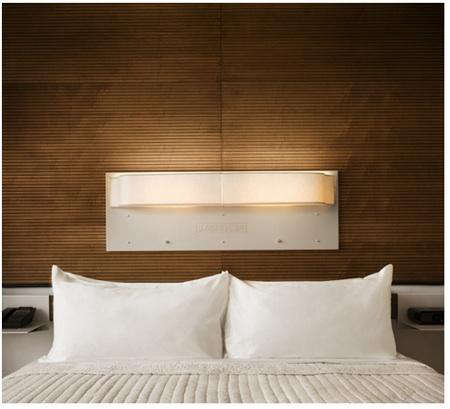
Hotel rooms are excellent teachers of lighting. The good ones use layers: reading lights, soft ambient lamps, bathroom lighting that does not make you question every life choice, and sometimes a sculptural lamp that quietly steals the show.
For a hip hotel look, replace harsh overhead lighting with a bedside lamp that gives warm, diffused light. Look for ceramic bases, linen shades, compact metal sconces, or simple globe lamps. The goal is atmosphere, not interrogation. Your bedroom should not feel like a convenience store at midnight.
10. A Smart Little Travel Object
The most charming hotel shop finds are often small: a leather luggage tag, canvas tote, eye mask, notebook, incense set, cocktail napkins, or a beautifully designed deck of cards. These objects are easy to buy, easy to carry, and easy to use.
The key is to choose small goods that feel connected to a place or experience. A tote from a favorite hotel can become a grocery bag with a story. A notebook bought on a trip may become your planning journal. A set of coasters can turn a coffee table into a tiny travel archive. The point is not price; it is resonance.
How to Shop Hotel Style Without Overdoing It
The biggest mistake in hotel-inspired decorating is trying to recreate an entire room too literally. Your home should not look like a checkout desk is hiding behind the sofa. Instead, borrow the principles: good bedding, considered lighting, calming scent, edited surfaces, tactile materials, and one or two memorable accents.
Start with the room where you want the biggest mood upgrade. For a bedroom, choose sheets, pillows, lighting, and a blanket. For a bathroom, focus on towels, robe, scent, and a tray. For a living room, start with books, ceramics, candles, and textiles. Hotel style works best when it feels collected over time, not purchased in one dramatic online cart at 1:17 a.m.
What Makes a Hotel Shop Find “Hip”?
A hip hotel shop find is not simply expensive or obscure. It has point of view. It feels connected to design, place, comfort, or craft. It solves a real home problem while adding charm. It can be quiet, like a perfectly weighted towel, or bold, like a patterned blanket that turns a plain bed into the most interesting thing in the room.
The best pieces also travel well emotionally. Long after the vacation ends, they carry a little of the hotel’s mood into your daily routine. That is why a robe, candle, mug, or tray can feel more meaningful than a mass-produced souvenir. It keeps the experience alive, but in a useful way.
Hotel Shop Finds by Room
For the Bedroom
Focus on bedding first. Choose white or neutral sheets, supportive pillows, a cozy throw, and soft lighting. Add a small tray on the nightstand for jewelry, lip balm, and whatever mysterious objects appear beside the bed by morning. A hotel-inspired bedroom should feel calm, not sterile. Add one personal element, such as art, a colorful blanket, or a handmade vase.
For the Bathroom
Upgrade towels, add a robe, and introduce a scent you love. Keep counters simple. A stone or ceramic tray can hold soap, lotion, and a small vase. If your bathroom is tiny, do not fight it. Boutique hotels are often brilliant with small spaces. Their lesson is simple: fewer things, better things.
For the Living Room
Bring in texture through throws, pillows, books, ceramics, and soft lighting. Hotel lounges often feel inviting because they combine comfort with visual rhythm. Try a stack of books, one sculptural object, a warm lamp, and a candle. That is enough. Your coffee table does not need to host a design conference.
For the Entryway
A hotel-inspired entry should make coming home feel intentional. Use a tray or bowl for keys, a hook for a tote, and maybe a small framed print or mirror. Add a subtle scent near the door if the space allows. The goal is to create a tiny arrival ritual, minus the person asking for your credit card and photo ID.
Budget Tips for Getting the Look
You do not need to buy every item directly from a hotel shop to get the feeling. Use hotel shops as inspiration, then mix original pieces with affordable alternatives. Spend more on items you touch daily, such as bedding, towels, pillows, and robes. Save on decorative accents like trays, baskets, books, and small ceramics by shopping local markets, vintage stores, museum shops, and independent makers.
Another smart approach is to buy one signature item. A great blanket, candle, or robe can carry the entire mood. Then support it with simpler basics. This keeps the design grounded and prevents your home from looking like a themed suite called “The Influencer Weekend.”
Experiences: What Hotel Shop Finds Teach About Living Better
The most interesting thing about hotel shop finds is that they reveal what people actually notice when they feel cared for. It is rarely one huge object. It is usually the small sequence of details: the clean smell in the lobby, the satisfying weight of a room key, the soft towel after a shower, the lamp that makes evening feel calmer, the blanket that invites you to sit down for five more minutes.
Bringing those details home is not about pretending every day is vacation. It is about paying attention to the ordinary routines that shape your mood. A better mug can improve your morning coffee. A real bedside lamp can make reading at night easier. A robe can make the space between shower and getting dressed feel less rushed. A good tray can stop your entry table from becoming a disaster zone with shoes nearby as emotional support.
One of the best lessons from hotel shops is editing. Hotels cannot fill rooms with random clutter because guests need visual calm. Every object must earn its place. At home, we often do the opposite. We keep things because they were gifts, because they were on sale, because they are “still good,” or because moving them requires making a decision. Hotel-inspired design gently asks: does this object make the room better, easier, calmer, warmer, or more useful?
Another lesson is sensory balance. Hotels are not designed only for the eyes. They think about touch, scent, sound, and movement. The sheets feel cool. The towel feels thick. The candle smells subtle. The lamp glows softly. The chair is placed where you naturally want to sit. When shopping for your own home, use the same test. Do not buy only for the photo. Buy for the hand, the morning, the tired evening, the real life.
Hotel shops also show the value of place. The best ones include local makers, regional materials, or objects that reflect the surrounding city. That idea works beautifully at home. Instead of filling a room with anonymous decor, include objects connected to where you live, where you have traveled, or what you care about. A ceramic bowl from a local studio, a print from a museum shop, or a blanket made by a heritage textile brand can make a room feel layered and personal.
Finally, these finds remind us that luxury does not always mean excess. Sometimes luxury is fewer towels, but better ones. One candle you love instead of five you tolerate. A blanket that lasts for years. A lamp that makes the room feel finished. A home that supports your daily rituals is more luxurious than a home packed with impressive things that never get used.
So the next time you stay in a hotel and find yourself admiring the soap, the sheets, the scent, or the little tray holding the water glasses, pay attention. That object may be telling you something about how you want to live. And if the hotel happens to sell it downstairs or online, well, that is not impulse shopping. That is research with a receipt.
Conclusion
Hip hotel shop finds are popular because they turn travel memories into everyday comfort. The best pieces are not gimmicks; they are useful, beautiful objects with atmosphere. A wool blanket, crisp sheets, plush towels, signature candle, handmade mug, or well-chosen tray can shift the feeling of a room without requiring a full redesign.
Think of hotel-shop style as a guide to better living: choose fewer things, choose them well, and let each piece contribute to comfort, beauty, or ease. Your home does not need to become a hotel. It just needs a little of that thoughtful hospitalitythe part that makes you exhale when you walk through the door.