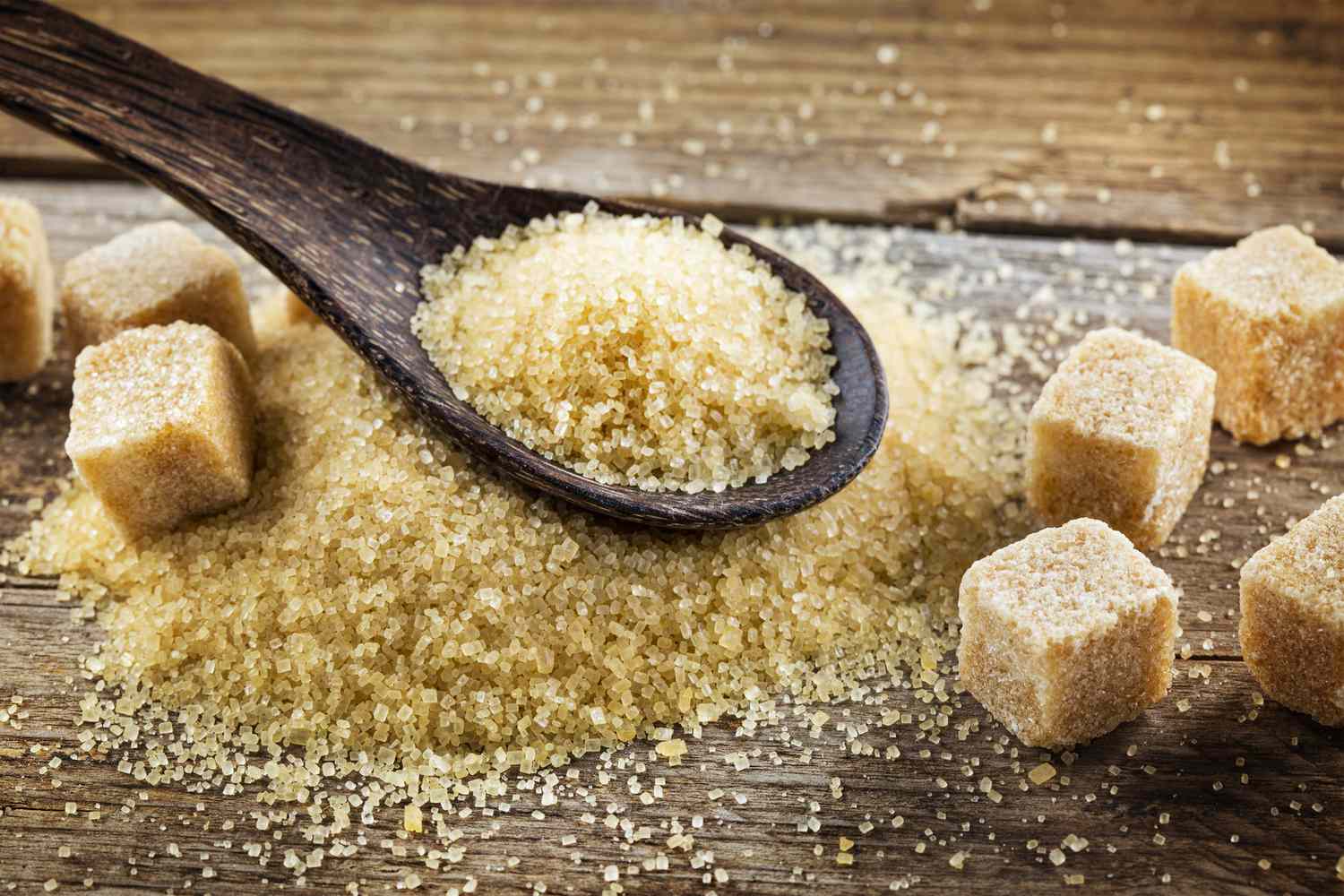

Demerara sugar is the golden, crunchy, slightly molasses-kissed sugar that looks like it dressed up for a bakery window. It has large amber crystals, a dry texture, and a warm caramel-like flavor that makes coffee taste cozier, cookies look prettier, and cocktail syrups feel a little more “craft” without requiring anyone to wear suspenders and discuss barrel aging.
In simple terms, demerara sugar is a minimally processed cane sugar. It is made from sugarcane juice that is crystallized and spun to remove much of the molasses, while still leaving a thin coating behind. That small amount of natural molasses gives demerara its pale brown color, subtle toffee flavor, and crunchy texture. It is not the same as regular brown sugar, and it is not a magic health food either. It is sugarjust sugar with better shoes.
What Is Demerara Sugar Made From?
Demerara sugar comes from sugarcane. The juice is extracted, clarified, evaporated, crystallized, and then separated from liquid molasses. Unlike white granulated sugar, which is refined further until it becomes bright white and neutral in flavor, demerara keeps a light molasses coating. That is why its crystals are golden brown instead of snow-white.
The name “Demerara” originally refers to the Demerara region of Guyana, a historic sugar-producing area in South America. Today, however, demerara sugar may be produced in different countries, so the name usually describes the style of sugar rather than guaranteeing a single place of origin.
What Does Demerara Sugar Taste Like?
Demerara sugar tastes mildly sweet with notes of caramel, light molasses, honey, and toasted sugar. It is less intense than dark brown sugar or muscovado sugar, but more flavorful than plain white sugar. Imagine regular sugar went on a weekend trip, came back relaxed, and started saying things like “depth of flavor.”
Because the crystals are large, demerara sugar also gives a noticeable crunch. This texture is one of its biggest strengths. It does not dissolve as quickly as fine granulated sugar, which can be helpful or annoying depending on the recipe. On top of muffins? Wonderful. In a delicate sponge cake batter? Possibly a tiny gravel road.
Demerara Sugar vs. White Sugar
White sugar is highly refined, fine-grained, and neutral in flavor. It dissolves easily and gives predictable results in baking. Demerara sugar is coarser, darker, and more aromatic because it retains a small amount of molasses. The two are both mostly sucrose, so they behave similarly in terms of sweetness and calories, but not always in texture.
When white sugar works better
White sugar is usually best for recipes that need a smooth texture, such as meringues, delicate cakes, custards, buttercream, candy making, and recipes where exact structure matters. Its fine crystals dissolve evenly and help create consistent results.
When demerara sugar works better
Demerara sugar shines as a finishing sugar. Sprinkle it over scones, muffins, banana bread, pie crust, crème brûlée-style toppings, oatmeal, baked fruit, or cookies before baking. It adds sparkle, crunch, and a gentle molasses flavor that makes simple desserts taste a little more bakery-worthy.
Demerara Sugar vs. Brown Sugar
Brown sugar is usually refined white sugar with molasses added back in. It is soft, moist, and clumpy because of that molasses content. Demerara sugar, by contrast, is dry and coarse. Its molasses flavor is lighter, and its crystals stay more distinct.
This difference matters in baking. Brown sugar adds moisture and chewiness to cookies, cakes, and quick breads. Demerara sugar adds crunch and surface texture. Replacing brown sugar with demerara in a cookie recipe may make the cookies drier or grainier unless the recipe is adjusted. Replacing demerara with brown sugar as a topping may taste fine, but you will lose that satisfying sparkle-crunch situation.
Demerara Sugar vs. Turbinado Sugar
Demerara and turbinado sugar are often confused because both are raw-style cane sugars with golden crystals and a mild molasses flavor. Turbinado sugar is usually lighter in color, slightly finer, and a bit drier. Demerara tends to have larger crystals and a richer, more noticeable caramel note.
In many everyday uses, they are interchangeable. You can use either one to sweeten coffee, make simple syrup, top muffins, or finish cookies. However, if a recipe specifically depends on the bold crunch of demerara, turbinado may be a touch less dramatic. Still delicious, just slightly less “ta-da.”
Common Uses for Demerara Sugar
1. Coffee and tea
Demerara sugar is popular in coffee and tea because it adds more flavor than white sugar. It gives hot drinks a light caramel note without the heaviness of dark brown sugar. Since the crystals are large, stir well and give them a moment to dissolve.
2. Baking toppings
This is where demerara sugar truly earns its pantry space. Sprinkle it over muffins, coffee cake, cookies, shortbread, pie crusts, cobblers, scones, and sweet breads before baking. The crystals hold their shape better than regular sugar, creating a crunchy, golden top.
3. Oatmeal and breakfast bowls
A small spoonful of demerara sugar can make oatmeal, yogurt bowls, chia pudding, baked apples, or grapefruit feel more special. It adds sweetness and texture, which is especially helpful when breakfast is otherwise giving “responsible but boring.”
4. Cocktails and simple syrup
Demerara syrup is a favorite in many cocktail recipes because it adds body and a deeper flavor than standard simple syrup. To make it, combine equal parts demerara sugar and water, heat gently until dissolved, cool, and store in the refrigerator. It works beautifully in whiskey cocktails, rum drinks, iced coffee, and homemade lemonades.
5. Savory cooking
Demerara sugar can also appear in rubs, marinades, glazes, and sauces. Its light molasses flavor pairs well with barbecue sauces, roasted carrots, glazed nuts, sweet-and-spicy snack mixes, and baked ham-style glazes. Use it where a little caramelization and texture are welcome.
Can You Substitute Demerara Sugar?
Yes, but the best substitute depends on how the sugar is being used.
For topping baked goods
Use turbinado sugar, sanding sugar, coarse sparkling sugar, or even granulated sugar in a pinch. Turbinado is the closest everyday substitute because it has a similar color and flavor.
For sweetening drinks
Turbinado sugar, light brown sugar, raw cane sugar, or white sugar can work. Brown sugar will add more molasses flavor and may make drinks taste heavier.
For baking inside doughs and batters
Be careful. Demerara’s large crystals do not dissolve as easily as white sugar or brown sugar. If you want to use it in cookies or cakes, consider pulsing it briefly in a food processor to make the crystals smaller. Do not overdo it unless you want powdered sugar with a tan.
Is Demerara Sugar Healthier Than White Sugar?
Demerara sugar is less refined than white sugar and contains trace amounts of minerals from molasses, such as calcium, potassium, magnesium, and iron. However, the amounts are very small. You would have to eat far too much sugar to get meaningful nutrition from it, and at that point the “health benefit” has left the building, changed its number, and blocked your calls.
Nutritionally, demerara sugar and white sugar are very similar. Both are added sugars. Both provide calories and carbohydrates. Both can raise blood sugar. Demerara may taste richer, which can help some people use a smaller amount, but it should still be enjoyed in moderation.
For general wellness, the most important point is not whether your sugar is white, brown, raw, organic, golden, fancy, or wearing a tiny crown. The bigger question is how much added sugar you consume overall. Demerara sugar is best treated as a flavorful ingredient, not a nutritional upgrade.
How Many Calories Are in Demerara Sugar?
A teaspoon of sugar generally contains about 15 to 16 calories and around 4 grams of carbohydrates. Demerara sugar is similar. Because its crystals are larger, a teaspoon may measure slightly differently depending on how it is scooped, but for everyday cooking, you can think of it as roughly comparable to regular sugar.
If you are watching added sugar intake, measure it rather than pouring freely. Demerara sugar has a charming habit of looking artisanal enough to feel harmless. Unfortunately, your body still recognizes it as sugar, not as a rustic lifestyle accessory.
How to Store Demerara Sugar
Store demerara sugar in an airtight container in a cool, dry place. Moisture can cause clumping, while too much air exposure can make the sugar hard over time. A sealed jar, pantry container, or resealable bag works well.
If your demerara sugar hardens, you can usually loosen it by breaking it up with a spoon or pulsing it briefly in a food processor. Because demerara is naturally dry compared with brown sugar, it does not need the same moisture-preserving tricks as soft brown sugar, but airtight storage still helps keep it easy to use.
Best Recipes and Foods for Demerara Sugar
Demerara sugar is especially good in recipes where texture matters. Try it on:
- Blueberry muffins
- Banana bread
- Apple crumble
- Peach cobbler
- Shortbread cookies
- Pie crust edges
- Cinnamon toast
- Roasted pears or apples
- Homemade granola
- Coffee, espresso drinks, and tea
- Demerara simple syrup for cocktails or iced coffee
One of the easiest ways to use it is to sprinkle a teaspoon over buttered toast with cinnamon. Is it a recipe? Barely. Is it delicious? Absolutely. Some of history’s greatest snacks are just good ingredients standing near each other with confidence.
Buying Tips: What to Look For
When shopping for demerara sugar, look for large, dry, golden-brown crystals. The label may say “demerara cane sugar,” “raw cane sugar,” or “pure cane demerara sugar.” Some brands sell organic versions, but organic certification does not change the basic role of the ingredient.
If you want the classic texture, avoid products that look too fine or powdery. Demerara sugar should be visibly coarse. If you are buying it mainly for coffee, crystal size is less important. If you are buying it for baking toppings, the crunch is the whole point.
Practical Experiences With Demerara Sugar
The first thing many home cooks notice about demerara sugar is that it makes ordinary food look intentional. A plain muffin with white sugar mixed into the batter is breakfast. A muffin with demerara sugar scattered on top is suddenly “from the little bakery around the corner,” even if the corner is your kitchen counter and the baker is wearing pajama pants.
In baking, the best experience comes from using demerara as a finishing touch rather than forcing it into every recipe. For example, when sprinkled over blueberry muffins before baking, it creates a crisp lid that contrasts beautifully with the soft crumb underneath. On banana bread, it adds a crackly top that makes each slice feel more satisfying. On pie crust, it gives a golden sparkle and gentle crunch, especially when brushed over an egg wash.
Cookies are a fun place to experiment. Roll sugar cookie dough balls in demerara before baking, and the edges come out crunchy and slightly caramelized. Shortbread becomes more interesting with a demerara rim. Chocolate chip cookies can handle a small sprinkle on top, especially if you also add a pinch of flaky salt. The sugar does not melt completely, so the final bite has texture instead of just sweetness.
For drinks, demerara sugar has a different personality. In hot coffee, it brings a mellow caramel note that feels rounder than white sugar. It is especially good in strong coffee, cold brew, black tea, chai, and espresso-based drinks. In iced drinks, it is better to use demerara syrup because the crystals dissolve slowly in cold liquid. A small bottle of homemade demerara syrup in the fridge can upgrade iced coffee, lemonade, mocktails, and dessert sauces with almost no effort.
One useful lesson: demerara sugar is not always the best sugar for structure. If a cake recipe relies on fine sugar to cream properly with butter, large demerara crystals may leave a gritty texture. If a custard needs a smooth finish, demerara can be stubborn. If a candy recipe requires precision, raw-style sugars can behave unpredictably. The sugar is wonderful, but it is not a universal remote control for desserts.
Another practical tip is to use less than you think. Because demerara has a richer flavor and noticeable crunch, a small amount can make a big impression. A teaspoon on oatmeal may feel more satisfying than a larger amount of plain white sugar because it adds both taste and texture. That makes it useful for people who want desserts and breakfasts to feel special without simply increasing sweetness.
Demerara sugar also works well when paired with warm spices. Cinnamon, nutmeg, ginger, cardamom, allspice, and cloves all get along beautifully with its light molasses flavor. Try it on baked apples with cinnamon, roasted sweet potatoes with a little butter, or homemade granola with oats and pecans. It adds a cozy flavor that feels homemade in the best possible way.
The final experience-based takeaway is simple: use demerara sugar where you can see it, taste it, and feel it. It is at its best when it gets to show off its golden crystals and delicate crunch. Keep white sugar for smooth baking chemistry, brown sugar for moisture and chewiness, and demerara sugar for sparkle, crunch, and caramel charm. Your pantry does not need every specialty ingredient in the world, but this one earns its shelf spaceespecially if muffins are involved.
Conclusion
Demerara sugar is a coarse, golden cane sugar with a light molasses flavor and a crunchy texture. It is less refined than white sugar, but it is still an added sugar and should be used thoughtfully. Its real advantage is culinary: it makes baked goods prettier, drinks warmer in flavor, and simple foods more interesting.
Use it as a topping for muffins, cookies, cakes, crumbles, and pies. Stir it into coffee or tea when you want a caramel note. Turn it into syrup for drinks. Just avoid treating it as a one-for-one replacement in every baking recipe, especially where fine texture and precise structure matter.
In short, demerara sugar is not a health miracle. It is something better: a small, crunchy kitchen upgrade that knows exactly when to make an entrance.
Note: This article is written for general food and cooking information. Demerara sugar is still an added sugar, so use it in moderation based on your personal dietary needs.