
Acrylic paint is wonderful on canvas, wood, clay, and craft projects. On carpet? Not so charming. One second you are creating a masterpiece, and the next your beige carpet has a bold splash of “midnight blue with emotional baggage.” The good news is that acrylic paint can often be removed from carpet if you move quickly, use the right method, and resist the heroic but terrible urge to scrub like you are sanding a deck.
This guide explains how to get acrylic paint out of carpet fast, whether the paint is fresh, sticky, partly dry, or already hardened into a stubborn little plastic island. You will learn what to use, what to avoid, how to treat different carpet fibers gently, and when to call a professional before the stain becomes a permanent piece of modern art.
Why Acrylic Paint Is Tricky on Carpet
Acrylic paint is water-based when wet, which is why it can often be cleaned with water and mild soap in the early stage. But once it dries, it forms a flexible acrylic film that clings to fibers. That is the annoying magic trick: it starts out washable, then dries into something closer to plastic. Carpet fibers give acrylic paint many tiny places to hide, especially in plush or high-pile carpet.
The fastest solution depends on one question: is the paint still wet? If the answer is yes, congratulations, you have a fighting chance and probably enough time to save the carpet without drama. If it is dry, do not panic. You can still improve the stain, but you will need patience, careful scraping, and possibly rubbing alcohol or a carpet-safe paint remover.
Quick Answer: The Fastest Way to Remove Wet Acrylic Paint
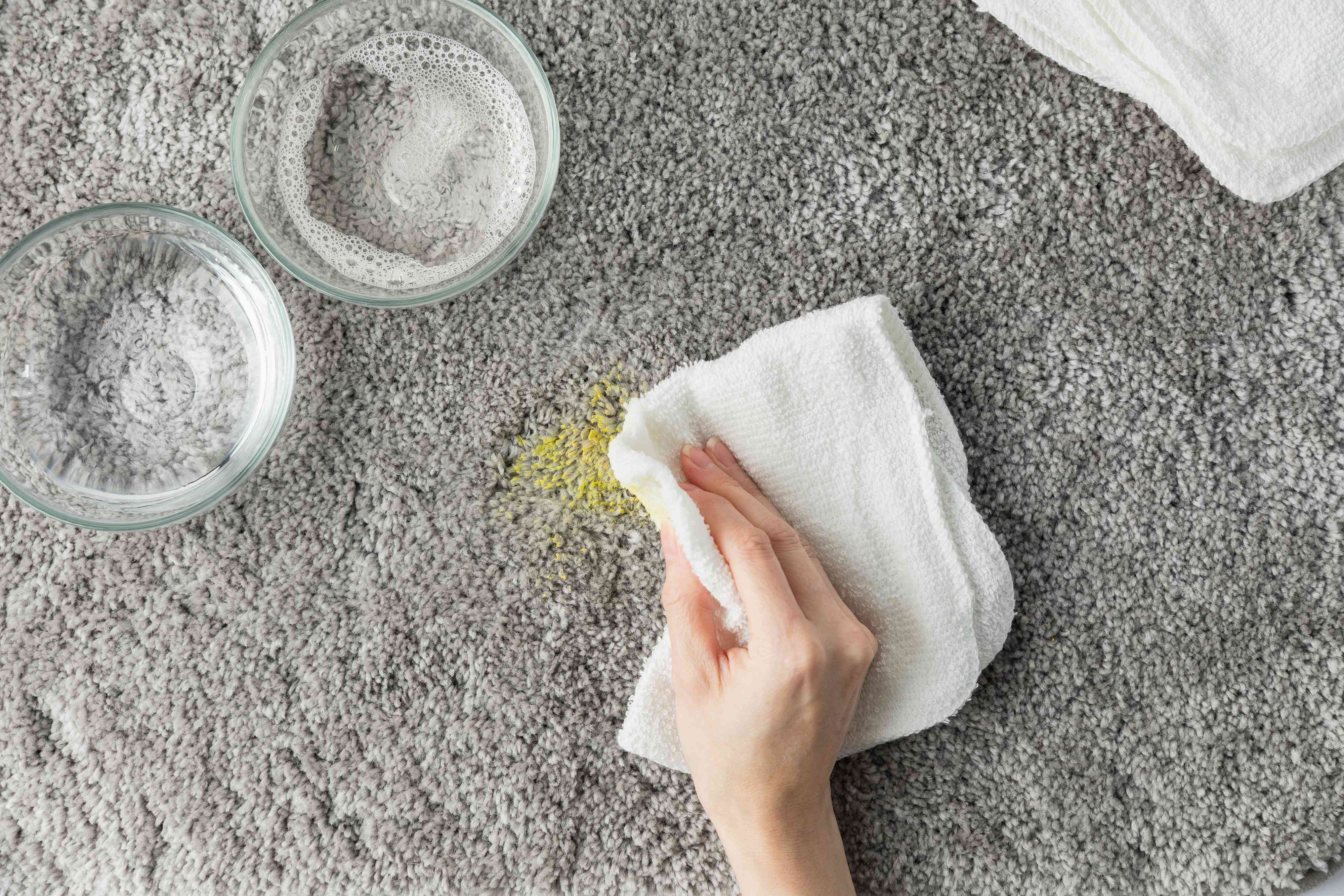
For wet acrylic paint, blot up excess paint immediately with clean white cloths or paper towels. Do not rub. Mix a few drops of clear dish soap with warm water, dampen a cloth, and blot from the outside of the stain toward the center. Rinse with a clean damp cloth, then blot dry. Repeat until no more color transfers.
That is the short version. The detailed version below is where your carpet gets the VIP treatment instead of the “I attacked it with a sponge and hope” treatment.
Supplies You Need Before You Start
Gather your cleaning tools before touching the stain. Acrylic paint dries quickly, so running around the house looking for a towel while the paint settles in is not ideal. Your carpet is not judging you, but it is definitely absorbing.
- Clean white cloths or white paper towels
- A spoon, dull butter knife, or plastic scraper
- Clear mild dish soap
- Warm water
- Spray bottle or small bowl
- Soft-bristled brush or old toothbrush
- Rubbing alcohol for dried paint
- Vacuum cleaner
- Gloves, especially when using alcohol or stronger cleaners
Use white cloths whenever possible. Colored towels can transfer dye to damp carpet, which would be a truly rude plot twist.
Step-by-Step: How to Get Wet Acrylic Paint Out of Carpet Fast
Step 1: Remove the Extra Paint Without Pressing It In
If there is a puddle or thick blob of acrylic paint, use a spoon or dull knife to lift it from the carpet. Scoop gently from the outside edge inward. Avoid pressing down because pressure pushes paint deeper into the backing. Think of it as rescuing the paint from the carpet, not burying it with military honors.
Step 2: Blot, Do Not Rub
Place a clean white cloth over the stain and blot lightly. Switch to a fresh area of the cloth as paint transfers. Rubbing spreads the stain, distorts carpet fibers, and helps the pigment travel like it bought a bus ticket. Blotting lifts paint upward instead of grinding it downward.
Step 3: Apply Mild Soap and Warm Water
Mix one teaspoon of clear dish soap with two cups of warm water. Dampen a cloth with the solution and blot the stained area. You can also lightly mist the area with a spray bottle. The goal is damp, not soaked. Too much water can push paint deeper, spread the stain, or leave moisture in the carpet pad.
Step 4: Work From the Outside Toward the Center
Always clean from the outer edge of the stain toward the middle. This prevents the paint from spreading into a larger circle. If you clean from the center outward, your small paint spot may become a decorative dinner plate.
Step 5: Rinse the Soap Out
After the color has lifted, use a clean cloth dampened with plain water to rinse the area. Soap left in carpet can attract dirt later, creating a mystery gray patch that appears weeks after you thought you won. Blot with plain water, then blot dry with a towel.
Step 6: Dry and Vacuum
Place a dry towel over the area and press gently to absorb moisture. Let the carpet air-dry completely, then vacuum to lift the fibers. If the spot looks slightly darker while damp, give it time. Wet carpet often looks more dramatic than it really is, like a stain with stage lighting.
How to Remove Dried Acrylic Paint from Carpet
Dried acrylic paint requires a different approach. Soap and water may help, but the paint has already bonded to the fibers. Your job is to loosen, lift, and remove it in layers without damaging the carpet.
Step 1: Break Up the Dried Paint
Use a dull knife, spoon edge, or plastic scraper to gently chip away dried paint. Work slowly. If the carpet is looped, avoid pulling upward aggressively because you could snag or unravel the fibers. Vacuum the loosened flakes before adding liquid cleaner.
Step 2: Rehydrate the Paint
Dampen the area with warm soapy water and let it sit for five to ten minutes. This may soften the paint enough to blot away some pigment. Keep the carpet damp, not flooded. If the paint begins to loosen, blot and repeat.
Step 3: Try Rubbing Alcohol Carefully
If soap and water are not enough, test rubbing alcohol on a hidden area first, such as inside a closet or under furniture. If the carpet color remains stable, apply a small amount of rubbing alcohol to a white cloth and blot the paint. Do not pour alcohol directly onto the carpet. Let it sit briefly, then blot with a clean cloth. Repeat in small rounds.
Rubbing alcohol can help soften acrylic paint, but it should be used carefully. Keep the room ventilated, avoid flames, and do not mix it with other cleaners. More is not better. Controlled blotting beats carpet chemistry experiments every time.
Step 4: Rinse and Dry Thoroughly
Once the paint lifts, blot the area with plain water to remove residue. Then dry with a towel and vacuum after the carpet is fully dry. If the stain remains but is lighter, repeat the process later rather than soaking the area repeatedly in one session.
Can Vinegar Remove Acrylic Paint from Carpet?
White vinegar may help soften or loosen some dried acrylic paint, but it is usually not the strongest solution by itself. If you try it, mix equal parts white vinegar and warm water, test first, then blot the stain. Let it sit briefly before blotting with soapy water. Vinegar is best treated as a helper, not a miracle worker wearing a cape.
Can Acetone or Nail Polish Remover Be Used?
Acetone can dissolve some paints, but it can also damage carpet backing, discolor fibers, or affect synthetic materials. Use it only as a last resort and only after testing in a hidden area. Apply it to a cloth, never directly to the carpet. Blot lightly, rinse with soapy water, then rinse again with plain water. If the carpet is wool, delicate, expensive, or sentimental, skip acetone and call a professional cleaner.
What Not to Do When Cleaning Acrylic Paint from Carpet
Some cleaning mistakes make acrylic paint stains worse. The first mistake is scrubbing hard. Scrubbing spreads paint, fuzzes fibers, and can turn a small stain into a sad abstract mural. The second mistake is using hot water immediately. Warm water is fine, but very hot water can set some stains or affect certain carpet materials. The third mistake is over-wetting the carpet. Water that reaches the backing can lead to odor, mildew, or a stain that returns as the carpet dries.
Avoid bleach unless the carpet manufacturer specifically says it is safe. Bleach can remove color from carpet faster than it removes paint, leaving you with a clean stain that is somehow worse. Also avoid mixing cleaners. Dish soap, vinegar, alcohol, acetone, and commercial spot removers should be used separately and rinsed between attempts.
How to Handle Different Acrylic Paint Spill Situations
Small Paint Dots
For tiny acrylic paint dots, dampen a cloth with warm soapy water and pinch the carpet fibers gently. Blot upward. If dried, scrape lightly first, then use rubbing alcohol on a cloth. Small dots are often easier to remove because they do not saturate the backing.
Large Paint Spill
For a large spill, remove as much paint as possible with a spoon before adding any water. Work in sections. Blot one area at a time, replacing towels often. If the paint reaches the carpet pad, professional cleaning may be needed. Large spills are not impossible, but they do require patience and a surprising number of towels.
Paint Tracked Across the Room
If someone steps in acrylic paint and walks across the carpet, treat each footprint separately. Start with the freshest or thickest marks. Scrape any dried ridges, blot with soapy water, and use rubbing alcohol only where needed. Do not spray the whole path at once, or you may spread pigment into clean areas.
Paint on White or Light Carpet
Light carpet shows every trace of pigment, so rinse carefully and repeat gently. A faint shadow may remain after the first cleaning but improve after drying and vacuuming. For bright red, blue, black, or green acrylic paint on white carpet, professional spot treatment may be the safest option if DIY cleaning does not work quickly.
When to Call a Professional Carpet Cleaner
Call a professional if the paint is oil-modified, if the stain is large, if the carpet is wool or silk, if you already tried multiple cleaners, or if the carpet is expensive. You should also call a pro if the paint has dried for several days and formed a thick crust. Professional cleaners have specialized solvents, extraction tools, and experience removing paint without turning your living room into a science fair.
A professional is also a good idea for rental homes. If your security deposit is on the line, avoid aggressive DIY methods that could bleach, melt, or distort the carpet. A receipt from a professional cleaner may be much friendlier than explaining to a landlord why the carpet has a pale circular “learning experience” near the window.
How to Prevent Acrylic Paint Carpet Disasters
The easiest paint stain to remove is the one that never happens. Before painting, lay down a plastic drop cloth, canvas tarp, old sheet, or washable rug. Tape the edges so they do not slide. Keep paint cups on trays instead of directly on the floor. If kids are painting, use small amounts of paint at a time. A tablespoon of paint is art. A full cup of paint is a carpet hostage situation.
Keep a “paint spill rescue kit” nearby: paper towels, white cloths, dish soap, a scraper, and a spray bottle of water. Fast access matters because acrylic paint begins drying quickly. Even a two-minute head start can make the difference between a quick cleanup and an afternoon of carpet negotiation.
Best Homemade Cleaning Solution for Acrylic Paint on Carpet
The safest first solution is simple: clear dish soap and warm water. Mix one teaspoon of dish soap with two cups of warm water. This solution is gentle enough for many synthetic carpets and effective on fresh acrylic paint. For a slightly stronger mix, add one tablespoon of white vinegar, but only after testing. Avoid colored soaps, heavy fragrances, and oily cleaners because they can leave residue.
After using any homemade cleaner, rinse with plain water. This step is not optional. Soap residue attracts dirt, and dirt loves soap residue the way glitter loves craft projects. If the area feels sticky after drying, rinse again with a damp cloth and blot dry.
How Long Does It Take to Remove Acrylic Paint from Carpet?
Fresh acrylic paint may come out in ten to thirty minutes, depending on the size of the spill and carpet type. Dried paint can take several rounds over an hour or more. Thick dried paint may never disappear completely without professional help, but careful treatment can often make it much less noticeable.
The key is repetition, not aggression. Blot, rinse, dry, evaluate, and repeat if needed. Carpet cleaning is not a wrestling match. It is more like convincing a stubborn guest to leave politely.
Experience Notes: Real-Life Lessons from Acrylic Paint Carpet Cleanups
Anyone who has cleaned acrylic paint from carpet learns one lesson fast: the first five minutes matter. In real homes, spills rarely happen under perfect conditions. They happen while a child is making a “quick craft,” while someone is painting trim, while a pet decides the drop cloth is lava, or while an open paint bottle tips over with the confidence of a tiny villain.
One common experience is the panic blot. People see bright paint on carpet and immediately grab the nearest towel. That instinct is good, but the technique matters. The best results usually come from calm blotting with a clean white cloth, lifting paint upward and changing cloth sections often. The worst results usually come from rubbing in circles. Circular rubbing feels productive, but it often spreads the pigment and frays the carpet surface. It is the cleaning version of making the problem wear a bigger hat.
Another lesson is that wet acrylic paint is much more forgiving than dried paint. When the spill is fresh, warm water and dish soap often remove most or all of it. The paint is still suspended enough to transfer into the towel. Once it dries, the job changes from stain removal to film removal. You are no longer just lifting color; you are trying to loosen a thin plastic coating from individual fibers. That is why dried paint takes scraping, softening, blotting, and patience.
Many people also discover that using too much cleaner creates a second problem. It is tempting to pour water, soap, vinegar, or rubbing alcohol directly onto the stain. But carpet is layered. What you see on top is only part of the story. Liquid can move downward into the backing and pad, carrying pigment with it. Later, as the carpet dries, the stain may wick back up to the surface. The better experience is slow and controlled: apply cleaner to the cloth, blot the carpet, rinse lightly, and dry thoroughly.
Color matters too. Pale yellow paint on beige carpet may disappear quickly. Black, navy, red, and bright green acrylic paints are more stubborn because strong pigments can leave a shadow even after the binder lifts. In those cases, several gentle cleaning rounds are usually safer than one aggressive attack. If the stain fades by 70 percent after the first round, that is progress. Let the carpet dry, vacuum it, and then decide whether another round is worth it.
Carpet texture also changes the experience. Low-pile carpet is easier because paint stays closer to the surface. Plush carpet hides paint deep in the fibers, where towels cannot reach as easily. Loop carpet requires extra caution because scraping can snag loops. On delicate carpet, it is better to remove less paint safely than to remove more paint while damaging the texture.
The biggest practical takeaway is to prepare before painting. A cheap drop cloth, a tray under paint cups, and a few towels nearby can save hours of cleanup. If acrylic paint does land on the carpet, do not panic and do not perform a dramatic cleaning solo. Scoop, blot, soap, rinse, dry, and repeat. That simple rhythm works better than most fancy tricks. And if the stain is large, old, or sitting on expensive carpet, calling a professional is not defeat. It is wisdom wearing shoe covers.
Final Thoughts
Getting acrylic paint out of carpet fast is all about timing, restraint, and the right cleaning order. Fresh paint needs immediate blotting, mild soap, warm water, rinsing, and drying. Dried paint needs gentle scraping, careful softening, and possibly rubbing alcohol after a hidden spot test. The main rule is simple: lift the paint, do not spread it.
Whether the spill came from a weekend art project, a home makeover, or a child who believes carpet is just floor canvas, you can often save the situation. Move quickly, stay gentle, and remember that the carpet is not asking for drama. It just wants the paint removed without being scrubbed into retirement.