
Granuloma annulare sounds like a spell from a medical wizard book, but it is actually a fairly common inflammatory skin condition that creates smooth, raised bumps or ring-shaped patches on the skin. The good news? It is usually harmless, not contagious, and often clears on its own. The slightly annoying news? It can be stubborn, slow-moving, and cosmetically frustratinglike a houseguest who means well but will not take the hint.
If you are searching for how to stop granuloma annulare naturally, the honest answer is this: natural remedies may help calm irritation, protect your skin barrier, and support overall skin health, but they are not proven cures. Granuloma annulare is not caused by poor hygiene, a fungus, or something you “caught,” so scrubbing, detoxing, or attacking it with every bottle in the bathroom cabinet usually makes the skin crankier, not clearer.
Note: This article is for educational purposes only and does not replace medical advice. If a rash is spreading quickly, painful, changing color, bleeding, or not improving, see a dermatologist for a proper diagnosis.
What Is Granuloma Annulare?
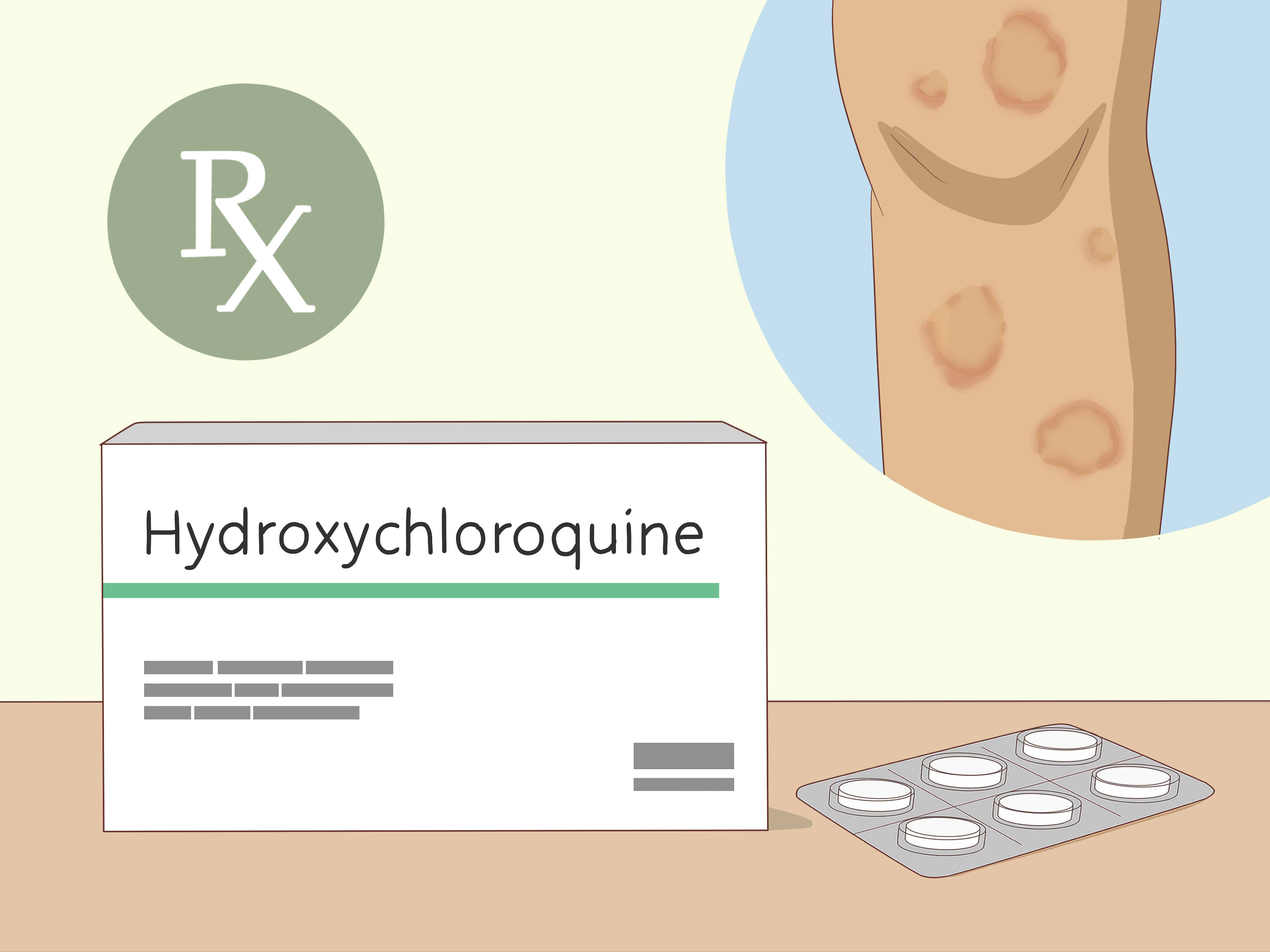
Granuloma annulare is a benign skin disorder linked to inflammation in the skin. It often appears as small, firm bumps that form a circular or semicircular pattern. These patches may be skin-colored, pink, reddish, purple, or brown depending on your skin tone. The most common areas include the hands, feet, wrists, ankles, elbows, and forearms.
The condition is often mistaken for ringworm because both can look circular. However, ringworm is a fungal infection and usually has a scaly, itchy edge. Granuloma annulare often has little to no scale and is not contagious. In other words, you cannot pass it to your partner, your kids, your dog, or the grocery store cashier who already has enough going on.
Common Types of Granuloma Annulare
Localized granuloma annulare is the most common type. It usually affects one or a few areas, especially the hands and feet. Many cases fade without treatment, although this may take months or years.
Generalized granuloma annulare affects larger areas of the body, such as the trunk, arms, and legs. It is less common and may last longer. Some people experience itching or cosmetic distress with this form.
Subcutaneous granuloma annulare appears as deeper lumps under the skin, often in children. These nodules are usually painless.
Perforating granuloma annulare is rare and may create small bumps that crust or leave marks. This type deserves medical evaluation because it can be more persistent.
What Causes Granuloma Annulare?
The exact cause is still not fully understood. Researchers believe granuloma annulare involves an immune reaction in the skin, but the trigger is not always obvious. Some cases appear after minor skin trauma, insect bites, sun exposure, certain medications, viral infections, or other immune-related factors. However, many people never identify a clear starting point.
Granuloma annulare has also been studied for possible associations with diabetes, thyroid disease, cholesterol issues, and other health conditions. These links are not the same as saying one condition directly causes the other. Still, if granuloma annulare is widespread, long-lasting, or appears along with other symptoms, a healthcare professional may consider checking for related health issues.
Can You Really Stop Granuloma Annulare?
The word “stop” is tricky. Granuloma annulare often improves naturally, but it does not always follow a tidy schedule. One patch may fade while another appears nearby. Treatment can help some people clear lesions faster, but recurrence is possible. This is why dermatologists often describe management as a balance between patience, symptom control, and targeted treatment when needed.
If the spots are small, painless, and not bothering you, watchful waiting may be reasonable. If they are spreading, itchy, emotionally distressing, or located in a highly visible area, treatment may be worth discussing with a dermatologist.
Medical Treatments That May Help
Before diving into natural remedies, it helps to understand what standard treatment looks like. Doctors may recommend prescription-strength corticosteroid creams or ointments, sometimes covered with a bandage to improve absorption. For thicker or stubborn patches, corticosteroid injections may be used directly in the lesion.
Other options include cryotherapy, which freezes small lesions; topical immune-modulating medicines such as tacrolimus; and controlled light therapy for more widespread disease. In difficult generalized cases, dermatologists may consider oral medications, but these require careful monitoring because side effects are possible.
The important takeaway is simple: granuloma annulare treatment should match the severity of the condition. A tiny ring on the ankle does not need the same game plan as widespread lesions across the torso. Skin care is not one-size-fits-all; it is more like jeans shopping, but with fewer dressing-room tears.
Can Natural Remedies Help Granuloma Annulare?
Natural remedies may help support healthier skin, reduce irritation, and prevent unnecessary flare-ups from harsh products. However, no natural remedy has strong clinical evidence proving it can cure granuloma annulare. Be cautious with internet claims promising overnight results from apple cider vinegar, essential oils, detox teas, or miracle creams. If the promise sounds like it belongs on a late-night infomercial, your skin probably deserves better.
1. Use a Gentle Moisturizer Daily
A fragrance-free moisturizer can help maintain the skin barrier and reduce dryness around affected areas. While moisturizers do not remove granuloma annulare lesions, they may make the skin more comfortable and less reactive. Look for ingredients such as ceramides, glycerin, petrolatum, dimethicone, or colloidal oatmeal.
Apply moisturizer after bathing while the skin is still slightly damp. This helps lock in water and keeps the skin barrier from behaving like a cracked sidewalk in July.
2. Avoid Scrubbing or Picking
Granuloma annulare is not dirt, dead skin buildup, or a clogged pore problem. Aggressive exfoliation can irritate the skin and may make redness or discoloration more noticeable. Avoid harsh scrubs, stiff brushes, strong acids, and at-home chemical peels over affected areas unless your dermatologist recommends them.
Picking or scratching can also lead to inflammation, scabbing, or post-inflammatory dark marks, especially in deeper skin tones. The goal is to calm the area, not start a tiny wrestling match with it.
3. Protect Your Skin From Too Much Sun
Sun exposure may trigger or worsen granuloma annulare in some people. Daily sunscreen can also help prevent darkening or lingering discoloration after lesions fade. Choose a broad-spectrum sunscreen with SPF 30 or higher and reapply when outdoors.
Protective clothing, shade, and wide-brimmed hats are also helpful. Sunscreen is not glamorous, but neither is explaining to your future self why your hands now have a complicated history with ultraviolet light.
4. Try Cool Compresses for Itch or Discomfort
Granuloma annulare is often painless, but generalized forms may itch. A cool compress can calm mild discomfort without medication. Use a clean, soft cloth soaked in cool water and apply it for 10 to 15 minutes. Do not use ice directly on the skin, because that can cause irritation or cold injury.
5. Choose Mild Cleansers
Switching to a gentle, fragrance-free cleanser can reduce unnecessary irritation. Many antibacterial soaps, heavily scented body washes, and “deep-clean” products strip natural oils from the skin. Unless you are washing motor oil off your elbows, your skin probably does not need industrial-strength enthusiasm.
Short, lukewarm showers are better than long, hot showers. Hot water can worsen dryness and sensitivity, especially during winter or in dry climates.
6. Be Careful With Essential Oils
Tea tree oil, lavender oil, oregano oil, and other essential oils are often promoted for skin problems, but they can cause allergic reactions or irritant dermatitis. Granuloma annulare is already an inflammatory condition, so adding a strong botanical oil may create more drama than results.
If you use any topical natural product, patch test it first on a small area of unaffected skin. Never apply undiluted essential oils to granuloma annulare lesions, broken skin, or children’s skin without medical guidance.
7. Support Overall Metabolic Health
A balanced lifestyle will not magically erase granuloma annulare, but it may support immune and skin health. Focus on regular physical activity, adequate sleep, stress management, and a diet rich in vegetables, fruit, lean protein, whole grains, nuts, seeds, and healthy fats.
If you have diabetes, high cholesterol, thyroid disease, or another chronic condition, keeping it well managed is wise for your overall health. Good skin care starts inside the body too, although sadly not in the “eat one avocado and become flawless by Tuesday” way.
Natural Remedies to Avoid
Some home remedies can make granuloma annulare worse or delay proper diagnosis. Avoid applying bleach, hydrogen peroxide, rubbing alcohol, lemon juice, baking soda paste, or undiluted vinegar to the rash. These substances can burn or irritate the skin and may leave discoloration.
Do not use antifungal creams for weeks unless a clinician suspects ringworm. If the rash is actually granuloma annulare, antifungal treatment will not address the underlying inflammation. On the other hand, if it is ringworm and you use steroid cream without proper diagnosis, the fungus may spread in a disguised form. This is why getting the diagnosis right matters.
When to See a Dermatologist
Make an appointment if the rash lasts more than a few weeks, spreads, becomes painful, develops scale or crust, bleeds, or appears with fever, fatigue, joint pain, or unexplained weight changes. You should also seek care if the rash is on the face, near the eyes, on the genitals, or causing emotional stress.
A dermatologist can often diagnose granuloma annulare by examining the skin. Sometimes a skin biopsy or fungal test is needed to rule out ringworm, eczema, psoriasis, sarcoidosis, or other annular rashes. A correct diagnosis saves time, money, and the emotional spiral of trying seven random creams from the back of a bathroom drawer.
How to Build a Skin-Friendly Routine
A practical granuloma annulare skin routine does not need 14 steps or a shelf that looks like a chemistry lab. Keep it simple:
- Wash with a gentle, fragrance-free cleanser.
- Apply a fragrance-free moisturizer once or twice daily.
- Use sunscreen on exposed skin every morning.
- Avoid scratching, picking, and harsh exfoliation.
- Track possible triggers such as sun exposure, skin injury, or new medications.
- See a dermatologist if lesions spread, persist, or bother you.
Taking photos every few weeks can help you see whether patches are changing. Granuloma annulare may fade slowly, so daily mirror checks can make progress feel invisible. Think of it like watching grass grow, except the grass is a ring-shaped rash and nobody invited it.
Realistic Expectations: What Improvement Looks Like
Improvement may mean the bumps become flatter, the color fades, the ring stops expanding, or no new lesions appear. In some people, the skin clears completely. In others, marks fade gradually and may leave temporary discoloration. Generalized granuloma annulare can be more persistent and may require a longer treatment plan.
Patience is frustrating but important. If your dermatologist recommends watchful waiting, it does not mean they are ignoring you. It may mean the risks of aggressive treatment are not worth it for a harmless condition that may resolve on its own.
Experience-Based Tips for Living With Granuloma Annulare
People dealing with granuloma annulare often describe the same pattern: first confusion, then worry, then an intense online search that somehow ends at a forum from 2009 recommending three kitchen ingredients and a prayer. The first helpful experience is learning not to panic. A ring-shaped rash can look alarming, but granuloma annulare is usually benign and noncontagious. Knowing that can remove a huge amount of stress.
One common experience is misidentifying it as ringworm. Someone notices a circular patch on the hand or foot, buys antifungal cream, applies it faithfully, and waits. Nothing happens. Then they wonder if they used the wrong brand, because surely the rash should respect consumer effort. This is where a professional diagnosis becomes valuable. Once people learn that granuloma annulare is inflammatory rather than fungal, they often stop wasting time on treatments that were never designed for it.
Another lesson is that less can be more. Many people try to “treat” the patch with scrubs, acids, alcohol, essential oils, or vinegar. The skin then becomes redder, drier, or darker. A gentler routine often works better for comfort: mild cleanser, moisturizer, sunscreen, and hands off. This approach may not make the lesion vanish overnight, but it can prevent unnecessary irritation while the condition runs its course or responds to medical treatment.
Clothing and daily habits can also matter. If granuloma annulare appears on the ankles or wrists, friction from shoes, socks, watchbands, or bracelets may make the area more noticeable or irritated. Switching to softer socks, looser straps, or breathable fabrics can reduce rubbing. For people with patches on the hands, gloves during cleaning or dishwashing may help prevent dryness from soaps and detergents.
The emotional side is real too. Even when granuloma annulare is medically harmless, visible skin changes can affect confidence. People may feel self-conscious shaking hands, wearing sandals, or explaining that no, it is not contagious. A simple response can help: “It is a harmless inflammatory skin condition, not an infection.” That sentence is short, accurate, and much better than launching into a full dermatology lecture while someone is trying to enjoy coffee.
Tracking the condition can be surprisingly useful. Taking a photo once every two to four weeks under similar lighting helps show whether lesions are stable, fading, or spreading. It also gives your dermatologist better information. Daily checking, however, can make the process feel slower and more stressful. Granuloma annulare is not known for dramatic daily plot twists.
Finally, many people find relief in accepting a two-part strategy: protect the skin naturally and use medical care when needed. Natural care supports comfort and reduces irritation. Dermatology treatment addresses stubborn, widespread, itchy, or cosmetically upsetting lesions. You do not have to choose between “natural” and “medical” as if they are rival sports teams. The best plan is the one that is safe, evidence-aware, and realistic for your skin.
Conclusion
So, how do you stop granuloma annulare? Start by understanding what it is: a harmless, noncontagious inflammatory skin condition that often clears with time. Natural remedies cannot reliably cure it, but gentle skin care, sun protection, cool compresses, and avoiding irritation can help your skin feel better and may prevent unnecessary flare-ups. For persistent, widespread, itchy, or emotionally distressing cases, a dermatologist can offer proven options such as prescription topical steroids, injections, cryotherapy, light therapy, or other treatments.
The smartest approach is calm, consistent, and skin-friendly. Treat your skin like a valued coworker, not a stain on the carpet. Be gentle, avoid internet “miracle cures,” and get medical guidance when the rash does not behave as expected.