
Breathing is one of those things we usually do without thinkinguntil a cough, wheeze, stuffy nose, or chest tightness suddenly turns every inhale into a dramatic event. Respiratory diseases are among the most common health problems in the United States, ranging from the everyday cold to chronic conditions like asthma and COPD. Some are short-term and annoying, like a cold that makes you sound like a foghorn. Others can be serious, long-lasting, or even life-threatening without the right care.
The good news? Many respiratory illnesses can be prevented, controlled, or made less severe with practical habits: vaccines, clean indoor air, handwashing, smoke avoidance, smart mask use in high-risk settings, and early medical attention when symptoms become concerning. This guide explains common respiratory diseases, their causes, warning signs, and prevention strategies in plain Englishno medical dictionary required.
What Are Respiratory Diseases?
Respiratory diseases affect the parts of the body involved in breathing, including the nose, throat, sinuses, airways, and lungs. Some diseases are caused by infections, such as viruses, bacteria, or fungi. Others are chronic conditions linked to inflammation, allergies, genetics, smoking, pollution, workplace exposures, or long-term damage to the lungs.
Respiratory conditions are often grouped into two broad categories:
- Acute respiratory diseases: Short-term illnesses such as the common cold, flu, COVID-19, acute bronchitis, RSV, and many cases of pneumonia.
- Chronic respiratory diseases: Long-term conditions such as asthma, chronic obstructive pulmonary disease, chronic bronchitis, emphysema, and pulmonary fibrosis.
Although symptoms can overlap, the cause and treatment can be very different. A cough from a cold is not the same as a cough from asthma, pneumonia, or COPD. That is why persistent, severe, or unusual symptoms should be checked by a healthcare professional.
Common Causes of Respiratory Diseases
1. Viruses
Viruses are behind many common respiratory infections, including colds, flu, COVID-19, RSV, and some cases of bronchitis and pneumonia. They spread through droplets, tiny airborne particles, close contact, and contaminated hands or surfaces. In simple terms, viruses are tiny freeloaders that love crowded rooms, unwashed hands, and people who insist they are “not that sick” while coughing through a meeting.
2. Bacteria
Bacteria can cause illnesses such as bacterial pneumonia, some sinus infections, tuberculosis, and certain throat infections. Unlike viral infections, some bacterial infections may require antibiotics. However, antibiotics do not work against viruses, so taking them for a cold is like bringing a snow shovel to the beachwrong tool, wrong problem.
3. Allergens and Irritants
Pollen, dust mites, mold, pet dander, smoke, strong fragrances, cleaning chemicals, and air pollution can irritate the airways. For people with asthma or allergies, these triggers may cause coughing, wheezing, chest tightness, or shortness of breath.
4. Smoking and Secondhand Smoke
Smoking is one of the leading causes of preventable lung damage. It increases the risk of chronic bronchitis, emphysema, COPD, lung cancer, respiratory infections, and worsened asthma symptoms. Secondhand smoke also harms children and adults, especially those with existing lung problems.
5. Poor Indoor Air Quality
Indoor air can become polluted by mold, dust, tobacco smoke, gas stoves without proper ventilation, chemical sprays, and poor airflow. Since many people spend most of their time indoors, indoor air quality matters more than most people think.
6. Occupational and Environmental Exposures
People who work around dust, fumes, chemicals, construction materials, smoke, or industrial particles may face a higher risk of respiratory disease. Protective equipment, ventilation, and workplace safety rules are essentialnot optional decorations.
7. Weakened Immune System
Older adults, infants, pregnant people, and people with chronic conditions or weakened immune systems may be more likely to develop serious respiratory infections. Prevention is especially important for these groups.
Most Common Respiratory Diseases
1. The Common Cold
The common cold is usually caused by viruses, especially rhinoviruses. Symptoms often include runny nose, nasal congestion, sneezing, sore throat, cough, headache, and mild body aches. Most colds improve within a week, though a cough or stuffy nose can hang around like an unwanted houseguest.
Prevention tips: Wash hands often, avoid touching your face, cover coughs and sneezes, clean frequently touched surfaces, and stay home when sick. There is no vaccine for the common cold because many different viruses can cause it.
2. Influenza
Influenza, or the flu, is more intense than a typical cold. It may cause fever, chills, muscle aches, fatigue, cough, sore throat, headache, and sudden exhaustion. Flu can lead to complications such as pneumonia, especially in older adults, young children, pregnant people, and those with chronic health conditions.
Prevention tips: Get a yearly flu vaccine, practice hand hygiene, avoid close contact with sick people, improve ventilation, and stay home when symptoms are active. Early antiviral treatment may help some high-risk patients, but it should be discussed with a healthcare provider.
3. COVID-19
COVID-19 can cause mild cold-like symptoms or severe lung disease. Common symptoms may include fever, cough, sore throat, congestion, fatigue, headache, loss of taste or smell, and shortness of breath. Some people develop long-lasting symptoms, often called long COVID.
Prevention tips: Stay updated on recommended vaccines, avoid close contact with sick people, use masks in crowded indoor spaces when risk is high, improve airflow, test when appropriate, and stay home when sick until symptoms are improving and fever has been gone without fever-reducing medicine.
4. Respiratory Syncytial Virus
Respiratory syncytial virus, commonly called RSV, often causes mild cold-like symptoms in healthy adults. However, it can be serious for infants, older adults, people with chronic heart or lung disease, and those with weakened immune systems. RSV may cause wheezing, breathing trouble, poor feeding in babies, and worsening of asthma or COPD.
Prevention tips: Wash hands, avoid close contact with sick people, clean surfaces, stay home when ill, and ask a healthcare provider about RSV prevention options for infants, pregnant people, and older adults who may qualify.
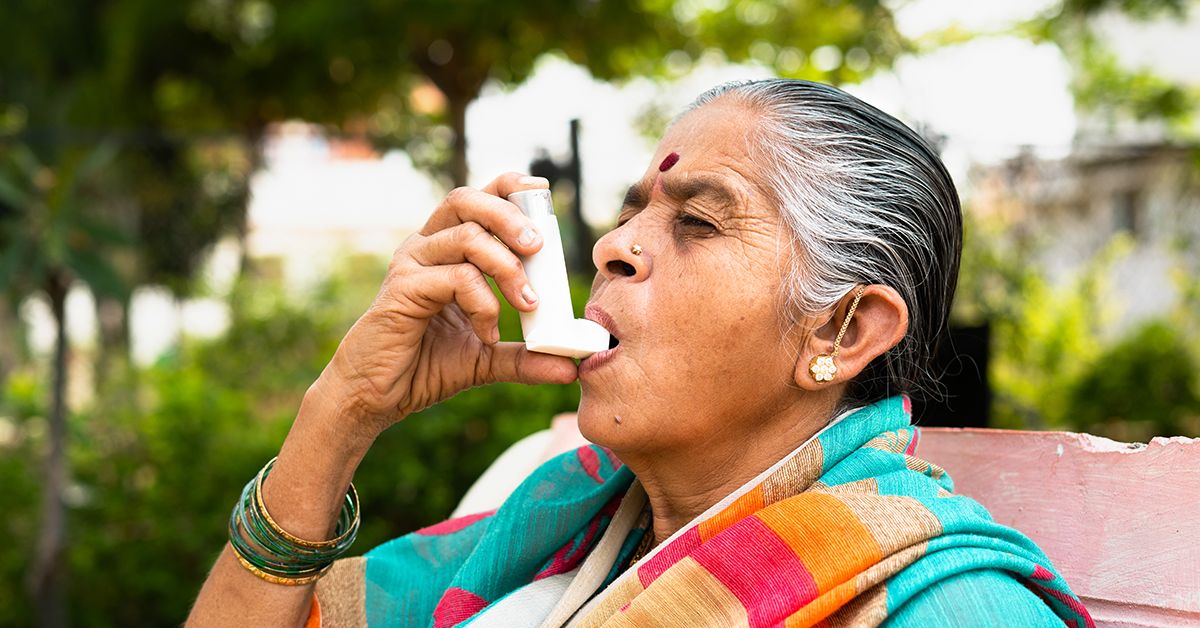
5. Asthma
Asthma is a chronic disease that causes inflammation and narrowing of the airways. Symptoms may include wheezing, coughing, chest tightness, and shortness of breath. Asthma triggers vary from person to person and may include pollen, mold, dust mites, pet dander, exercise, cold air, smoke, respiratory infections, and strong odors.
Prevention tips: Identify triggers, follow an asthma action plan, use prescribed controller medicines as directed, keep rescue inhalers available, reduce indoor allergens, avoid smoke, and get recommended vaccines to reduce the risk of respiratory infections that can trigger flare-ups.
6. Chronic Obstructive Pulmonary Disease
Chronic obstructive pulmonary disease, or COPD, includes chronic bronchitis and emphysema. It causes airflow blockage and breathing difficulty. Symptoms may include chronic cough, mucus production, wheezing, chest tightness, frequent respiratory infections, and shortness of breath during activity. Smoking is the most common cause, but long-term exposure to air pollution, workplace dust, fumes, and secondhand smoke can also contribute.
Prevention tips: Do not smoke, avoid secondhand smoke, reduce exposure to lung irritants, use protective equipment at work, stay physically active as recommended, follow treatment plans, and keep vaccines up to date.
7. Acute Bronchitis
Acute bronchitis happens when the bronchial tubes become inflamed, usually after a viral infection. It often causes a cough that may produce mucus, chest discomfort, mild fever, fatigue, and wheezing. The cough can last for several weeks, which is rude but common.
Prevention tips: Avoid smoking, wash hands frequently, stay away from respiratory irritants, get recommended vaccines, and avoid close contact with people who are sick. Because most acute bronchitis is viral, antibiotics are usually not helpful unless a bacterial infection is suspected.
8. Pneumonia
Pneumonia is an infection that inflames the air sacs in one or both lungs. It can be caused by bacteria, viruses, fungi, or less common organisms. Symptoms may include cough, fever, chills, chest pain, shortness of breath, fatigue, and mucus production. Pneumonia can range from mild to severe and can be dangerous for infants, older adults, and people with weakened immune systems.
Prevention tips: Stay current on vaccines, including pneumococcal, flu, COVID-19, and other recommended vaccines. Avoid smoking, manage chronic diseases, practice good hygiene, and seek medical care for concerning symptoms such as chest pain, difficulty breathing, confusion, blue lips, or persistent high fever.
9. Tuberculosis
Tuberculosis, or TB, is a bacterial infection that most often affects the lungs. It spreads through the air when a person with active TB disease coughs, speaks, or sings. Symptoms may include a long-lasting cough, fever, night sweats, weight loss, fatigue, and coughing up blood. TB requires medical diagnosis and treatment.
Prevention tips: Testing and treatment are key. People exposed to TB or at higher risk should speak with a healthcare provider. Good ventilation and appropriate infection-control measures reduce spread in healthcare and community settings.
General Symptoms That Should Not Be Ignored
Many respiratory diseases begin with mild symptoms, but some warning signs deserve quick medical attention. Seek care right away if you or someone else has trouble breathing, chest pain, bluish lips or face, confusion, severe weakness, dehydration, symptoms that improve and then suddenly worsen, or a high fever that does not improve.
For babies, older adults, and people with chronic illness, symptoms can become serious faster. A “wait and see” approach may be reasonable for a mild cold, but it is not ideal when breathing becomes difficult. Lungs are not a place for heroic guessing.
How to Prevent Respiratory Diseases
Keep Vaccines Up to Date
Vaccines help reduce the risk of severe illness from flu, COVID-19, pneumococcal disease, RSV, pertussis, and other infections. Recommendations vary by age, health history, pregnancy status, and risk level, so it is smart to ask a healthcare provider which vaccines apply to you.
Wash Your Hands Like You Mean It
Handwashing with soap and water helps remove germs before they reach your eyes, nose, or mouth. Wash for at least 20 seconds, especially after coughing, sneezing, using the bathroom, touching public surfaces, or caring for someone sick. Hand sanitizer with at least 60% alcohol is a useful backup when soap and water are unavailable.
Improve Indoor Air Quality
Open windows when weather and air conditions allow, use exhaust fans, replace HVAC filters, reduce dust, fix leaks to prevent mold, and consider portable air cleaners in high-use rooms. Better airflow can reduce the concentration of airborne particles indoors.
Avoid Smoke and Vaping
Smoking and vaping irritate the lungs and can worsen respiratory symptoms. Avoiding tobacco smoke is one of the strongest steps for protecting lung health. For people who smoke, quitting is never “too late” to help the lungs and heart.
Use Masks Strategically
Masks can add protection in crowded indoor spaces, during respiratory virus season, around people who are sick, or when you are at higher risk of severe illness. A well-fitting mask is more useful than a loose one that hangs under the nose like a tiny chin hammock.
Stay Home When Sick
Resting at home protects others and gives your body a better chance to recover. For respiratory virus symptoms, avoid close contact with others until symptoms are improving and fever has been gone for at least 24 hours without fever-reducing medicine.
Manage Chronic Conditions
People with asthma, COPD, diabetes, heart disease, or weakened immune systems should follow their care plans closely. Keeping chronic diseases controlled can reduce the risk of respiratory complications.
Practice Healthy Daily Habits
Sleep, hydration, balanced meals, regular movement, and stress management support immune function. No lifestyle habit creates an invisible force field, but healthy routines do give your body a better defense team.
Practical Experiences and Everyday Lessons for Prevention
Respiratory disease prevention becomes easier when it feels realistic, not like a complicated science project taking over your kitchen table. In daily life, the best habits are usually small, repeatable, and slightly boringin the best possible way.
Experience 1: The “Sick Day Boundary” Works
One of the most practical lessons is that staying home when sick makes a real difference. Many families, offices, and classrooms experience the same pattern: one person arrives with “just a little cough,” and within days half the group is sneezing, coughing, and blaming the air conditioner. A clear sick-day boundary helps stop that chain. If symptoms are active, especially fever, worsening cough, body aches, or fatigue, rest at home when possible. It protects others and helps recovery.
Experience 2: Clean Air Is Not FancyIt Is Basic
People often think about diet and exercise but forget the air they breathe for hours every day. A bedroom with dust, closed windows, old filters, moldy corners, or heavy fragrance can make symptoms worse, especially for people with asthma or allergies. Simple upgrades help: wash bedding regularly, vacuum with a good filter, keep pets out of sleeping areas if they trigger symptoms, run exhaust fans in bathrooms, and avoid spraying strong scents in closed rooms. Your lungs do not need your home to smell like “midnight ocean lavender thunderstorm.” They need clean air.
Experience 3: Hand Hygiene Still Deserves Respect
Handwashing sounds old-fashioned because it is simple, but simple does not mean weak. People touch phones, door handles, keyboards, elevator buttons, shopping carts, and then their faces without noticing. A reliable handwashing routine before meals, after public places, and after coughing or sneezing can reduce exposure to germs. Keeping sanitizer in a bag, car, or desk is helpful for busy days.
Experience 4: Prevention Is Personal
Not everyone has the same risk. A healthy young adult may recover from a cold quickly, while the same virus may cause serious breathing problems for a baby, grandparent, pregnant person, or someone with COPD. That is why prevention should consider the people around you. Wearing a mask while visiting a high-risk relative, postponing a visit when sick, or improving ventilation during family gatherings can be an act of kindness, not overreaction.
Experience 5: Know Your Triggers Before They Ambush You
For people with asthma, allergies, or chronic lung disease, tracking symptoms can reveal patterns. Maybe coughing worsens after cleaning with strong chemicals. Maybe wheezing appears during cold weather. Maybe dust, smoke, pollen, pet dander, or exercise triggers symptoms. Keeping a simple note on your phone can help you and your healthcare provider adjust your prevention plan. The goal is not to live in fear of every sneeze. The goal is to stop being surprised by the same trigger every Tuesday.
Experience 6: Early Care Prevents Bigger Problems
Many respiratory illnesses improve with rest, fluids, and time, but some need medical attention. A cough that lasts for weeks, shortness of breath, repeated wheezing, chest pain, high fever, or symptoms that improve and then return worse should not be ignored. Early evaluation can help distinguish a routine infection from pneumonia, asthma, COPD flare-up, flu, COVID-19, TB, or another condition.
Experience 7: Build a “Breathing Season” Routine
During cold and flu season, create a simple routine: check vaccine recommendations, stock tissues and fever reducers, keep a thermometer handy, replace air filters, improve ventilation, and plan how to handle sick days. This is not dramatic. It is the respiratory version of keeping an umbrella before the storm.
The biggest takeaway from real-life prevention is this: protecting your lungs is not one heroic action. It is a collection of ordinary choices repeated oftenclean hands, cleaner air, fewer exposures, smart vaccines, and early care when breathing does not feel right.
Conclusion
Common respiratory diseases range from mild infections like the common cold to serious chronic conditions like asthma and COPD. Their causes include viruses, bacteria, allergens, smoke, air pollution, workplace exposures, and weakened immunity. While not every respiratory illness can be avoided, many can be prevented or made less severe through vaccination, hygiene, clean indoor air, smoke avoidance, and timely medical care.
Think of respiratory prevention as routine maintenance for your lungs. You would not drive a car forever without checking the oil, changing filters, or paying attention to strange noises. Your lungs deserve at least the same level of respectespecially since they do not come with a spare tire.
Note: This article is for educational purposes only and is not a substitute for professional medical diagnosis or treatment. Anyone with severe, persistent, or worsening respiratory symptoms should contact a qualified healthcare provider.