
Some dog toys squeak. Some bounce. Some mysteriously disappear under the couch and return six months later wearing a dust mustache. But cotton rope tug and toss toys have earned a special place in many dog households because they do something beautifully simple: they invite dogs and humans to play together.
A good cotton rope toy can be tugged, tossed, fetched, carried, chewed lightly, shaken dramatically like a tiny wolf trophy, and dropped at your feet with the facial expression of a professional athlete demanding overtime. For pet parents, these toys are affordable, easy to understand, and available in endless shapes: knots, balls, loops, bones, rings, braids, and hybrids with rubber or plush attachments.
Still, not every rope toy is right for every dog. Cotton rope tug and toss toys are best treated as interactive play toys, not as unsupervised chew objects. Used wisely, they can support exercise, bonding, training, and boredom relief. Used carelessly, especially with aggressive chewers who swallow fibers, they can become a safety concern. This guide breaks down what cotton rope tug and toss toys are, why dogs love them, how to choose the right one, and how to make playtime safer, cleaner, and a lot more fun.
What Are Cotton Rope Tug and Toss Toys?
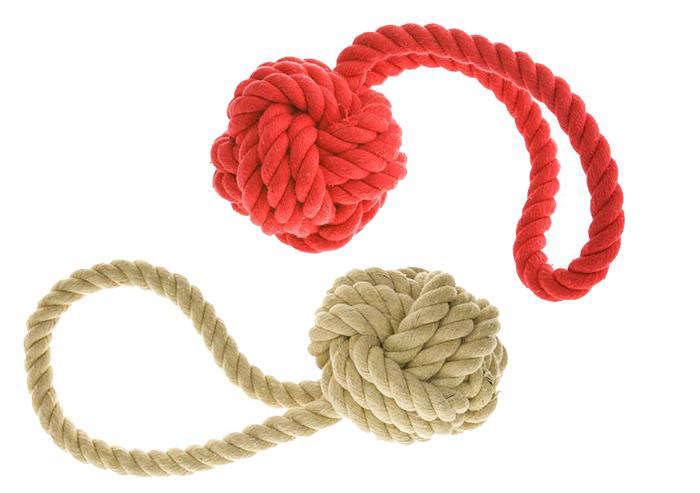
Cotton rope tug and toss toys are dog toys made from braided or twisted cotton fibers, usually designed for pulling, fetching, chewing lightly, or carrying. The most common designs include knotted ropes, rope balls, figure-eight tug toys, looped ropes, rope bones, and rope toys combined with tennis balls or rubber handles.
The “tug” part means the toy is built for interactive pulling games between a dog and a person, or sometimes between two compatible dogs. The “toss” part means the toy can be thrown for fetch or short-distance indoor play. A cotton rope toy is not the same as a long-lasting chew bone, and that distinction matters. Think of it like a tennis racket, not a snack. It is made for a game, not for being slowly eaten during a rainy Tuesday afternoon.
Cotton is popular because it is soft compared with many hard chew materials, flexible in the mouth, and easy to braid into grippy textures. Many pet parents also like that cotton is a natural fiber rather than a petroleum-based synthetic. However, “natural” does not automatically mean “risk-free.” A cotton rope toy still needs proper sizing, supervision, cleaning, and replacement when it starts to unravel.
Why Dogs Love Rope Tug and Toss Toys
Dogs are not complicated critics. Give them movement, texture, attention, and a chance to use their mouth, and they are usually ready to write a five-star review. Cotton rope tug and toss toys check several instinctive boxes at once.
They Satisfy the Urge to Grab and Pull
Tugging taps into natural canine behaviors: grabbing, resisting, pulling, and winning possession. For many dogs, the game itself is more exciting than the toy. A rope toy becomes valuable because it is shared with you. That is why some dogs ignore a toy on the floor but turn into furry gym coaches the second you pick up the other end.
They Add Physical Exercise
Tug and toss games can burn energy quickly. A few short rounds of tug, mixed with fetch and obedience breaks, can help active dogs settle down. This is especially useful when weather, busy schedules, or limited space make long outdoor adventures difficult.
They Provide Mental Stimulation
Interactive play is not just muscle work. Dogs must focus, respond to cues, control their excitement, and adjust their grip. When you add simple commands like “take it,” “drop it,” “wait,” and “sit,” a rope toy becomes a training tool disguised as fun. Sneaky? Absolutely. Effective? Also yes.
They Encourage Bonding
Dogs often value shared play more than solo entertainment. Tug creates a direct connection between dog and owner. When the game has rules and positive energy, it can build trust, confidence, and better communication.
Benefits of Cotton Rope Tug and Toss Toys
1. Great for Interactive Training
Cotton rope toys can be used as rewards during training. For dogs who prefer play over treats, a quick tug session can be more motivating than a biscuit. Trainers often use tug games to reward recall, impulse control, focus, and release cues.
The key is structure. Ask your dog to wait before grabbing the toy. Start the game with a cue. Pause occasionally. Ask for “drop it.” Reward cooperation by restarting the game. This teaches the dog that manners keep the fun going.
2. Helpful for Fetch and Toss Games
Many cotton rope toys are easy to throw and easy for dogs to carry. Rope balls and knotted ropes can work well for backyard fetch, while softer rope toys may be better for indoor toss games where you would rather not knock over a lamp, a coffee mug, or your entire sense of adulthood.
Because rope toys do not always bounce predictably, they can make fetch more interesting. The irregular movement keeps dogs engaged and encourages tracking, chasing, and problem-solving.
3. Softer Than Many Hard Chews
Compared with very hard bones, antlers, or rigid plastic toys, cotton rope is usually gentler on the mouth. This can make it appealing for moderate players and dogs that enjoy texture without needing to crush everything like a four-legged demolition crew.
However, soft does not mean indestructible. Dogs that shred toys or swallow pieces should not be left alone with rope toys. For powerful chewers, rubber tug toys or veterinarian-recommended chew alternatives may be safer.
4. May Support Light Tooth-Scrubbing During Play
The fibers of a cotton rope toy may create mild friction against the teeth during tugging and chewing. Some pet parents describe this as a floss-like effect. That said, rope toys should not be treated as a replacement for brushing, dental exams, or veterinarian-approved dental products. Dental health is a serious part of overall health, not something a slobbery rope can handle alone while wearing a superhero cape.
5. Affordable and Easy to Rotate
Cotton rope toys are often budget-friendly, which makes toy rotation easier. Instead of leaving every toy available all day, rotate a few toys at a time. This keeps novelty high and reduces boredom. A rope toy that disappears for a week and returns on Friday can suddenly become the most exciting object in the house.
How to Choose the Best Cotton Rope Tug and Toss Toy
Choose the Right Size
Size is one of the most important safety factors. A toy should be large enough that your dog cannot fit the entire thing in their mouth. Toys that are too small can become choking hazards, especially for larger breeds or enthusiastic gulpers.
For small dogs, choose lightweight rope toys with thinner braids and smaller knots, but still large enough to prevent swallowing. For medium dogs, a thicker rope bone or looped tug toy usually works well. For large and giant breeds, look for oversized ropes, strong knots, and designs that give your hand enough distance from your dog’s mouth.
Check the Weave and Knots
A tightly braided cotton rope usually lasts longer than a loose, flimsy one. Look for secure knots, even braiding, and no loose strands at purchase. If the toy already looks like it is giving up before your dog has met it, believe the toy. It knows its future.
Avoid Extra Parts That Can Be Swallowed
Some rope toys include bells, plastic eyes, squeakers, ribbons, or decorative pieces. These may look cute online, but removable parts can become hazards if chewed off. For strong chewers, simpler is often safer: rope, knots, and maybe a durable rubber component.
Match the Toy to Your Dog’s Play Style
A gentle fetcher may do well with a cotton rope ball. A tug-loving terrier may prefer a loop or figure-eight shape. A puppy may enjoy a softer, smaller rope toy for supervised play. A heavy chewer may need a rope toy only for short tug sessions, followed by a safer chew option when the game ends.
Safety Tips for Cotton Rope Dog Toys
Always Supervise Rope Play
The biggest safety rule is simple: supervise. Cotton rope tug and toss toys should not be left with dogs who shred, swallow, or obsessively chew fibers. If your dog starts pulling strands loose, pause the game and inspect the toy.
Throw Away Frayed or Unraveling Toys
Once a rope toy begins to unravel, it is time to retire it. Loose strands can be swallowed, and swallowed fibers may cause digestive problems. No toy is worth an emergency vet visit, no matter how emotionally attached your dog looks while guarding its beloved rope noodle.
Teach “Drop It” and “Leave It”
Reliable release cues make tug games safer and more enjoyable. Start by offering a treat when your dog lets go, then restart the game as the reward. Over time, your dog learns that dropping the toy does not end the fun; it resets the fun.
Keep Tug Low and Side-to-Side
Avoid yanking upward or jerking the toy sharply. Keep movements controlled and low to reduce strain on your dog’s neck, jaw, and spine. Let your dog do much of the pulling while you provide resistance, not chaos.
Do Not Let Children Play Rough Tug Unsupervised
Children and dogs can be wonderful play partners, but tug games require calm rules. An adult should supervise to prevent accidental nips, overexcitement, or competition that becomes too intense.
How to Clean Cotton Rope Tug and Toss Toys
Cotton rope toys collect saliva, dirt, grass, hair, and whatever mysterious floor seasoning exists in every home. Cleaning matters.
Many cotton rope toys can be hand-washed with warm water and mild soap, then rinsed thoroughly and air-dried completely. Some may be machine washable, depending on the manufacturer’s instructions. Always dry rope toys fully before giving them back to your dog, because damp fibers can develop odors or mildew.
For everyday maintenance, inspect the toy after each play session. Remove debris, check knots, and look for loosened strands. If the toy smells terrible even after washing, it has completed its earthly mission. Thank it for its service and move on.
Cotton Rope vs. Rubber, Plush, and Nylon Tug Toys
Cotton Rope Toys
Cotton rope toys are flexible, grippy, and great for interactive play. They are often affordable and easy to toss. Their main downside is that they can fray, and some dogs may swallow fibers.
Rubber Tug Toys
Rubber tug toys are often easier to clean and may be more durable for strong chewers. Many are also dishwasher-safe and suitable for water play. However, some dogs dislike the texture or prefer the satisfying grip of rope.
Plush Tug Toys
Plush tug toys are soft and appealing to dogs that like stuffed animals. They are usually not ideal for dogs who rip seams, remove squeakers, or perform toy surgery with alarming confidence.
Nylon and Synthetic Rope Toys
Synthetic rope toys can be strong, but they may create tougher strands when shredded. Cotton is often preferred by owners looking for a natural-fiber option, but the same supervision rules still apply.
Best Ways to Play With Cotton Rope Tug and Toss Toys
The Classic Tug Game
Ask your dog to sit. Present the rope toy and say “take it.” Tug gently from side to side. After a few seconds, stop moving and ask for “drop it.” Reward the release, then begin again. This pattern teaches impulse control and keeps the game from becoming a wrestling match hosted in your living room.
The Toss-and-Return Game
Use a rope ball or knotted rope for short fetch sessions. Toss the toy, encourage your dog to bring it back, and trade for a treat or another toy if needed. This is useful for dogs who enjoy chasing but are still learning that fetch includes the “bring it back” clause.
The Find-It Game
Hide the rope toy behind a chair, under a blanket edge, or near a doorway. Ask your dog to “find it.” This adds scent work and problem-solving to a familiar toy. Start easy, then increase difficulty as your dog improves.
The Training Reward Game
Use a short tug session as a reward after obedience commands. Ask for “down,” “stay,” or “come,” then reward success with five to ten seconds of tug. This builds enthusiasm and helps dogs associate training with fun.
Common Mistakes to Avoid
Leaving Rope Toys Out All Day
Rope toys are best used during supervised play. Leaving them out all day can encourage chewing, shredding, and swallowing fibers. Store them after the game to keep them special and safer.
Buying Toys That Are Too Small
A tiny rope toy may look adorable, but it can be dangerous for a medium or large dog. Choose bigger than you think you need, especially for dogs with wide jaws or intense play styles.
Ignoring Wear and Tear
Frayed ends, loosened knots, missing sections, and strings on the floor are all signs that the toy is done. Dogs do not understand retirement policies, so you have to be the responsible manager.
Using Tug to Encourage Wild Behavior
Tug should have rules. If your dog jumps, grabs hands, refuses to release, or becomes too aroused, pause the game. Restart only when your dog is calm enough to follow cues.
Who Should Use Cotton Rope Tug and Toss Toys?
Cotton rope tug and toss toys are a good fit for many dogs, especially those who enjoy interactive play, fetch, training games, and carrying toys around. They are especially useful for dogs that need short bursts of exercise or mental engagement.
They may not be ideal for dogs who destroy toys quickly, swallow fabric, guard toys aggressively, or chew rope into long strings. For these dogs, speak with your veterinarian or a qualified trainer about safer alternatives. The best toy is not the one with the cutest packaging. It is the one that matches your dog’s body, behavior, and level of supervision.
Real-Life Experience: Living With Cotton Rope Tug and Toss Toys
In everyday dog life, cotton rope tug and toss toys tend to become the “default fun” toy. They are easy to grab on the way to the yard, easy to toss down a hallway, and easy for most dogs to understand instantly. There is no puzzle mechanism to explain, no batteries to replace, and no app asking for a firmware update while your dog stares at you like customer support is failing.
One of the biggest practical advantages is versatility. A rope toy can start as a morning energy burner, become a training reward in the afternoon, and turn into a calm bonding game after dinner. For dogs that get zoomies at inconvenient times, a structured tug session can redirect that energy into something more manageable. Instead of sprinting across the couch like a furry meteor, the dog gets a job: grab, tug, release, repeat.
Another experience many owners notice is that dogs often prefer rope toys because they involve the human. A rubber chew may be interesting, but a rope toy in your hand becomes an event. The dog is not just playing with cotton; the dog is playing with you. That shared excitement is why even older rope toys can remain favorites long after newer toys arrive.
Of course, real life also teaches humility. Cotton rope toys get dirty fast. If your dog takes one outside, expect it to collect leaves, soil, and possibly a small botanical research sample. Washing helps, but some toys eventually reach a point where no amount of soap can restore public dignity. This is normal. Rope toys are not heirlooms. They are working equipment.
Owners of puppies often find rope toys helpful for teaching bite control and toy focus. When a puppy gets mouthy, redirecting to a rope toy gives them something appropriate to grab. But puppies also need close supervision because they explore with their mouths and may chew off small strands. Short sessions work better than unlimited access.
For adult dogs, the best results usually come from keeping the rope toy special. Put it away after play. Bring it out with excitement. Use it for games with rules. This prevents boredom and reduces destructive chewing. A toy that is always available becomes furniture. A toy that appears when you are ready to play becomes magic.
The most important lesson is to watch the dog, not the marketing label. “Durable” does not mean indestructible. “Natural cotton” does not mean edible. “For aggressive chewers” does not mean safe without supervision. Every dog has a different play style. Some carry rope toys gently like precious museum artifacts. Others attack them like the rope owes them money. Your dog will tell you which category they belong to within about three minutes.
When used with common sense, cotton rope tug and toss toys can be some of the most enjoyable tools in a dog owner’s play routine. They are simple, affordable, interactive, and wonderfully low-tech. The best moments are not complicated: your dog brings the rope, you take one end, the tail starts wagging, and suddenly an ordinary afternoon becomes a championship match in the living room. Nobody knows the score, but everyone wins.
Conclusion
Cotton rope tug and toss toys are classic for a reason. They support interactive play, exercise, training, bonding, and fetch-style fun in one simple design. The best ones are properly sized, tightly woven, easy to grip, and matched to your dog’s play style.
The safety rule is equally simple: supervise play, inspect often, and replace the toy when it frays or unravels. Cotton rope toys are not meant to be swallowed, shredded, or used as all-day chew objects. Treat them as interactive play tools, and they can bring plenty of healthy excitement to your dog’s routine.
Whether you have a puppy learning manners, an adult dog burning energy, or a senior who still enjoys a gentle toss game, a cotton rope toy can be a small investment with a big payoff. Just remember: the magic is not only in the rope. It is in the shared game, the clear rules, and the happy dog proudly trotting back for one more round.