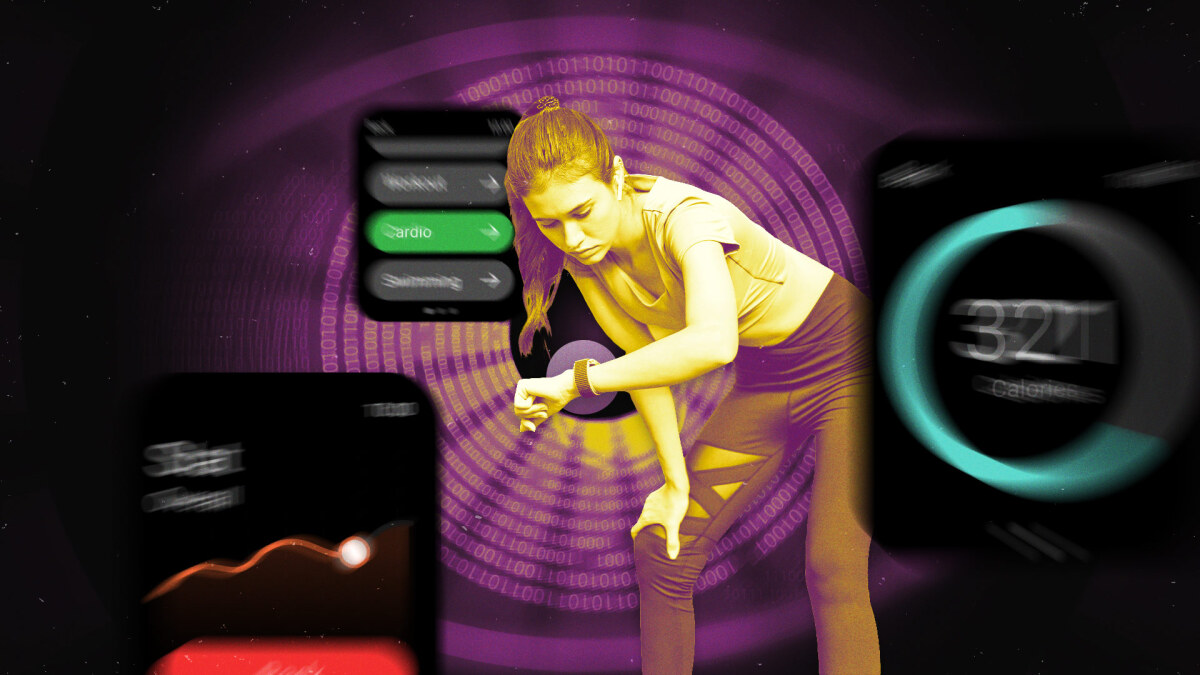

Fitness tracking used to be simple: count steps, measure heart rate, celebrate when your watch buzzed like a tiny wrist-mounted cheerleader. Then came sleep scores, stress graphs, readiness numbers, recovery dashboards, blood oxygen estimates, and enough charts to make your gym bag feel like a NASA control room. Now the next frontier is moving from the wrist to the brain.
Brain wearables are devices that monitor signals related to brain activity, usually through noninvasive sensors such as EEG, short for electroencephalography. Instead of only asking, “How fast did you run?” or “How many calories did you burn?” these devices aim to answer deeper questions: “How mentally ready are you?” “Are you focused?” “Is your nervous system overloaded?” “Did your brain actually recover during sleep?”
So, are brain wearables the future of fitness tracking? The honest answer is: very possibly, but not as a replacement for today’s trackers. The future looks more like a team effort, where your watch, ring, headphones, sleep earbuds, and maybe even a brain-sensing headband all contribute to a more complete picture of performance. Think less “one device to rule them all” and more “wellness Avengers, assemble.”
What Are Brain Wearables?
Brain wearables are consumer or research-grade devices designed to measure signals associated with brain activity. Most consumer brain wearables use EEG sensors placed on the scalp, forehead, ears, or inside earbuds. EEG detects tiny electrical patterns generated by groups of neurons. These signals do not read thoughts, memories, secrets, or your embarrassing gym playlist. Instead, they detect patterns that may relate to sleep stages, focus, relaxation, fatigue, attention, and mental workload.
Some devices combine EEG with other biosignals such as heart rate, motion, skin temperature, breathing patterns, or blood oxygen trends. Others use related technologies like fNIRS, which estimates changes in blood oxygenation in the brain. In fitness language, brain wearables try to move beyond “what your body did” and closer to “how your brain and nervous system handled it.”
Popular Examples of Brain Wearable Technology
Several products already hint at where this category is going. Muse headbands use EEG for meditation, sleep, and mental fitness. Neurable’s brain-sensing headphones use EEG sensors to estimate focus and cognitive fatigue. NextSense Smartbuds use in-ear EEG sensors for sleep tracking and brain-responsive audio. Emotiv and OpenBCI offer more advanced EEG systems used by researchers, developers, and brain-computer interface enthusiasts.
These devices are not identical to mainstream fitness trackers like Apple Watch, Oura Ring, Garmin, Fitbit, or WHOOP. Traditional wearables are strongest at measuring body-based signals: heart rate, HRV, movement, sleep duration, skin temperature, exercise load, and recovery trends. Brain wearables add a different layer: cognitive state, mental effort, relaxation, and sleep staging based more directly on brain signals.
Why Fitness Tracking Is Moving Toward the Brain
The fitness industry is obsessed with readiness. That is not a criticism; it is a very useful obsession. Athletes, weekend warriors, and ordinary humans trying to survive Monday all want to know when to push, when to rest, and when to stop pretending four hours of sleep was “basically fine.”
Current fitness trackers estimate readiness using metrics such as heart rate variability, resting heart rate, sleep quality, respiratory rate, previous workout strain, and stress trends. These are valuable signals, but they are still indirect. Your body can look physically ready while your brain is fried from poor sleep, emotional stress, travel, screen overload, or a workday that felt like being chased by spreadsheets.
Brain wearables could help fill that gap. By measuring patterns linked to focus, fatigue, calmness, or sleep depth, they may give users a more personal view of performance. In theory, a future fitness tracker could say, “Your legs are ready for intervals, but your cognitive load is high, so choose a moderate workout today.” That is far more helpful than a generic “You slept 78% good,” which sounds like feedback from a sleepy robot.
How Brain Wearables Could Improve Fitness Tracking
1. Better Recovery Insights
Recovery is not just muscle repair. It also involves the nervous system, sleep quality, mental stress, and hormonal balance. Traditional wearables use HRV and sleep patterns to estimate recovery. Brain wearables could add another dimension by identifying whether the brain entered restorative sleep stages or whether the user experienced signs of elevated mental strain.
This matters because two people can sleep for seven hours and wake up feeling completely different. One feels ready to deadlift a refrigerator. The other feels personally betrayed by the alarm clock. If EEG-based sleep tracking becomes easier, more comfortable, and more accurate, brain wearables may help explain why.
2. Smarter Sleep Tracking
Most wrist-based sleep trackers infer sleep stages from movement, heart rate, and other body signals. That can be useful, but sleep stages are fundamentally brain states. EEG is widely used in sleep science because it can detect brainwave patterns associated with light sleep, deep sleep, and REM sleep.
Consumer brain wearables may bring sleep tracking closer to the method used in labs, though with important limitations. A comfortable EEG headband or earbud could help users understand whether they are getting enough deep sleep, whether late caffeine affects their brain’s recovery, or whether stress is fragmenting sleep. The dream is not simply a prettier sleep score. The dream is sleep advice that is actually useful and does not make people panic because their “REM score” looks like a failing math grade.
3. Cognitive Readiness for Training
Fitness is not only physical. Reaction time, attention, decision-making, motivation, and coordination all influence performance. This is obvious in sports like tennis, basketball, cycling, martial arts, climbing, and running on a crowded sidewalk while dodging dogs, scooters, and people staring at phones.
Brain wearables could help identify cognitive readiness before training. A device might detect signs of mental fatigue and suggest a lower-skill session, mobility work, zone 2 cardio, or rest. For competitive athletes, this could reduce injury risk during technically demanding workouts. For everyday users, it could prevent the classic mistake of attempting a heroic workout when the brain is operating on airplane mode.
4. Real-Time Focus and Flow Tracking
One of the most interesting promises of brain wearables is tracking focus. Focus is already a performance metric in work, gaming, meditation, and sports. If a device can detect when you are entering or leaving a focused state, it could help you structure training, breathing exercises, recovery breaks, or mental warmups.
Imagine a runner using music that adjusts based on cognitive fatigue, a golfer practicing breathing when focus drops, or a lifter seeing how sleep debt affects concentration under heavy load. These examples sound futuristic, but the building blocks already exist: EEG sensors, AI models, audio feedback, and apps that translate signals into simple coaching cues.
Where Brain Wearables Still Fall Short
The hype around brain wearables is exciting, but it needs a seatbelt. EEG signals are delicate. Movement, sweat, hair, poor sensor contact, facial muscle activity, and environmental noise can interfere with readings. That is a big deal for fitness, because exercise tends to involve movement, sweat, and facial expressions that range from “determined athlete” to “possessed garden gnome.”
Brain wearables are currently strongest in calmer situations: meditation, sleep, work focus, recovery sessions, and controlled training environments. Measuring clean EEG during intense running, lifting, boxing, or high-impact sports is much harder. Motion artifacts can make the signal messy, and messy data can lead to unreliable conclusions.
Comfort is another challenge. A wristwatch is easy to wear all day. A ring is even easier. A headband? Maybe during sleep or meditation. EEG headphones? Great for work, but not ideal for burpees. Earbuds may become the most practical brain wearable form factor, especially for sleep and low-impact activity, but they still must solve fit, comfort, battery life, data accuracy, and long-term usability.
Brain Wearables vs. Traditional Fitness Trackers
Traditional fitness trackers are not going away. They are too useful, too familiar, and too good at measuring everyday health signals. Apple Watch offers heart health notifications, workouts, sleep features, and smartwatch convenience. Oura focuses on sleep, readiness, stress, and recovery in a discreet ring. Garmin provides training readiness, HRV status, body battery, and detailed performance tools for athletes. WHOOP emphasizes strain, sleep, recovery, and coaching.
Brain wearables do not need to beat these devices at their own game. Instead, they need to answer questions that wrist and ring trackers cannot answer well. Is your brain recovered? Are you mentally overloaded? Did your sleep include strong restorative patterns? Are you focused enough for a technical training session? Are you calm enough to perform under pressure?
The best future may combine body data and brain data. For example, HRV might show physical recovery, while EEG suggests cognitive fatigue. Skin temperature might show early illness trends, while sleep EEG reveals disrupted recovery. Workout load might show muscular stress, while brain data shows mental strain. Together, these signals could produce coaching that feels less like a scoreboard and more like a wise trainer who has seen you make questionable life choices before.
Privacy: The Big Question Nobody Should Ignore
Brain data is not ordinary data. Step counts are personal, but neural data feels more intimate. Even if consumer EEG devices cannot read thoughts, brain signals can still reveal patterns related to attention, fatigue, sleep, stress, emotional state, or neurological function. That makes privacy one of the most important issues in the brain wearable conversation.
As consumer neurotechnology grows, lawmakers and privacy advocates are paying closer attention. Some U.S. states have already moved to treat neural data as sensitive personal information. This matters because many wellness devices do not operate under the same rules as medical devices or healthcare providers. A product may feel medical because it measures your body, but legally it may be marketed as a general wellness tool.
Before buying a brain wearable, users should ask basic but serious questions: What data is collected? Is raw EEG stored? Can it be deleted? Is it shared with third parties? Is it used to train algorithms? Is the privacy policy readable by actual humans, or was it written by a committee of caffeinated fog machines?
Medical Device or Wellness Gadget?
Another key issue is regulation. Many brain wearables are marketed for general wellness, focus, meditation, sleep support, or self-improvement. That is different from diagnosing or treating a medical condition. A device that says it helps you relax is not the same as a device cleared to diagnose epilepsy, sleep disorders, depression, ADHD, concussion, or neurological disease.
This distinction is important for consumers. Brain wearables may provide useful insights, but they should not replace medical evaluation. If a device flags unusual sleep patterns, severe fatigue, anxiety-like trends, or cognitive problems, the next step should be a qualified healthcare professional, not a midnight internet spiral featuring fourteen tabs and a suspicious forum post.
The most responsible future for brain wearables will involve clear labeling, transparent claims, independent validation, and honest communication about limitations. Consumers deserve innovation, but they also deserve to know when a score is a helpful estimate rather than a clinical truth.
Who Might Benefit Most From Brain Fitness Tracking?
Athletes
Athletes may use brain wearables to monitor cognitive fatigue, improve recovery, refine sleep routines, and prepare for high-pressure performance. Sports that require timing, precision, and reaction speed could benefit the most.
Busy Professionals
People who train before or after demanding workdays may use focus and fatigue data to adjust exercise intensity. A brain wearable might help identify whether a poor workout was caused by weak motivation, bad sleep, or a nervous system waving a tiny white flag.
People Focused on Sleep
Sleep enthusiasts may be early adopters because EEG is especially relevant to sleep staging. Brain-sensing earbuds and headbands could make sleep tracking more detailed, especially when paired with heart rate, breathing, and temperature data.
Meditation and Mental Fitness Users
Brain wearables are already popular among people using neurofeedback for meditation, relaxation, and attention training. These users may care less about running pace and more about mental clarity, emotional regulation, and stress recovery.
Will Brain Wearables Become Mainstream?
Brain wearables will become mainstream only if they become comfortable, affordable, accurate, and genuinely helpful. The technology cannot feel like a science fair strapped to your forehead. It must disappear into products people already use: headphones, earbuds, sleep masks, headbands, helmets, smart glasses, or athletic gear.
The most likely path is not that everyone starts wearing an EEG cap to the gym. The more realistic path is quiet integration. Brain sensors may appear in premium headphones, sleep earbuds, VR headsets, meditation devices, and eventually sports equipment. Over time, brain data may become one more input inside broader fitness platforms.
For now, brain wearables are early but promising. They are not magic. They are not mind readers. They are not a shortcut to discipline, sleep, nutrition, or training consistency. But they may help answer one of the hardest questions in fitness: not just “What did I do?” but “How well did I handle it?”
Personal Experience: What Brain Wearables Feel Like in Real Life
Using brain wearable technology changes the way you think about fitness tracking. With a normal smartwatch or ring, the experience is familiar: check steps, check sleep, check heart rate, nod thoughtfully, then ignore the advice and drink coffee anyway. Brain wearables feel different because the data seems closer to your internal state. A focus score or sleep-stage report can feel more personal than a step count. It is not just measuring movement; it is commenting on your mental battery.
The first experience many users notice is curiosity. Wearing an EEG headband during meditation, for example, can make relaxation feel measurable. That can be motivating. You may realize that slow breathing, a quieter room, or reducing phone use before bed changes the feedback you receive. The device becomes a mirror for habits you already suspected mattered. Suddenly, “I should wind down earlier” becomes less vague and more like a measurable experiment.
Sleep tracking is where brain wearables can feel especially useful. A regular tracker may tell you that you slept seven hours and had a decent recovery score. A brain wearable may suggest that your deep sleep was disrupted or that your brain stayed more active than expected. Used wisely, that can encourage better habits: consistent bedtimes, less alcohol, cooler rooms, less late-night scrolling, and fewer dramatic negotiations with the snooze button.
However, the experience can also become too intense. Some users may start chasing perfect scores. This is already a problem with sleep trackers, and brain wearables could make it worse because brain data sounds more authoritative. If a device says your recovery is low, it is easy to feel defeated before the day even begins. That is why the healthiest approach is to treat brain wearable data as a guide, not a judge. Your body still matters. Your mood still matters. Your lived experience still gets a vote.
In workouts, brain wearables are not yet as seamless as watches or rings. A headband can shift. Sensors can lose contact. Sweat can interfere. High-motion workouts are still difficult for clean brain tracking. But for warmups, breathing sessions, sleep, focus blocks, meditation, and recovery days, the experience can be surprisingly practical. It helps users connect mental state with physical performance. You may notice that hard workouts after poor sleep feel worse not because you are lazy, but because your system is not fully recovered.
The best experience comes from combining brain data with normal fitness metrics. If your HRV is low, sleep was fragmented, and focus feels poor, that is a strong signal to go lighter. If your body metrics look good and your mental clarity is high, that may be the day to train hard. This is where the future becomes exciting: fitness tracking that understands both the engine and the driver.
Still, brain wearables require trust. Users need clear privacy controls, honest claims, and simple explanations. Nobody wants a device that turns wellness into homework or turns every brainwave into a mysterious warning. The ideal brain wearable should feel like a helpful coach, not a dramatic fortune teller wearing Bluetooth.
Conclusion: The Future Is Brain Plus Body
Brain wearables are not ready to replace traditional fitness trackers, but they may become one of the most important upgrades in the next generation of health technology. Wrist-based and ring-based devices are excellent at tracking physical signals. Brain wearables add context about focus, fatigue, sleep depth, cognitive readiness, and mental recovery.
The future of fitness tracking will likely be more holistic. Instead of treating the body and brain as separate departments, tomorrow’s wearables may combine heart rate, HRV, sleep, movement, temperature, EEG, stress patterns, and behavior into smarter recommendations. That could help users train harder when ready, rest before burnout, sleep better, and understand performance in a more human way.
The big challenges are accuracy, comfort, cost, privacy, and regulation. Brain data is sensitive, and companies must treat it with care. Consumers should stay curious but cautious. Brain wearables are exciting, but the smartest users will remember that no device, no matter how advanced, can replace common sense, professional medical advice, consistent habits, or the ancient fitness technology known as “going to bed on time.”