
Basement windows are the quiet little side doors of the houseexcept they are not doors, they are usually smaller, lower, darker, and somehow always surrounded by shrubbery that looks innocent until you realize it creates the perfect hiding spot. If your basement windows are old, loose, poorly lit, or protected only by a rusty latch from the era of shag carpeting, they deserve attention.
The good news is that improving basement window security does not require turning your home into a fortress or making your lower level feel like a medieval dungeon. The best approach is layered: stronger hardware, smarter lighting, better visibility, security sensors, reinforced glass, and safe window-well protection. Most importantly, every upgrade must preserve emergency escape. A secure basement window should keep intruders out, not trap your family inside.
This in-depth guide explains practical, homeowner-friendly ways to improve basement window security, whether you have a finished basement, a laundry room with tiny hopper windows, a guest suite with egress windows, or a window well that currently functions as a leaf aquarium.
Why Basement Windows Need Special Security Attention
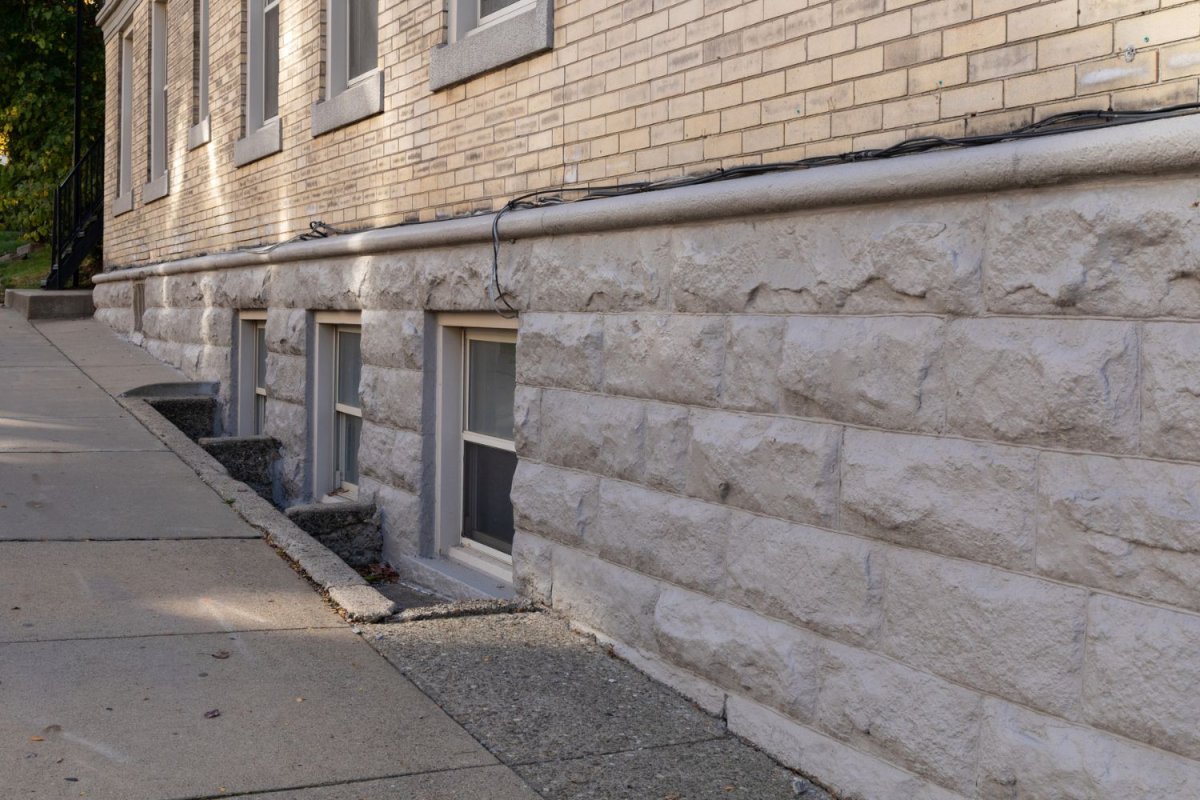
Basement windows are different from upper-level windows in one major way: they often sit below the natural sightline of neighbors, pedestrians, and even homeowners. A front window is visible. A basement window behind a hedge, under a deck, or inside a deep window well is basically wearing an invisibility cloak.
Many basement windows are also older than the rest of the home’s window system. Homeowners often replace main-floor windows first because they affect curb appeal, comfort, and energy bills. Basement windows get ignored until they leak, jam, rattle, or invite a suspicious draft that feels like it came from a cave. Unfortunately, age and neglect can create weak points: brittle frames, corroded locks, cracked panes, loose screws, rotted wood, and flimsy screens pretending to be security devices.
A basement window may also serve as an emergency escape and rescue opening, especially in a finished basement or basement bedroom. That means security improvements must be chosen carefully. Bars, grilles, covers, or locks should never block a person from opening the window from the inside during a fire or other emergency.
Start With a Basement Window Security Audit
Before buying gadgets, walk around your home and inspect every basement window from the outside and inside. This quick audit helps you spend money where it matters instead of collecting random security products like a very anxious hardware-store squirrel.
Check Each Window From Outside
Look for windows hidden by shrubs, fences, decks, air-conditioning units, trash bins, stacked firewood, or outdoor furniture. Anything that blocks visibility may also provide cover. Trim landscaping so the window can be seen from the yard, driveway, or street when possible. Security often starts with one simple principle: make the risky spot less private.
Next, inspect the window well. Is it deep enough for someone to stand in comfortably? Is there debris inside? Does the well cover fit securely? Does water collect there after rain? A messy or poorly drained window well is not only unattractive; it can hide damage and make the window easier to approach unnoticed.
Check Each Window From Inside
Open and close the window. If it sticks, squeals, drops, wobbles, or requires a secret handshake, it needs maintenance. Test the lock. A lock that spins loosely or barely catches the frame should be repaired or replaced. Check the frame for rot, corrosion, gaps, missing fasteners, and old caulk that has lost its seal.
If a window is used for emergency egress, confirm that it opens easily from inside without keys, tools, or complicated instructions. In a real emergency, nobody should be reading a tiny label while smoke alarms are screaming.
Upgrade Weak Basement Window Locks
The cheapest security improvement is often the most overlooked: replace weak, broken, or outdated locks. Many basement windows rely on small factory latches designed more for keeping the sash closed than resisting forced entry. If the latch feels flimsy, upgrade it.
For sliding basement windows, consider track locks, pin locks, or keyed locks where appropriate. For hopper or awning-style windows, use high-quality sash locks or manufacturer-approved replacement hardware. For double-hung basement windows, add sash locks, ventilation stops, or secondary locking devices that prevent the window from being opened wide from outside.
However, use caution with keyed locks on basement windows that may serve as emergency exits. A lock that requires a key can become dangerous if the key is missing, misplaced, or stored somewhere “safe” that nobody can remember. For egress windows, choose hardware that strengthens the window while still allowing quick interior release.
Add Window Security Film for Glass Reinforcement
Security film is a clear or lightly tinted layer applied to glass. It does not make a window unbreakabledespite what action movies may have taught us, glass remains glassbut it can help hold broken pieces together and slow down forced entry. That delay matters. Intruders generally prefer quick, quiet, low-effort access. If a window resists, makes noise, or takes too long, the target becomes less attractive.
For basement windows, security film is especially useful when you want extra protection without changing the look of the window. It can be paired with stronger locks and sensors for a layered defense. Professional installation usually produces the cleanest result, especially on older panes, but some homeowners use DIY kits for small windows.
Before installing film, clean the glass thoroughly and repair damaged frames. Film works best when the window system is already structurally sound. Putting high-quality film on a loose, rotted window frame is like putting a racing helmet on a lawn chair: technically an upgrade, but not the one you need first.
Consider Security Bars, Grilles, or GuardsSafely
Security bars and grilles can be very effective for basement windows because they create a visible physical barrier. Modern versions do not have to look like a jail cell. Many come in clean, simple designs or decorative patterns that fit traditional, modern, or industrial-style homes.
The key word is safe. If the basement space is used as a bedroom, living area, office, or guest room, the window may need to remain usable as an emergency escape. In that case, choose bars or guards with an interior quick-release mechanism. The release should be simple enough for household members to operate without tools, keys, or special knowledge.
Fixed bars may be appropriate for small utility-room windows that are not required for egress, but they are a poor choice for emergency exits. When in doubt, check local building codes or ask a licensed contractor or local building department before installation. Security should never create a fire-safety problem.
Secure the Window Well Without Blocking Escape
Window wells are common around below-grade basement windows, and they deserve their own security plan. A well can provide a hidden place for someone to crouch, work on a window, and stay out of view. It can also collect leaves, water, snow, toys, and that one missing garden glove from 2019.
A sturdy window-well cover can improve safety and security by limiting access, keeping out debris, and reducing the chance of accidental falls. Choose a cover that fits the well properly and is made from durable material such as polycarbonate, metal grating, or reinforced plastic. The cover should be strong enough to resist casual tampering but easy to open from inside if the window is an emergency exit.
If the window well is deep, make sure any required ladder or steps remain clear and usable. Do not lock a cover in a way that traps someone inside. For egress wells, quick-release hardware is not a luxury; it is the difference between smart security and a very bad idea wearing a padlock.
Improve Outdoor Lighting Around Basement Windows
Darkness is not your friend when it comes to basement security. Install motion-activated lights near basement windows, side yards, rear entrances, and window wells. The sudden blast of light can startle unwanted visitors and make them visible to neighbors, cameras, or anyone inside the home.
Solar lights may work in sunny areas, but hardwired or battery-backed fixtures are usually more reliable for critical zones. Aim lights so they illuminate the approach to the window without shining directly into a neighbor’s bedroom, unless your goal is to become the topic of the next HOA meeting.
Lighting also helps homeowners. You are more likely to notice damage, footprints, broken covers, or suspicious activity when the area is visible. Good lighting is not just deterrence; it is awareness.
Install Window Sensors and Glass-Break Sensors
Basement windows should be included in your home security system, not treated as the forgotten cousin of the front door. Entry sensors can alert you when a window is opened. Glass-break sensors can detect the sound or vibration of breaking glass. Motion sensors in the basement add another layer if someone bypasses the window sensor.
For a finished basement, consider using all three: contact sensors on windows, a glass-break sensor for larger panes or multiple windows, and a motion detector covering the main basement area. For unfinished basements, a motion sensor near the stairs or central open area may provide broad coverage.
Smart alerts are especially useful for basement windows because you may not hear activity below grade. A phone notification, alarm siren, or monitored security response can turn a hidden entry point into a highly visible event.
Use Cameras Strategically, Not Randomly
Security cameras can help monitor basement windows, but placement matters. A camera pointed at a blank wall, a tree branch, or the neighbor’s fence is not exactly a crime-fighting masterpiece. Position outdoor cameras to capture approaches to basement windows, side gates, basement doors, and window wells.
Look for features such as motion detection, night vision, weather resistance, secure cloud or local storage, and privacy controls. If you use smart cameras, update firmware regularly and use strong passwords. A camera is supposed to protect your privacy, not become a livestream for someone who guessed your password was “password123.”
Visible cameras may deter opportunistic intruders, while discreet cameras can help document activity. Many homeowners use both: visible cameras near entry points and broader coverage cameras monitoring side yards or backyard access.
Replace Old Basement Windows When Repair Is Not Enough
Sometimes the best security upgrade is replacement. If a basement window has rotted wood, rusted metal, cracked glass, missing locks, or a frame that shifts when pushed, adding gadgets may only decorate the problem. Newer basement windows can offer stronger frames, better locking systems, improved weather resistance, and better energy efficiency.
Glass block windows are often used in basements where privacy, durability, and light are priorities. They can be harder to access than traditional operable windows, but they are not suitable everywhere. If the room requires emergency egress, a fixed glass block window may not meet safety needs unless it includes an approved vent or is installed in a location where egress is not required.
Vinyl replacement basement windows are another common option. They resist moisture better than many older materials and can include improved locks. For finished basements, egress windows may be required or strongly recommended, especially if the space includes sleeping areas.
Do Not Forget Basic Yard and Home Habits
Security products help, but habits matter. Keep basement windows closed and locked when you are away. Remove ladders, stacked bins, patio chairs, or tools that could help someone access a window. Trim shrubs and avoid planting dense bushes directly in front of below-grade windows.
Do not store valuables in plain view of basement windows. If someone can look through the glass and see electronics, tools, bikes, or collectibles, the window becomes more tempting. Use curtains, blinds, privacy film, or strategic storage to reduce visibility without blocking emergency access.
Also, check the basement after storms. Heavy rain, snow, or wind can shift covers, clog wells, damage locks, or create drainage issues. A secure window is also a maintained window.
Basement Window Security Checklist
- Inspect every basement window from inside and outside.
- Repair damaged frames, loose locks, cracked glass, and failed caulk.
- Trim landscaping that hides basement windows.
- Install stronger locks that do not block emergency escape.
- Add security film to reinforce vulnerable glass.
- Use quick-release bars or grilles only where appropriate.
- Install sturdy window-well covers with safe interior release.
- Add motion-activated lighting around window areas.
- Place window sensors, glass-break sensors, and motion detectors in the basement.
- Use cameras to monitor side yards, window wells, and basement approaches.
- Keep ladders, tools, and climbable objects away from windows.
- Confirm egress windows remain easy to open from inside.
Common Mistakes to Avoid
Mistake 1: Installing Fixed Bars on an Egress Window
This is one of the biggest basement security mistakes. Fixed bars may stop an intruder, but they may also stop a family member from escaping during an emergency. If bars are used on an egress window, they should include a reliable quick-release system that can be operated from inside.
Mistake 2: Locking the Window Well Cover From Outside
A locked cover may feel secure, but if it cannot be opened quickly from the inside, it can create a dangerous trap. Use covers and latches designed for egress safety.
Mistake 3: Relying on One Security Product
No single product solves everything. A strong lock does not detect broken glass. A camera does not physically reinforce a window. A sensor does not stop water damage. Layered security works because each element supports the others.
Mistake 4: Ignoring Maintenance
Even the best lock fails if the frame around it is rotten. Even the best cover fails if it is cracked, loose, or buried under wet leaves. Basement window security is not a one-time project; it is a maintenance habit.
Real-World Experience: What Homeowners Learn After Securing Basement Windows
Homeowners often start thinking about basement window security after something small happens: a window is found unlocked, a well cover blows off during a storm, a neighbor reports a break-in, or a contractor points out that the old latch is barely hanging on. The first surprise is usually how many basement windows have been ignored for years. Main-floor windows get curtains, cleaning, and attention. Basement windows get spiderwebs and motivational neglect.
One practical lesson is that visibility changes everything. After trimming shrubs and adding motion lighting, many homeowners say the basement immediately feels less vulnerable. It is not glamorous work. Nobody throws a party because you pruned a boxwood. But suddenly the window is visible from the driveway, the side yard is brighter, and the dark corner of the house no longer feels like a secret entrance.
Another common experience is discovering that old locks are more symbolic than functional. A homeowner may test a basement latch and realize it barely catches. Replacing hardware is often inexpensive, but it creates a noticeable improvement. The window closes firmly, the sash does not wiggle, and the basement feels less like it is being protected by a paperclip with ambition.
Window-well covers also make a bigger difference than expected. A well-fitted cover keeps leaves, snow, animals, and debris out of the well, which makes maintenance easier and improves the appearance of the home. When paired with safe release hardware, it can add security without sacrificing emergency escape. Homeowners with children or pets also appreciate the fall-prevention benefit around deep wells.
Security sensors tend to bring peace of mind. Many homeowners install door sensors first and forget the basement. Once window sensors and glass-break sensors are added, the system feels more complete. The basement is no longer a blind spot. If a window is opened, left open, or disturbed, the homeowner knows quickly. That matters when the basement is used as a guest room, home office, gym, or storage area for valuable tools.
Camera placement can require trial and error. A camera mounted too high may miss the window well. A camera aimed too low may capture nothing but mulch. The best results usually come from testing the view during the day and at night, then adjusting the angle. Good lighting and camera coverage work together; night vision is helpful, but a well-lit approach produces clearer footage and stronger deterrence.
The most important lesson is that basement window security must remain practical. A system that is annoying will not be used. If a lock is difficult to operate, someone will leave it undone. If a cover is too heavy, it will not be checked. If a sensor creates constant false alarms, it will be disabled. The best upgrades are strong, simple, and easy to live with every day.
Finally, homeowners learn that security and safety are partners, not rivals. A secure basement window should resist unwanted entry, protect against weather, support privacy, and still open quickly from inside when needed. That balance is the heart of good basement window security. You are not building a bunker. You are making a smarter, safer homepreferably one where the basement windows stop being the weakest link and go back to doing their actual job: letting in light without inviting drama.
Conclusion
Improving basement window security is one of the smartest home safety projects because it protects a commonly overlooked entry point. Start with inspection and maintenance, then layer in stronger locks, reinforced glass, lighting, sensors, cameras, and secure window-well covers. If your basement windows are old or damaged, replacement may be the best long-term fix.
The golden rule is simple: secure the window without blocking escape. Basement windows often play a critical role in emergency egress, so every bar, grille, cover, and lock should be chosen with safety in mind. With the right upgrades, your basement can be brighter, safer, harder to access from outside, and still easy to exit from inside. That is the sweet spot: practical security without turning your home into a puzzle box.