
Note: This article is original, web-ready content synthesized from real information about creative drawing prompts, self-portrait art, cat body language, community art challenges, and beginner-friendly illustration practice.
There are internet prompts, and then there are internet prompts that walk into the room, knock a glass off the table, stare directly into your soul, and ask, “So… what kind of cat would you be?” That is the delightful energy behind “Hey Pandas, Draw Yourself As A Cat.” It is funny, oddly personal, surprisingly creative, and just chaotic enough to make people grab a pencil before they overthink it.
At first glance, the idea sounds simple: draw yourself as a cat. But the magic is in the interpretation. Are you a sleepy loaf on a windowsill? A dramatic long-haired diva with tiny glasses and a coffee addiction? A street-smart tabby wearing headphones? A tuxedo cat who looks like they file taxes early? The prompt turns self-portrait drawing into a playful personality test, except the result has whiskers.
Creative communities love prompts like this because they lower the pressure. You do not need to be a professional artist. You do not need perfect anatomy, museum-level shading, or a sketchbook that looks like it belongs to an art-school wizard. You only need an idea, a little curiosity, and the courage to let your inner cat appear on the page. Maybe your inner cat is majestic. Maybe it is a potato with ears. Both are valid.
Why “Draw Yourself As A Cat” Works So Well
The best art prompts are specific enough to spark ideas but flexible enough to invite personality. “Draw yourself as a cat” hits that sweet spot perfectly. It gives you a clear subject, but it does not tell you what style, mood, pose, color, or story to use. That freedom is what makes the prompt so shareable.
Self-portraiture has always been about more than copying a face. Artists use self-portraits to explore identity, emotion, humor, memory, and personal style. When you add the cat element, the self-portrait becomes less intimidating. Instead of asking, “Can I draw my face accurately?” the prompt asks, “What feline version of me would explain my personality best?” That question is much more fun.
Cats also come with a built-in emotional vocabulary. A high tail can feel confident. Flattened ears can look annoyed or nervous. Big pupils can suggest excitement, mischief, or “I heard the treat bag.” A curled-up pose can feel cozy, while an arched back can be pure drama. These visual cues help artists express personality without writing a single sentence.
The Internet Loves Cats for a Reason
Cats are basically the unofficial mascots of online culture. They are cute, strange, expressive, unpredictable, and somehow both graceful and ridiculous. A cat can look like royalty in one moment and like a dropped croissant in the next. That range makes them perfect for art.
When people draw themselves as cats, they borrow that expressive range. A shy person might become a small gray cat hiding under a blanket with one eye peeking out. A confident person might become a golden-eyed panther sitting on a throne of unread emails. A funny person might draw themselves as a round orange cat wearing sunglasses and pretending everything is under control. Spoiler: the orange cat is not in control.
This is why cat self-portrait prompts work especially well for online communities. They invite humor, vulnerability, style, and storytelling all at once. A single drawing can say, “I am tired,” “I am dramatic,” “I am secretly fancy,” or “I require snacks and emotional support.” In other words, it can say what a regular selfie cannot.
How to Draw Yourself As A Cat
You do not need complicated supplies to begin. A pencil and paper are enough. Digital artists can use Procreate, Krita, Photoshop, Clip Studio Paint, IbisPaint, or whatever app makes their tablet feel less like an expensive serving tray. Traditional artists can use markers, colored pencils, watercolor, ink, crayons, or the suspicious pen found at the bottom of a backpack.
Step 1: Choose Your Cat Personality
Start by asking a simple question: What kind of cat matches your personality? Are you elegant, chaotic, sleepy, curious, anxious, independent, affectionate, sarcastic, mysterious, or snack-motivated? Most people are several of these before breakfast.
Here are a few ideas:
- The Cozy Cat: wrapped in a blanket, holding tea, refusing all unnecessary social interaction.
- The Chaos Cat: wide eyes, flying papers, one paw on a keyboard, zero regrets.
- The Artist Cat: paint-stained paws, beret optional, dramatic sigh required.
- The Gamer Cat: headphones, glowing screen, tail knocking over a soda.
- The Fancy Cat: bow tie, pearls, tiny judgmental eyebrows.
- The Sleepy Cat: half-closed eyes, pillow fortress, emotionally unavailable until noon.
Step 2: Match Human Traits to Cat Features
The most entertaining cat-self portraits combine human details with feline design. Do you always wear hoodies? Give your cat a hoodie. Do you have curly hair? Turn it into fluffy head fur. Do you wear glasses? Congratulations, your cat now looks like a tiny professor who knows your search history.
Think about your favorite colors, outfits, hobbies, and habits. A basketball fan might become an athletic tabby in sneakers. A book lover might become a cat buried in a pile of novels. A music fan might become a black cat with headphones and a tiny microphone. The goal is not realism. The goal is recognition. Someone should be able to look at the drawing and say, “Yep, that is absolutely you, but with more whiskers.”
Step 3: Use Cat Body Language
Cat body language is a shortcut to character design. Forward ears can make your cat look alert or happy. Sideways ears can create suspicion or irritation. A tucked tail can show nervousness. A puffed tail can show panic, surprise, or the moment someone turns on the vacuum cleaner.
Pose matters too. A cat sitting tall can look confident. A cat flopped on the floor can look relaxed or completely done with life. A cat crouched low can look sneaky. A cat standing on two legs with a tiny backpack can look like it has a side quest.
Style Ideas for “Hey Pandas, Draw Yourself As A Cat”
One reason this prompt is so flexible is that it works in almost any art style. You can make the drawing cute, realistic, cartoonish, gothic, anime-inspired, minimalist, messy, painterly, or wildly overdramatic. The style should match your personality as much as the cat design does.
Cartoon Cat Self-Portrait
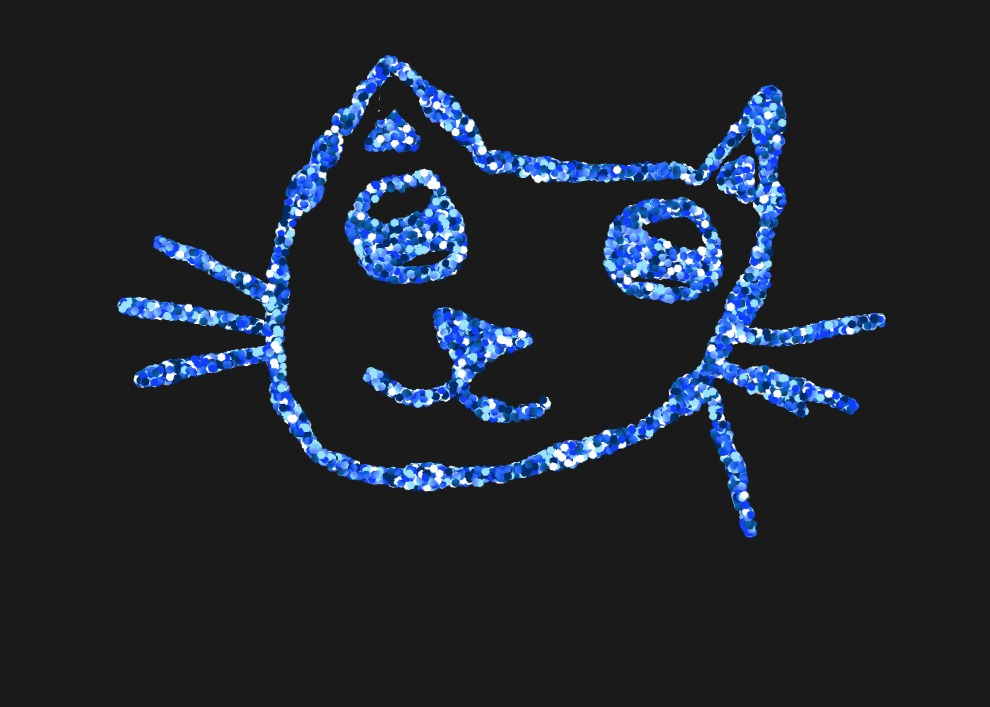
A cartoon style is beginner-friendly because it uses simple shapes. Start with a circle or oval for the head, triangles for ears, almond shapes for eyes, and a bean-like body. Push the expression. Make the eyes huge, the tail dramatic, and the paws tiny. Cartoon cats are allowed to defy physics. That is basically their job.
Realistic Cat Self-Portrait
A realistic version takes more observation. Look at reference photos of cats with similar fur, face shapes, and poses. Study how the muzzle connects to the nose, how ears sit on the skull, and how fur changes direction around the cheeks and chest. Add your personal details carefully: glasses, clothing, accessories, or a background that tells the viewer who you are.
Chibi or Kawaii Cat
A chibi cat self-portrait is all about cuteness. Use a big head, small body, soft paws, rounded features, and expressive eyes. This style works well for people who want a cheerful profile image, sticker design, or social media avatar. Add blush marks, sparkles, snacks, or a tiny laptop for maximum “please protect this creature” energy.
Fantasy Cat Version
Want to go bigger? Turn yourself into a wizard cat, space cat, cottagecore cat, detective cat, pirate cat, royal cat, or cyberpunk alley cat with neon whiskers. Fantasy details make the prompt feel more like character design. You are not just drawing yourself as a cat; you are building a feline alter ego with lore.
What Your Cat Version Might Say About You
This prompt is not a scientific personality test, of course. No one should make major life decisions because they drew themselves as a grumpy calico wearing headphones. Still, creative choices often reveal what people notice about themselves.
If you draw yourself as a sleepy cat, maybe rest is part of your identityor maybe your schedule has been personally attacked by reality. If you choose a bold black cat with glowing eyes, maybe you enjoy mystery, independence, or dramatic lighting. If your cat is surrounded by books, plants, snacks, or art supplies, you are telling a small visual story about what makes you feel at home.
That is the quiet power of a playful prompt. It seems silly, but it encourages self-reflection. You choose what to exaggerate, what to hide, what to celebrate, and what to turn into a joke. A cat-self portrait can be funny on the surface and surprisingly personal underneath.
Tips for Making Your Drawing Stand Out
Because many people may respond to the same prompt, strong details make your drawing memorable. The secret is specificity. A generic cat is cute. A cat wearing your favorite sweater, sitting next to your favorite drink, surrounded by your hobbies, and making your exact “I have three deadlines” face is much better.
Add a Clear Silhouette
A strong silhouette helps the character read instantly. Before adding details, look at the basic outline. Can viewers understand the pose? Does the tail add movement? Do the ears, head, and body create an interesting shape? A clear silhouette makes even a simple drawing feel designed.
Use Props With Personality
Props can do a lot of storytelling. A camera, sketchbook, skateboard, plant, controller, rolling pin, guitar, soccer ball, or stack of homework instantly gives context. Choose one or two props instead of cluttering the whole page. Unless chaos is your brand. In that case, proceed with tasteful mayhem.
Play With Color
Color can reflect mood. Warm colors feel energetic and friendly. Cool colors feel calm, thoughtful, or mysterious. High contrast can create drama, while soft pastel colors can make the drawing cozy. You can also base the cat’s fur on your hair color, favorite outfit, or completely imaginary fantasy palette. Blue cat? Valid. Galaxy cat? Also valid. Neon green cat with anxiety? Extremely internet.
Write a Short Caption
If you post your drawing, add a caption that explains the idea. Something like, “Me as a cat: introverted, over-caffeinated, and suspicious of group projects.” A good caption helps viewers connect with the drawing and encourages comments. Online art communities thrive when people respond not only to the image but also to the personality behind it.
Beginner Mistakes to Avoid
One common mistake is trying too hard to make the drawing perfect. This prompt is supposed to be fun. If the paw looks weird, call it style. If the eyes are uneven, now your cat has character. If the tail looks like a question mark, congratulations, it is asking an important question.
Another mistake is skipping references. Even cartoon artists use references. Looking at real cats helps you understand how ears, paws, tails, and bodies work. You do not have to copy a photo exactly. Use references as visual reminders, then adapt them to your style.
A third mistake is forgetting the “yourself” part. A beautiful cat drawing is nice, but the prompt asks for your cat version. Add something personal. Maybe it is your hairstyle, favorite hoodie, sleepy expression, hobby, sense of humor, or emotional support beverage. That personal detail is what turns the drawing from “a cat” into “you as a cat.”
Why Community Art Prompts Are Good for Creativity
Community prompts give artists a reason to create without needing a huge concept from scratch. That is helpful for beginners and experienced artists alike. Sometimes the blank page is intimidating because it asks, “What masterpiece shall we create today?” A prompt answers, “Relax. Cat version. Go.”
These challenges also make art feel social. People can compare interpretations, laugh at unexpected ideas, and learn from each other’s styles. One person may draw a realistic Maine Coon version of themselves. Another may draw a chaotic orange cat with roller skates. Another may draw a tiny black cat holding a huge pencil. The variety is the fun.
Most importantly, community prompts remind people that creativity does not have to be serious to be meaningful. Humor is not the opposite of depth. A silly drawing can still express identity, mood, confidence, insecurity, taste, and imagination. Sometimes the fastest way to understand yourself is to draw yourself as a cat and realize, “Wow, I really did give myself tired eyes and a snack bowl.”
of Personal Experience: What It Feels Like to Draw Yourself As A Cat
Trying the “Hey Pandas, Draw Yourself As A Cat” prompt feels a little like opening a tiny creative door you did not know was there. The first reaction is usually laughter. Drawing myself as a cat? Ridiculous. Then, five seconds later, the brain starts working: What kind of cat would I be? Would I be fluffy? Sleek? Dramatic? Would I have a permanent expression of mild confusion? Unfortunately, yes.
The most interesting part is that the prompt quickly becomes more personal than expected. At first, it feels like a cute drawing exercise. But once you start choosing features, you begin making small decisions about identity. I might give my cat tired eyes because I often stay up too late. I might add a notebook because writing things down helps me think. I might draw the cat sitting near a laptop because, let’s be honest, modern life has turned many of us into keyboard goblins with better posture goals.
There is also a strange freedom in not drawing a human face. Human self-portraits can feel intense. You notice every feature. You worry about accuracy. You wonder if the nose is right, if the eyes match, if the expression looks natural. But a cat version creates distance. It lets you say something true without staring directly at yourself. A pair of whiskers can soften the pressure. A tail can express what a mouth does not. Ears can show mood faster than eyebrows.
When I imagine this prompt in a community setting, I can see why it works so well. Everyone brings a different emotional flavor. One artist may post a tiny anxious cat hiding inside a hoodie. Another may post a glamorous cat with eyeliner sharp enough to cut bread. Someone else may draw a chubby kitchen cat holding pancakes. Each drawing becomes a tiny introduction: “Here is how I see myself today.” Not forever. Just today. That makes the prompt feel forgiving.
The experience also teaches a useful art lesson: personality matters more than polish. A technically simple drawing can be more memorable than a perfect one if the idea is strong. A wobbly cat with your favorite mug, your messy hair, and your exact Monday face can connect with people because it feels honest. Viewers do not only respond to clean lines. They respond to recognition.
Another fun part is deciding how dramatic to be. Cats are naturally theatrical. They can turn sitting down into a royal ceremony. They can stare at a wall like it owes them money. They can act personally betrayed by a closed door. So when you draw yourself as a cat, you get permission to exaggerate. Are you mildly annoyed? Make the ears airplane-flat. Are you focused? Give the cat laser eyes. Are you hungry? Draw the cat guarding a snack pile like a dragon with fur.
By the end, the drawing becomes more than a joke. It becomes a small visual diary entry. It captures mood, humor, and self-image in a way that feels light but meaningful. That is the charm of “Hey Pandas, Draw Yourself As A Cat.” It is not just about cats. It is about giving yourself a playful shape, then discovering that the playful shape knows you better than expected.
Conclusion
“Hey Pandas, Draw Yourself As A Cat” is the kind of creative prompt that proves art does not need to be complicated to be powerful. It blends self-portrait drawing, cat illustration, humor, and online community participation into one approachable idea. Whether your final drawing is polished, messy, realistic, cartoonish, adorable, or deeply suspicious-looking, it can still say something true about you.
The best version of this prompt is not the most technically perfect one. It is the one with personality. Add your favorite outfit. Add your hobby. Add the facial expression you make when someone says, “Quick question,” and it is never quick. Most of all, enjoy the process. Your inner cat is waiting, probably sitting on your keyboard.