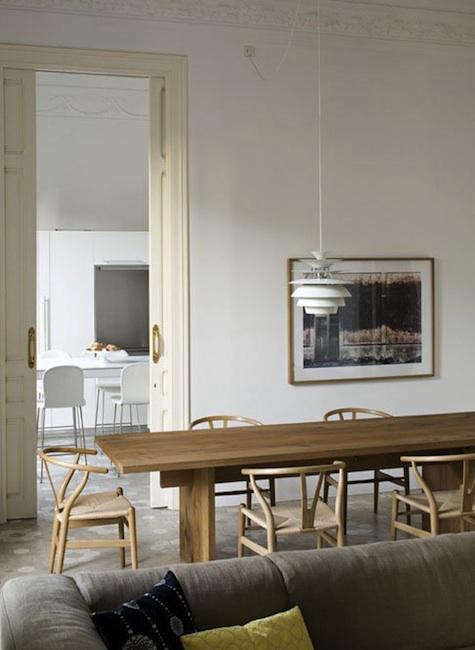

The Wegner Wishbone Chair is one of those rare pieces of furniture that can enter a room quietly and still somehow steal the spotlight. It does not shout. It does not sparkle. It does not need chrome legs, dramatic upholstery, or a built-in cup holder to prove its worth. Instead, it sits there with a graceful wooden frame, a woven paper cord seat, and a Y-shaped back that looks so effortless you almost forget how much craftsmanship is hiding behind it.
Designed by Danish furniture master Hans J. Wegner in 1949 and produced by Carl Hansen & Søn since 1950, the Wishbone Chairalso known as the CH24 or Y Chairhas become a defining icon of Danish modern design. It is elegant without being fussy, practical without looking boring, and sculptural without acting like it belongs behind velvet ropes. In short, it is the furniture equivalent of someone who dresses simply but somehow always looks expensive.
Today, the Wegner Wishbone Chair appears in dining rooms, boutique hotels, stylish offices, cafés, galleries, and homes where people pretend they “just threw the room together” even though every object has clearly been chosen with the focus of a chess grandmaster. But why has this chair stayed relevant for more than seven decades? The answer lies in its history, materials, comfort, craftsmanship, and the strange magic of a design that feels both old and completely current.
What Is the Wegner Wishbone Chair?
The Wegner Wishbone Chair is a wooden dining chair with an integrated armrest, a curved top rail, a distinctive Y-shaped back support, and a handwoven paper cord seat. Its official model name is CH24, but most people know it as the Wishbone Chair because the central back support resembles the wishbone bone found in poultry. Thankfully, no turkey dinner is required to appreciate it.
At first glance, the chair looks simple. That is part of the trick. The back legs flow upward into the curved top rail, forming a soft semicircle that wraps around the sitter. The Y-shaped support holds the back visually and structurally. The seat is woven in an envelope pattern using strong paper cord. The result is light, airy, and surprisingly comfortable.
Unlike many dining chairs that feel like a polite punishment after twenty minutes, the Wishbone Chair was designed for real sitting. Wegner famously believed that a chair was not finished until someone sat in it. That philosophy shows. The CH24 is not just an object for admiring from across the room; it is made to host long dinners, morning coffee, laptop sessions, sketchbook moments, and conversations that begin with “just five minutes” and somehow end after midnight.
The History Behind the Wishbone Chair
Hans J. Wegner was one of the most important figures in twentieth-century furniture design. Born in Denmark in 1914, he trained as a cabinetmaker before studying design and architecture. This combination mattered. Wegner understood wood not as a flat material on a drawing board, but as something alive, stubborn, flexible, beautiful, and occasionally temperamentalrather like a cat, except more useful in a dining room.
The Wishbone Chair came from Wegner’s study of traditional Chinese Ming dynasty chairs. He admired their clean lines, open structure, and dignified posture. Rather than copying them, he translated their spirit into a lighter, Scandinavian form. The result was modern, but not cold. Minimal, but not empty. Refined, but not precious.
Carl Hansen & Søn began producing the CH24 in 1950, and the chair has remained in production ever since. That fact alone says a lot. Many furniture trends arrive, make a loud entrance, get photographed for a season, and then vanish into the awkward basement of design history. The Wishbone Chair stayed. It did not survive because of nostalgia alone; it survived because it works.
Why the Design Still Feels Modern
The secret of the Wegner Wishbone Chair is balance. It balances curve and line, structure and softness, tradition and modernity. The back is open, so the chair never feels visually heavy. The arms are integrated, so it offers more comfort than a standard side chair while still fitting neatly around a dining table. The woven seat adds texture without needing fabric, foam, or complicated maintenance.
This balance makes the chair unusually flexible. In a minimalist white kitchen, it adds warmth. In a rustic dining room, it adds polish. In a modern apartment, it adds history. In a colorful interior, it behaves like the calm friend who keeps the group chat from becoming a legal matter.
The chair also photographs beautifully from almost every angle. That may sound superficial, but in the age of real estate listings, Pinterest boards, Instagram interiors, and open-plan living, a chair’s silhouette matters. The Wishbone Chair has a profile that is instantly recognizable without feeling loud. It is iconic, but not needy.
Materials and Craftsmanship
One reason the original Wegner Wishbone Chair remains so respected is the labor behind it. Each authentic CH24 requires more than 100 production steps. The seat alone is handwoven using approximately 120 meters of paper cord, and that weaving process takes about an hour by a skilled craftsperson. In a world where many products are assembled faster than you can microwave soup, that level of care is part of the chair’s appeal.
The frame is typically made from solid wood, with options such as oak, beech, ash, walnut, and other finishes depending on the edition and retailer. The curved top rail is especially important. It gives the chair its welcoming shape and requires precise woodworking. A poor version of the design often reveals itself through awkward proportions, visible joints, uneven curves, or a seat that looks as if it gave up halfway through being woven.
The Paper Cord Seat
The paper cord seat is one of the chair’s defining features. Despite the humble word “paper,” this is not a delicate craft-project material. Danish paper cord is durable, tightly twisted, and designed for long-term use. It gives the seat a slight give, allowing comfort without bulky upholstery. It also adds visual texture, which is why the chair can feel warm even in very clean, modern spaces.
Natural paper cord is the classic choice, but black paper cord creates a sharper, more graphic look. Natural cord works beautifully with pale oak, soap-treated wood, and Scandinavian-inspired interiors. Black cord pairs well with walnut, dark-stained frames, painted finishes, or rooms that need a little contrast without turning into a nightclub.
Wood Finishes and Color Options
The Wishbone Chair is available in a wide range of finishes, from natural woods to painted colors. Oak with a natural cord seat is perhaps the most timeless combination. Walnut feels richer and more formal. Black lacquer or painted beech can give the chair a sleek, contemporary edge. Soft colors, special editions, and limited releases have also helped introduce the design to new audiences.
Choosing a finish should depend on your room, lifestyle, and tolerance for visible wear. Lighter woods can make a dining area feel open and calm. Darker woods create contrast and sophistication. Painted versions can be playful, but they should still be chosen with care. A bright chair is charming; six bright chairs can look like a meeting of very stylish crayons.
Comfort: Is the Wishbone Chair Actually Comfortable?
Yes, the Wegner Wishbone Chair is comfortable for most people, especially as a dining chair. Its curved back rail supports the body gently, while the woven seat provides a firm but forgiving surface. The arms allow a relaxed posture without making the chair feel oversized. It is not a plush lounge chair, and it will not swallow you like a recliner during a football game, but that is not its job.
For dining, reading, writing, and casual work, the chair performs well. The open back lets the body breathe, and the proportions encourage upright sitting without feeling stiff. People who prefer padded seats may add a thin cushion, though many design purists will clutch their pearls at the idea. Still, comfort is personal. A beautiful chair you refuse to sit in is just a sculpture with legs.
How to Style the Wegner Wishbone Chair
The Wishbone Chair is easy to style because it plays nicely with many table types. Around a wooden dining table, it creates a classic Danish modern look. Paired with a marble or stone table, it softens the coolness of the surface. With a glass table, it adds warmth and structure. With a round table, the curved back feels especially harmonious.
For a cohesive look, use the same finish for all chairs. For a more collected interior, mix two finishes carefullyperhaps natural oak side chairs with black or walnut chairs at the ends. The CH24 also works well as a desk chair, entry chair, bedroom accent chair, or reading corner piece. Its arms make it more inviting than a basic side chair, while its light footprint prevents it from bullying the room.
Best Rooms for the Wishbone Chair
In a dining room, the chair feels elegant and relaxed. In a kitchen breakfast nook, it adds a design-forward touch without feeling too formal. In a home office, it can be a handsome occasional work chair, especially for shorter sessions. In a bedroom, one Wishbone Chair beside a small table can make even a neglected corner look intentional.
The key is giving the chair enough breathing room. Because its shape is sculptural, it deserves to be seen. Do not crowd it between bulky furniture pieces. Let the Y-back show. Let the curved rail do its quiet little design dance. The chair did not spend decades becoming an icon just to be hidden under a pile of tote bags.
Original vs. Replica: What Buyers Should Know
Because the Wegner Wishbone Chair is famous, replicas are everywhere. Some are inexpensive lookalikes, while others are higher-quality reproductions. However, the authentic CH24 is produced by Carl Hansen & Søn, and buyers who care about original design, long-term durability, resale value, and craftsmanship should understand the difference.
Authentic versions usually include maker markings, serial details, or official labeling depending on age and production period. The proportions should feel balanced, the curved top rail should be smooth, the seat weaving should be tight and even, and the wood finish should look refined. Replicas may have thicker frames, awkward curves, rougher joins, lower-quality cord, or uneven finishing. Sometimes the difference is obvious. Sometimes it takes a trained eye. Either way, your dining room should not have to live a lie.
This does not mean everyone must buy the most expensive chair available. Budget matters. But if the goal is to own the real Wegner Wishbone Chair, buy from authorized dealers, reputable vintage sellers, or trusted design retailers. Documentation matters, especially for vintage pieces.
Care and Maintenance
The Wishbone Chair is not difficult to care for, but it does appreciate gentle treatment. For wooden surfaces, regular dusting and wiping with a soft, slightly damp cloth are usually enough. Avoid harsh cleaning products, abrasive pads, and mystery sprays from the back of the cabinet. If the bottle label has seventeen warnings and a skull on it, perhaps do not introduce it to Danish craftsmanship.
The paper cord seat generally requires little maintenance. For small spills, blot quickly with a clean, lightly damp cloth. Avoid soaking the cord. Strongly colored liquids such as red wine, coffee, or fruit juice should be handled immediately, because paper cord can stain. If your lifestyle includes toddlers, spaghetti sauce, and enthusiastic grape juice experiments, consider darker cord or seat cushions for daily use.
Wood finish affects care. Oiled wood may develop a beautiful patina and may require occasional re-oiling depending on use and manufacturer recommendations. Lacquered finishes are more sealed and often easier to wipe clean. Soap-treated finishes have a soft, natural look but may be more sensitive. Always follow the care instructions for the specific finish you own.
Why the Wegner Wishbone Chair Is Worth the Attention
The CH24 has become a design classic because it solves several problems at once. It is comfortable enough for daily use, beautiful enough for formal interiors, light enough to move easily, and distinctive enough to anchor a room. It is also a lesson in restraint. Wegner removed what was unnecessary and refined what remained.
That restraint feels especially refreshing today. Modern homes are full of devices, screens, cords, chargers, blinking lights, and objects that beep for reasons nobody understands. The Wishbone Chair offers the opposite experience: wood, cord, proportion, touch, and silence. It does not need a software update. It will not ask you to create an account. It will never send a push notification saying your seat has been woven successfully.
Experience Section: Living With the Wegner Wishbone Chair
Using a Wegner Wishbone Chair in everyday life is different from merely admiring one in a showroom. In a showroom, the chair looks perfect under flattering light, surrounded by other tasteful objects and absolutely no evidence of cereal crumbs. At home, the chair has to prove itself during breakfast, dinner, homework, work calls, birthday cake incidents, and those evenings when everyone somehow ends up gathered around the table long after the plates are cleared.
The first thing many people notice is how light the chair feels. It is easy to pull out from the table, easy to move for cleaning, and easy to reposition when guests arrive. That sounds minor until you live with heavy dining chairs that require the upper-body strength of a medieval blacksmith. The Wishbone Chair has presence without weight, which makes it practical in small apartments and open-plan homes.
The second experience is visual calm. A set of Wishbone Chairs can make a dining area feel finished without making it look decorated to death. The open back keeps sightlines clear, especially in compact rooms. If you have a dining space connected to a kitchen or living room, this matters. Bulky chairs can create a visual wall. The CH24 creates rhythm instead.
Comfort also becomes clearer over time. The chair encourages good posture, but not in a strict, school-principal way. The arms let you relax. The woven seat feels supportive, and because it is not upholstered, it does not trap heat the way padded seats sometimes do. During long dinners, the chair remains comfortable enough for conversation, dessert, and the dangerous moment when someone says, “Should we make more coffee?”
There are practical lessons too. Natural paper cord is beautiful, but it deserves respect. If the chair is used by adults who understand coasters, napkins, and the concept of not treating furniture like a tray, it ages gracefully. If the chair is used by small children, pets, or adults who gesticulate with full wine glasses, darker cord may be the wiser path. Design idealism is lovely, but tomato sauce is undefeated.
Another experience is how easily the chair adapts to changing interiors. Move it from a dining table to a bedroom corner and it still works. Pair it with a modern desk and it looks intentional. Place one in an entryway and suddenly the space feels curated rather than merely “where shoes go to form a small civilization.” This versatility is part of why the Wishbone Chair has remained desirable for so long.
Over months and years, the best versions develop character. Wood gains depth. Cord softens visually. The chair becomes less like a new purchase and more like part of the household. That is the real charm of the Wegner Wishbone Chair. It is not just a design icon for people who read furniture catalogs for funalthough, no judgment, those catalogs can be thrilling. It is a chair that participates in daily life while quietly making the room better.
Conclusion
The Wegner Wishbone Chair is more than a famous silhouette. It is a masterclass in proportion, craftsmanship, comfort, and restraint. Hans J. Wegner took inspiration from traditional Chinese chairs, filtered it through Danish modern principles, and created a design that still feels fresh more than seventy years later. Its Y-shaped back, curved wooden frame, and handwoven paper cord seat make it instantly recognizable, but its lasting value comes from how well it functions in real homes.
For anyone considering a Wegner Wishbone Chair, the main advice is simple: choose the finish carefully, buy from a trustworthy source, care for the wood and cord gently, and let the chair breathe in the room. Whether used around a dining table, beside a desk, or as a single accent piece, the CH24 brings warmth, intelligence, and quiet beauty to a space. It is proof that great design does not need to be loud. Sometimes it only needs a curve, a cord seat, and a very good backbone.
SEO Tags