
Note: This publish-ready article is written in original American English and synthesizes practical chair makeover ideas from reputable U.S. home improvement, decorating, furniture refinishing, and DIY design guidance.
A chair is rarely just a chair. It is a breakfast companion, a homework station, a laundry-holding monument, a pet throne, and sometimes the one piece of furniture in the room quietly whispering, “Please help me.” The good news? You do not always need to buy new seating to refresh a space. With paint, fabric, stain, cane webbing, trim, new padding, or a little creative stubbornness, old chairs can become the best-looking pieces in the room.
These 25 chair makeovers are designed for real homes, real budgets, and real people who own at least one chair that has survived three moves and one regrettable beige phase. Whether you are updating dining chairs, reviving a thrift-store accent chair, modernizing a wooden rocker, or rescuing a forgotten patio seat, these DIY chair makeover ideas will help you choose a project that looks intentionalnot like a craft drawer exploded.
Why Chair Makeovers Are Worth the Effort
Chair makeovers are one of the most satisfying furniture upcycling projects because they are small enough to finish in a weekend but visible enough to change the feeling of a room. A fresh seat fabric can make a dining area feel new. A glossy painted frame can turn a flea-market find into a statement piece. A repaired cane back or re-stained wooden seat can preserve charm while making the chair useful again.
The key is matching the makeover to the chair. A solid wood dining chair may only need cleaning, sanding, primer, and durable furniture paint. An upholstered chair with good bones may deserve new foam and fabric. A valuable antique, however, should be treated carefully; sometimes restoration is wiser than painting over history like it owes you money.
Before You Start: The Chair Makeover Checklist
Check the Structure First
Before choosing fabric or paint colors, flip the chair over and inspect the frame. Tighten loose screws, test wobbly legs, and look for cracked joints. If the frame shifts when you sit, repair it before decorating. A chair can be stylish, but it should not also be a trust exercise.
Clean, Sand, and Prep
Prep work is the unglamorous hero of every DIY chair makeover. Remove dust, grease, waxy residue, and flaking finish. Light sanding helps paint grip. Primer improves durability, especially on glossy, dark, stained, or previously finished surfaces. Skipping prep may feel bold, but future peeling paint will remember.
Choose the Right Finish
Dining chairs, office chairs, and kitchen stools get heavy daily use, so choose durable furniture paint, enamel, stain, polyurethane, wax, or sealant based on the material. Wall paint is usually not tough enough for high-touch furniture. If you use chalk-style paint, seal it properly so your makeover does not become a decorative dust collector.
25 Chair Makeover Ideas for Every Style
1. Classic Painted Dining Chair Makeover
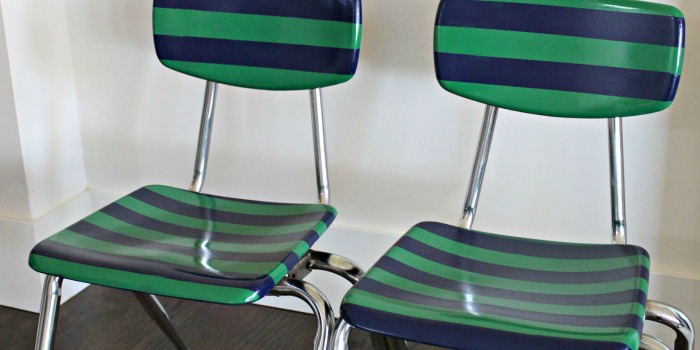
A coat of paint can rescue mismatched dining chairs and make them look like a deliberate design choice. Try soft black, warm white, sage green, navy, or muted terracotta. For a modern look, keep all chairs the same color. For a collected look, use two colors that repeat elsewhere in the room.
2. Reupholstered Seat Cushion
If your dining chair has a removable seat, congratulationsyou have found the gateway project of furniture DIY. Remove the seat, pull off old fabric, replace flattened foam if needed, wrap the cushion in batting, and staple on new fabric. Performance fabric, canvas, faux leather, and washable cotton blends work well for busy homes.
3. Two-Tone Wood and Paint Chair
For chairs with pretty wood seats but tired frames, paint only the legs and back while leaving the seat stained. This two-tone style feels custom and works especially well in farmhouse, cottage, transitional, and modern rustic spaces.
4. Cane Back Refresh
Cane chairs are back in style because they bring texture without visually crowding a room. If the cane is intact, clean it gently and update the frame with stain or paint. If the cane is broken, replace the cane webbing or use the opening as a creative panel for fabric, rattan, or even thin wood.
5. Bold Accent Chair Reupholstery
A single accent chair can handle drama. Try emerald velvet, rust boucle, graphic floral, animal print, plaid, or a large-scale geometric pattern. Keep the surrounding decor calmer so the chair looks confident rather than confused.
6. Painted Upholstery Makeover
Painting upholstery is not for every chair, but it can work on pieces with firm fabric and simple shapes. Use fabric paint or a paint medium designed for upholstery, apply thin coats, and test first. The goal is flexible color, not crunchy armor.
7. Chalk-Style Paint Vintage Chair
Chalk-style paint gives chairs a soft matte finish and is popular for vintage or cottage-inspired looks. Use light coats, sand gently between coats if needed, and finish with wax or a protective topcoat. Distress edges sparingly for a timeworn look that says “curated,” not “attacked by raccoons.”
8. Modern Black Chair Makeover
Black paint can make an ordinary wooden chair feel graphic and expensive. Satin or semi-gloss black works well for dining chairs, desk chairs, and Windsor-style seats. Pair with a natural wood table for contrast.
9. Whitewashed Wooden Chair
A whitewash or color wash lets wood grain show through while softening orange or yellow tones. This is a smart option for beachy, Scandinavian, farmhouse, and casual interiors. Use diluted paint or stain, wipe off excess, and seal once dry.
10. Leather or Faux Leather Seat Upgrade
Replacing fabric with leather or faux leather adds polish and is easier to wipe clean. This works beautifully on dining chairs, office chairs, and stools. Choose a medium-weight material that can wrap neatly around corners without bulky folds.
11. Slipcovered Chair Makeover
A slipcover hides worn upholstery while adding softness. For casual homes, washable linen, cotton duck, or canvas can make an old chair feel relaxed and inviting. The best part? When life spills salsa on it, you can remove and wash the evidence.
12. Ombre Painted Chair
An ombre chair uses graduated shades, usually from dark legs to a lighter seat or back. It is playful in kids’ rooms, craft spaces, and creative offices. Keep the color family consistent so the effect feels artistic rather than accidental.
13. Stenciled Seat Design
Stencils can add pattern without full upholstery. Paint a floral motif, tile-inspired design, monogram, or geometric border on a wooden seat. Seal it well, especially if the chair will be used daily.
14. Decoupage Chair Makeover
Decoupage works best on chair backs or seats that are more decorative than heavily used. Use paper, maps, botanical prints, or wallpaper scraps, then seal with multiple coats. It is a great way to create a conversation piece from a plain thrift-store chair.
15. Outdoor Patio Chair Refresh
Metal or plastic patio chairs often need cleaning, rust removal, and outdoor-rated spray paint. Choose paint made for the chair’s material and finish with patience. Several light coats are better than one impatient blast that drips like a melting popsicle.
16. Midcentury Chair Restoration
For midcentury chairs, consider preserving the wood rather than painting it. Clean, lightly sand, repair veneer carefully, and apply stain or oil suited to the piece. New upholstery in a textured neutral, tweed, or warm leather can modernize the chair while honoring its original lines.
17. Kids’ Chair Makeover
A small chair is perfect for playful color. Try primary colors, pastel stripes, alphabet decals, or a painted name on the back. Use non-toxic finishes and seal the surface so it can survive crayons, snack crumbs, and the mysterious sticky substance that follows children like a weather system.
18. Rocking Chair Makeover
Rocking chairs have emotional charm, especially if they came from family. Refresh one with a gentle cleaning, new stain, painted spindles, or a tied cushion. A black, cream, or deep green rocking chair can look surprisingly modern.
19. Office Chair Fabric Upgrade
If your home office chair is functional but ugly, re-cover the seat and back in a sturdy fabric. Add foam if the cushion has gone flat. Choose a color that coordinates with your workspace so your chair no longer looks like it escaped from a forgotten conference room.
20. Dining Chair Mix-and-Match Set
Instead of forcing six different thrifted chairs to match, unify them with one paint color or one fabric. This approach creates charm while keeping the room cohesive. Matching seat cushions can make wildly different frames look like a stylish collected set.
21. Nailhead Trim Chair Makeover
Nailhead trim adds tailored detail to upholstered chairs. Use it along the seat edge, back, or arms. For the cleanest result, mark spacing before you start. Otherwise, the trim may wander off like it has weekend plans.
22. Painted Spindle Chair
Spindle chairs are classic, but painting between all those little rods requires patience. Use a quality angled brush or sprayer, apply thin coats, and rotate the chair as you work. The final look is worth the extra effort.
23. Fabric Panel Chair Back
If a chair has an open or damaged back, add a fabric-covered panel. This works on vanity chairs, accent chairs, and some dining chairs. Use thin plywood, foam, batting, and fabric, then attach the panel securely from the back.
24. Natural Stain Revival
Sometimes the best makeover is simply revealing what is already there. Strip or sand damaged finish, apply a fresh stain, and seal the wood. Natural finishes are especially beautiful on oak, walnut, maple, and teak chairs.
25. Statement Color Chair Makeover
One chair in a vivid color can wake up an entire room. Try cobalt blue in a white kitchen, tomato red in a breakfast nook, mustard yellow in a reading corner, or deep plum in a bedroom. A statement chair is the furniture version of red lipstick: small, powerful, and occasionally intimidating in the best way.
Best Fabrics for Chair Makeovers
Fabric choice matters as much as color. Dining chairs need durable, easy-clean fabrics because spaghetti exists and children are chaos artists. Accent chairs can handle softer or more decorative materials. Outdoor chairs need weather-resistant fabric. For pets, consider tighter weaves and darker patterns that forgive fur, claws, and dramatic lounging.
Good options include performance velvet, cotton duck, canvas, faux leather, microfiber, outdoor fabric, and woven upholstery fabric. Avoid delicate silks or thin quilting cotton on seats that get daily use unless you enjoy redoing projects as a lifestyle.
Paint and Finish Ideas That Last
For wooden chairs, the finish should match the level of use. A decorative bedroom chair may be fine with chalk-style paint and wax. A kitchen chair needs a more durable topcoat. A porch chair needs outdoor-rated paint. Always let finishes cure fully before heavy use. Dry to the touch does not always mean ready for real life.
Popular finishes for DIY chair makeovers include satin enamel, mineral paint, chalk-style paint with sealer, spray paint for metal or plastic, wood stain, whitewash, and polyurethane. Test products on a hidden spot when possible, especially on older furniture with unknown finishes.
Common Chair Makeover Mistakes to Avoid
Painting Without Cleaning
Dust, oil, and old polish can prevent paint from sticking. Clean first, then sand and prime as needed.
Using the Wrong Paint
Furniture gets touched, bumped, slid, and sat on. Use paint designed for furniture or high-contact surfaces.
Ignoring Wobbly Legs
A beautiful chair with loose joints is still a problem. Repair structure before adding style.
Choosing Delicate Fabric
If the chair will be used daily, pick fabric that can survive daily life. Pretty but fragile fabric is best for low-use accent chairs.
Forgetting the Topcoat
Painted chairs need protection. A clear coat, wax, or sealer helps prevent chips, scratches, and stains.
Budget-Friendly Tips for Better Results
You do not need a luxury budget to create a great DIY chair makeover. Shop thrift stores, estate sales, Facebook Marketplace, yard sales, and curb alerts with caution. Look for solid frames, interesting shapes, and repairable surfaces. Avoid chairs with strong odors, pest signs, severe water damage, or cracked frames unless you know exactly how to fix them.
Save money by using leftover fabric from larger upholstery projects, buying remnant fabric, replacing only seat cushions, or painting just part of the chair. Sometimes one smart detaila contrast welt, a darker stain, a new cushion, or a painted framedoes more than a full transformation.
Experience Notes: What Chair Makeovers Teach You After the First Few Projects
The first thing you learn from chair makeovers is that every chair has a personality. Some are cooperative. Some are dramatic. Some hide 47 staples under the seat like they are guarding state secrets. The project may look simple in photos, but the real experience is a mix of creativity, patience, problem-solving, and occasionally talking to furniture as if it can hear you.
One of the most useful lessons is to start with the seat. If a chair has a removable cushion, it is usually the easiest place to make a big visual change. Removing the seat teaches you how the chair was built, how the old fabric was attached, and whether the foam has collapsed into something closer to a pancake than a cushion. Replacing the foam can make the chair feel new, not just look new. Fresh fabric pulled tight and stapled neatly gives instant satisfaction, especially when the pattern lines up and you feel like a tiny upholstery wizard.
Painting chairs also teaches patience. Chair legs, spindles, backs, and underside edges create more angles than expected. The temptation is to rush, but thin coats always win. Heavy paint collects in corners, drips under rails, and turns crisp details into blobs. A light sanding between coats can feel fussy, yet it often makes the difference between “nice DIY” and “wait, you did that yourself?”
Another real-world lesson is that color looks different on furniture than it does on a paint chip. A soft green may become bold when wrapped around an entire chair. White may look fresh until it meets spaghetti night. Black can look elegant, but dust will RSVP immediately. Testing color on the underside of the seat or back leg helps prevent regret, which is cheaper than repainting four chairs while muttering.
Fabric choice brings its own education. Large patterns look beautiful, but they need careful placement. Stripes reveal every crooked staple. Velvet feels luxurious but can show marks depending on the nap. Faux leather is wipeable and polished, but corners must be folded cleanly to avoid bulky lumps. When in doubt, choose a forgiving medium-scale pattern or textured solid. It hides small mistakes and daily wear with grace.
Perhaps the best experience-related advice is to know when to stop. Not every chair needs paint, fabric, trim, decals, and a personality makeover worthy of reality television. Sometimes a chair only needs cleaning, tightened screws, and a new cushion. The most successful chair makeovers respect the original shape while making it fit your home today. When the final chair slides back into the room and suddenly everything feels more pulled together, you understand why people get addicted to furniture upcycling. One chair becomes two, two become a dining set, and soon you are slowing down near curbside furniture like a detective with a staple gun.
Conclusion
Chair makeovers are practical, creative, and surprisingly powerful. They let you refresh a room without replacing everything, save money, reduce waste, and create furniture that feels personal. From painted dining chairs and reupholstered seats to cane repairs, bold accent fabrics, outdoor refreshes, and natural wood revivals, there is a chair makeover for nearly every skill level and style.
The best results come from choosing the right project for the chair, doing the prep work, using durable materials, and resisting the urge to rush. A great chair makeover does not need to be perfect. It needs to be sturdy, comfortable, attractive, and loved enough to stay out of the donation pile. That is a pretty good promotion for a piece of furniture that may have started the week under a stack of laundry.