
There are two kinds of cat owners in the world: the relaxed ones who say, “My cat seems fine,” and the data people who say, “According to the 14-day litter-box trend, Mr. Pancake has reduced his midnight bathroom visits by 22 percent.” This article is for the second group, but the first group may accidentally become converts by the end.
The idea behind a cat tracking dashboard is simple: turn everyday feline behavior into useful, readable information. Weight, litter-box visits, activity, sleep, meal patterns, hydration clues, door entries, and even outdoor roaming can all become data points. Put them together, and suddenly your cat is not just a mysterious loaf with opinions. Your cat is a tiny, whiskered analytics project with paws.
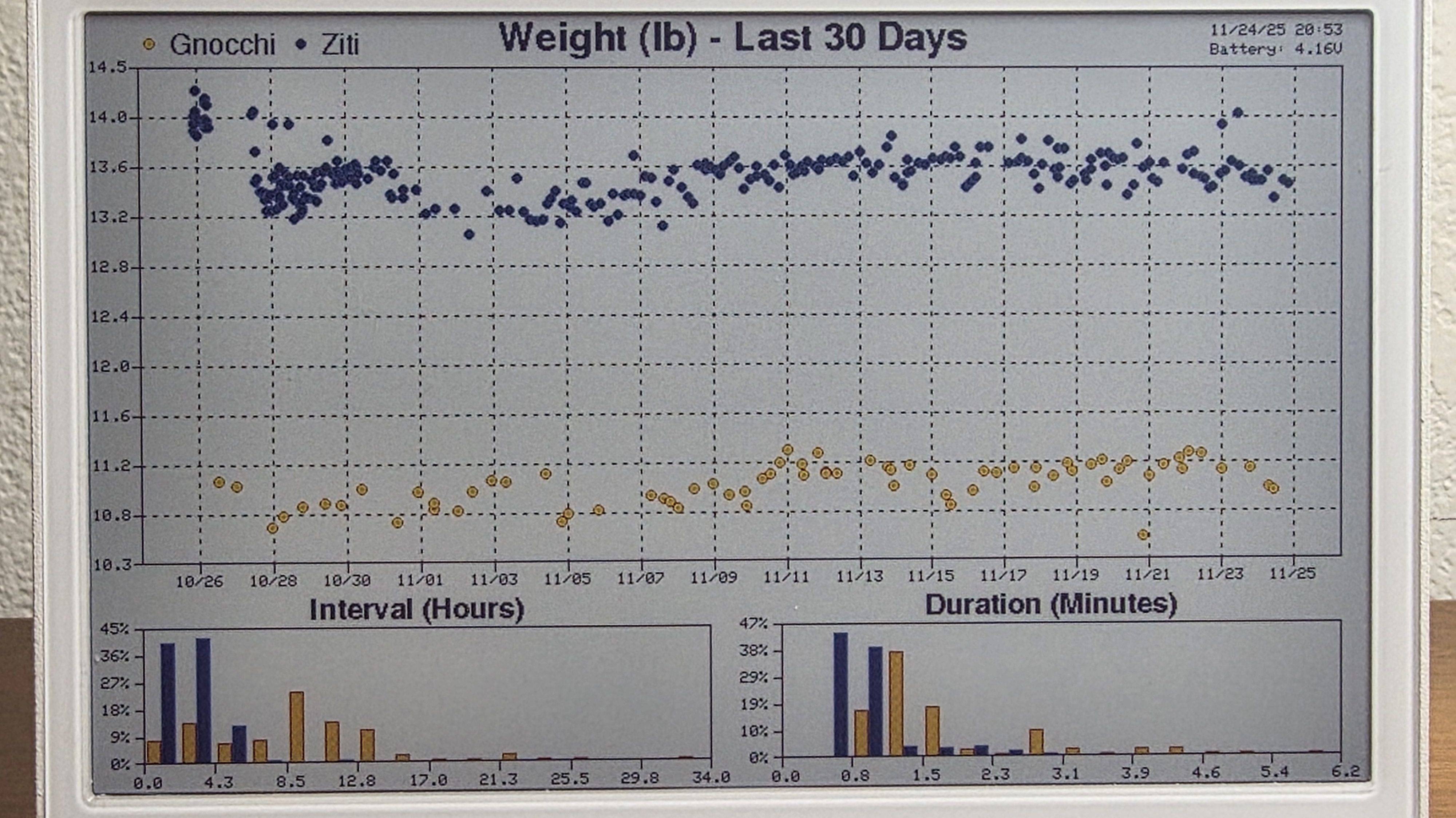
The concept became especially interesting after a DIY project featured by Hackaday showed a home dashboard built around an e-paper display and smart litter-box data. The project pulls information from connected pet devices, then displays cat weight and litter-box activity in a neat visual format. It is charming, slightly ridiculous, and surprisingly practicalthe holy trinity of good pet technology.
What Is a Cat Tracking Dashboard?
A cat tracking dashboard is a centralized screen or app-based panel that collects and displays your cat’s daily health and behavior metrics. Think of it as Google Analytics, but instead of tracking page views, bounce rate, and conversions, you are tracking litter visits, body weight, activity minutes, sleep patterns, and whether your cat has decided the hallway is a racetrack at 2:13 a.m.
Some dashboards are built into commercial products such as smart litter boxes, GPS collars, automatic feeders, and pet doors. Others are DIY projects that pull data through APIs from multiple devices and display it on a tablet, e-paper screen, Home Assistant panel, or web dashboard. The best systems do not merely show numbers; they show trends. That matters because cats are professionals at hiding discomfort. By the time a cat clearly acts sick, the issue may already have been developing for days or weeks.
A useful dashboard answers questions like: Is my cat losing or gaining weight? Is the litter box being used more often than usual? Has activity dropped over the past month? Is sleep disrupted? Does one cat in a multi-cat home suddenly visit the box less often? Has an outdoor cat changed its roaming territory? These are not just fun facts. They can become practical observations to discuss with a veterinarian.
Why Cat Data Is More Useful Than It Sounds
At first, tracking a cat’s habits may sound like the kind of thing invented by someone who alphabetizes charging cables. But pet health often depends on noticing small changes early. A cat that urinates more often, avoids the litter box, loses weight, gains weight, becomes less active, or changes its sleep rhythm may be showing signs that deserve attention.
Veterinary guidance commonly emphasizes weight, body condition, appetite, bathroom habits, and behavior as important parts of feline wellness. Cornell’s feline health resources explain that body condition scoring is a practical tool for evaluating whether a cat is underweight, ideal, overweight, or obese. The American Veterinary Medical Association also highlights healthy weight as a major factor in reducing risks such as arthritis, diabetes, breathing problems, and other health concerns.
That is where the dashboard earns its keep. Human memory is terrible at tracking slow change. A cat gaining a few ounces every month may not look dramatically different until the carrier suddenly feels like it contains a bowling ball in a sweater. A graph, however, does not get emotionally manipulated by fluffy cheeks. It shows the trend.
The Smart Litter Box: The Data Goldmine Nobody Wants to Mention at Dinner
If there is one place where cat data gets serious, it is the litter box. Nobody wants to think too much about it, but the litter box is one of the most information-rich places in a cat’s life. Frequency, duration, weight, urine events, stool events, and changes in routine can all provide clues.
Modern smart litter systems and monitors can record visits and send summaries to an app. Some products track weight and usage patterns. Others identify which cat used the box, making them more useful in multi-cat homes where blame is usually assigned based on vibes. Devices such as Petivity’s litter-box monitor use AI to track weight, urination, and defecation events. Whisker’s Litter-Robot ecosystem offers app-based insights such as weight trends, visits, cycles, waste levels, and device status.
The advantage is consistency. You may not notice that your cat used the litter box four fewer times this week than last week, especially if you have school, work, chores, family, and a cat who believes every closed door is a constitutional violation. A connected litter system can notice the pattern and present it clearly.
Activity Trackers: Because “He Slept All Day” Is Not a Scientific Measurement
Cats sleep a lot. This is not breaking news. If cats had résumés, “strategic napping” would appear under core skills. But activity and sleep patterns still matter. A cat that suddenly becomes less active, wakes more at night, stops exploring, or changes its routine may be responding to stress, pain, boredom, age, or illness.
Pet activity trackers can measure movement, rest, sleep, and sometimes other health-related signals. Tractive, for example, offers GPS tracking along with activity, sleep, and health alerts. Some devices establish a baseline first, then alert owners when patterns move away from normal. This baseline approach is important because “normal” varies wildly. One cat’s normal is daily parkour. Another cat’s normal is walking six feet to the food bowl and needing a nap afterward.
For indoor cats, activity tracking can also reveal whether enrichment is working. Did the new puzzle feeder increase movement? Did the window perch create more daytime engagement? Did rotating toys help, or did your cat reject them with the cold professionalism of a restaurant critic? Data will not explain your cat’s artistic vision, but it can show whether behavior changed.
GPS Tracking for Cats: Mapping the Secret Kingdom
For cats that safely go outdoors, GPS tracking adds another layer. A GPS collar can show where a cat roams, how long it stays outside, and whether its territory changes. This can be useful for safety, but it is also fascinating. Many owners discover that their cat’s “brief stroll” is actually a complex neighborhood inspection route involving fences, garages, suspicious shrubbery, and possibly a second family.
GPS data can help set virtual fences, locate a missing pet, and understand outdoor habits. However, it is not perfect. Battery life, signal strength, collar fit, weight, subscription cost, and location accuracy all matter. For smaller cats, comfort and safety are especially important. A tracker should be lightweight, securely attached, and paired with a breakaway collar when appropriate.
The dashboard angle becomes powerful when GPS data joins indoor data. If outdoor time increases while litter-box visits decrease, that could mean nothingor it could mean the cat is eliminating outside. If activity drops but sleep rises, that may be worth watching. If roaming range suddenly shrinks, perhaps the weather changed, the cat aged, or a neighborhood dog has started acting like the mayor.
Connected Pet Doors and Feeders: The Supporting Cast
A full cat dashboard does not have to stop at litter boxes and collars. Connected pet doors can record entries and exits. Smart feeders can track meal timing and portions. Water fountains and hydration devices may offer clues about drinking behavior. The Sure Petcare app, for instance, allows owners to monitor comings and goings and understand a pet’s usual routine. When these details are combined, the picture becomes richer.
Imagine a dashboard that shows this daily summary: Luna ate breakfast at 7:04 a.m., used the litter box at 7:31, slept heavily from 10:00 to 2:00, went outside twice, returned before curfew, and had 38 minutes of active movement. That may sound excessive until one day Luna’s pattern changes dramatically. Then the data stops being cute and starts being useful.
What Should a Good Cat Dashboard Show?
A cat tracking dashboard should not overwhelm the owner with a spreadsheet that looks like it escaped from a tax audit. The best design is simple, visual, and focused on trends. A strong dashboard might include daily weight, weekly weight trend, litter-box visit count, average visit duration, urine and stool event estimates, activity minutes, sleep hours, night wakeups, meal times, feeder portions, outdoor trips, and alerts for unusual changes.
For multi-cat homes, identity matters. If the system cannot tell which cat is which, the dashboard may become a mystery novel. Weight-based identification, microchip recognition, collar tags, or camera-assisted recognition can help separate the data. Otherwise, you may know that “a cat” used the box seven times, which is only slightly better than knowing “a crime happened.”
Good dashboards also need context. A sudden drop in activity may happen during a heat wave, after a stressful vet visit, or when the owner is away. A weight change may reflect measurement error, litter-box placement, device calibration, or real health movement. The dashboard should encourage observation, not panic.
DIY vs. Commercial Cat Tracking Dashboards
Commercial systems are easier. You buy the device, install the app, create a pet profile, and let the product do the work. The trade-off is that your data usually lives inside a company’s ecosystem. You may need a subscription, cloud connection, or specific hardware. You may also have limited ability to customize what appears on the screen.
DIY dashboards are more flexible. A maker can pull data from smart litter boxes, trackers, feeders, or home automation platforms, then display it on an e-paper panel, tablet, wall dashboard, or local web page. The Hackaday-featured project is a good example of this spirit: it turns existing smart litter-box data into a dedicated display that makes the cat’s statistics visible at a glance.
The DIY route is not for everyone. It may require API access, coding skills, Wi-Fi setup, data formatting, and occasional troubleshooting. In other words, it is perfect for the person who sees a cat’s bathroom habits and thinks, “This needs a database.” For everyone else, a polished app may be the better choice.
Privacy, Accuracy, and the “Do Not Overreact” Rule
Pet data is still data. Before connecting devices, owners should consider what is collected, where it is stored, whether subscriptions are required, and how much personal routine information the device may reveal. A GPS tracker, for example, can reveal home location and movement patterns. A smart feeder can show when someone is home. A litter-box app can reveal pet health routines. None of this is a reason to avoid pet tech completely, but it is a reason to read settings instead of clicking “accept” like a raccoon slapping a button for snacks.
Accuracy also matters. Consumer pet devices are helpful, but they are not veterinarians. A dashboard can show a change; it cannot diagnose the cause. A litter-box alert may be influenced by device placement, multiple cats, low battery, litter changes, Wi-Fi issues, or a cat stepping in and immediately leaving because the vibes were wrong. Owners should treat dashboards as early-warning tools and conversation starters, not medical verdict machines.
The healthiest approach is calm curiosity. If the dashboard shows a meaningful pattern, observe your cat, check the basics, and contact a veterinarian when the change is significant, persistent, or paired with symptoms such as appetite loss, repeated litter-box attempts, discomfort, unusual hiding, or sudden behavior changes.
How Cat Statistics Can Improve Everyday Care
Statistics can make pet care less emotional and more practical. If your cat needs to lose weight, regular measurements help you avoid guessing. If your cat is older, trend lines can show gradual changes in mobility or litter-box use. If you recently changed food, a dashboard may help reveal whether weight, stool patterns, or activity shifted. If you introduced a new toy, feeder, or cat tree, activity data can show whether your cat actually uses it or merely judges it from across the room.
For families, dashboards can also reduce confusion. Instead of one person saying, “I think the cat ate,” and another saying, “Are we sure?” a smart feeder or daily log can provide an answer. Instead of arguing whether the litter box was used more often, the dashboard can show the history. This is especially helpful in homes with multiple people caring for the same pet.
Experience Notes: Living With a Cat Tracking Dashboard
Using a cat tracking dashboard changes the way you see ordinary routines. At first, the numbers feel funny. You may laugh at the idea of checking a chart to confirm that your cat has been sleeping with championship-level dedication. Then, after a week or two, you begin to understand the real value: the dashboard teaches you your cat’s baseline.
The baseline is everything. One cat may use the litter box like clockwork. Another may be more irregular but still healthy. One cat may run around after dinner every night. Another may prefer morning activity and spend the afternoon impersonating a decorative pillow. Without baseline data, every change feels vague. With baseline data, you can say, “This is different from normal,” which is a much better sentence than “I have a weird feeling and also the cat looked at me strangely.” Cats always look at us strangely.
A practical experience is that the dashboard works best when it is visible but not obsessive. A wall-mounted e-paper display or tablet can be excellent because it gives you the overview without forcing you to open five apps. You glance at it in the morning, notice the daily summary, and move on. The goal is not to become a full-time feline surveillance officer. The goal is to notice patterns without hovering over your pet like a nervous weather satellite.
Another lesson is that numbers need storytelling. A weight dip after a vet visit may be stress. Lower activity during a stormy week may be normal. More litter-box visits after switching foods may deserve attention. A dashboard gives the “what,” but the owner still has to interpret the “why.” That interpretation should include common sense, recent events, and veterinary advice when needed.
Multi-cat homes add comedy and complexity. If the dashboard can identify individual cats, it becomes much more useful. If not, the data can become a group project where nobody takes responsibility. You may know someone used the litter box more often, but not whether it was Biscuit, Noodle, or the large orange one who already looks guilty by default. Devices that use weight, microchip recognition, tags, or cameras can make a major difference here.
The most rewarding part is how the dashboard encourages better care habits. Owners become more aware of feeding portions, playtime, hydration, and environmental enrichment. You may start testing whether a puzzle feeder increases activity, whether a new cat tree changes nap locations, or whether evening play reduces nighttime chaos. In that way, the dashboard becomes less about surveillance and more about learning your cat’s preferences.
There is also a quiet emotional benefit. Cats can be mysterious, and pet owners often worry because they cannot simply ask, “Are you feeling okay?” A dashboard does not translate meows into English, sadly. It will not tell you that your cat is mad because you bought the wrong texture of salmon treat. But it does provide a practical record. That record can offer reassurance when everything is normal and urgency when something is not.
The best cat tracking dashboard is not the one with the most graphs. It is the one that helps you care better without turning pet ownership into a stressful control room. When designed well, it becomes a friendly companion to daily care: part health notebook, part behavior diary, part nerdy love letter to an animal that may still knock your pen off the desk while you are reviewing the data.
Conclusion
A cat tracking dashboard turns small, easy-to-miss behaviors into clear patterns. By combining smart litter-box data, weight tracking, activity monitoring, GPS location, feeder logs, and routine alerts, owners can understand their pets more accurately and respond sooner when something changes. The technology is not a replacement for a veterinarian, and it should never be treated as a diagnosis machine. But as a practical early-warning system, it can be genuinely valuable.
For cat lovers, the appeal is obvious. You get better insight into your pet’s health, routine, and environment. For data lovers, the appeal is even stronger: finally, a dashboard where the key performance indicator is whether a furry roommate is thriving. And for cats? They will continue to behave as if none of this matters, while quietly generating the most important dataset in the house.
Note: This article is written for informational and editorial purposes. Cat tracking dashboards and smart pet devices can help owners notice trends, but any significant health or behavior change should be discussed with a licensed veterinarian.