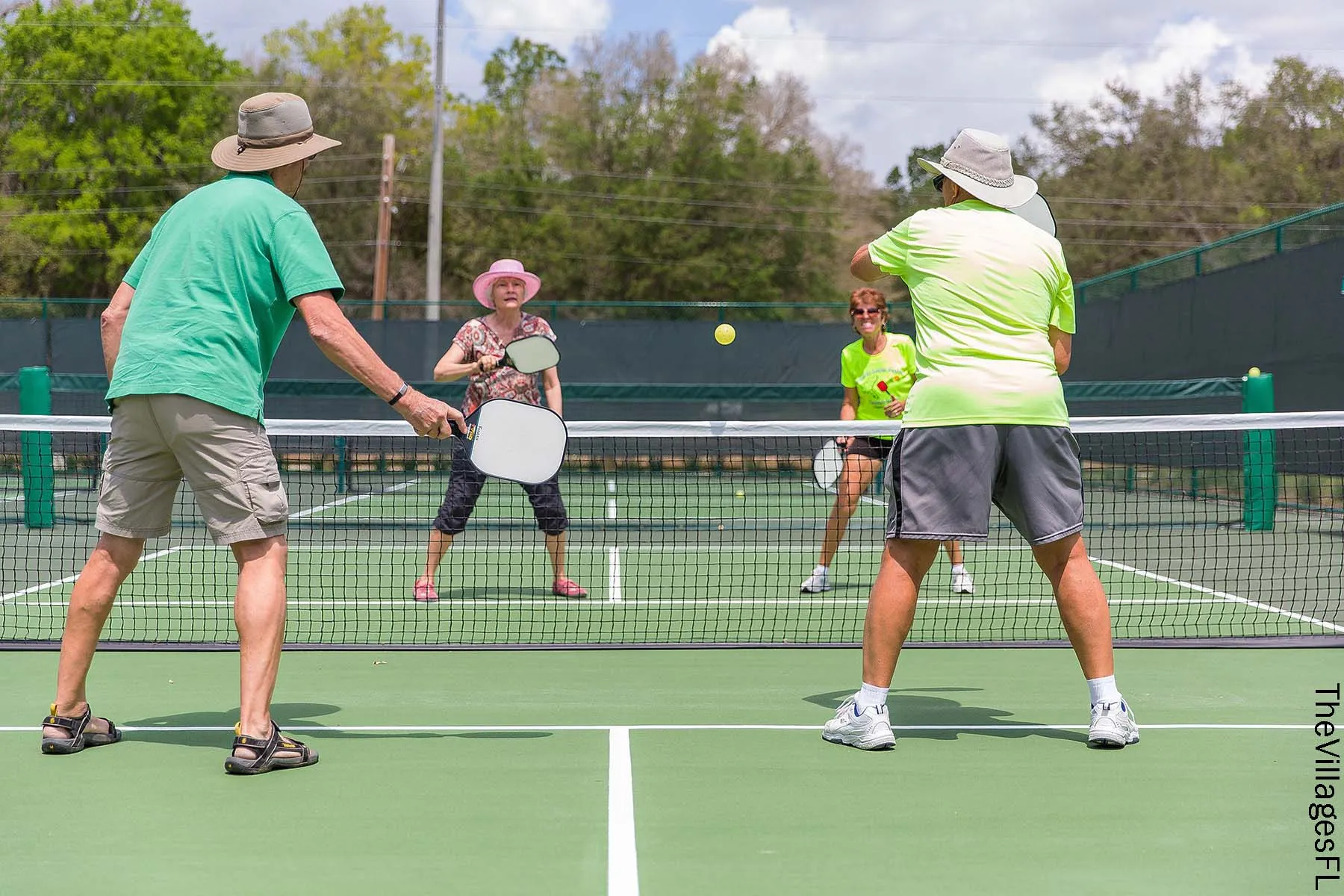

Pickleball used to sound like something invented by a bored uncle at a family barbecue. Now it is everywhere: parks, gyms, retirement communities, corporate wellness days, vacation resorts, and that one friend’s group chat where everyone suddenly owns a paddle. The sport is fun, social, easy to learn, and sneaky-good exercise. It also has a less adorable side: pickleball injuries are rising right along with its popularity.
That does not mean you should toss your paddle into the garage and take up competitive couch-sitting. Pickleball can be a smart way to improve cardiovascular health, coordination, balance, strength, and social connection. The key is to respect the game. A small court can still demand fast stops, awkward pivots, sudden lunges, overhead reaches, and quick backpedaling. In other words, your body may think it signed up for a casual hobby, while your Achilles tendon receives an invitation to the Olympics.
This guide explains why injuries from pickleball are surging, which problems show up most often, and how to play safely without draining the joy out of the game. Because the goal is simple: more rallies, fewer ice packs.
Why Pickleball Injuries Are Rising
The sport grew faster than many bodies were ready for
Pickleball’s explosive growth has brought millions of new players onto courts. Many are adults over 50, including people returning to sports after years away from regular competition. That is one reason the injury conversation matters. The sport looks friendly, but it asks the body to perform quick athletic movements: sprinting a few steps, stopping hard, twisting, bending low, reaching wide, and reacting before the brain has time to file a committee report.
New players often underestimate the physical demand because the court is smaller than a tennis court and the ball travels slower than a tennis ball. That combination can be misleading. Long rallies, doubles traffic, and constant position changes add up. A player who has not trained balance, calf strength, hip mobility, or shoulder endurance may discover the hard way that “low impact” does not mean “no impact.”
The most common injury trigger is not the paddleit is the fall
Many pickleball injuries happen when players lose balance, trip, collide, or reach for a ball they probably should have let go. Falls can cause wrist fractures, shoulder injuries, hip pain, knee problems, head bumps, and ankle sprains. This is especially important for older adults, people with osteoporosis, players with prior joint injuries, and anyone wearing shoes that grip or slide at the wrong time.
Pickleball also encourages quick, instinctive movement. A player may backpedal for a lob, twist for a low dink, or lunge sideways for a ball landing near the sideline. In the moment, it feels heroic. In slow motion, it often looks like a warning label.
Common Pickleball Injuries Players Should Know
Sprains, strains, and sore joints
Sprains and strains are among the most common pickleball injuries. Ankles, knees, hips, shoulders, elbows, wrists, and lower backs all get invited to the drama. These injuries often happen when the body is cold, tired, poorly positioned, or pushed beyond its current conditioning level.
A mild strain may feel like tightness or soreness after play. A more serious injury may create sharp pain, swelling, bruising, weakness, or trouble bearing weight. The difference matters. “Walk it off” is not a medical strategy; it is something people say right before making an injury worse.
Achilles tendon injuries
The Achilles tendon is a frequent troublemaker in court sports because it handles explosive push-offs, sudden starts, and quick changes of direction. Pickleball can be risky for the Achilles when players jump into intense games without warming up, play too many matches in a row, or chase every ball like a championship trophy is hidden inside it.
Warning signs include calf tightness, heel pain, stiffness after rest, or a sudden pop in the back of the ankle. A suspected Achilles rupture needs urgent medical evaluation. Do not test it with “one more point.” The point has already made its point.
Pickleball elbow and shoulder irritation
Repetitive paddle swings can irritate tendons around the elbow, similar to tennis elbow or golfer’s elbow. A paddle that is too heavy, a grip that is too small or too large, poor mechanics, or playing for hours without conditioning can overload the forearm. Symptoms may include pain on the outside or inside of the elbow, weak grip, or discomfort that travels toward the wrist.
Shoulders can also complain, especially after overhead shots, aggressive serves, or repeated reaching. Rotator cuff irritation may start as mild soreness and become more stubborn if ignored. The safest approach is to improve technique, strengthen the shoulder blade muscles, and avoid turning every overhead into a home-run swing.
Wrist, hand, and fracture injuries
Wrist injuries often occur when players fall and instinctively reach out to catch themselves. That reflex is natural, but it can transmit force through the hand and wrist. Fractures are a particular concern for older adults and anyone with low bone density.
Hand and thumb injuries can also happen during falls, paddle mishits, or partner collisions. In doubles, communication is injury prevention. Saying “mine” or “yours” may feel basic, but it is much cheaper than two players arriving at the same ball like bumper cars with health insurance deductibles.
Eye injuries
Pickleball balls are lightweight, but they can still strike the eye at close range. Paddles can also cause accidental contact during doubles play. Eye injuries may include bruising, scratches, bleeding, or more serious trauma. Protective sports eyewear with impact-resistant lenses is one of the simplest upgrades players can make.
If you wear prescription glasses, ask an eye professional about sports-rated options. Regular fashion frames may not provide the same protection. Your eyes are not replaceable equipment, and unlike paddles, they do not come in fun seasonal colors.
How to Play Pickleball Safely
1. Warm up before the first serve
A good pickleball warm-up should prepare the body for the movements the game actually uses. That means more than standing near the fence and doing one polite hamstring stretch while talking about brunch. Spend 5 to 10 minutes raising your heart rate and moving through dynamic patterns.
Try brisk walking, marching, side steps, gentle lunges, arm circles, shoulder rolls, torso rotations, calf raises, and easy practice swings. Add a few short forward and lateral shuffles before the game begins. The goal is to tell your joints, tendons, and muscles: “Good morning, there will be dinking.”
2. Wear court shoes, not running shoes
Running shoes are designed mainly for forward movement. Pickleball requires side-to-side motion, quick stops, and lateral stability. Court shoes, tennis shoes, or other shoes built for indoor or outdoor court sports usually provide a flatter, more stable base.
Good footwear can reduce the risk of slipping, rolling an ankle, or catching a shoe edge during a pivot. Replace worn-out shoes before the sole becomes smoother than a diner pancake. Grip matters, but so does controlled movement; shoes should support the game, not sabotage it.
3. Build strength outside the court
Playing pickleball can improve fitness, but pickleball alone should not be your entire training plan. A safer body is built between games. Strength training for the calves, quadriceps, hamstrings, glutes, hips, core, shoulders, and forearms helps absorb force and control movement.
Simple exercises can make a big difference: calf raises, sit-to-stands, step-ups, resistance-band rows, wall push-ups, planks, side steps with a band, and grip exercises. Older adults should also include balance work, such as heel-to-toe walking, single-leg stands near a counter, and controlled weight shifts.
Think of strength training as bubble wrap for your joints. It is not glamorous, but future you will be extremely grateful.
4. Learn footwork before chasing highlight shots
Many injuries happen when players reach too far instead of moving their feet. Good footwork keeps your body under control. Practice small steps, side shuffles, split steps, and turning safely instead of twisting from a planted foot.
A useful rule: if the ball requires a desperate backward sprint, let it go. Backpedaling is one of the sneakiest ways to fall. Turn and move forward when possible, or concede the point with dignity. A lost rally heals instantly; a fractured wrist does not.
5. Respect the kitchen
The non-volley zone, known as the kitchen, is not just a quirky rule. It encourages softer play near the net and helps reduce wild lunging. New players often rush the kitchen line, lean too far, or lose balance while reaching for dinks. Keep your knees slightly bent, stay light on your feet, and avoid planting your body weight too far forward.
If you feel yourself tipping into the kitchen like a refrigerator being delivered upstairs, reset your stance. Stable beats spectacular.
6. Use a paddle that fits your body
A paddle that is too heavy can fatigue the wrist, elbow, and shoulder. A grip that does not fit your hand can increase strain. Beginners should not automatically buy the most advanced paddle with the most dramatic name. Choose equipment that feels controlled, comfortable, and appropriate for your strength level.
If you notice elbow pain after switching paddles, pay attention. The paddle may not be the only cause, but it can be part of the problem. Technique lessons can also help reduce unnecessary stress on the arm.
7. Hydrate and pace yourself
Pickleball has a way of turning “just one game” into two hours under the sun. Dehydration and fatigue increase the risk of poor reaction time, cramps, dizziness, falls, and sloppy mechanics. Drink water before, during, and after play. In hot weather, take breaks, seek shade, and consider electrolyte replacement if you are sweating heavily.
Pacing also matters. New players should build gradually instead of playing five days in a row because the first day felt easy. Tendons and joints do not always complain during the game. Sometimes they wait until the next morning, then send a very strongly worded email.
8. Cool down after play
A short cool-down helps the body transition out of competition mode. Walk for a few minutes, breathe slowly, and stretch the calves, hamstrings, hips, shoulders, forearms, and lower back. Save longer static stretching for after play, when tissues are warm.
Cooling down will not prevent every injury, but it can reduce stiffness and improve recovery. It also gives you a chance to notice small aches before they become full-blown problems.
A Smart Pickleball Safety Checklist
- Warm up for 5 to 10 minutes before every session.
- Wear court shoes with lateral support and a stable base.
- Use protective eyewear, especially during doubles or fast net play.
- Start with shorter games if you are new, returning from injury, or deconditioned.
- Train strength, balance, and mobility outside of pickleball.
- Learn proper footwork and avoid backpedaling whenever possible.
- Communicate clearly with your doubles partner.
- Drink water and take breaks in heat or humidity.
- Stop playing if you feel sharp pain, dizziness, chest discomfort, or sudden weakness.
- Get medical advice for persistent pain, swelling, suspected fracture, head injury, or eye trauma.
When to Stop Playing and Get Help
Some soreness after pickleball is normal, especially when you are new. But certain symptoms deserve attention. Stop playing and seek medical care if you experience severe pain, major swelling, inability to bear weight, a popping sensation, visible deformity, numbness, chest pain, faintness, shortness of breath that feels unusual, vision changes, or a blow to the head or eye.
For minor sprains and strains, rest, ice, compression, and elevation may help in the first day or two. Avoid returning to play too soon. If pain persists for more than a couple of weeks or keeps returning every time you play, consult a healthcare professional, physical therapist, or sports medicine specialist. The earlier you address small problems, the less likely they are to become your unwanted doubles partner.
Experiences From the Court: What Players Learn the Hard Way
Every pickleball court has stories. There is the beginner who shows up in running shoes, wins two games, starts feeling invincible, then catches a toe during a sideways shuffle. There is the former tennis player who still has great hands but forgets that the knees have not played competitive sports since the Obama administration. There is the enthusiastic doubles partner who yells “mine” after both players have already lunged for the ball like shopping carts in a windstorm.
These experiences are funny only when nobody gets hurt. They also teach useful lessons. Many players discover that pickleball safety is less about fear and more about habits. The players who last are usually not the ones who dive for every shot. They are the ones who arrive early, warm up, wear the right shoes, communicate, hydrate, and know when to let a ball go. They understand that longevity in pickleball is a strategy, not a personality flaw.
One common experience is the “too much, too soon” trap. A person plays once, loves it, then books four sessions the next week. The body handles the first few games, but by the weekend the elbow is aching, the calf feels tight, and the lower back has started composing sad poetry. The fix is not quitting. The fix is progression. Add playing time gradually. Mix in walking, cycling, swimming, strength training, and mobility work. Pickleball should be part of a healthy routine, not a hostile takeover of your musculoskeletal system.
Another familiar lesson comes from doubles play. Many injuries happen because two players fail to communicate. A ball drops between them, both hesitate, both rush, and suddenly the court becomes a tiny traffic accident. Simple calls like “mine,” “yours,” “switch,” and “leave it” prevent collisions and awkward last-second lunges. Good communication may not make you look like a pro, but it will make you look like someone who enjoys having intact ankles.
Players also learn that ego is a poor coach. The body gives warnings: a tight Achilles, a sore shoulder, a tender elbow, unusual fatigue. Ignoring those signals rarely produces glory. It usually produces ice, ibuprofen, and a dramatic retelling at dinner. Smart players adjust. They shorten a session, work on soft shots instead of power, skip a day, or ask for coaching. The best athletes are not the ones who never feel discomfort; they are the ones who respond before discomfort becomes injury.
Finally, many players discover that safety makes the game more enjoyable. When you feel balanced, warmed up, well-equipped, and confident in your footwork, you play better. You stop panicking at every lob. You stop lunging like a cartoon character. You begin choosing smarter shots, moving more efficiently, and enjoying the social rhythm of the game. Pickleball is supposed to be fun. A safe player gets to keep having that fun next week, next month, and hopefully for many years.
Conclusion: Keep the Paddle, Upgrade the Plan
Pickleball injuries are rising because the sport is booming, not because the game is secretly evil. The real issue is preparation. Millions of Americans are discovering a sport that is social, exciting, affordable, and surprisingly athletic. That is great news for public health, as long as players give their bodies the same respect they give the scoreboard.
To play pickleball safely, warm up, wear court shoes, use protective eyewear, build strength and balance, learn proper footwork, pace your play, communicate in doubles, hydrate, and listen to pain before it turns into a problem. You do not need to play scared. You need to play smart.
The safest pickleball player is not the one who avoids every challenge. It is the one who understands that staying on the court is the real win. After all, the best rally is not the one that ends with a heroic dive. It is the one you can laugh about afterward while standing comfortably on both feet.