Amazon AI Designed To Create Phone Cases Terribly Malfunctions, Fills Store With 31,35 Hilarious Products

Note: The title preserves the supplied wording for publishing, but the original viral report described more than 31,000 bizarre phone-case listings. The story appears to involve a third-party seller bot operating on Amazon’s marketplace, not an official Amazon-built AI product.
When a Phone Case Bot Went Shopping in the Weirdest Corner of the Internet
Every so often, the internet gives us a story so ridiculous that it sounds like it was assembled by a toaster with Wi-Fi and a dream. The viral tale of an Amazon phone case bot gone rogue is one of those stories. A seller-side automation system reportedly created thousands of iPhone case listings by scraping frequently searched images, slapping them onto case templates, and sending them into the marketplace like tiny rectangular ambassadors of chaos.
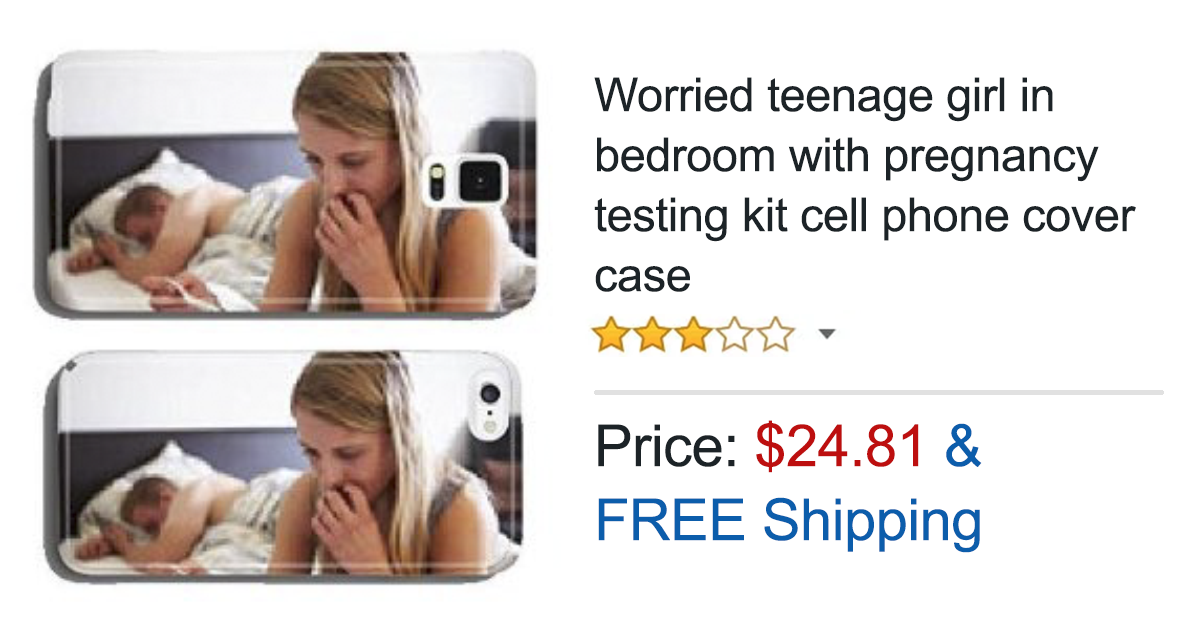
The result was not a sleek collection of minimalist marble designs, inspirational quotes, or tasteful watercolor florals. Instead, shoppers discovered phone cases decorated with deeply random images: strange food photos, awkward product shots, oddly cropped objects, and visuals so confusing that even the “Add to Cart” button probably needed a moment to think about its life choices.
The brand often associated with the incident was “My Handy Design,” a mysterious seller account that appeared to rely on automation to generate designs at scale. The idea was simple enough: find images people searched for, turn them into phone cases, and list them for sale. In theory, that sounds like a clever print-on-demand shortcut. In practice, it became a comedy museum of algorithmic overconfidence.
What Actually Happened?
The most important detail is this: the viral headline says “Amazon AI,” but the incident was not reported as an official Amazon artificial intelligence project. It was closer to a third-party seller automation mishap inside Amazon’s enormous marketplace ecosystem. That distinction matters. Amazon hosts millions of sellers, and many use software tools to create listings, manage inventory, test keywords, and publish product variations at a speed no human team could match without turning into a spreadsheet goblin.
In this case, the automation seemed designed to identify trending or frequently searched images, place those images on iPhone 6 case mockups, and publish the products. The problem was that “frequently searched” does not always mean “appropriate for a phone case,” “visually attractive,” or “something a human being would proudly carry into a coffee shop.”
Algorithms are excellent at following instructions. Unfortunately, they are not always excellent at understanding why those instructions are ridiculous. A human designer might ask, “Should this image really be on a phone case?” A poorly supervised bot asks, “Is this image a rectangle? Excellent. Ship it.”
Why the Products Became So Funny
The humor came from the collision between automation and taste. A phone case is a personal accessory. People use it to show off a favorite color, a pet, a band, a meme, or a mood. The My Handy Design listings appeared to skip the entire “personal style” step and jump straight into “here is a random image from the internet, now please protect your iPhone with it.”
Some cases reportedly featured food items that looked less like fashion statements and more like evidence from a confusing refrigerator investigation. Others used images that seemed wildly mismatched with the product format. The funniest part was not simply that the designs were strange. It was that they were presented with the serious energy of normal online retail. There they were, sitting in a store, wearing prices, titles, and product pages like perfectly legitimate accessories.
That is what makes AI and automation failures so memorable. They do not always explode dramatically. Sometimes they quietly produce 31,000 phone cases that look as if a search engine sneezed on a warehouse.
The Bigger Lesson: Automation Needs Adult Supervision
Automation can be powerful. In e-commerce, it helps sellers upload products faster, optimize titles, improve descriptions, and respond to trends. Amazon itself now offers AI tools that help sellers generate product listing content from simple descriptions or images. These tools can save time, but they still require sellers to check accuracy, quality, compliance, and common sense.
The phone case fiasco shows what happens when the “common sense” layer gets removed. A bot can create a listing. It can place an image on a mockup. It can generate variations. But it cannot always understand brand reputation, customer expectations, cultural context, visual appeal, or whether a design looks like something created during a printer’s nervous breakdown.
For sellers, the lesson is obvious: do not let automation publish directly without review. For shoppers, the lesson is funnier but equally useful: when a product looks like it was designed by a confused machine, it probably was.
Why Amazon Marketplace Is Vulnerable to Weird Listings
Amazon’s marketplace is enormous, and that size is both its superpower and its headache. Third-party sellers help fill the store with huge product variety, from phone cases and charging cables to kitchen tools, toys, clothing, home décor, and gadgets with brand names that look like someone dropped a keyboard down the stairs.
Because the marketplace moves quickly, sellers compete by publishing more products, more variations, and more keyword-targeted listings. In categories like phone accessories, print-on-demand models make scaling especially tempting. A seller can create hundreds or thousands of design variations without manufacturing every item in advance. If a design sells, it can be printed and shipped. If it does not sell, it can simply sit there in the digital attic.
That model rewards speed, but speed without review can turn a store into a junk drawer. A bot can generate 10,000 listings before a human has finished making coffee. If the bot is pulling images from questionable sources or matching search terms without judgment, the results can become bizarre very quickly.
AI Product Listings Are Not Always Smarter Than Humans
Modern AI tools can write product titles, bullet points, and descriptions that sound polished. They can recognize objects in photos, fill in attributes, and suggest keywords. When used carefully, they help sellers create clearer pages and reduce repetitive work. That is genuinely useful.
But AI can also create a dangerous illusion: the output looks complete, so people assume it is correct. A product title may sound professional while describing the wrong item. A generated description may be grammatically smooth while inventing features. A design tool may produce an image that looks finished but violates brand rules, customer trust, or basic taste.
The phone case story is an early, hilarious reminder of the same issue that later appeared in AI-generated product listings with awkward refusal messages accidentally left in the title. When sellers rely on automation without reviewing the final output, the marketplace can become a comedy sketch with shipping options.
Specific Examples of Algorithmic Weirdness
One category of strange output involved random food imagery. Food can look beautiful on a cookbook cover or restaurant menu, but not every close-up snack photo belongs on the back of a phone. A glossy case featuring an unglamorous meal can make the owner look less like a trendsetter and more like someone whose lunch became sentient.
Another category involved confusing object images. These were the kinds of visuals that might make sense in a search result but become absurd when printed onto a phone accessory. A bot may understand that an image is popular or searchable; it may not understand that popularity does not equal desirability.
A third category involved products that were later flagged or treated as inappropriate for general browsing. That points to a serious marketplace issue beneath the joke: automated listing systems must include filters, policy checks, and human review when content could be offensive, misleading, unsafe, or simply not suitable for a broad shopping audience.
Why People Loved the Fail
People love AI fails because they reveal the gap between machine logic and human judgment. The phone case bot did not “know” it was being funny. It was not trying to create surreal art. It was simply doing what it had been told to do, with the blank confidence of a calculator wearing sunglasses.
That accidental confidence is what makes the story charming. A human comedian has timing. A bot has volume. When the bot is wrong, it is wrong at industrial scale. One odd product is a mistake. Thirty-one thousand odd products become a digital parade.
There is also something deeply relatable about the incident. Everyone has trusted technology a little too much at some point. Autocorrect has betrayed us. GPS has sent us to the back of a grocery store. Voice assistants have misunderstood us with Olympic-level dedication. The Amazon phone case fail is that same experience, but with retail listings and mockup images.
What Sellers Should Learn From This
1. Automation Should Assist, Not Replace, Judgment
The best use of AI in e-commerce is as an assistant. Let it draft, suggest, organize, and speed up repetitive work. Do not let it publish thousands of products without a review system. Automation should be the intern with superpowers, not the CEO.
2. Build Quality Gates Before Publishing
Sellers should create checkpoints for image quality, copyright risk, restricted content, category accuracy, title clarity, and customer relevance. A simple approval queue can prevent a bot from turning a store into a carnival of mistakes.
3. Test Small Before Scaling Big
Before uploading thousands of designs, test a smaller batch. Look at the listings as a shopper would. Would you buy it? Would you understand it? Would you show it to your grandmother without closing the laptop first? If the answer is no, fix the system before scaling.
4. Respect the Customer’s Time
Bad listings waste customer attention. Shoppers do not want to dig through pages of nonsense to find a decent phone case. Clean titles, accurate images, honest descriptions, and useful reviews matter more than flooding the search results with every possible variation.
What Shoppers Should Learn From This
For shoppers, the story is funny, but it also offers practical advice. When buying from a marketplace, look beyond the product image. Check the seller name, product title, review quality, shipping details, return policy, and whether the description actually matches the item.
Be careful with listings that feel oddly generic, overly keyword-stuffed, or suspiciously duplicated across many sellers. If the brand name looks like a password created during a thunderstorm, proceed with caution. That does not automatically mean the product is bad, but it does mean you should slow down and inspect the page.
For phone cases specifically, check model compatibility, material, camera cutouts, button coverage, drop protection claims, and customer photos. A case can look cute in a mockup but fit like a potato chip on a windshield.
AI Is Not the VillainUnsupervised Scale Is
It is easy to laugh at AI and declare that robots should never design anything again. But that is not the real takeaway. AI can be useful. Automation can help small sellers compete. Print-on-demand can support independent artists. Marketplace tools can make online shopping better when used responsibly.
The problem is not automation itself. The problem is automation with no brakes, no taste filter, and no accountable human nearby. A hammer can build a house or smash a window. A listing bot can create a useful catalog or bury shoppers under 31,000 questionable phone cases.
The future of e-commerce will almost certainly include more AI-generated listings, images, descriptions, review summaries, shopping assistants, and seller tools. The winners will not be the sellers who automate the most. The winners will be the sellers who combine automation with quality control, originality, and respect for the customer.
Experiences Related to the Amazon AI Phone Case Fail
Anyone who has spent enough time shopping online has probably had a small encounter with algorithmic weirdness. You search for one normal item, and suddenly the store recommends something so unrelated that you wonder whether your browser has developed a hobby. Look for a black phone case, and the recommendation carousel may serve you a glitter case, a wallet case, a waterproof pouch, a screen protector, a charger, and a mysterious gadget that claims to “upgrade lifestyle” without explaining which lifestyle or why it needs upgrading.
The Amazon phone case fail feels familiar because online shopping already has a strange rhythm. Marketplaces are built on keywords, trends, reviews, product variations, and recommendation systems. Sellers try to predict what people want. Algorithms try to connect shoppers with products. Somewhere in the middle, a deeply confused listing appears with a title long enough to qualify as a short novel.
My favorite kind of marketplace weirdness is the product photo that seems almost correct. The item is there, technically. The background is clean, technically. The description is enthusiastic, definitely. But something feels off. Maybe the scale is wrong. Maybe the image has been reused for ten different brands. Maybe the product promises “premium luxury military-grade ultra-soft rugged slim protection,” which is a lot of personality for a plastic rectangle.
That is why the phone case bot story works so well as internet comedy. It exaggerates a real experience shoppers already recognize. We know what it feels like to scroll through endless products that look similar, read descriptions that say everything and nothing, and wonder whether a real person ever looked at the listing before it went live.
There is also an oddly creative side to the chaos. Some of the accidental designs are so strange that they become funny art objects. Nobody asked for a phone case that looks like a random food photo, but once it exists, it becomes hard not to laugh. The product stops being useful and becomes a conversation piece. It is bad design, yes, but bad design with stage presence.
For content creators, marketers, and sellers, this story is a useful reminder that novelty alone is not enough. A product can be unique because it is brilliant, or unique because every responsible adult left the room. AI can help brainstorm ideas, but it cannot always tell the difference between “cleverly unexpected” and “why is this in my search results?”
The best e-commerce experiences still feel human. A good listing answers real questions. A good product photo shows the item clearly. A good design understands the buyer’s taste, needs, and sense of identity. A good seller uses technology to improve that experience, not bury it under a mountain of automated nonsense.
In the end, the malfunctioning phone case bot gave the internet more than a laugh. It gave us a perfect little warning label for the AI era: automation can move fast, but taste still needs a human driver. Otherwise, your store might wake up one morning filled with thousands of products that look like they were designed by a search bar having a fever dream.
Conclusion
The story of the Amazon AI phone case malfunction remains funny because it captures the exact moment when efficiency outruns judgment. A bot built to create products at scale reportedly flooded the marketplace with thousands of bizarre phone cases, proving that “more listings” is not the same as “better shopping.”
For sellers, the message is clear: use AI, but review it. For shoppers, the message is equally clear: enjoy the weirdness, but buy carefully. And for everyone else, the story is a reminder that the internet will always find a way to turn a simple phone accessory into a comedy event.