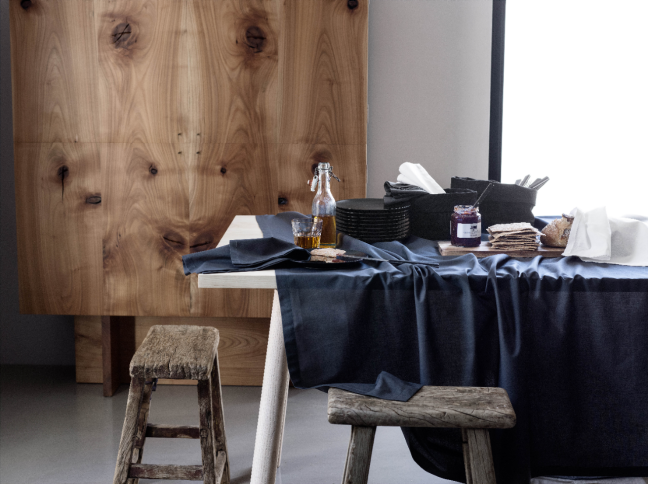

An industrial look barn door is what happens when rustic charm puts on a black metal jacket and decides it is ready for downtown loft life. It has the space-saving slide of a traditional barn door, the raw confidence of exposed hardware, and enough character to make a plain hallway suddenly look like it knows a few good coffee shops.
But this door style is not just about looking cool in photos. A well-planned industrial barn door can divide rooms, hide pantries, create privacy for workspaces, and add a strong architectural feature without requiring the swing clearance of a regular hinged door. The trick is choosing the right materials, hardware, size, finish, and location. Otherwise, your bold design moment can become a noisy rectangle with commitment issues.
In this guide, we will explore what makes an industrial look barn door different, where it works best, how to choose materials, what to know before installation, and how to style it so your home feels intentionalnot like a hardware store and a farmhouse had a confusing weekend.
What Is an Industrial Look Barn Door?
An industrial look barn door is a sliding door inspired by factory spaces, warehouse lofts, workshops, and old utilitarian buildings. It usually combines strong materials such as steel, iron-look hardware, dark metal finishes, reclaimed wood, glass panels, or wire mesh. Instead of hiding the mechanism, the design celebrates it. The track, rollers, bolts, handles, and brackets become part of the visual appeal.
Traditional barn doors often lean rustic, with warm wood tones, X-brace patterns, and farmhouse styling. Industrial barn doors are a little sharper. They may use matte black hardware, charcoal-stained wood, steel frames, frosted glass, rivet details, or clean slab panels. The result feels modern, sturdy, and slightly dramaticin the best possible way.
Common Features of Industrial Barn Doors
Most industrial barn doors include a few recognizable design elements. Matte black or oil-rubbed bronze hardware is common because it creates a strong contrast against wood, brick, drywall, or concrete. Metal straps and exposed rollers make the door feel mechanical and authentic. Wood panels may be stained dark, weathered, reclaimed, or finished in gray-brown tones. Glass panels, especially frosted or divided-light designs, add a loft-style touch while allowing light to pass through.
The industrial look also favors honest materials. A door with real wood grain, visible fasteners, and a solid rail system feels more convincing than one that only pretends to be rugged. Think less “decorative prop” and more “this thing could survive a busy warehouse shift.”
Why Industrial Barn Doors Are So Popular
Industrial barn doors have become popular because they solve two problems at once: they save space and add personality. A hinged door needs room to swing open. A sliding barn door moves along the wall, making it useful in tight hallways, laundry rooms, closets, pantries, bathrooms, offices, and small apartments.
They also act like functional wall art. A plain white door usually tries not to be noticed. An industrial barn door politely refuses that assignment. It can anchor a room, frame a transition, or add contrast to a soft neutral interior. In open-plan homes, it gives you flexible separation without making the layout feel boxed in.
Space-Saving Function
The biggest practical benefit is clearance. Because the door slides sideways, you do not need to keep floor space open for a door swing. This can make a small laundry area easier to access, a pantry more convenient, or a home office feel less cramped. In a narrow hallway, swapping a swinging door for a sliding barn door can improve traffic flow immediately.
Strong Visual Impact
An industrial look barn door brings contrast. Put black hardware against white walls, and the space instantly feels more designed. Add a dark wood slab to a bright kitchen, and you get warmth without clutter. Use steel-framed glass, and the door becomes architectural without blocking light. The style works especially well in homes with exposed brick, concrete floors, metal fixtures, leather furniture, open shelving, or modern farmhouse elements.
Best Materials for an Industrial Look Barn Door
The material choice determines whether your barn door feels polished, rustic, modern, or heavy-duty. Industrial design is flexible, but it rewards texture and contrast. Smooth drywall plus matte black hardware is nice. Add wood grain, glass, or steel, and suddenly the room has a pulse.
Reclaimed or Distressed Wood
Reclaimed wood is a classic choice for an industrial barn door because it brings history and texture. Old nail marks, color variation, saw marks, and weathered grain make the door feel one-of-a-kind. Pair reclaimed wood with black steel hardware and you get the perfect balance of rugged and refined.
If reclaimed wood is too expensive or hard to source, distressed pine, alder, oak, or engineered wood can create a similar effect. The key is to avoid finishes that look too shiny or artificial. Industrial style prefers surfaces that feel lived-in, not wrapped in plastic and emotionally unavailable.
Steel and Metal-Framed Doors
A steel-framed barn door creates a more modern industrial look. These doors often include glass panels, grid patterns, or minimal metal frames. They work beautifully for offices, dining rooms, kitchens, and living areas where you want separation but still need light.
For a bolder option, consider a full metal door or a wood door with metal cladding. This can look fantastic in a loft, studio, basement bar, garage conversion, or modern home. Just remember that metal doors can be heavy, so the wall structure and hardware rating matter.
Glass Panels
Glass softens the industrial look and helps prevent the door from feeling too bulky. Clear glass works well between public spaces, such as a dining room and kitchen. Frosted or textured glass gives more privacy while still allowing light to move through. Black muntins or grid-style framing can create the popular factory-window effect.
Wire Mesh or Perforated Metal
Wire mesh, expanded metal, or perforated panels add a workshop-inspired feel. These materials are great for pantries, utility rooms, mudrooms, or wine storage areas. They allow airflow and visibility while still creating a strong design statement. They are not ideal for spaces that need full privacy, but they are excellent for adding texture without visual heaviness.
Choosing the Right Hardware
The hardware is the soul of an industrial barn door. It is also the part doing the hard work, so do not choose it only because it looks good in a thumbnail image. A high-quality barn door hardware kit should be rated for the weight of your door, properly anchored, smooth-rolling, and compatible with your wall type.
Track Style
The most common option is a flat track with exposed rollers. It is simple, durable, and perfect for the industrial look. Box tracks offer a more enclosed appearance and can feel slightly more commercial. Ceiling-mounted tracks are useful when wall space above the opening is limited, but they require secure overhead structure.
Rollers
Roller style changes the personality of the door. Classic strap rollers look rugged and traditional. Top-mount rollers feel cleaner and more modern. Spoked rollers add a vintage machine-shop vibe. For a subtle industrial look, choose simple black rollers with minimal ornamentation.
Handles and Pulls
Industrial handles should feel substantial. Long bar pulls, pipe-style handles, rectangular flush pulls, and black steel grips all work well. If the door slides over a wall opening, remember that the back side may need a recessed pull so it does not crash into trim or prevent the door from opening fully.
Where an Industrial Barn Door Works Best
Not every doorway is a perfect barn door candidate. The best locations are spaces where style, access, and space-saving function matter more than airtight privacy.
Pantry Doors
A pantry is one of the best places for an industrial barn door. It does not require deep privacy, and the door becomes a visual anchor in the kitchen. A black metal-framed glass door can look especially sharp, while a dark wood slab can warm up a white kitchen.
Laundry Rooms
Laundry rooms often have awkward doors that swing into tight spaces. A sliding barn door can make the area easier to use while hiding detergent bottles, baskets, and that mysterious sock ecosystem. Choose a durable finish that can handle humidity and frequent use.
Home Offices
An industrial barn door can create a stylish boundary for a home office. Frosted glass or divided-light panels are especially useful because they separate the room without making it feel isolated. If you take video calls, consider privacy film or a solid lower panel.
Closets and Storage Areas
Closets are ideal because they benefit from easy access and do not need complete acoustic separation. Double barn doors can make a wide closet look custom, while a single industrial slab door can upgrade a basic bedroom or hallway.
Bathrooms and Bedrooms: Use Caution
Barn doors can look beautiful on bathrooms and bedrooms, but they are not always the most practical choice. Because they hang in front of the wall rather than sealing into a frame, they usually leave small gaps around the sides. That means less sound control, less light blocking, and less privacy compared with a traditional hinged door.
If you still want the look for a bathroom, choose an oversized door, add privacy seals where appropriate, use a proper latch, and avoid clear glass. For a primary bathroom attached to a bedroom, test the layout honestly. A door can be gorgeous and still not be the hero you want at 6:00 a.m.
How to Measure for an Industrial Barn Door
Good measuring is the difference between a smooth installation and a door that looks like it is trying to escape. Start by measuring the width and height of the opening, including trim if the door needs to cover it. In many interior applications, the door should overlap the opening by at least one inch on each side, and sometimes more if privacy matters.
The track usually needs to be at least twice the width of the door so the door can slide completely open. You also need enough wall space on one side of the opening for the door to park. Before buying anything, check for light switches, outlets, vents, artwork, thermostat controls, or trim that may interfere with the sliding path.
Height and Floor Clearance
The door should hang high enough to move smoothly without scraping the floor, but low enough to cover the opening properly. Many hardware kits specify exact spacing, so follow the manufacturer’s instructions. Floor clearance often depends on the roller style, track height, flooring type, and whether a floor guide is used.
Wall Clearance
Barn doors sit slightly away from the wall. This clearance allows the door to slide past trim and baseboards. If your casing is thick or your wall is uneven, you may need spacers or a mounting board to create the proper distance.
Installation Essentials You Should Not Ignore
An industrial barn door can be heavy, especially if it is solid wood, glass, or metal. The track must be securely mounted to studs, blocking, or a strong header board. Drywall alone is not enough. Drywall may be many wonderful things, but “excellent at holding a heavy sliding door above your toes” is not one of them.
Use a Header Board or Solid Blocking
A header board spreads the load and gives the track a secure mounting surface. It can also help the door clear existing trim. The board should be level, firmly fastened to wall studs, and long enough to support the full rail. Paint or stain it to match the wall, the trim, or the door hardware.
Install Door Stops
Door stops prevent the door from rolling off the track. They are small parts with a very important job. Skipping them is like buying a seatbelt and leaving it in the glove box.
Add a Floor Guide
A floor guide keeps the bottom of the door from swinging away from the wall. Some guides require a groove in the bottom of the door, while others mount around the door edge. Either way, the guide improves safety, alignment, and daily function.
Check Weight Ratings
Hardware kits are rated for specific door weights. A hollow-core door, solid wood door, and steel-framed glass door are not in the same weight class. Choose hardware that exceeds the door’s weight, not hardware that barely survives the math.
Industrial Barn Door Design Ideas
The industrial look can go in several directions. The best version depends on your home’s existing style, color palette, and how dramatic you want the door to be.
Black Track With Warm Wood
This is the most versatile combination. A warm walnut, oak, or medium-brown wood door paired with black hardware works in modern farmhouse, rustic industrial, transitional, and contemporary homes. It adds warmth without losing edge.
Charcoal Door With Black Hardware
A charcoal or deep gray door creates a moody, modern look. It works especially well against white walls, concrete floors, or pale wood flooring. Add simple black pulls and minimal rollers for a clean industrial finish.
Steel-Framed Glass Door
This option feels more urban and architectural. It is ideal for offices, dining rooms, kitchens, or media rooms. Frosted glass improves privacy, while clear glass keeps the space visually open.
Reclaimed Wood With Rivet Details
Rivets, metal straps, and weathered boards create a stronger workshop effect. This style works well in basements, game rooms, mudrooms, and homes with exposed brick or vintage furniture.
Double Industrial Barn Doors
Double doors are excellent for wide openings. They create symmetry and drama, especially between a living room and dining room or a bedroom and closet. Use matching tracks and handles so the final look feels custom, not improvised.
Color Palettes That Work With Industrial Barn Doors
Industrial style usually favors neutral colors, but neutral does not mean boring. Black, white, gray, brown, tan, rust, charcoal, and deep green all work well. The goal is contrast and texture.
For a light room, a black-framed barn door adds definition. For a dark room, a warm wood door prevents the space from feeling too cold. In a kitchen with stainless steel appliances, black hardware can tie everything together. In a living room with leather furniture, reclaimed wood can make the space feel grounded and cozy.
Maintenance Tips for Long-Term Performance
Industrial barn doors are fairly low maintenance, but they are not maintenance-free. Dust can collect on the track and rollers, especially in laundry rooms, kitchens, or homes with pets. Wipe the track regularly with a dry or slightly damp cloth. Check bolts and screws occasionally, especially during the first few months after installation.
For wood doors, protect the finish from moisture and direct water exposure. For metal components, watch for scratches or rust in humid areas. If the door starts squeaking or dragging, inspect the rollers, floor guide, and track alignment before assuming the entire system has betrayed you.
Common Mistakes to Avoid
The most common mistake is choosing a door before checking the wall. You need enough wall space for the door to slide open. You also need proper structure for the track. Another mistake is underestimating privacy gaps. Barn doors are not sealed like traditional doors, so they are better for visual separation than soundproofing.
Some homeowners also choose hardware that is too small for the door. Industrial design looks best when the hardware feels proportional. Tiny rollers on a big slab door can look awkward. On the other hand, oversized hardware on a narrow closet door may feel like the door is wearing boots three sizes too large.
Is an Industrial Look Barn Door Right for Your Home?
An industrial look barn door is right for your home if you want a practical space-saving solution with strong visual character. It is especially smart for pantries, laundry rooms, closets, offices, and flexible living spaces. It is less ideal for rooms that need full sound control, airtight privacy, or a traditional lock.
Before buying, ask three questions. Do I have enough wall space? Can the track be safely anchored? Will this location work with the privacy level a barn door provides? If the answer is yes, the industrial barn door can be one of those upgrades that makes the room feel instantly more finished.
Real-World Experience: Living With an Industrial Look Barn Door
After working with industrial barn door ideas in real home layouts, one lesson becomes obvious: the best barn door is not always the biggest, darkest, or most dramatic one. It is the one that fits the room’s routine. A pantry door, for example, gets opened constantly. That means the handle should be comfortable, the rollers should move quietly, and the door should not block a cabinet, outlet, or refrigerator when open. It sounds simple, but kitchens have a sneaky way of turning “just slide it over there” into a geometry exam.
In laundry rooms, industrial barn doors are especially useful because they hide visual clutter fast. A black track and warm wood panel can make a washer-and-dryer corner feel intentional instead of forgotten. The practical detail that matters most is ventilation. If the laundry area gets humid, avoid unfinished wood and choose a sealed surface. Metal accents are fine, but they should be protected against moisture. A beautiful door that warps is not rustic charm; it is a slow-motion complaint.
For home offices, the experience is a little different. A glass-panel industrial barn door looks fantastic and keeps the room from feeling boxed in. However, if the office is used for calls, studying, or focused work, a solid-core door or frosted glass design may be better. Barn doors reduce visual distraction, but they do not block sound as well as a properly fitted hinged door. If the household includes pets, siblings, or enthusiastic snack hunters, plan accordingly.
One of the most satisfying uses is a closet upgrade. Replacing plain bypass doors with a single industrial barn door can make a bedroom feel custom without a full remodel. The door becomes part of the decor, especially when it matches black lamps, curtain rods, bed frames, or cabinet pulls. This is where industrial design shines: one strong repeated material can make the whole room feel connected.
The biggest surprise for many homeowners is how much the wall around the door matters. An industrial barn door needs breathing room. Crowding it with picture frames, switches, shelves, or tall furniture weakens the effect and may interfere with movement. Leave open wall space so the door can slide fully and look intentional. The empty space is not wasted; it is the runway.
Another real-world tip is to test the door’s daily path before installation. Use painter’s tape on the wall to mark the door width, track length, and open position. Then walk through the room normally for a day. Open cabinets. Carry laundry. Pretend you are late and holding coffee. This simple test often reveals problems before screws enter the wall and everyone becomes emotionally invested.
Finally, do not underestimate finish quality. Industrial style looks effortless, but cheap finishes can make it feel flimsy. A smooth rolling track, solid handle, sealed wood, and properly aligned guide are the details you notice every day. When they work well, the door feels satisfying. When they do not, you hear it, see it, and eventually give it a nickname that cannot be printed in a family-friendly design blog.
Conclusion
An industrial look barn door is more than a trendy sliding panel. Done well, it is a smart blend of function, structure, and style. It saves floor space, adds architectural interest, and brings a confident mix of wood, metal, glass, and texture into the home. The best designs start with practical planning: measure carefully, check wall support, choose hardware that fits the door weight, and select the right location.
Use an industrial barn door where it can shine without creating daily frustration. Pantries, laundry rooms, closets, offices, and wide openings are excellent candidates. Bathrooms and bedrooms can work, but only when privacy expectations are realistic. With the right materials and installation, this door can turn an ordinary opening into a design feature that feels bold, useful, and built to last.