
Note: This article is for educational purposes and follows current U.S. vaccination guidance. Pneumococcal vaccine timing can vary based on age, vaccine history, and health conditions, so readers should confirm their personal schedule with a licensed healthcare provider.
What Is the Pneumococcal Vaccine?
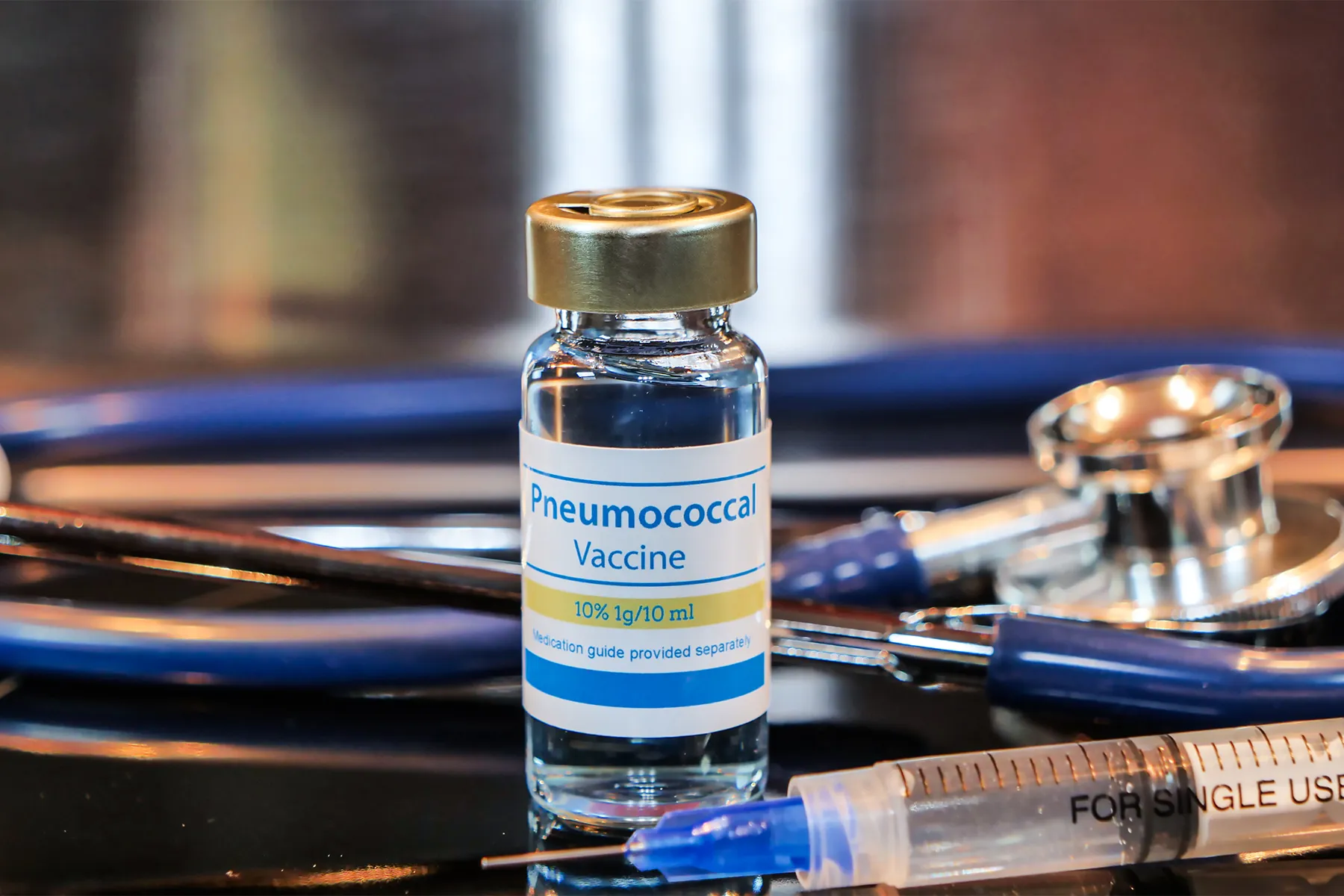
The pneumococcal vaccine helps protect against infections caused by Streptococcus pneumoniae, a bacterium with a deceptively cute nickname: pneumococcus. Do not be fooled. This tiny troublemaker can cause pneumonia, meningitis, bloodstream infections, sinus infections, and ear infections. Basically, it is the overachiever of germs, but in the worst possible way.
Pneumococcal disease can affect anyone, but it is especially risky for babies, young children, older adults, and people with certain medical conditions. The good news is that vaccination has made serious pneumococcal infections much more preventable. The even better news is that the pneumococcal vaccine schedule is not as mysterious as it looks once you break it down.
In the United States, pneumococcal vaccines are recommended for all children younger than 5 years old, all adults age 50 and older, and certain children and adults with higher-risk health conditions. The specific vaccine and timing depend on age, medical history, and whether someone has already received a pneumococcal shot in the past.
Why Pneumococcal Vaccination Matters
Pneumococcal bacteria can live in the nose and throat without causing illness. That sounds peaceful enough, like a quiet roommate who pays rent on time. But the bacteria can spread through respiratory droplets and sometimes move into the lungs, blood, brain, or ears. When that happens, the infection can become serious quickly.
Pneumococcal pneumonia is one of the best-known forms of pneumococcal disease. Symptoms may include cough, fever, chills, chest pain, and difficulty breathing. Invasive pneumococcal disease, such as meningitis or bacteremia, is less common but more dangerous. These infections can lead to hospitalization, long-term complications, or death, especially in older adults and people with weakened immune systems.
The pneumococcal vaccine does not prevent every possible pneumonia case, because pneumonia can be caused by many viruses and bacteria. But it does target important pneumococcal strains that are known to cause serious illness. Think of it as upgrading your immune system’s security system. It may not stop every suspicious character in town, but it helps block some of the most notorious ones.
Types of Pneumococcal Vaccines
There are two main categories of pneumococcal vaccines used in U.S. guidelines: pneumococcal conjugate vaccines and pneumococcal polysaccharide vaccines. The names sound like something from a graduate-level chemistry final, but the idea is simple.
Pneumococcal Conjugate Vaccines: PCV15, PCV20, and PCV21
Pneumococcal conjugate vaccines are often shortened to PCV. These vaccines connect pneumococcal sugars to a protein, which helps the immune system recognize and respond more strongly. Current U.S. guidance includes PCV15, PCV20, and PCV21 in adult recommendations, while PCV15 and PCV20 are used for routine childhood vaccination.
The number in the vaccine name refers to how many pneumococcal serotypes, or strains, the vaccine targets. PCV15 covers 15 serotypes, PCV20 covers 20, and PCV21 covers 21. More is not automatically “better” for every person, because the right choice depends on age, risk, availability, and previous vaccination history.
PPSV23: The Pneumococcal Polysaccharide Vaccine
PPSV23 protects against 23 pneumococcal serotypes. It is most commonly used in combination with PCV15 for certain adults and some higher-risk children. If PCV15 is chosen for an adult who needs pneumococcal vaccination, PPSV23 is usually given later to complete protection. If PCV20 or PCV21 is used for an eligible adult, PPSV23 is generally not needed afterward.
Pneumococcal Vaccine Schedule for Children
For babies and young children, the routine pneumococcal vaccine schedule is straightforward. The CDC recommends a 4-dose PCV series for all children younger than 5 years old. The doses are typically given at:
- 2 months
- 4 months
- 6 months
- 12 through 15 months
Either PCV15 or PCV20 may be used for routine childhood pneumococcal vaccination. Parents do not usually need to walk into the pediatrician’s office and announce, “I have prepared a vaccine strategy spreadsheet.” The pediatrician’s office tracks the schedule and helps determine what is due.
If a child starts late or misses a dose, they may still be able to catch up. Catch-up schedules depend on the child’s current age, how many doses were already received, and whether the child has certain medical conditions. Missing a dose does not mean starting over from scratch, which is excellent news for every parent who has ever lost a sticky note, calendar reminder, or entire week to toddler chaos.
Pneumococcal Vaccine Schedule for Adults
Adult pneumococcal vaccine guidelines have changed over time, so many adults are understandably unsure whether they need another dose. The current U.S. recommendation is that adults age 50 and older who have never received a pneumococcal conjugate vaccine, or whose vaccine history is unknown, should receive one of the recommended PCV options.
For adults age 50 and older with no previous PCV, the usual options are:
- One dose of PCV20, with no PPSV23 needed afterward
- One dose of PCV21, with no PPSV23 needed afterward
- One dose of PCV15, followed by one dose of PPSV23 later
If PCV15 is used, PPSV23 is typically given at least 1 year later. However, some adults with immunocompromising conditions, cochlear implants, or cerebrospinal fluid leaks may receive PPSV23 as soon as 8 weeks after PCV15 if their healthcare provider recommends that shorter interval.
Who Needs Pneumococcal Vaccination Before Age 50?
Adults ages 19 through 49 may also need pneumococcal vaccination if they have certain risk factors. These can include chronic heart disease, chronic lung disease, diabetes, liver disease, alcoholism, cigarette smoking, cochlear implants, cerebrospinal fluid leaks, or conditions that weaken the immune system.
Immunocompromising conditions may include cancer, HIV infection, organ transplant, kidney disease, asplenia, sickle cell disease, or treatment with medicines that suppress the immune system. This is not a complete list, so the safest move is to ask a healthcare provider: “Am I in a risk group for pneumococcal vaccination?” That one sentence can save a lot of Googling, guessing, and late-night medical rabbit holes.
Children and teens with certain medical conditions may also need extra pneumococcal doses beyond the routine early-childhood series. These recommendations are more detailed, so clinicians usually check the child’s records and match the plan to the child’s health status.
What If You Already Had a Pneumonia Shot?
This is where things get a little spicy, medically speaking. Many adults have received older pneumococcal vaccines such as PCV13 or PPSV23. Some may have received a dose years ago and have no idea which one it was. That is normal. Vaccine cards have a way of disappearing into the same mysterious dimension as missing socks.
If you previously received PCV20 or PCV21, no additional pneumococcal vaccine is usually recommended. If you received PCV13, PPSV23, or an older vaccine combination, your provider may review your history and decide whether another PCV dose is appropriate. Timing matters, especially if the last pneumococcal vaccine was given within the past few years.
The best practical step is to bring any vaccine records to your appointment or ask your pharmacy, clinic, or state immunization registry for documentation. Your provider can then determine whether you are complete, due now, or due later.
Pneumococcal Vaccine Side Effects
Most pneumococcal vaccine side effects are mild and short-lived. The most common reactions include soreness, redness, or swelling where the shot was given. Some people also experience tiredness, headache, muscle aches, joint pain, chills, fever, or decreased appetite.
Children may be fussy after vaccination, which is pediatric code for “the tiny boss is displeased.” Babies and toddlers may have mild fever, sleepiness, or temporary appetite changes. These reactions are usually signs that the immune system is responding.
Most side effects go away within a couple of days. A cool compress on the arm, gentle movement, hydration, and rest can help. Adults can ask a healthcare provider whether over-the-counter pain relievers are appropriate. Parents should ask a pediatrician before giving medicine to infants or young children, especially if the child is very young or has other health concerns.
Rare but Serious Reactions
Serious allergic reactions to pneumococcal vaccines are rare, but they can happen. Warning signs may include trouble breathing, swelling of the face or throat, hives, fast heartbeat, dizziness, or severe weakness shortly after vaccination. These symptoms require emergency medical attention.
People who have had a severe allergic reaction to a previous pneumococcal vaccine dose or to a vaccine component should not receive that vaccine unless a qualified healthcare provider determines it is safe. PCV vaccines may also be contraindicated for people with a severe allergic reaction to diphtheria toxoid-containing vaccines, because conjugate vaccines use a related carrier protein.
Can You Get the Pneumococcal Vaccine With Other Vaccines?
In many cases, pneumococcal vaccines can be given at the same visit as other recommended vaccines, using different injection sites. This can be convenient for adults who are also due for flu, COVID-19, shingles, RSV, or Tdap vaccines. It can also help parents keep children on schedule without turning the family calendar into a medical escape room.
However, timing may vary depending on age, vaccine type, medical conditions, and previous vaccine reactions. Always ask the clinician or pharmacist which vaccines can be given together and what side effects to expect.
Who Should Talk to a Doctor Before Getting Vaccinated?
Most people who are eligible can receive pneumococcal vaccination safely. Still, it is smart to talk with a healthcare provider first if you have had a serious allergic reaction to a vaccine, are moderately or severely ill, have a complex immune condition, are pregnant, or are unsure about your previous pneumococcal vaccine history.
A mild cold is usually not a reason to delay vaccination, but a more serious illness may lead your provider to postpone the shot until you recover. This is not because the vaccine “won’t work” automatically, but because it can be harder to sort out symptoms and side effects when someone is already significantly ill.
Practical Tips Before and After the Shot
Before your appointment, try to gather your immunization history. Ask your doctor’s office, pharmacy, previous employer health clinic, school, military records, or state registry if needed. For adults, knowing whether you received PCV13, PCV15, PCV20, PCV21, or PPSV23 can prevent duplicate or unnecessary doses.
Wear a short-sleeved or loose-sleeved shirt. Your future self will appreciate not having to perform a sweater-removal gymnastics routine in the exam room. After the shot, move your arm gently during the day. Some people instinctively protect the arm like it has entered witness protection, but light movement can reduce stiffness.
Plan for mild soreness or fatigue. Most people can continue normal activities, but scheduling the shot before a championship tennis match, moving day, or a 12-hour road trip may not be ideal. Hydration, rest, and realistic expectations go a long way.
Common Myths About the Pneumococcal Vaccine
Myth 1: “It is only for older people.”
Not true. The pneumococcal vaccine is routine for babies and young children. It is also recommended for adults age 50 and older and for younger people with certain risk factors.
Myth 2: “It prevents every type of pneumonia.”
No vaccine prevents every cause of pneumonia. Pneumococcal vaccines target specific pneumococcal bacteria. Flu, COVID-19, RSV, and other germs can also cause pneumonia, which is why staying current on multiple recommended vaccines may matter.
Myth 3: “If I feel fine, I do not need it.”
Vaccines are preventive. Waiting until pneumococcal disease appears is like installing smoke alarms after the kitchen is already on fire. Feeling healthy today does not always predict infection risk tomorrow.
Experience-Based Section: What Pneumococcal Vaccination Looks Like in Real Life
Real-world pneumococcal vaccination is usually less dramatic than people imagine. There is no slow-motion medical montage, no heroic soundtrack, and no nurse saying, “This vaccine will change everything,” while lightning flashes outside. Most experiences are practical, quick, and mildly anticlimactic, which is exactly what you want from preventive healthcare.
Consider a parent bringing a 2-month-old baby for a routine checkup. The visit may include several vaccines, feeding questions, growth measurements, and at least one diaper situation that deserves its own documentary. The pneumococcal vaccine is simply one part of the standard infant schedule. The baby may cry briefly, nap more than usual, or seem fussy later. Parents are usually told what reactions are normal, what temperature counts as a fever, and when to call the pediatrician. The big experience lesson is preparation: ask questions before leaving the clinic, keep the vaccine record updated, and do not panic over mild fussiness.
Now picture a 52-year-old adult at a pharmacy appointment. They came in for a flu shot and discover they are also eligible for a pneumococcal vaccine. The pharmacist checks their vaccine history and explains whether PCV20, PCV21, or PCV15 followed by PPSV23 makes sense. The shot itself takes seconds. The arm may feel sore that evening, and the person may feel a little tired. By the next day or two, things are usually back to normal. The biggest surprise for many adults is not the side effect profile; it is learning that pneumococcal vaccination is now recommended starting at age 50, not only at 65.
For someone with diabetes, asthma, chronic lung disease, or an immune condition, the experience may involve a more detailed conversation. The provider may ask about medications, past vaccines, recent illnesses, and whether the person received PPSV23 years ago. This can feel confusing, but it is not a test. Patients do not need to memorize vaccine acronyms like they are preparing for a spelling bee. They just need to share what they know and let the care team verify the schedule.
Many people also describe emotional relief after getting vaccinated. Pneumococcal disease is not something most people think about daily, but once they understand the possible complications, vaccination can feel like checking an important box. It is one less preventable risk sitting quietly in the background.
The most useful experience-based advice is simple: bring your records, ask which pneumococcal vaccine you are receiving, note the date, and ask whether you need another dose later. If you experience mild soreness, fatigue, or fever, treat your body kindly for a day or two. If anything feels severe or unusual, contact a healthcare professional. Preventive care works best when it is boring, organized, and slightly less mysterious than the Wi-Fi password at a relative’s house.
Conclusion
The pneumococcal vaccine is an important tool for preventing serious infections caused by Streptococcus pneumoniae. Current U.S. guidelines recommend routine vaccination for children younger than 5, adults age 50 and older, and younger people with certain medical risk factors. The main vaccine options include PCV15, PCV20, PCV21, and PPSV23, with different schedules depending on age and previous vaccination history.
Side effects are usually mild, such as arm soreness, fever, tiredness, headache, chills, or muscle aches. Serious allergic reactions are rare but require urgent care. Because recommendations have changed over time, the best next step is to review your vaccine history with a healthcare provider or pharmacist. Pneumococcal vaccination may not be glamorous, but neither is pneumonia. Your lungs deserve the upgrade.