
If the phrase home renovation makes you picture a dumpster in the driveway, drywall dust in your coffee, and a contractor saying, “We found something behind the wall,” take a deep breath. According to Zillow, you do not need to blow up your kitchen or stage a tiny episode of home-improvement warfare to make your house more attractive to buyers.
In fact, some of the most appealing updates are the low-drama kind. No demolition. No jackhammer symphony. No living out of a microwave for six weeks. Just smart, relatively affordable upgrades that make a home feel more stylish, more functional, and more move-in ready.
Zillow’s list of no-demo renovations is especially interesting because it focuses on features that spark buyer interest. That matters. Home value is not just about expensive materials or square footage. It is also about perception. Buyers respond to homes that feel cared for, current, and easy to imagine themselves living in. The right small upgrade can create that emotional “Yep, this is the one” moment faster than a giant remodel with a giant price tag.
Why No-Demo Renovations Matter So Much
The best home improvements are not always the loudest ones. Big-ticket projects can absolutely help in the right situation, but they also carry more risk, more cost, and more room for your budget to fly out the window like a startled pigeon. Smaller upgrades, on the other hand, can improve curb appeal, modernize the look of a home, and add lifestyle perks buyers love without turning your house into a construction zone.
That is the sweet spot Zillow taps into here. These projects are practical, visual, and relatively easy to complete. They also line up with broader real estate advice from U.S. housing and renovation sources: buyers notice lighting, storage, curb appeal, outdoor living, and updates that make a home feel fresh rather than fussy. In other words, you are not trying to impress people with a gold-plated faucet. You are trying to make life look easier, prettier, and more comfortable.
Here are the 10 no-demo renos Zillow says can increase buyer appeal and potentially support your home’s value.
1. Add Window Boxes
Window boxes are small, but they punch above their weight. They add instant charm to the outside of a house, soften hard lines, and make the whole place feel more lived-in in the best possible way. A home with window boxes looks like someone inside might bake bread, keep basil by the sink, and actually know their neighbors’ names.
They work especially well on traditional homes, cottages, colonials, and any exterior that needs a little personality boost. Fill them with easy-care greenery, seasonal flowers, or even herbs if your style leans more “practical farmhouse” than “formal showpiece.”
The trick is not to overcomplicate them. Buyers do not want to inherit a horticulture thesis project. Keep the boxes proportional to the windows, use sturdy materials, and choose plantings that look clean and healthy. This is one of the simplest curb-appeal upgrades on the list, and it proves an important point: sometimes value starts at the sidewalk.
2. Hang Open Shelving
Open shelving is the design equivalent of rolling up your sleeves and saying, “Yes, this kitchen has its life together.” It makes a space feel airy, useful, and a little more custom. Zillow’s ranking suggests buyers respond well to that lighter, less bulky look.
This works best when you use it strategically. A couple of shelves in a kitchen, pantry, laundry area, or breakfast nook can create the feeling of added storage without the cost of a full cabinetry overhaul. It also gives you a chance to style the room with dishes, glassware, cookbooks, or baskets that make the house photograph beautifully online.
But let us be honest: open shelving only looks dreamy when it is not packed like an airport gift shop. Keep it edited. Use matching containers where possible. If you are preparing to sell, stage the shelves with restraint. Buyers want to imagine extra storage, not extra dusting.
3. Paint Your Brick Walls
This is the boldest item on Zillow’s list, and it deserves a little nuance. Painted brick can absolutely transform a dated exterior or interior wall and give it a cleaner, more current look. For the right house, it can be the update that takes a home from “stuck in another decade” to “fresh and intentional.”
That said, painting brick is not a casual Saturday craft project. Brick is porous, and exterior masonry needs proper prep and breathable coatings. If you rush the job or use the wrong products, the result can become a maintenance headache instead of a value boost.
So when does this work? Usually when the existing brick looks patchy, dark, or visually heavy and the rest of the home would benefit from a brighter, more cohesive palette. Soft white, warm greige, and muted taupe tend to feel safer for resale than trendy colors that might age like a forgotten avocado-green appliance.
4. Embellish With Vintage Touches and Finishes
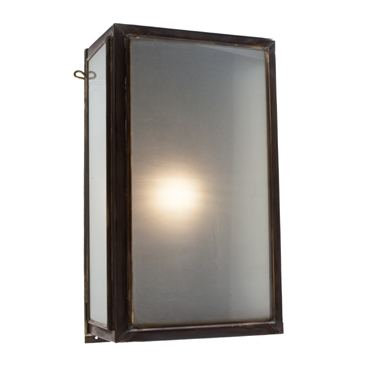
Vintage details can make a house feel curated instead of cookie-cutter. Zillow highlights this because buyers often respond to character, especially when it looks intentional rather than random. Think picture rail molding, vintage-style crown molding, antique mirrors, old brass hardware, or a salvaged light fixture with some soul.
The appeal here is emotional. A home with a few architectural or vintage-inspired details feels layered and memorable. That can help it stand out in photos and in person, which matters when buyers are scrolling through a lot of listings that all start to blur together.
The key is balance. You want charm, not a time capsule that feels one attic trunk away from haunted. Blend old and new. Pair vintage hardware with simple paint. Add one great light fixture instead of ten quirky ones. A little history goes a long way when it is clean, tasteful, and easy to maintain.
5. Install an Outdoor TV
An outdoor TV is one of those upgrades that makes buyers think less about square footage and more about lifestyle. Suddenly the patio is not just a patio. It is game day headquarters, movie night central, and the place where everyone mysteriously decides to stay “just one more hour.”
This idea makes the most sense if your home already has a decent patio, deck, pergola, or covered outdoor area. In that case, an outdoor TV can turn a basic backyard into a functional extension of the living space. That kind of indoor-outdoor appeal is especially powerful in warmer climates and family-oriented neighborhoods.
Still, context matters. A weather-rated setup, tidy wiring, and smart placement are essential. If it looks slapped together, it will not feel luxurious. Done right, though, it can signal that the backyard is not an afterthought. It is part of the home’s everyday value.
6. Erect a Picket Fence
Very few features say “American dream” faster than a picket fence. It frames a yard, creates a sense of order, and adds an immediate visual cue that the property is cared for. It also helps buyers see function: a place for pets, children, gardening, or just a little more privacy from the sidewalk parade.
For resale, the fence works because it defines space. Buyers love that. A defined front or side yard looks purposeful and polished, especially when paired with fresh landscaping and a clean front path. On homes with traditional architecture, a picket fence can make the exterior look complete, like the finishing line finally got crossed.
Keep the style consistent with the house and neighborhood. A neat, classic fence usually beats an elaborate one. And yes, white is iconic, but only if you are willing to keep it crisp. A dingy fence does not whisper charm. It yells weekend chores.
7. Add a Pergola
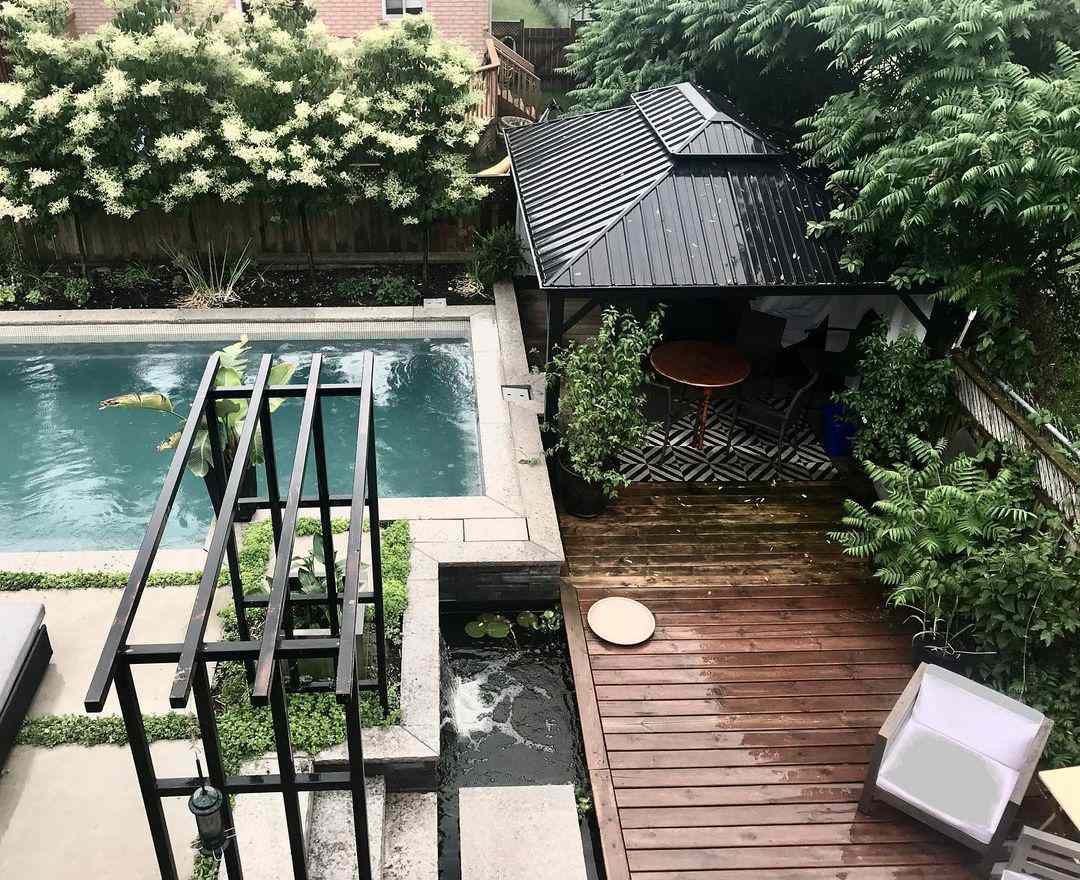
Pergolas have become popular for a simple reason: people want backyards that feel usable, not just grassy. A pergola creates structure, shade, and a destination. Even when it is modest in size, it helps buyers read an outdoor area as a room instead of leftover land.
This kind of upgrade can make a patio feel more finished and upscale without requiring a full hardscape redesign. Add outdoor seating, string lights, or climbing plants, and the space starts selling a mood as much as a feature. Buyers do not just see wood posts. They picture coffee in the morning and dinner outside in the evening.
If you choose this renovation, keep scale in mind. A pergola should fit the lot and complement the home, not overwhelm it. Clean lines and neutral materials usually give you the broadest resale appeal. Think elegant backdrop, not backyard spaceship.
8. Construct a Fire Pit
A fire pit is one of the easiest ways to make an outdoor space feel social. It suggests gathering, relaxation, and those aspirational moments real estate loves: blankets, string lights, snacks, and everyone suddenly becoming an expert marshmallow toaster.
It also has broad appeal because it is flexible. A modest, well-designed fire pit can work in suburban yards, vacation homes, and even smaller outdoor areas if the layout is smart. Compared with a full outdoor kitchen or major patio build, it delivers a lot of atmosphere for far less money and hassle.
Keep safety and style front and center. Choose durable materials, give it proper clearance, and avoid making it so large that it dominates the yard. Buyers want “cozy evening outside,” not “minor volcano installation.”
9. Hook Up an Outdoor Sound System
If an outdoor TV says entertainment, an outdoor sound system says experience. Music in the backyard, audio near the pool, or better sound for movie nights can make a property feel more premium and more thoughtfully designed. Zillow’s inclusion of this feature shows that buyers increasingly notice not just finishes, but how a home supports daily living and fun.
This upgrade works best when it feels integrated. Hidden or discreet speakers, smart controls, and zones that connect smoothly to a phone or home system make the setup feel modern. Tangled cords and oversized speaker boxes, on the other hand, scream “college apartment patio” more than “added value.”
It is also smart to pair this with other outdoor improvements. If you already have a pergola, seating area, or TV, sound completes the package. One isolated gadget rarely transforms a space. A coordinated outdoor setup can.
10. Install Smart Lighting
Smart lighting may be the quiet overachiever on this list. It is relatively affordable, easy to understand, and useful almost immediately. Buyers like upgrades that feel current without requiring a user manual thicker than a phone book, and smart lighting fits that brief nicely.
Inside the house, it can create better ambiance, highlight architectural details, and make rooms feel more upscale. Outside, it improves curb appeal, safety, and that all-important first impression when buyers pull up for a showing. Lighting is also one of the most commonly praised smaller upgrades because it makes a home feel brighter, cleaner, and more move-in ready.
The best smart-lighting approach is simple: focus on entry points, main living areas, kitchen task lighting, and outdoor paths. Buyers love convenience, but they love clarity even more. If the system is easy to use, it reads as a feature. If it feels confusing, it reads as a future Saturday problem.
What These 10 Upgrades Have in Common
The most valuable lesson in Zillow’s list is not just the individual projects. It is the pattern. These upgrades improve one or more of the following: curb appeal, lifestyle, storage, comfort, character, or the feeling that a home is current and well-maintained. That is why they matter.
They also avoid one of the biggest renovation mistakes: overspending in places buyers may not pay you back for. Massive remodels can absolutely be worth it when a home is functionally obsolete or badly dated. But if your house already has a good layout and decent bones, these no-demo renos can often deliver a smarter return in both budget and buyer interest.
If you are preparing to sell, prioritize the upgrades that best match your home’s style, price point, and market. A picket fence may do more for a charming older home than an outdoor TV ever could. Smart lighting may outperform vintage finishes in a sleek newer property. The goal is not to do all 10. The goal is to choose the right few.
Extra Perspective: What Homeowners Usually Experience With No-Demo Renovations
One of the most common experiences homeowners report with no-demo renovations is surprise. Not because the projects are difficult, but because the visual impact is bigger than expected. A person starts with something small, like replacing a light fixture or adding shelving, and suddenly the whole room feels cleaner and more expensive. That shift matters. Homes are emotional spaces, and even minor changes can alter how people experience them every day. A seller may have lived with a “good enough” kitchen for years, only to realize that updated shelving, smarter lighting, and better styling make the space feel 10 years newer without changing the footprint at all.
Another common experience is learning that buyers notice the same things guests notice. They may not compliment your subfloor, but they absolutely notice the front entry, the backyard setup, the lighting, and whether the house looks thoughtfully maintained. That is why projects like window boxes, fire pits, and pergolas often feel so satisfying. They change the mood of a property almost immediately. Owners who invest in these areas often say the home starts feeling more enjoyable before it ever hits the market. That is a bonus worth mentioning. A good upgrade should not only help the next owner. It should make the current owner think, “Wait, why didn’t I do this two years ago?”
There is also a practical lesson people learn fast: simple does not mean sloppy. The best no-demo renovations are usually the ones with solid materials, careful installation, and a consistent design plan. Cheap-looking shelving, awkward outdoor wiring, or trendy finishes that clash with the rest of the home can cancel out the very effect you are trying to create. In real life, homeowners get the best results when they slow down, edit their choices, and think about the entire visual story of the house. Does the upgrade make the home feel more polished? More functional? More inviting? If the answer is yes, you are moving in the right direction.
Many sellers also discover that these smaller projects are psychologically easier to tackle. A full kitchen remodel can trigger budget panic, schedule delays, and the sudden desire to fake your own disappearance. A no-demo update feels manageable. You can do one project at a time. You can test what improves the space. You can stop before your checking account starts writing breakup poetry. That lower stress level matters, especially for owners who are trying to prepare a home for sale while also living in it.
Finally, there is the experience real estate agents mention again and again: homes that feel finished tend to photograph better, show better, and stick in buyers’ minds longer. That does not always require expensive renovations. Sometimes it requires better lighting, more cohesive outdoor space, cleaner lines, and a little charm. Zillow’s list works because it reflects that reality. Buyers are not only purchasing walls and roofs. They are buying a feeling. And no-demo renovations, when chosen wisely, are often the fastest way to improve that feeling without tearing your house apart in the process.
Conclusion
Zillow’s no-demo renovation list is a refreshing reminder that home value is not built only with giant remodels and giant invoices. It can also come from smaller changes that sharpen first impressions, improve daily life, and help buyers picture themselves happily living in the space.
From window boxes and picket fences to pergolas, open shelving, and smart lighting, these upgrades work because they make a home feel more appealing without forcing you into full renovation chaos. Choose the projects that fit your home, your market, and your budget, and you can create meaningful value without ever swinging a sledgehammer.
SEO Tags
Note: This HTML body is publication-ready, written in standard American English, and cleaned to remove unnecessary citation artifacts or placeholder elements.