
If you have ever fallen asleep in the middle of a conversation, during a movie you actually wanted to watch, or while reading the same paragraph for the seventh time, you may have wondered whether something deeper is going on. And if narcolepsy enters the conversation, the next question often sounds refreshingly simple: Can narcolepsy be diagnosed with a blood test?
The short answer is: No, narcolepsy usually cannot be diagnosed with a blood test alone. A blood test may sometimes support the diagnostic process, especially when doctors are looking for a genetic marker associated with narcolepsy type 1, but it is not the main test and it cannot confirm the condition by itself. Narcolepsy is diagnosed through a careful combination of medical history, symptom review, overnight sleep testing, and a daytime nap study called the multiple sleep latency test.
In other words, narcolepsy diagnosis is not a quick “roll up your sleeve and wait for the lab report” situation. It is more like detective work, except the mystery suspect is your sleep-wake system, and the clues include brain waves, REM sleep timing, daytime sleepiness, and whether your muscles suddenly go offline when you laugh at a joke.
What Is Narcolepsy?
Narcolepsy is a chronic neurological sleep disorder that affects the brain’s ability to regulate sleep and wakefulness. People with narcolepsy often experience overwhelming daytime sleepiness, even after what seems like a full night of sleep. This is not ordinary tiredness. It can feel like the brain suddenly hits the “power save mode” button without asking permission.
Narcolepsy can interfere with school, work, driving, relationships, and daily routines. Some people fall asleep unexpectedly. Others stay awake but feel foggy, heavy, and mentally unplugged. The condition is commonly divided into two main types: narcolepsy type 1 and narcolepsy type 2.
Narcolepsy Type 1
Narcolepsy type 1 is usually associated with cataplexy, a sudden loss of muscle tone triggered by strong emotions such as laughter, surprise, anger, or excitement. Cataplexy can be mild, like drooping eyelids or a slack jaw, or more dramatic, like knees buckling. People remain conscious during cataplexy, which makes the experience both strange and understandably alarming.
Type 1 narcolepsy is also closely linked to low levels of hypocretin, also called orexin, a brain chemical that helps maintain wakefulness and stable sleep-wake transitions.
Narcolepsy Type 2
Narcolepsy type 2 involves excessive daytime sleepiness and abnormal REM sleep patterns, but without cataplexy. Hypocretin levels are often normal or unknown in type 2. Because type 2 can resemble other causes of sleepiness, such as insufficient sleep, sleep apnea, depression, medication effects, or circadian rhythm disorders, diagnosis can be more challenging.
So, Can a Blood Test Diagnose Narcolepsy?
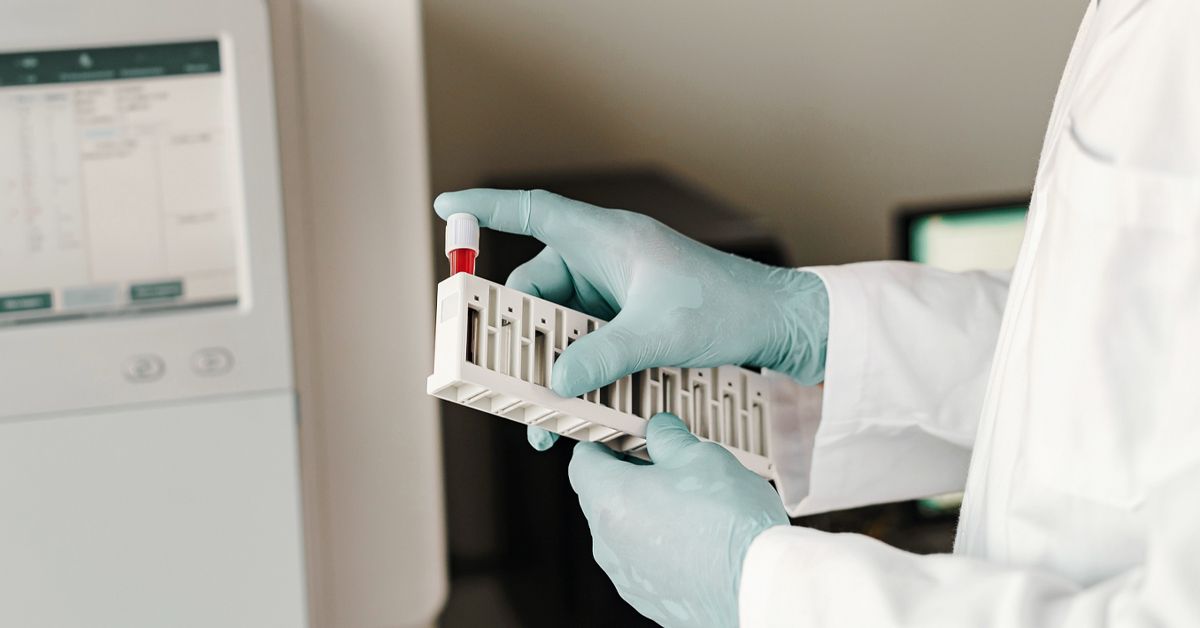
A blood test cannot diagnose narcolepsy by itself. The most common blood-related test discussed in narcolepsy evaluation is genetic testing for a marker called HLA-DQB1*06:02. This marker is strongly associated with narcolepsy type 1, especially in people who have cataplexy. However, association is not the same as diagnosis.
Many people who carry HLA-DQB1*06:02 never develop narcolepsy. At the same time, some people with narcolepsy, especially narcolepsy type 2, may not have this marker. That means a positive blood test does not prove narcolepsy, and a negative blood test does not always rule it out.
Think of the HLA blood test like finding muddy shoes near the door. It might support the theory that someone walked through the garden, but it does not prove who did it, when it happened, or whether the dog was involved. Helpful clue? Yes. Final verdict? Not even close.
What Blood Tests May Be Used During Narcolepsy Evaluation?
Doctors may order blood tests for two broad reasons: to look for genetic markers associated with narcolepsy or to rule out other medical conditions that can cause excessive daytime sleepiness.
HLA Genetic Testing
The HLA-DQB1*06:02 blood test looks for a specific immune-related genetic marker. This marker appears frequently in people with narcolepsy type 1, especially those with cataplexy and low hypocretin levels. Still, because the marker can also appear in people without narcolepsy, it is best understood as a supporting test rather than a diagnostic test.
HLA testing may be useful when symptoms are unclear, when cataplexy is suspected but not obvious, or when a specialist is considering whether more advanced testing is appropriate. It may also help in research settings. But in routine clinical practice, it is not the star of the show. It is more of a supporting cast member with one very specific line.
Blood Tests to Rule Out Other Conditions
Blood work may also be ordered to check for problems that can imitate or worsen sleepiness. These may include thyroid disease, anemia, vitamin deficiencies, metabolic disorders, infections, inflammatory conditions, or medication-related effects. For example, someone with severe daytime fatigue may not have narcolepsy at all; they may have untreated hypothyroidism, iron deficiency, or another condition that needs a different treatment plan.
This is why “Can narcolepsy be diagnosed with a blood test?” is a slightly tricky question. Blood tests can be part of the workup, but they do not replace specialized sleep testing.
How Is Narcolepsy Actually Diagnosed?
Narcolepsy diagnosis usually begins with a detailed medical history. A sleep specialist will ask about daytime sleepiness, sleep schedule, nighttime sleep quality, vivid dreams, sleep paralysis, hallucinations around sleep, cataplexy, medications, mental health, work schedule, and family history. They may also ask you to keep a sleep diary for one or two weeks.
From there, the main diagnostic tests are typically an overnight polysomnogram and a multiple sleep latency test.
Overnight Polysomnography
Polysomnography, often called a sleep study, records what happens while you sleep. It measures brain waves, breathing, blood oxygen levels, heart rate, eye movements, leg movements, and sleep stages. The test is usually performed overnight in a sleep center.
For suspected narcolepsy, the overnight sleep study helps rule out other sleep disorders, especially obstructive sleep apnea, periodic limb movement disorder, or unusual sleep behaviors. This matters because untreated sleep apnea can cause major daytime sleepiness and may confuse the results of the next-day nap test.
Multiple Sleep Latency Test
The multiple sleep latency test, or MSLT, is performed the day after the overnight sleep study. During the MSLT, you are given several scheduled nap opportunities in a quiet room. Sensors monitor how quickly you fall asleep and whether you enter rapid eye movement sleep unusually fast.
People with narcolepsy often fall asleep quickly during these naps and may enter REM sleep much sooner than expected. REM sleep is the stage associated with dreaming, and in most people it does not appear immediately after falling asleep. In narcolepsy, REM can show up early, like an overenthusiastic guest arriving before the party has even started.
The MSLT is one of the most important objective tests for narcolepsy, but it must be done under proper conditions. Poor sleep before the test, irregular sleep schedules, certain medications, untreated sleep apnea, shift work, or substances such as caffeine can affect results. That is why sleep logs, actigraphy, and medication review may be part of preparation.
What About Hypocretin Testing?
Hypocretin testing is not a blood test. It measures hypocretin-1 levels in cerebrospinal fluid, which is collected through a lumbar puncture, also known as a spinal tap. Low hypocretin levels can strongly support a diagnosis of narcolepsy type 1.
Because lumbar puncture is more invasive than a blood draw, it is not usually the first test ordered for every patient. It may be considered in selected cases, such as when cataplexy is present but sleep test results are unclear, when the MSLT cannot be performed properly, or when a specialist needs additional confirmation.
The important takeaway is simple: hypocretin testing can be powerful, but it is not a routine blood test and it is not the same as HLA genetic testing.
Why a Blood Test Alone Is Not Enough
Narcolepsy affects sleep architecture, alertness, REM timing, and neurological control of wakefulness. A standard blood test cannot show whether your brain is entering REM sleep too quickly during daytime naps. It cannot measure how fast you fall asleep in a controlled sleep lab. It cannot capture cataplexy episodes, sleep paralysis, or hallucinations as part of the broader clinical picture.
Blood tests are excellent for many things. They can reveal anemia, infection, inflammation, thyroid problems, glucose abnormalities, vitamin deficiencies, and genetic markers. But diagnosing narcolepsy requires measuring sleep behavior and sleep physiology. You need the sleep data, not just the blood data.
Common Symptoms That May Lead to Testing
People are usually evaluated for narcolepsy after reporting excessive daytime sleepiness that lasts for at least several months and affects daily life. The sleepiness may happen during quiet activities, conversations, classes, meetings, meals, or even while standing still. Many people describe sleep attacks that feel difficult or impossible to resist.
Other symptoms may include cataplexy, sleep paralysis, vivid dream-like hallucinations when falling asleep or waking up, fragmented nighttime sleep, automatic behaviors, and trouble concentrating. Automatic behaviors happen when a person continues an activity while partly asleep, such as writing nonsense notes, placing objects in strange locations, or sending texts that read like they were composed by a sleepy raccoon with thumbs.
Not everyone has every symptom. Some people with narcolepsy do not have cataplexy. Some sleep poorly at night despite being sleepy all day. Some are misdiagnosed for years because symptoms overlap with depression, anxiety, ADHD, chronic fatigue, or lifestyle-related sleep deprivation.
Conditions That Can Be Confused with Narcolepsy
A careful diagnosis matters because many conditions can cause daytime sleepiness. Obstructive sleep apnea is one of the most common. In sleep apnea, breathing repeatedly pauses or becomes shallow during sleep, leading to poor sleep quality and daytime fatigue. Unlike narcolepsy, sleep apnea is usually diagnosed through breathing patterns and oxygen changes during sleep testing.
Insufficient sleep syndrome is another possibility. If someone sleeps five hours a night because of work, school, parenting, gaming, stress, or revenge bedtime procrastination, the body may respond with powerful sleepiness. That is not narcolepsy; that is biology sending an overdue invoice.
Other conditions that may mimic narcolepsy include idiopathic hypersomnia, circadian rhythm sleep-wake disorders, medication side effects, depression, substance use, neurological disorders, and endocrine problems. This is why doctors often combine history, sleep logs, lab tests, and sleep studies before making a diagnosis.
When Should You Ask a Doctor About Narcolepsy Testing?
Consider talking with a healthcare professional if you regularly feel unable to stay awake during the day, fall asleep unintentionally, experience sudden muscle weakness with emotions, have sleep paralysis, or notice vivid hallucinations around sleep. You should also seek help if sleepiness affects driving, school, job performance, safety, or relationships.
If you are worried about narcolepsy, it helps to track your sleep for one to two weeks before your appointment. Write down bedtime, wake time, naps, caffeine use, medications, exercise, alcohol, nighttime awakenings, and episodes of sudden sleepiness. If cataplexy-like events occur, describe what triggered them and what happened to your body.
This information gives your doctor a clearer picture. It also prevents the classic appointment problem where your brain politely deletes every useful detail the moment the clinician asks, “So, what brings you in today?”
Can At-Home Sleep Trackers Diagnose Narcolepsy?
Wearable devices and phone apps can be useful for noticing sleep patterns, but they cannot diagnose narcolepsy. Consumer sleep trackers may estimate sleep duration, movement, heart rate, or sleep stages, but they do not provide the same brain-wave data used in formal polysomnography and MSLT testing.
A smartwatch may help you notice that your sleep schedule is inconsistent or that you are waking up frequently. That information can be useful to discuss with a doctor. But a wearable cannot replace a clinical sleep study. It is a helpful notebook, not a sleep lab strapped to your wrist.
What Happens After Diagnosis?
If narcolepsy is diagnosed, treatment usually includes a combination of lifestyle strategies, safety planning, and medication. Treatment does not cure narcolepsy, but it can greatly improve alertness, reduce symptoms, and help people function better.
Lifestyle strategies may include keeping a consistent sleep schedule, planning short daytime naps, avoiding sleep deprivation, being cautious with alcohol, and creating routines that support nighttime sleep. For students and employees, accommodations may include scheduled nap breaks, flexible timing, recorded lectures, or adjusted workloads.
Medication options vary depending on symptoms and medical history. Some medications promote wakefulness, while others help manage cataplexy, hallucinations, sleep paralysis, or disrupted nighttime sleep. Treatment should always be personalized by a qualified clinician.
Experience-Based Perspective: What the Testing Journey Can Feel Like
For many people, the hardest part of narcolepsy testing is not the sleep lab itself. It is getting to the point where someone takes the sleepiness seriously. People with narcolepsy are often told they are lazy, stressed, bored, unmotivated, or simply not sleeping enough. Some spend years trying more coffee, stricter routines, new pillows, productivity apps, motivational podcasts, and heroic levels of “just push through it.” Unfortunately, narcolepsy is not impressed by motivational podcasts.
The experience often begins with confusion. A person may know they are sleeping, but the sleep does not refresh them. They may feel embarrassed after nodding off in class, during a meeting, or while watching TV with friends. They might laugh hard and suddenly feel their face sag, their knees weaken, or their hands lose grip. Because symptoms can be strange and inconsistent, people may hesitate to bring them up.
Preparing for a sleep study can also feel oddly official, like your bedtime has been promoted to a medical event. You may be asked to keep a sleep diary, wear an actigraphy device, avoid caffeine after a certain time, adjust medications with medical guidance, and arrive at a sleep center in the evening. During the overnight polysomnogram, sensors are attached to your scalp, face, chest, and legs. It may not be the glamorous spa retreat nobody promised, but most people manage to sleep enough for the test to be useful.
The next-day MSLT can be surprisingly boring, which is exactly the point. You are asked to nap several times, with quiet breaks in between. For someone with severe daytime sleepiness, being told to nap in a dark room may feel like the easiest exam ever invented. But there can also be pressure: “What if I do not fall asleep this time? What if the test misses it? What if today is weirdly normal?” These worries are common.
Some patients feel validated when results finally explain years of symptoms. Others feel frustrated if the first test is unclear or if another condition is found instead. Both reactions are reasonable. Sleep medicine can be complex, and a single test does not always capture every lived experience perfectly.
The most useful mindset is to see diagnosis as a process, not a one-day judgment of your entire life. Bring detailed notes. Be honest about sleep habits. Mention medications, caffeine, cannabis, alcohol, shift work, depression, anxiety, and other health conditions. These details are not “bad behavior confessions.” They are data. Good data helps doctors interpret results correctly.
If you suspect narcolepsy, do not rely on an online quiz or a blood test request alone. Ask for a referral to a sleep specialist, especially if you have cataplexy-like symptoms or dangerous sleepiness while driving. The goal is not simply to get a label. The goal is to understand what is happening and build a treatment plan that makes daily life safer, clearer, and less like trying to run modern software on a battery at two percent.
Conclusion
Narcolepsy cannot usually be diagnosed with a blood test alone. A genetic blood test for HLA-DQB1*06:02 may support the evaluation, especially for narcolepsy type 1, but it is not definitive. Many people with the marker never develop narcolepsy, and some people with narcolepsy do not have the marker.
The standard path to diagnosis involves a clinical history, overnight polysomnography, and the multiple sleep latency test. In selected cases, cerebrospinal fluid hypocretin testing may help confirm narcolepsy type 1, but that test requires a lumbar puncture, not a blood draw.
If daytime sleepiness is disrupting your life, the best next step is not guessing, Googling at 2 a.m., or ordering random lab tests. It is talking with a healthcare professional or sleep specialist. With the right evaluation, narcolepsy can be identified, treated, and managed, so your brain stops treating ordinary Tuesdays like surprise nap festivals.