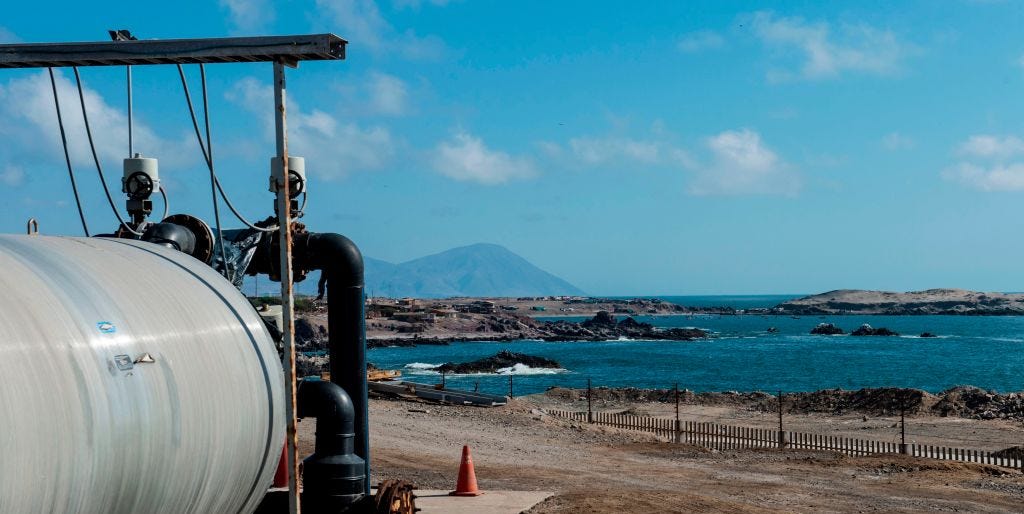

For most of human history, the ocean has been the world’s biggest “look, don’t drink” beverage. It covers more than 70% of the planet, sparkles beautifully in vacation photos, and then immediately betrays you if you try to drink it straight. Seawater is packed with dissolved salts at levels the human body cannot safely process, which is why survival guides have repeated the same boring-but-important warning for generations: do not drink ocean water untreated.
But here is the exciting twist: we may be getting closer to a future where salt water can be turned into safe drinking water more cheaply, efficiently, and conveniently than ever before. Desalination, the process of removing salt and minerals from water, is not new. Large desalination plants already supply drinking water in coastal regions. What feels new is the speed of innovation: solar-powered systems, portable desalination devices, improved reverse osmosis membranes, smarter brine management, and energy-saving technologies are making the idea of safely drinking treated salt water far more realistic.
The keyword here is treated. Nobody should scoop up a cup of ocean water and toast like they just won a pirate lottery. But with the right technology, salt water can become fresh, clean, drinkable water. And in a world facing droughts, population growth, saltwater intrusion, and stressed freshwater supplies, that is not just cool science. It could be a lifeline.
Why Can’t Humans Drink Salt Water Safely?
Seawater is saltyvery salty. The U.S. Geological Survey describes ocean water as containing about 35,000 parts per million of dissolved salts, while fresh water generally contains less than 1,000 parts per million. NOAA also explains that seawater typically contains about 35 grams of dissolved salts per liter. That is a lot of salt for a body that prefers its hydration without a side order of kidney drama.
When people drink seawater, the body has to remove the excess salt. The kidneys can process salt, but only up to a point. Seawater contains more salt than the kidneys can eliminate while preserving enough water in the body. In plain English: drinking seawater can make dehydration worse. It is like trying to put out a campfire with glitter and gasolinetechnically you did something, but not the thing you needed.
That is why the phrase “safely drink salt water” must always come with an asterisk: only after desalination and proper water treatment. Desalinated water must still meet drinking water standards, be protected from contamination, and often be adjusted for taste, minerals, and corrosion control before it reaches taps.
What Is Desalination?
Desalination is the process of removing salts and other dissolved minerals from saline water so it can be used for drinking, irrigation, or industry. The U.S. Department of Energy describes two major approaches: thermal desalination, which uses heat to evaporate and condense water, and membrane-based desalination, which pushes water through materials that allow water molecules through while holding salts and other impurities back.
Reverse Osmosis: The Workhorse of Modern Desalination
The most common modern method is reverse osmosis. In reverse osmosis, salty water is pushed under pressure through a semi-permeable membrane. Water passes through, while much of the salt and many dissolved contaminants are left behind. The EPA notes that reverse osmosis can remove many inorganic compounds, dissolved solids, radionuclides, and synthetic organic chemicals, and it can be used to remove salts from brackish water or seawater.
Reverse osmosis is powerful, but it is not magic. It requires energy, maintenance, pretreatment, and careful handling of the salty leftover concentrate known as brine. In other words, the membrane may be doing the glamorous work, but the pumps, pipes, sensors, operators, and environmental permits are doing the adulting.
Thermal Desalination: Boil, Condense, Repeat
Thermal desalination works by heating water until it evaporates, leaving salts behind, then condensing the vapor into fresh water. This can be useful in places with abundant heat energy, but it can be energy-intensive. Solar thermal desalination tries to solve that problem by using sunlight as the heat source.
Simple solar stills have existed for a long time, but newer designs are much more ambitious. Researchers are working on systems that avoid salt buildup, recover heat more efficiently, and produce more fresh water from the same amount of sunlight. The dream is simple: let the sun do the heavy lifting instead of sending the electric bill to the moon.
Why This Topic Matters Right Now
Freshwater stress is no longer a faraway problem. Coastal aquifers can become saltier because of overpumping and rising seas. Droughts can reduce reservoir levels. Growing cities need more water. Farms need reliable irrigation. Industries need clean process water. Meanwhile, the ocean sits nearby, enormous and annoyingly undrinkable.
Desalination offers a way to diversify water supplies. It is especially useful in coastal communities, islands, ships, disaster zones, remote settlements, and arid regions with brackish groundwater. Brackish water is less salty than seawater but still too mineral-heavy for many uses without treatment. Because brackish water is easier to desalinate than seawater, it is often a practical starting point.
The Bureau of Reclamation’s Brackish Groundwater National Desalination Research Facility in Alamogordo, New Mexico, is one example of how seriously the United States is studying this challenge. The facility supports research into brackish groundwater desalination, renewable energy integration, concentrate management, and systems for rural and Tribal communities.
The Big Breakthroughs Making Salt Water Safer to Drink
1. Portable Desalination Devices
One of the most exciting developments is portable desalination. MIT researchers developed a compact unit weighing less than 10 kilograms that can remove particles and salts to produce drinking water. Unlike many traditional systems, the device does not rely on replacement filters. It uses electrical processes, including ion concentration polarization and electrodialysis, to remove charged particles such as salts.
That matters because filters clog, wear out, and need replacement. A portable device that reduces filter dependence could be useful for remote island communities, emergency response, marine use, and off-grid living. It is not a license to drink from the ocean like a superhero, but it points toward a future where small-scale desalination is less fussy and more accessible.
2. Solar-Powered Desalination
Solar desalination is attractive because many water-stressed regions also have abundant sunlight. MIT researchers have developed solar-powered desalination systems designed to reduce salt buildup and produce fresh water without relying heavily on grid electricity. In 2023, MIT reported a passive solar desalination design that could potentially produce freshwater at very low cost by improving how water circulates and how salt is kept from clogging the system.
In 2024, MIT engineers also reported a solar-powered electrodialysis desalination system that runs directly with solar energy and does not require extra batteries. Tested on groundwater wells in New Mexico, the prototype used more than 94% of the electrical energy generated by its solar panels and produced up to 5,000 liters of water per day under variable weather conditions. That is a serious upgrade from “tiny science fair gadget” territory.
3. Smarter Energy Use
Energy has always been one of desalination’s biggest obstacles. The saltier the water, the harder the system must work. Seawater reverse osmosis typically requires high pressure, and high pressure means energy demand. That is why researchers are focused on better membranes, improved energy recovery devices, smart controls, renewable power, and flexible operation that can respond to electricity prices or solar availability.
Stanford research has explored how water systems, including desalination plants, can shift energy use to support renewable energy adoption. If a plant can adjust operations when solar or wind power is plentiful, it may reduce costs and ease stress on the grid. Water treatment may not sound like a dance partner for renewable energy, but in the clean-energy transition, even pumps need rhythm.
4. Better Brine Management
Desalination does not make salt disappear. It separates fresh water from salty concentrate. That leftover brine must be managed responsibly. If discharged poorly, it can harm local ecosystems by increasing salinity or introducing treatment chemicals into receiving waters.
New approaches aim to reduce brine volume, recover useful minerals, or turn waste streams into valuable products. Stanford researchers have studied ways to transform desalination brine into commercially useful chemicals, which could make desalination more affordable and less environmentally burdensome. The idea is appealing: instead of treating brine as a salty villain, make it pay rent.
5. Public Investment and Research Competitions
Government and laboratory programs are pushing desalination forward. The Department of Energy has funded desalination and water-reuse technology projects, including work on machine learning, energy efficiency, and improved treatment systems. NREL has supported the Solar Desalination Prize, a competition intended to accelerate low-cost solar-thermal desalination systems that can produce clean water from salt water.
These programs matter because desalination is not only a science problem. It is also an engineering, economics, maintenance, policy, and environmental problem. A technology that works perfectly in a lab still has to survive dust, algae, budget meetings, and the mysterious human ability to ignore maintenance manuals.
Real-World Example: Carlsbad Desalination Plant
Desalination is already part of the drinking water supply in parts of the United States. The Claude “Bud” Lewis Carlsbad Desalination Plant in San Diego County is one of the best-known examples. It can deliver more than 50 million gallons of desalinated drinking water per day, helping diversify the region’s water supply.
Large plants like Carlsbad show that seawater desalination can work at municipal scale. They also show why the topic is complicated. Big plants require major infrastructure, energy planning, intake systems, marine-life protections, brine discharge management, and long-term contracts. Desalination is not a faucet you simply attach to the Pacific Ocean. It is a full water-supply system with engineering muscles and paperwork abs.
Is Desalinated Water Healthy?
Properly treated desalinated water can be safe to drink. However, desalination is only one part of drinking water safety. After salts are removed, water may need remineralization, pH adjustment, disinfection, and distribution-system protection. Very low-mineral water can be corrosive to pipes, and flat-tasting water is not exactly winning the “refreshing sip of the year” award.
The EPA lists secondary drinking water standards for factors such as chloride, sulfate, pH, and total dissolved solids. These standards are not all health-based maximum contaminant limits; many relate to taste, odor, color, corrosion, and consumer acceptance. Still, they are important because water people refuse to drink is not very useful, even if it looks technically impressive in a lab report.
In practice, desalinated water is often blended with other water sources or adjusted with minerals before distribution. This helps improve taste, stabilize the water, and meet local standards. The safest desalinated water is not just “salt removed.” It is water that has been tested, treated, monitored, and delivered through a safe system.
Can Desalination Solve the Global Water Crisis?
Desalination can help, but it is not a single magic solution. It works best as part of a broader water strategy that includes conservation, leak repair, wastewater recycling, stormwater capture, groundwater management, and smarter land use. If a city wastes huge amounts of water, building a desalination plant is like buying a bigger bucket while ignoring the hole in the bottom.
Cost is still a major challenge. Seawater desalination generally costs more than using nearby freshwater sources when those sources are available and clean. Energy demand can also increase greenhouse gas emissions unless renewable power or low-carbon electricity is used. Environmental concerns include marine intake impacts, brine disposal, and coastal development pressures.
That said, desalination can be extremely valuable where the alternatives are worse: severe drought, unreliable imports, unsafe wells, or no freshwater source at all. For islands, remote coastal areas, disaster relief, military operations, ships, and drought-prone cities, desalination can provide resilience. It is not the whole toolbox, but it is a very important wrench.
What Would “Safely Drinking Salt Water” Look Like in the Future?
The most realistic future is not everyone carrying a pocket-sized ocean straw. Instead, we may see several types of saltwater-to-drinking-water systems working together.
Community-Scale Solar Desalination
Small coastal towns and off-grid communities could use solar-powered desalination systems that produce enough water for households, clinics, schools, or emergency shelters. These systems would be especially useful where fuel delivery is expensive or unreliable.
Portable Emergency Units
After hurricanes, floods, or infrastructure failures, portable desalination units could help provide emergency drinking water near coastlines. These devices would need to be rugged, simple to operate, and easy to maintain. Nobody in an emergency wants to read a 200-page manual while standing in ankle-deep water.
Brackish Groundwater Treatment
Many inland areas have brackish groundwater. Treating that water can be easier and less energy-intensive than desalinating seawater. Improved brackish-water systems could help rural communities, farms, and water-stressed regions create new local supplies.
Smarter Municipal Plants
Large desalination plants may become cleaner and more flexible by pairing with renewable energy, energy storage, advanced controls, and improved brine management. Future plants may operate more like smart water-energy hubs than simple treatment facilities.
Common Myths About Drinking Salt Water
Myth 1: Boiling Seawater Makes It Safe to Drink
Boiling seawater kills many microbes, but it does not remove salt. In fact, boiling without capturing and condensing the steam leaves the salt behind and can make the remaining water even saltier. To make freshwater through heat, you need distillation: evaporate water, capture the vapor, and condense it into a separate clean container.
Myth 2: A Regular Water Filter Can Remove Salt
Most basic water filters improve taste or remove particles, chlorine, and some contaminants. They do not remove dissolved salts effectively. Removing salt requires technologies such as reverse osmosis, distillation, electrodialysis, or specialized desalination processes.
Myth 3: Desalination Is Always Bad for the Environment
Desalination can have environmental impacts, especially if poorly designed. But newer systems, better intake designs, renewable energy integration, and improved brine handling can reduce those impacts. The question is not whether desalination is perfect. It is whether a specific project is designed, located, powered, and managed responsibly.
Experiences and Lessons from the Saltwater-to-Drinking-Water Journey
When people first hear that we might finally be able to safely drink salt water, the reaction is often a mix of wonder and suspicion. Wonder, because the idea feels like science fiction finally got tired of waiting and showed up for work. Suspicion, because most of us were taught that drinking seawater is dangerous, and that lesson is still correct. The experience of understanding desalination is really the experience of holding two truths at once: untreated seawater is unsafe, but treated seawater can become a dependable drinking water source.
One practical lesson from real-world desalination projects is that water quality is not just about removing one thing. Salt gets the headline, but safe drinking water also requires attention to microbes, metals, chemicals, pH, taste, storage, and pipes. A desalination unit may produce clean water at the outlet, but if that water is stored in a dirty tank or sent through corroded plumbing, the victory parade ends early. The best systems treat water safety as a chain, and every link matters.
Another lesson is that maintenance decides whether technology becomes a solution or a very expensive sculpture. Communities need systems they can operate, repair, and afford over time. A portable desalination device may sound amazing, but it must be durable. A solar desalination unit may be elegant, but it must handle cloudy days, dust, salt buildup, and real users. The ocean is patient. It will keep sending salt. The equipment has to keep showing up.
There is also a social experience that often gets overlooked. People care about taste. Desalinated water can taste different from familiar tap water because the mineral profile changes. Some systems add minerals back or blend desalinated water with other sources. This is not vanity; it affects public trust. If water tastes flat, metallic, or strange, people may reject it even if tests say it is safe. Good water engineering includes chemistry, biology, and a little bit of dinner-table psychology.
In coastal areas, desalination can also change how communities think about resilience. A city that depends heavily on imported water may feel vulnerable during drought. Adding desalinated seawater can provide a locally controlled supply. That does not mean the city should stop conserving water. It means the city has another card in its hand. In a hotter, drier future, having more cards is usually better than staring at an empty reservoir and hoping clouds develop a stronger work ethic.
For individuals, the most useful experience-based takeaway is simple: be excited, but stay realistic. Desalination is promising, not magical. Do not drink untreated seawater. Do not assume every gadget labeled “water purifier” removes salt. Do not confuse emergency improvisation with certified drinking water treatment. But also, do not dismiss the progress. The same ocean that once seemed useless for drinking may become a safer, cleaner water source through better science, smarter energy use, and responsible planning.
The future of drinking salt water safely will probably not arrive as one dramatic invention. It will arrive through many improvements stacking together: better membranes, lower energy demand, solar integration, portable systems, brine recovery, careful regulation, and public trust. In other words, less “miracle machine” and more “a lot of very smart people making water behave.” Honestly, that may be even more impressive.
Conclusion: The Ocean May Finally Join the Drinking Water Team
We might finally be able to safely drink salt waterbut only because technology is getting better at removing the salt, managing the waste, powering the process, and protecting water quality. Desalination is already real. What is changing is its potential to become cleaner, cheaper, smaller, smarter, and more useful in more places.
The promise is enormous. Solar-powered systems could help off-grid communities. Portable units could support disaster response. Brackish groundwater treatment could unlock inland water supplies. Large coastal plants could strengthen drought resilience. But the challenges are real too: energy use, cost, brine disposal, marine impacts, maintenance, and public acceptance.
The future is not about pretending the ocean is a giant sports drink. It is about using science to transform an abundant but unsafe resource into something people can actually use. If we do it responsibly, salt water may become one of the most important backup plans humanity has. The ocean has been holding out on us for a long time. Desalination may finally be how we ask nicelyand bring the right equipment.
Note: This article is for general educational publishing purposes. Untreated seawater is not safe to drink. Salt water should only be consumed after proper desalination, testing, and drinking water treatment.