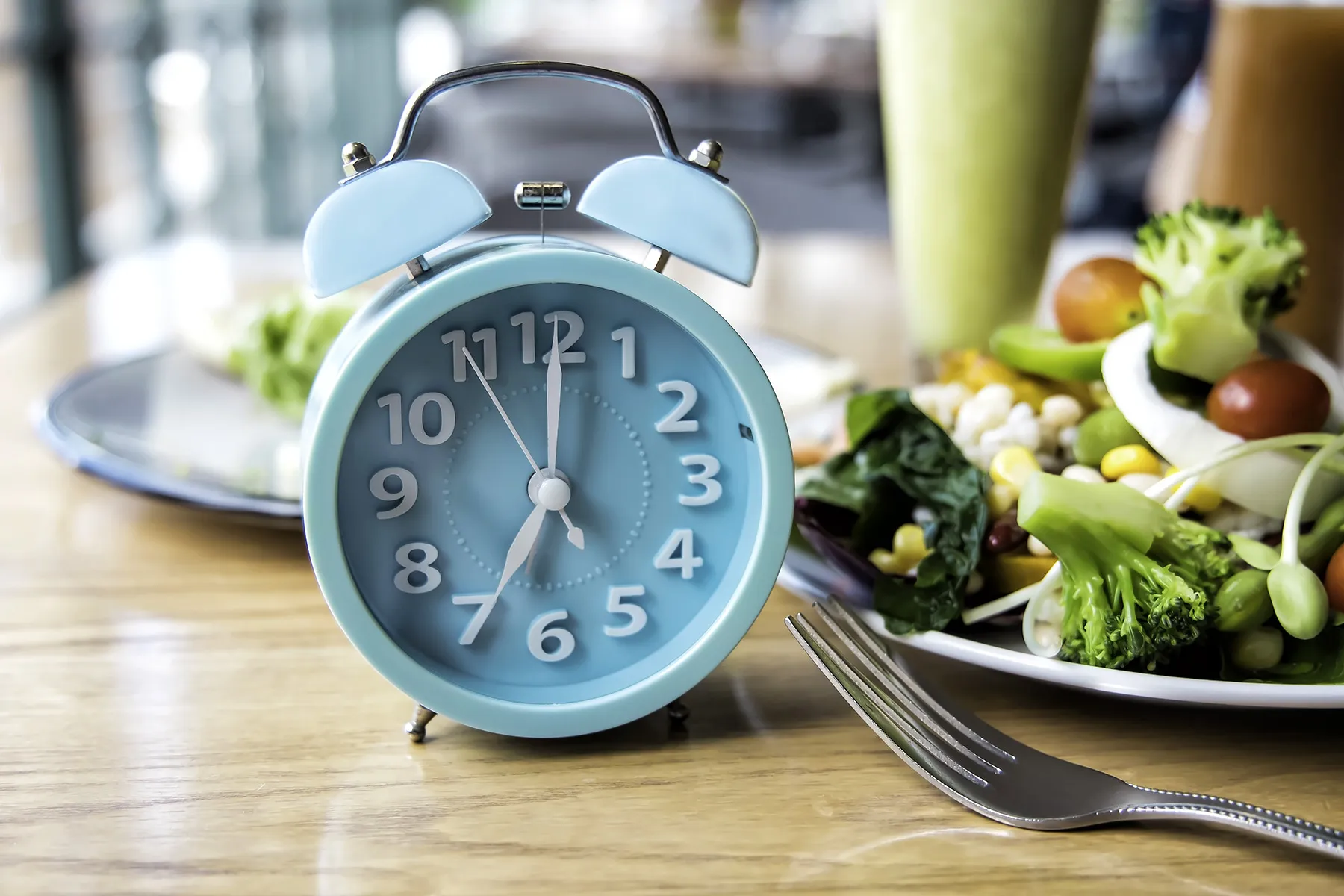

Choosing the best and worst foods for diabetes can feel like trying to read a restaurant menu while someone whispers, “Your pancreas is watching.” The good news? A diabetes-friendly diet is not about chewing plain lettuce while dreaming sadly about bread. It is about building meals that help keep blood sugar steadier, support heart health, provide lasting energy, and still taste like actual food.
Whether you live with type 1 diabetes, type 2 diabetes, prediabetes, or you are simply trying to eat in a way that protects your metabolic health, food choices matter. Carbohydrates, fiber, protein, fats, portion sizes, and meal timing can all influence blood glucose. But no single food is magically perfect or permanently forbidden. The smartest approach is balance: more whole foods, fewer highly processed choices, and a plate that does not look like it was designed by a sugar-loving raccoon.
This guide breaks down the best foods for diabetes, the foods to limit, practical meal examples, and real-world experiences that make healthy eating easier to maintain.
Understanding Food and Blood Sugar
When you eat carbohydrates, your body breaks many of them down into glucose, which enters the bloodstream. For people with diabetes, the body either does not make enough insulin, does not use insulin well, or both. That means blood sugar can rise higher or stay elevated longer than it should.
However, carbohydrates are not the enemy. Quality and quantity matter. A bowl of steel-cut oats with nuts and berries behaves differently in the body than a glazed doughnut and a soda, even though both contain carbohydrates. Fiber, protein, and healthy fats slow digestion and can help prevent sharp blood sugar spikes. Refined grains, sugary drinks, and desserts often move through the body more quickly, causing glucose to rise faster.
A simple way to plan meals is the diabetes plate method: fill half the plate with non-starchy vegetables, one quarter with lean protein, and one quarter with higher-fiber carbohydrates such as beans, lentils, fruit, sweet potato, or whole grains. Add a small amount of healthy fat, drink water or an unsweetened beverage, and suddenly your dinner has structure instead of chaos.
The Best Foods for Diabetes
1. Non-Starchy Vegetables
Non-starchy vegetables are the dependable friends of a diabetes-friendly meal plan. They are rich in fiber, vitamins, minerals, antioxidants, and volume, yet generally lower in carbohydrates and calories. Examples include spinach, kale, broccoli, cauliflower, zucchini, green beans, asparagus, cucumbers, peppers, mushrooms, cabbage, tomatoes, and salad greens.
These foods help you feel full without sending blood sugar on a roller coaster. They also add color and crunch, which matters because nobody wants dinner to look like a beige office carpet. Try roasted broccoli with garlic, a spinach omelet, cauliflower rice, grilled zucchini, or a big salad topped with chicken, beans, or salmon.
2. High-Fiber Whole Grains
Whole grains contain the bran, germ, and endosperm of the grain, which means they usually provide more fiber and nutrients than refined grains. Better choices include oats, quinoa, barley, brown rice, bulgur, farro, whole wheat pasta, and 100% whole grain bread.
Fiber slows digestion and can help support steadier blood sugar. Still, portions count. A giant bowl of brown rice is still a giant bowl of carbohydrates. A practical serving might be about one quarter of your plate, paired with protein and vegetables. For example, try quinoa with grilled chicken and roasted vegetables, oatmeal with chia seeds and berries, or barley in vegetable soup.
3. Beans, Lentils, and Other Legumes
Beans and lentils are excellent foods for diabetes because they combine complex carbohydrates, plant protein, and fiber in one affordable package. Black beans, kidney beans, chickpeas, pinto beans, split peas, and lentils can help make meals satisfying while supporting better blood sugar control than many refined starches.
Add lentils to soup, use chickpeas in a salad, make black bean tacos with corn tortillas and avocado, or blend white beans into a creamy dip. Canned beans are convenient, but choose low-sodium versions when possible or rinse them before eating.
4. Lean Protein
Protein does not usually raise blood sugar the way carbohydrates do, and it helps with fullness, muscle maintenance, and meal balance. Good options include skinless chicken, turkey, eggs, tofu, tempeh, fish, seafood, low-fat cottage cheese, Greek yogurt, and lean cuts of meat.
The goal is not to eat a mountain of protein at every meal. It is to include a reasonable portion that helps slow digestion and keeps hunger from returning 20 minutes later like an unpaid bill. A few examples: eggs with vegetables, turkey lettuce wraps, tofu stir-fry, grilled shrimp salad, or Greek yogurt with nuts and berries.
5. Fatty Fish
Fatty fish such as salmon, sardines, trout, mackerel, and albacore tuna provide protein plus omega-3 fats, which are often recommended as part of a heart-healthy eating pattern. This matters because diabetes and heart disease risk are closely connected.
Try baked salmon with roasted Brussels sprouts, sardines on whole grain toast, tuna salad made with Greek yogurt, or trout with lemon and herbs. Fried fish sandwiches are less ideal because breading and deep-frying add refined carbohydrates and unhealthy fats.
6. Nuts, Seeds, Avocado, and Olive Oil
Healthy fats can make meals more satisfying and flavorful. Nuts, seeds, avocado, and olive oil provide unsaturated fats, and many also contain fiber, magnesium, and other nutrients. Almonds, walnuts, pistachios, chia seeds, flaxseeds, pumpkin seeds, and natural peanut butter can all fit into a diabetes-friendly diet.
Portion size is the catch. Nuts are healthy, but they are not calorie-free fairy dust. A small handful is usually enough. Add sliced avocado to eggs, sprinkle chia seeds into yogurt, drizzle olive oil over vegetables, or use walnuts in oatmeal.
7. Whole Fruits
Fruit often gets unfairly blamed because it contains natural sugar. But whole fruit also contains water, fiber, vitamins, minerals, and antioxidants. Berries, apples, pears, oranges, peaches, kiwi, and cherries can all fit into a diabetes meal plan.
The key is choosing whole fruit instead of fruit juice or oversized servings of dried fruit. A small apple with peanut butter, berries with Greek yogurt, or orange slices with a meal are better choices than a large glass of juice, which can deliver sugar quickly without much fiber.
8. Unsweetened Dairy or Fortified Alternatives
Plain Greek yogurt, low-fat milk, cottage cheese, and unsweetened fortified soy milk can provide protein, calcium, and other nutrients. Choose unsweetened versions when possible because flavored yogurts and coffee drinks can hide a surprising amount of added sugar. A yogurt cup should not require a dessert menu warning label.
Try plain Greek yogurt with berries and cinnamon, cottage cheese with sliced cucumber and pepper, or unsweetened soy milk in a smoothie with spinach and peanut butter.
The Worst Foods for Diabetes, or Foods Best Limited
1. Sugary Drinks
Soda, sweet tea, lemonade, energy drinks, fruit punch, and many fancy coffee drinks can raise blood sugar quickly because liquid sugar is absorbed fast. These drinks also make it easy to consume many calories without feeling full.
Better choices include water, sparkling water, unsweetened tea, black coffee, or water flavored with lemon, cucumber, mint, or berries. If you use a sugar substitute, keep the overall diet balanced and do not use it as an excuse to pair a diet soda with a triple-frosted cupcake “for balance.”
2. Refined Grains
White bread, white rice, regular pasta, many crackers, pastries, and sugary breakfast cereals are often low in fiber and can raise blood sugar faster than whole grain alternatives. They are not automatically poisonous, but they are easy to overeat and usually less filling.
Swap white rice for brown rice, barley, or cauliflower rice. Choose 100% whole grain bread instead of white bread. Try oats instead of sugary cereal. When eating refined grains, keep portions modest and pair them with vegetables and protein.
3. Candy, Desserts, and Sweet Baked Goods
Cakes, cookies, pies, doughnuts, candy bars, and sweet rolls are usually high in added sugars, refined flour, and saturated fat. That combination can affect blood sugar and heart health at the same time, which is like inviting two problems to the same party.
You do not have to swear off dessert forever. Instead, enjoy smaller portions less often, choose desserts after balanced meals rather than on an empty stomach, and consider fruit-based options like berries with whipped ricotta or baked apples with cinnamon.
4. Fried Foods and Fast Food
French fries, fried chicken, onion rings, battered fish, and many fast-food meals can be high in refined carbohydrates, calories, sodium, and unhealthy fats. These foods may also contribute to weight gain and higher cardiovascular risk when eaten frequently.
Choose grilled chicken instead of fried, a side salad instead of fries, or a bowl with vegetables, beans, and lean protein. At home, try air-fried vegetables, baked sweet potato wedges, or oven-crisp chicken with whole grain crumbs.
5. Processed Meats
Bacon, sausage, hot dogs, deli meats, pepperoni, and many cured meats are often high in sodium and saturated fat. People with diabetes already need to pay close attention to heart and kidney health, so processed meats are best kept occasional rather than daily.
Better choices include grilled chicken, turkey breast, fish, eggs, tofu, beans, lentils, or lower-sodium lean deli options when needed. If you love bacon, use a small amount as a flavor accent rather than the main event.
6. High-Sodium Packaged Foods
Frozen dinners, canned soups, instant noodles, chips, processed snacks, and many sauces can contain a lot of sodium. Sodium does not directly raise blood sugar, but it can affect blood pressure, and blood pressure control is especially important for people with diabetes.
Read Nutrition Facts labels, compare brands, and choose lower-sodium versions. Flavor food with herbs, spices, garlic, vinegar, lemon, pepper, salsa, or salt-free seasoning blends.
7. Large Portions of Dried Fruit or Fruit Juice
Dried fruit can be nutritious, but it is concentrated. A small handful of raisins contains far more sugar and carbohydrates than the same visual amount of fresh grapes. Fruit juice is even easier to overdo because it removes much of the fiber and is quickly absorbed.
Whole fruit is usually the better everyday choice. If you use dried fruit, keep the portion small and pair it with nuts or plain yogurt.
Smart Food Swaps for Diabetes
Healthy eating becomes easier when swaps feel realistic. Instead of regular soda, try sparkling water with lime. Instead of white toast with jam, try whole grain toast with avocado and egg. Instead of a giant bowl of pasta, try a smaller portion of whole wheat pasta mixed with vegetables and grilled chicken. Instead of chips, try roasted chickpeas, nuts, or sliced vegetables with hummus.
For breakfast, oatmeal with chia seeds and berries is often better than sugary cereal. For lunch, a salad bowl with salmon, beans, vegetables, and olive oil dressing beats a fried chicken sandwich with fries. For dinner, turkey chili with beans and vegetables can be more blood-sugar friendly than a large pepperoni pizza. The goal is not perfection. The goal is repeated, boringly powerful choices that add up.
How to Build a Diabetes-Friendly Plate
Start with non-starchy vegetables. Add lean protein. Choose one high-fiber carbohydrate. Include a small amount of healthy fat. Then check portions. This formula works for many cuisines and budgets.
For example, a Mediterranean-style plate might include grilled fish, roasted vegetables, a small serving of quinoa, and olive oil dressing. A Mexican-inspired plate might include black beans, grilled chicken, fajita vegetables, salsa, avocado, and a corn tortilla. An Asian-inspired plate might include tofu, stir-fried broccoli, mushrooms, and a small serving of brown rice. A Southern-style plate might include baked chicken, collard greens, roasted okra, and a small sweet potato.
Reading Food Labels Without Losing Your Mind
Nutrition labels are useful once you know what to scan. Look at serving size first because the numbers only apply to that amount. Then check total carbohydrates, fiber, added sugars, saturated fat, trans fat, and sodium. A food with more fiber and less added sugar is often a better choice for blood sugar control.
Ingredient lists matter too. If sugar, corn syrup, white flour, or hydrogenated oil appears near the top, the food may be more processed than it looks. Words like “multigrain,” “natural,” or “made with whole grains” can sound healthy while still hiding refined flour and added sugar. The front of a package is advertising; the back is where the receipts live.
Personal Experiences and Real-Life Lessons About Eating for Diabetes
One of the biggest lessons people learn after trying to eat better for diabetes is that the “perfect diet” usually collapses faster than a paper umbrella in a thunderstorm. Real life includes birthdays, late workdays, family meals, travel, cravings, tight budgets, and days when cooking feels like an Olympic event. The best diabetes-friendly eating plan is not the strictest one; it is the one a person can actually repeat.
A common experience is discovering that breakfast sets the tone for the day. Many people notice that a sweet breakfast, such as a pastry and flavored coffee, leaves them hungry again quickly and may lead to cravings later. A more balanced breakfast, such as eggs with vegetables, Greek yogurt with berries, or oatmeal with nuts, often feels steadier. It is not glamorous, but neither is chasing blood sugar swings before lunch.
Another practical lesson is that vegetables become easier to eat when they are prepared well. Nobody falls in love with broccoli because it was boiled into sadness. Roasting vegetables with olive oil, garlic, pepper, and herbs can completely change the experience. Keeping washed salad greens, frozen vegetables, or pre-cut produce on hand also reduces the friction of healthy eating. Convenience matters because willpower gets tired.
People also learn that carbohydrates are highly personal. One person may handle a small serving of brown rice well, while another sees a bigger glucose rise. Some people do better with beans or lentils than with bread. Others find that walking for 10 to 15 minutes after a meal helps them feel better. Tracking meals and blood sugar, especially with guidance from a healthcare professional, can reveal patterns that generic advice cannot.
Dining out is another real-world challenge. Restaurant portions are often large, sauces can be sweet, and “healthy” salads sometimes arrive wearing enough dressing to qualify as soup. Helpful habits include checking menus ahead of time, asking for sauces on the side, choosing grilled instead of fried foods, splitting large portions, and starting with vegetables or protein before eating the starch. These small moves do not ruin the meal; they simply give blood sugar a better chance.
Family meals can be sensitive too. Nobody wants to be the person at the table explaining glycemic load while everyone else is reaching for mashed potatoes. A gentle approach works better: bring a dish you can enjoy, fill your plate strategically, and avoid turning dinner into a lecture. Healthy eating spreads more easily through example than through food policing.
Finally, many people discover that progress feels less dramatic than restriction but lasts longer. Drinking more water, eating more fiber, reducing sugary drinks, cooking at home a few more times per week, and choosing smaller portions of sweets may not sound exciting. Yet these habits can make a meaningful difference over time. Diabetes-friendly eating is not about being flawless. It is about making the next meal a little better than the last one and remembering that food should support life, not make it miserable.
Conclusion
The best foods for diabetes are usually whole, high-fiber, minimally processed foods: non-starchy vegetables, beans, lentils, whole grains, lean proteins, fatty fish, nuts, seeds, whole fruits, and unsweetened dairy or fortified alternatives. The worst foods for diabetes are better described as foods to limit: sugary drinks, refined grains, sweets, fried foods, processed meats, high-sodium packaged meals, and oversized portions of juice or dried fruit.
A healthy diabetes diet does not require perfection, punishment, or a lifetime ban on birthday cake. It requires awareness, portion control, smart pairings, and consistency. Build balanced plates, read labels, choose fiber-rich carbohydrates, and work with a healthcare provider or registered dietitian for personal guidance. Your blood sugar does not need a celebrity chef. It needs a practical plan, a little patience, and maybe some roasted vegetables that do not taste like regret.