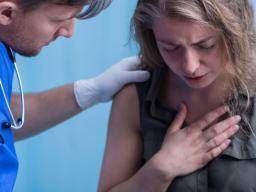

Acute respiratory distress syndrome, often shortened to ARDS and sometimes called wet lung, is one of those medical terms that sounds dramatic because, unfortunately, it is. This is not a “drink some tea and sleep it off” kind of breathing problem. ARDS is a life-threatening lung condition in which fluid leaks into the tiny air sacs of the lungs, making it extremely difficult for oxygen to move into the bloodstream.
Think of the lungs as millions of tiny balloons designed to fill with air. In ARDS, those balloons become inflamed, stiff, and partly flooded. The body starts begging for oxygen, the heart works harder, and organs that depend on oxygenbasically all of themcan begin to struggle. That is why ARDS is treated as a medical emergency, usually in an intensive care unit.
The phrase “wet lung” can be confusing. It does not mean someone swallowed water the wrong way or simply has mucus in the chest. It refers to fluid inside the alveoli, the microscopic air sacs where oxygen exchange happens. When those spaces fill with fluid instead of air, breathing becomes dangerously inefficient.
What Is Acute Respiratory Distress Syndrome?
Acute respiratory distress syndrome is a severe form of lung failure that develops quickly, often within hours to a few days after a serious illness or injury. It is called “acute” because it comes on suddenly. It is called “respiratory distress” because breathing becomes hard, fast, and frightening. And it is called a “syndrome” because it is a pattern of symptoms and findings rather than a single disease with one cause.
ARDS usually happens in people who are already very sick. Many patients are in the hospital for pneumonia, sepsis, trauma, pancreatitis, major surgery, or another serious condition. However, symptoms can sometimes start before a person reaches the hospital, especially after a severe infection or aspiration event.
Why Is ARDS Called Wet Lung?
The nickname wet lung comes from the fluid buildup inside the lungs. In healthy lungs, the alveoli stay mostly dry so oxygen can pass through their thin walls into the blood. In ARDS, inflammation damages the protective barrier between blood vessels and air sacs. Fluid then leaks where it does not belong.
Once fluid enters the alveoli, oxygen has a much harder time crossing into the bloodstream. The lungs also become less flexible, almost like a sponge that has been soaked and squeezed one too many times. Doctors often describe this as reduced lung compliance, which simply means the lungs are stiff and difficult to inflate.
Common Causes of Acute Respiratory Distress Syndrome
ARDS is usually triggered by another serious medical problem. Some causes directly injure the lungs, while others create body-wide inflammation that harms the lungs indirectly.
Direct Lung Injuries
Direct lung injuries are problems that attack the lungs themselves. Common examples include severe pneumonia, aspiration of stomach contents, inhalation of smoke or toxic chemicals, near drowning, and major chest trauma. In these cases, the lungs are first in line for damage, which is a terrible place to be in line unless free pizza is involved.
Indirect Lung Injuries
Indirect causes begin elsewhere in the body but still lead to lung inflammation. Sepsis is one of the most common triggers. Other possible causes include severe pancreatitis, massive blood transfusion, drug overdose, major burns, and serious injuries from accidents.
One important point: ARDS itself is not contagious. If ARDS develops after pneumonia, influenza, COVID-19, or another infection, that underlying infection may be contagious, but ARDS is the body’s severe inflammatory responsenot a germ you can pass across a dinner table.
Who Is at Higher Risk?
Anyone can develop ARDS after a severe enough illness or injury, but some people have a higher risk. Older adults, people with chronic lung disease, smokers, those with heavy alcohol use, and patients with weakened immune systems may be more vulnerable. People with sepsis, severe pneumonia, or major trauma are also at increased risk.
Risk does not mean destiny. Many people with pneumonia or serious injuries never develop ARDS. Still, knowing the risk factors helps doctors watch closely for early signs, especially when oxygen levels begin to fall despite treatment.
Symptoms of ARDS
Symptoms of acute respiratory distress syndrome can develop quickly and may become severe in a short time. The most noticeable symptom is intense shortness of breath. A person may breathe rapidly, feel unable to get enough air, or appear anxious and exhausted from the effort of breathing.
Other symptoms may include rapid heartbeat, low blood pressure, confusion, extreme fatigue, bluish lips or fingernails, and low oxygen levels measured by a pulse oximeter. Some people also have fever, cough, chest discomfort, or symptoms related to the condition that caused ARDS, such as infection or trauma.
Any sudden or severe breathing difficulty should be treated as an emergency. If someone is gasping, turning blue, confused, or unable to speak full sentences, it is time to call emergency services. The lungs are not a “wait and see” department.
How Doctors Diagnose ARDS
There is no single magic test for ARDS. Diagnosis usually involves a combination of medical history, physical examination, oxygen measurements, imaging, and tests to rule out other causes of fluid in the lungs, especially heart failure.
Oxygen Testing
Doctors check oxygen levels using pulse oximetry and arterial blood gas testing. A pulse oximeter clips onto a finger and estimates oxygen saturation. An arterial blood gas test measures oxygen and carbon dioxide more precisely from a blood sample taken from an artery.
Chest Imaging
A chest X-ray or CT scan may show widespread fluid or inflammation in both lungs. In ARDS, imaging often reveals cloudy areas that reflect fluid-filled or collapsed air spaces.
Finding the Underlying Cause
Because ARDS is usually a complication, doctors also look for the trigger. They may order blood cultures, sputum tests, heart tests, infection panels, kidney and liver function tests, and other studies depending on the patient’s condition.
Treatment for Acute Respiratory Distress Syndrome
Treatment focuses on two major goals: getting enough oxygen into the body and treating the underlying cause. ARDS care usually takes place in an ICU because patients may need close monitoring, advanced breathing support, and rapid response if the condition worsens.
Oxygen Therapy
Milder cases may start with supplemental oxygen through a mask or nasal cannula. If oxygen levels remain too low, doctors may use high-flow oxygen systems or noninvasive ventilation. Severe ARDS often requires a mechanical ventilator.
Mechanical Ventilation
A ventilator helps move air in and out of the lungs while the body heals. Modern ARDS treatment uses lung-protective ventilation strategies, including lower tidal volumes, to reduce further lung injury. In plain English: the machine helps the lungs breathe without overinflating them like a party balloon at a toddler’s birthday.
Prone Positioning
For some patients, lying face downcalled prone positioningcan improve oxygen flow. It may sound simple, but in the ICU this is a carefully managed medical technique involving trained staff, tubes, monitors, and a lot of coordination.
Fluids and Medications
Fluid management is important because too much fluid can worsen lung swelling, while too little can harm blood pressure and organ function. Doctors may use antibiotics for bacterial infections, medications to support blood pressure, blood thinners to reduce clot risk, sedatives for comfort on a ventilator, or corticosteroids in selected cases.
ECMO for Severe Cases
In the most severe cases, extracorporeal membrane oxygenation, or ECMO, may be considered. ECMO is a specialized treatment that pumps blood outside the body, adds oxygen, removes carbon dioxide, and returns the blood. It gives the lungs time to rest, but it is complex and used only for carefully selected patients.
Possible Complications
ARDS can affect more than the lungs. Low oxygen levels may damage the brain, heart, kidneys, liver, and other organs. Patients can develop blood clots, infections, collapsed lung, muscle weakness, delirium, or complications related to long ICU stays.
Even after survival, recovery can be slow. Some people experience reduced lung function, fatigue, memory problems, anxiety, depression, or post-traumatic stress after intensive care. Surviving ARDS is a victory, but the recovery road may have potholes, speed bumps, and the occasional emotional flat tire.
Recovery After ARDS
Recovery varies widely. Some patients improve in weeks, while others need months or longer to regain strength. The lungs can heal remarkably well, but muscle loss from bed rest, nerve weakness, and emotional stress may linger.
Pulmonary rehabilitation can help. This may include breathing exercises, supervised physical activity, education, nutrition support, and strategies to rebuild endurance. Family support also matters. Encouragement, patience, and practical help can make daily recovery feel less overwhelming.
Can ARDS Be Prevented?
Not every case can be prevented, but risk can sometimes be lowered. Treating infections early, getting recommended vaccines, avoiding smoking, limiting alcohol misuse, managing chronic disease, and seeking medical care for severe breathing symptoms may reduce the chance of serious complications.
In hospitals, prevention includes careful ventilator settings, infection control, early treatment of sepsis, safe transfusion practices, and close monitoring of high-risk patients. ARDS prevention is not glamorous, but neither is a smoke alarmand both can save lives.
When to Seek Emergency Help
Seek emergency medical care immediately if someone has severe shortness of breath, blue lips or fingertips, confusion, chest pain, rapid breathing, fainting, or oxygen levels that remain low. ARDS can worsen quickly, and early medical treatment gives the best chance of survival.
People recovering from pneumonia, sepsis, major injury, or surgery should also take breathing changes seriously. A sudden need to sit upright to breathe, worsening fatigue, or inability to walk short distances without gasping should not be brushed off as “just being tired.” Sometimes the body whispers before it shouts.
Living Through ARDS: Experience-Based Insights
For patients and families, acute respiratory distress syndrome can feel like a storm that arrives without knocking. One day the main concern may be pneumonia, infection, or injury; the next, doctors are talking about oxygen levels, ventilators, ICU care, and lung inflammation. The speed of it can be shocking.
A common experience for families is confusion. ARDS is not as familiar as heart attack or stroke, so loved ones may wonder, “How did fluid get into the lungs?” or “Why can’t they just drain it?” The answer is that ARDS is not a simple puddle sitting in the chest. It is microscopic leakage and inflammation throughout the lung tissue, which makes treatment more complicated than removing fluid with a tube.
Patients who remember the early stage often describe air hungera frightening feeling that no breath is deep enough. Some recall masks, alarms, bright lights, or people speaking urgently around them. Others remember very little because sedation, severe illness, or delirium blurred the timeline. Both experiences are normal. The ICU is not exactly a spa weekend with worse lighting; it is a high-intensity environment designed to keep people alive.
Families can help by keeping a notebook of updates, questions, medication changes, and daily progress. In stressful moments, memory becomes slippery. A notebook can turn medical fog into a clearer timeline. Useful questions include: What caused the ARDS? How are oxygen levels today? Is the ventilator support improving? Are there signs of infection? What complications are being watched for? What can family members do right now?
After ICU discharge, many survivors expect to feel instantly grateful and energetic. Gratitude may be there, but so may weakness, fear, frustration, and grief. Walking to the bathroom can feel like hiking a mountain while wearing invisible ankle weights. Muscles shrink quickly during critical illness, and rebuilding them takes time. Progress may look tiny from the outside but enormous to the person living it.
Breathing exercises, physical therapy, balanced meals, sleep routines, and follow-up appointments all matter. So does mental health care. Nightmares, anxiety, depression, and fear of getting sick again are common after serious ICU stays. Talking with a counselor, joining a support group, or discussing symptoms with a doctor can be part of recovery, not a sign of weakness.
Caregivers need care too. Watching someone struggle to breathe can leave emotional bruises. Families may feel guilty for resting, eating, or leaving the hospital, but burnout helps no one. Rotating visits, accepting help, and taking breaks are practical acts of love.
The most hopeful part is that many ARDS survivors do improve. Recovery may be slow, uneven, and occasionally annoying enough to make a saint grumble, but improvement is possible. The key is patience, medical follow-up, rehabilitation, and realistic expectations. ARDS may interrupt life loudly, but for many people, it does not get the final word.
Conclusion
Acute respiratory distress syndrome, or wet lung, is a serious and fast-moving condition in which inflammation and fluid buildup prevent the lungs from delivering enough oxygen to the body. It often develops after severe illness or injury, especially pneumonia, sepsis, aspiration, trauma, or major inflammation. Treatment usually requires ICU care, oxygen support, and careful management of the underlying cause.
Although ARDS can be life-threatening, modern critical care has improved how doctors support the lungs while the body heals. The best outcomes often depend on early recognition, expert treatment, prevention of complications, and strong rehabilitation after survival. If breathing suddenly becomes severe, strained, or frightening, do not negotiate with your lungs. Get emergency help.