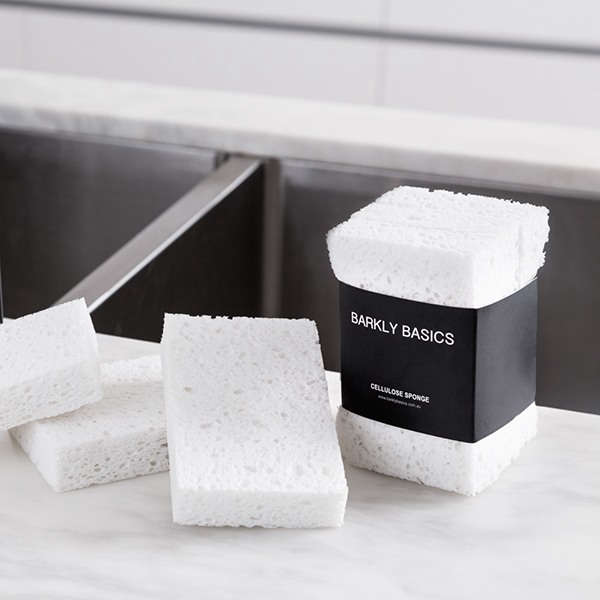

An all white cellulose sponge may not sound like the star of the cleaning aisle, but give it one stubborn coffee ring, one drippy countertop, or one post-pancake pan situation, and suddenly this humble little square becomes the kitchen MVP. It is simple, soft, absorbent, usually affordable, and refreshingly free of the neon “cleaning product fashion show” colors that make some sink areas look like a toy box exploded.
At its core, a cellulose sponge is made from cellulose, a plant-based material commonly derived from wood pulp. The “all white” part refers to its clean, undyed appearance, which appeals to households, restaurants, spas, craft studios, and anyone who likes their cleaning tools to look calm, minimal, and professional. But this sponge is more than a pretty face. It can soak up spills, wipe delicate surfaces, help wash dishes, clean bathroom counters, support craft projects, and even serve as a soft facial or cosmetic sponge when designed for personal care use.
This guide explains what an all white cellulose sponge is, why people choose it, how to use it safely, how it compares with synthetic sponges, and how to make it last without turning it into a tiny swamp creature beside the sink.
What Is an All White Cellulose Sponge?
An all white cellulose sponge is a cleaning or personal-care sponge made primarily from cellulose fibers. Cellulose is the structural material found in plant cell walls, and in sponge manufacturing it is often processed from wood pulp into a flexible, porous sheet or block. The result is a lightweight sponge with tiny holes that hold water and cleaning solution remarkably well.
The white color gives it a clean, neutral look. Some cellulose sponges are dyed yellow, blue, pink, or green, but an all white version is popular when appearance matters. It blends nicely into modern kitchens, spa rooms, medical-adjacent environments, cleaning kits, minimalist homes, product photography, and commercial supply closets where color coding is not needed.
Unlike many polyurethane foam sponges, cellulose sponges are plant-based and often marketed as biodegradable or compostable, depending on the exact formulation and any added materials. That makes them appealing to people who want a more eco-conscious cleaning sponge without switching to a product that feels unfamiliar in the hand.
Why Choose an All White Cellulose Sponge?
It Looks Clean and Professional
Let’s be honest: color matters more than we pretend. A bright yellow sponge can do the job, but an all white sponge has a fresh, tidy, almost hotel-housekeeping feel. It looks especially good in white kitchens, marble bathrooms, open shelving, spa treatment rooms, and product displays. It does not shout from the sink. It politely whispers, “I have my life together.”
It Is Highly Absorbent
Cellulose sponges are known for absorbency. Their porous structure allows them to soak up water, soap, and light messes quickly. This makes them useful for wiping counters, cleaning dishes, drying small spills, removing residue from sinks, and rinsing surfaces after cleaning sprays are used.
It Is Gentle on Many Surfaces
A plain cellulose sponge without an abrasive scrub layer is usually soft enough for glassware, ceramic dishes, stainless steel appliances, laminate counters, tile, sealed stone, and painted surfaces. Of course, “gentle” does not mean “magic.” You should still test delicate materials first, especially natural stone, glossy paint, vintage finishes, and specialty coatings.
It Supports a More Minimal Cleaning Routine
The all white cellulose sponge fits neatly into the trend of simple, practical cleaning tools. Instead of buying a separate gadget for every crumb, drip, and mystery stain, many people use a basic cellulose sponge for daily maintenance. Add mild dish soap, warm water, and a little common sense, and you can handle most everyday household messes.
Common Uses for an All White Cellulose Sponge
Kitchen Cleaning
The kitchen is where cellulose sponges earn their rent. Use an all white cellulose sponge to wipe countertops, rinse plates, clean appliance handles, remove crumbs from tables, and absorb small spills. It is especially handy for non-greasy daily cleaning, such as wiping a coffee station, cleaning a breakfast bar, or refreshing the sink after dishes.
For food safety, avoid using the same sponge on raw meat juices and then on dishes or counters. That is not multitasking; that is cross-contamination wearing a tiny sponge costume. Use disposable towels or dedicated washable cloths for raw meat spills, then clean and sanitize the surface properly.
Bathroom Surfaces
An all white cellulose sponge works well on bathroom counters, sinks, faucets, shower ledges, soap dishes, and tile walls. Because it holds water well, it is useful for rinsing away toothpaste marks, soap residue, and dust. Keep bathroom sponges separate from kitchen sponges, ideally in clearly labeled areas. A sponge should have a career path, not a confusing identity crisis.
Delicate Cleaning Jobs
Because cellulose sponges are soft when wet, they can be helpful for delicate cleaning tasks. They can wipe glass shelves, ceramic decorations, smooth cabinet fronts, and certain craft materials. White cellulose sponges are also popular in settings where color transfer is a concern, although users should still confirm that the sponge is dye-free and suitable for the intended surface.
Crafts, Painting, and DIY Projects
Cellulose sponges are not just for cleaning. Artists and DIY fans use them for sponge painting, faux finishes, watercolor effects, clay work, paper crafts, and texture stamping. An all white sponge makes it easier to see the paint or pigment being applied, which is helpful when mixing colors or working with light tones.
Facial and Personal Care Use
Some cellulose sponges are designed specifically for facial cleansing, makeup removal, or spa treatments. These are usually thinner, softer, and packaged for personal care. Do not automatically use a household cleaning sponge on your face. Your cheeks deserve better than the same tool that fought yesterday’s spaghetti sauce.
All White Cellulose Sponge vs. Synthetic Sponge
The main difference between cellulose and many synthetic sponges is material. Cellulose comes from plant-based fibers, while common synthetic sponges are often made from petroleum-based polyurethane foam. Both can clean, absorb, and scrub depending on design, but cellulose has a stronger eco-friendly reputation because it is derived from renewable plant material.
In feel, cellulose sponges often become very soft and flexible when wet. They may dry stiff, then soften again after rinsing. Synthetic foam sponges often stay springy whether wet or dry. Cellulose tends to absorb water quickly, while some synthetic foams are designed for durability, heavy scrubbing, or specialized cleaning.
If you want a natural-looking, absorbent, biodegradable-style sponge for everyday wiping, an all white cellulose sponge is a strong choice. If you need aggressive scrubbing for baked-on cookware, you may prefer a sponge with a scrub pad or a separate brush. The smartest cleaning setup often includes both: a gentle cellulose sponge for wiping and a tougher tool for the “who burned cheese onto this pan?” moments.
How to Choose the Best All White Cellulose Sponge
Check the Material
Look for sponges made from cellulose or plant-based fibers. Some products combine cellulose with cotton, synthetic mesh, scrub layers, or antimicrobial treatments. Those additions can be useful, but they may affect biodegradability and surface compatibility.
Choose the Right Thickness
Thicker sponges are great for dishes, counters, and bigger spills. Thin sponge cloths are better for wiping wide surfaces, drying quickly, and replacing paper towels for light cleanup. Facial cellulose sponges are usually thin, soft, and compressed when dry.
Consider Texture
A plain smooth sponge is best for delicate surfaces. A textured sponge may clean more effectively but can be less gentle. If the sponge has a scrub side, check whether it is non-scratch before using it on glass, stainless steel, nonstick pans, or glossy finishes.
Look for Low-Lint Performance
For glass, mirrors, appliances, and display surfaces, a low-lint sponge is helpful. White cellulose sponge cloths are especially popular for streak-conscious cleaning because they absorb well and can leave fewer fibers behind than some paper towels.
Buy Multipacks for Rotation
Sponges should be replaced regularly, especially in the kitchen. Buying a multipack lets you rotate fresh sponges without treating each one like a rare museum artifact. A sponge is a tool, not a family heirloom.
How to Use an All White Cellulose Sponge Properly
Before first use, rinse the sponge thoroughly under warm water. Many cellulose sponges are compressed or slightly stiff when dry, and water helps them expand and soften. Add a small amount of dish soap or cleaning solution if needed, then squeeze the sponge several times to distribute the liquid.
For daily cleaning, use light pressure. Let the sponge and cleaner do the work. Scrubbing harder is not always better; sometimes it only makes your wrist dramatic. After cleaning, rinse the sponge well, squeeze out excess water, and place it somewhere with good airflow. A sponge left flat in a puddle becomes a bacteria vacation resort, and nobody wants that itinerary.
Cleaning, Sanitizing, and Replacing Your Sponge
Kitchen sponges can collect food particles, moisture, and bacteria. That is true whether the sponge is white, yellow, fancy, cheap, plant-based, or shaped like a smiling octopus. The solution is not fear; it is good routine.
After each use, rinse the sponge thoroughly with hot water, squeeze it out, and let it dry in a ventilated holder. Do not leave it soaking in the sink. For extra sanitation, some household guidance supports using a dishwasher cycle with heat drying or microwaving a wet, plain sponge without metal parts. Always make sure the sponge is wet before microwaving, and never microwave sponges with metallic scrubbers or unknown synthetic components.
Bleach solutions can also sanitize surfaces and tools when mixed and used correctly, but bleach should never be mixed with ammonia, vinegar, or other cleaners. Use ventilation, follow the product label, and rinse items as appropriate. If a sponge smells bad, feels slimy, falls apart, or looks permanently stained, replace it. In busy kitchens, replacing a sponge every one to two weeks is a practical habit. In lighter-use areas, it may last longer, but odor and texture are your warning signs.
Pros and Cons of an All White Cellulose Sponge
Pros
An all white cellulose sponge is absorbent, soft, simple, attractive, and versatile. It works well for everyday cleaning, supports a clean visual style, and is often made from renewable plant-based material. It can be used in homes, offices, restaurants, salons, spas, craft rooms, and hospitality settings. Its neutral color also makes it easy to pair with minimalist or color-coded cleaning systems.
Cons
The same white color that looks beautiful can show stains quickly. Tomato sauce, coffee, turmeric, and mystery refrigerator liquid will all leave evidence. Cellulose sponges also need proper drying and regular replacement. They are not ideal for every heavy-duty job, and plain versions may not remove baked-on grime without help from a scrubber or soaking time.
Eco-Friendly Value: Is Cellulose Really Better?
Cellulose sponges are often considered more environmentally friendly than conventional plastic foam sponges because they come from plant-based fibers and may biodegrade more readily under the right conditions. However, the exact environmental impact depends on the full product: added scrub layers, packaging, dyes, antimicrobial chemicals, transportation, and disposal method all matter.
An all white cellulose sponge may be a better choice for shoppers trying to reduce synthetic materials in their cleaning routine. To make it even more sustainable, use it fully, care for it properly, avoid throwing it away too soon, and choose minimal packaging when possible. Sustainability is rarely about one perfect product. It is usually about dozens of small, less-wasteful decisions that add up quietly, like compound interest but with fewer spreadsheets.
Specific Examples: Where an All White Cellulose Sponge Shines
In a white kitchen, this sponge looks clean beside a ceramic soap dispenser and stainless faucet. In a restaurant prep area, it can be used as a dedicated surface-wiping sponge when sanitation routines are clearly followed. In a spa, a soft white cellulose sponge can support facial or body treatments if it is specifically manufactured for personal care. In a craft studio, it can create cloud-like paint textures, soften watercolor edges, or clean tools between colors.
It is also a great choice for product photographers and home organizers. Brightly colored cleaning tools can distract from a tidy sink setup, while an all white sponge keeps the visual mood calm. Yes, we have reached the point where even sponges have an aesthetic. The internet did this, and honestly, the sponge is handling fame pretty well.
Experience Section: Real-Life Lessons From Using an All White Cellulose Sponge
The first thing you notice about an all white cellulose sponge is not performance. It is appearance. It looks unusually clean before it does anything, like it arrived early to the chore and read the instruction manual. On a kitchen counter, especially one with a neutral or modern design, it feels less visually noisy than a bright green or yellow sponge. That may sound like a small detail, but small details are exactly what make a kitchen feel organized instead of chaotic.
In everyday use, the biggest strength is absorbency. A white cellulose sponge handles coffee drips, water rings, countertop crumbs, and sink splashes quickly. It softens fast under warm water and feels comfortable in the hand. When paired with a mild dish soap, it produces enough lather for plates, mugs, and utensils without needing a mountain of soap. For lightly soiled dishes, it works smoothly. For pans with cooked-on sauce, it performs better after a soak or with a separate scrubber.
The second lesson is that white is honest. Very honest. If you wipe tomato sauce, the sponge tells the story. If you clean up coffee, it keeps receipts. That is not necessarily bad. In fact, it can be useful because it reminds you when the sponge needs rinsing, sanitizing, or replacing. A dark sponge may hide grime longer, but hidden grime is still grime. The all white sponge has no poker face, and in a kitchen, that can be a benefit.
Another pleasant surprise is how well it works outside the kitchen. In a bathroom, it is excellent for wiping toothpaste from the sink, cleaning around faucets, and refreshing tile ledges. In a home office, a barely damp sponge can remove light dust from washable desk surfaces. In a craft area, it becomes a texture tool for paint and paper projects. One sponge can do many jobs, but the important rule is separation. A kitchen sponge should stay in the kitchen. A bathroom sponge should stay in the bathroom. A craft sponge covered in blue paint should not suddenly become a dish sponge unless you enjoy explaining abstract art on dinner plates.
Drying is the habit that changes everything. When the sponge is rinsed, squeezed firmly, and stored upright in a draining holder, it stays fresher longer. When it is left in the sink, it quickly develops that unpleasant damp smell that says, “I have seen things.” The best routine is simple: rinse, squeeze, air dry, repeat. Once a week, sanitize it using a safe method suitable for the sponge type. Replace it when it smells, tears, becomes slimy, or starts looking like it survived a camping trip.
Overall, the all white cellulose sponge feels like a practical upgrade, not a luxury gimmick. It does not clean your house by itself, unfortunately. It will not fold laundry, answer emails, or convince your family to stop leaving cups everywhere. But for daily wiping, gentle cleaning, and a cleaner-looking sink area, it earns its place. It is affordable, useful, attractive, and simplefour qualities that are surprisingly hard to find in one tiny rectangle.
Conclusion
An all white cellulose sponge is a small product with a surprisingly wide range of benefits. It is absorbent, gentle, plant-based, visually clean, and suitable for many everyday cleaning tasks. Whether you use it in the kitchen, bathroom, craft room, spa, or cleaning kit, its value comes from simplicity. It does not need flashy colors or complicated claims to be useful.
The key is choosing the right sponge for the job, keeping it clean, drying it properly, and replacing it regularly. Use plain cellulose for gentle wiping, add a scrubber for tougher messes, and avoid cross-contamination by assigning sponges to specific areas. With smart care, an all white cellulose sponge can make daily cleaning easier, tidier, and just a little more stylish. Not bad for something that spends most of its life next to the sink.
Note: This article is written for web publication and synthesizes real product, material, cleaning, hygiene, and household-care information into original, reader-friendly content.