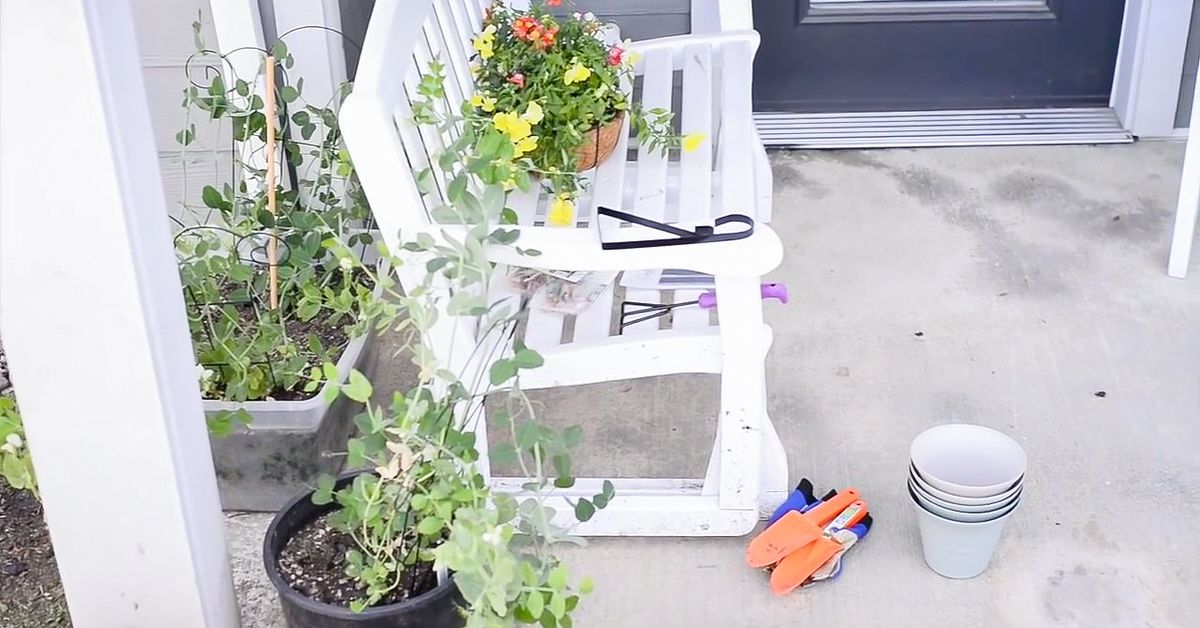

Note: Before starting an apartment patio garden, check your lease, balcony rules, weight limits, drainage restrictions, and local weather. Plants are wonderfully chill. Property managers, less so.
You do not need a backyard, a shed full of tools, or a suspiciously expensive “artisan watering vessel” to grow a beautiful garden. An apartment patio garden on a budget can be simple, productive, and surprisingly stylish. With a few containers, smart plant choices, decent potting mix, and a plan that respects your space, sunlight, and wallet, even a tiny patio can become a green little escape.
The trick is not to buy everything at once. That is how a person goes to the garden center for basil and leaves with a lemon tree, three decorative frogs, and financial questions. Instead, start small. Choose plants that match your light. Reuse containers safely. Spend money where it matters most: drainage, potting mix, and healthy plants or seeds. The rest can be handled with creativity, patience, and maybe one slightly ugly bucket that becomes charming once a tomato plant moves in.
Why Apartment Patio Gardening Is Worth It
A patio garden does more than make your outdoor space look cute. It can give you fresh herbs for dinner, colorful flowers for mood therapy, leafy greens for salads, and a reason to step outside before checking your phone for the 47th time. Container gardening is especially useful for renters because it is movable, scalable, and does not require permanent changes to the property.
It also helps you learn gardening without taking on too much. A backyard bed can feel like a full-time job with bees. A patio garden is more like a friendly hobby that occasionally asks for water. You can grow one pot of mint, a few balcony flowers, a compact pepper plant, or a full container vegetable garden depending on your budget and available sunlight.
Start With a Simple Patio Garden Plan
Before buying plants, spend a day observing your patio. Notice when direct sunlight hits the space and how long it stays. South- and west-facing patios usually get more sun and heat, while north- and east-facing spaces tend to be cooler and shadier. This matters because plant success begins with light, not wishful thinking.
Match Plants to Your Sunlight
For a sunny patio with about six or more hours of direct light, consider tomatoes, peppers, basil, rosemary, thyme, marigolds, zinnias, or compact cucumbers. For a patio with three to five hours of light, try lettuce, spinach, parsley, chives, mint, begonias, coleus, or pansies. If your patio is mostly shaded, focus on foliage plants, herbs that tolerate partial shade, and shade-friendly annuals rather than forcing tomatoes to live their saddest lives.
Set a Realistic Budget
A budget patio garden can start with just a few essentials. For a very small setup, choose two or three containers, one bag of quality potting mix, one packet of seeds or a few starter plants, and a basic watering can. If you have more room, build slowly by adding vertical supports, hanging baskets, or a small shelf. The goal is not to create a magazine cover overnight. The goal is to create a garden you can maintain without eating instant noodles for a month.
Where to Spend and Where to Save
Budget gardening works best when you know what deserves your money. Some items are worth buying new, while others can be reused, thrifted, or improvised.
Spend on Potting Mix
Do not fill containers with heavy garden soil or random dirt from a parking strip. Container plants need lightweight potting mix that drains well while holding enough moisture for roots. Good potting mix usually contains materials such as compost, bark, coconut coir, peat moss, perlite, or vermiculite. It keeps roots oxygenated and reduces the risk of compacted, soggy soil.
This is one of the smartest places to spend. Cheap, poor-quality soil can lead to weak plants, root problems, and extra frustration. A good potting mix is basically the apartment your plant lives in. Do not make basil rent a basement with no windows.
Save on Containers
You can grow plants in traditional pots, fabric grow bags, plastic tubs, buckets, wooden boxes, baskets, and even repurposed food-safe containers. The nonnegotiable requirement is drainage. Every container should have holes or slits so excess water can escape. Without drainage, roots can sit in water, and most plants dislike swamp life unless they specifically signed up for it.
If you reuse containers, clean them well and avoid anything that once held chemicals, paint, automotive products, pesticides, or unknown mystery liquids. Food-safe buckets, nursery pots, and secondhand planters are better choices. A plain container can always be dressed up with twine, outdoor-safe paint, a plant stand, or strategic confidence.
Spend on the Right Size Pot
Small pots dry out quickly and limit root growth. Herbs, lettuce, and green onions can grow well in smaller containers, but tomatoes, peppers, eggplants, and cucumbers need deeper, roomier pots. Many fruiting vegetables do better in containers that hold several gallons of potting mix. Bigger containers are often easier to maintain because they hold moisture longer and give roots more space.
If your patio is tiny, choose fewer large containers instead of many tiny ones. Three healthy, productive pots usually look better than twelve stressed mini pots performing a botanical tragedy.
Best Budget Plants for an Apartment Patio Garden
The best plants for a budget patio garden are affordable, useful, and forgiving. Look for compact varieties, dwarf plants, bush types, and herbs that can be harvested repeatedly.
Herbs: Small Space, Big Flavor
Herbs are the superheroes of apartment patio gardening. Basil, parsley, chives, thyme, mint, oregano, cilantro, and rosemary can grow in containers and make meals taste more expensive than they are. One basil plant can upgrade pasta, sandwiches, eggs, soups, and your general self-esteem.
Mint is easy to grow, but keep it in its own pot. Mint spreads with the confidence of a celebrity with a skincare line. In a container, it is useful and controlled. In a shared planter, it may stage a takeover.
Leafy Greens: Fast and Affordable
Lettuce, spinach, arugula, Swiss chard, kale, and Asian greens are excellent for small patios, especially if your space gets morning sun or partial shade. Many greens can be grown from seed, which keeps costs low. You can also harvest outer leaves while letting the plant continue growing.
For a simple salad container, use a wide pot or shallow box with drainage, fill it with potting mix, sprinkle seeds according to packet directions, and keep the soil evenly moist. In a few weeks, you can start cutting baby greens. It is not quite free salad, but it is very smug salad.
Compact Vegetables: Choose Wisely
For sunny patios, compact tomatoes, patio peppers, bush beans, dwarf eggplants, and small cucumbers can work beautifully. Look for labels that say “patio,” “bush,” “compact,” “dwarf,” or “container.” These varieties are bred to perform in tighter spaces.
Large vining crops, full-size pumpkins, sweet corn, and sprawling squash are not ideal for most apartment patios. They need more room, more support, and more patience than a small patio usually offers. If you love squash, choose compact varieties and use a sturdy trellis only if your space and rules allow it.
Flowers That Give Maximum Cheer
Budget flowers can make a patio feel finished. Marigolds, petunias, pansies, nasturtiums, zinnias, calendula, impatiens, and begonias are popular container choices. Flowers also help create a layered look when mixed with herbs or foliage plants. For sunny spaces, try marigolds and zinnias. For shadier patios, consider begonias, impatiens, coleus, and pansies.
Smart Layout Ideas for Tiny Patios
A small patio garden needs layout strategy. The secret is to think vertically, group containers, and leave yourself enough room to walk, sit, and water without performing yoga against your will.
Use Vertical Space
Vertical gardening helps you grow more without covering every square inch of floor. Try a small plant shelf, railing planters, hanging baskets, a ladder-style stand, or a trellis for lightweight climbers. Place heavier containers on the floor and lighter pots above. This keeps the setup safer and easier to manage.
Vertical space is especially useful for herbs, strawberries, trailing flowers, and compact greens. Just make sure anything attached to a railing or wall follows your apartment rules and can handle wind.
Group Containers for Style and Easier Care
Container groups look more intentional than scattered pots. Try arranging plants in clusters of three or five, using different heights and textures. Put taller plants in the back, medium plants in the middle, and trailing plants near the edge. This creates a lush look even when the budget is modest.
Grouping also makes watering easier. Instead of wandering around with a watering can like a confused garden waiter, you can care for several pots in one spot.
Create Zones
Even a small patio can have zones. One corner can hold herbs near the door for quick cooking access. Another can hold flowers for color. A sunny edge can support vegetables. A shady corner can become a sitting area with foliage plants. Thinking in zones helps prevent clutter and makes the patio feel designed rather than accidentally invaded by pots.
Watering Without Wasting Money
Containers dry out faster than in-ground garden beds, especially in hot, windy, or sunny conditions. Check soil moisture often by pressing your finger about an inch into the potting mix. If it feels dry, water thoroughly until moisture runs from the drainage holes. If it still feels damp, wait.
Water the Soil, Not the Drama
Water at the base of the plant rather than splashing leaves. This helps reduce leaf disease and sends water where the roots actually need it. Morning watering is often best because plants have moisture before the day heats up, and foliage has time to dry if it gets wet.
Use Mulch in Containers
A thin layer of mulch can help container soil stay moist longer. Use shredded bark, straw, dried leaves, or compost as a top layer, keeping it slightly away from plant stems. Mulch is inexpensive, practical, and makes pots look polished. It is basically a tiny blanket for soil.
Try Simple Self-Watering Ideas
If your patio gets hot or you travel often, consider self-watering planters, saucers used carefully, or DIY drip systems. Be cautious with standing water, especially in areas where mosquitoes are a concern. The goal is consistent moisture, not a miniature swamp with a side of regret.
Fertilizing on a Budget
Potting mix contains limited nutrients, and container plants use them up over time. Vegetables and annual flowers often need regular feeding to keep growing well. A slow-release fertilizer mixed into the potting mix can be simple and affordable. Liquid fertilizer can also work when applied according to the label.
Do not overdo it. More fertilizer does not mean more success. It can burn roots, create weak growth, or make herbs taste less intense. Follow package directions and remember that plants are living things, not vending machines.
Low-Cost Patio Garden Ideas That Actually Work
Budget gardening rewards creativity. Here are practical ways to stretch your money while still building a patio garden that looks good.
Start From Seeds
Seeds are usually cheaper than starter plants, especially for lettuce, basil, cilantro, beans, radishes, arugula, and marigolds. Use transplants for slower or fussier crops like tomatoes and peppers if you want a faster start. A smart mix of seeds and starter plants gives you both savings and quick results.
Swap With Friends and Neighbors
Plant people love sharing. Ask neighbors, coworkers, or local gardening groups if they have extra seedlings, cuttings, pots, or seeds. Many gardeners accidentally grow too many tomato seedlings and become desperate to rehome them. This is your moment.
Buy Smaller Plants
Small starter plants often cost less than large decorative containers already in bloom. With proper care, small plants catch up quickly. You are paying for potential instead of instant drama.
Reuse Nursery Pots
Many garden centers sell plants in plastic nursery pots that can be reused. These lightweight pots may not be glamorous, but they work. Slip them into a thrifted basket or decorative outer container if you want a cleaner look. Just make sure water can drain freely.
Common Mistakes to Avoid
A budget patio garden is forgiving, but a few mistakes can waste money fast.
Too Many Plants in One Pot
Overcrowding looks lush for about five minutes, then plants begin competing for water, nutrients, and light. Follow spacing guidance on plant tags or seed packets. A container should look a little roomy at planting time because plants grow. Shocking, yes, but true.
No Drainage Holes
Pretty pots without drainage are risky for most outdoor plants. Use them as decorative covers only if the inner pot drains and you empty extra water. Roots need air as well as moisture.
Ignoring Wind
Apartment patios and balconies can be windy. Wind dries out plants, knocks over tall containers, and can break stems. Choose heavier pots for tall plants, use supports early, and place delicate plants where they get some protection.
Buying Plants Before Planning
Impulse plant shopping is real. Unfortunately, a shade-loving fern and a full-sun tomato do not want the same patio conditions. Plan first, buy second, celebrate third.
A Sample Budget Patio Garden Setup
Here is a simple example for a sunny apartment patio. Start with one large container for a compact tomato, one medium container for basil and parsley, one wide shallow container for lettuce, and one flower pot with marigolds or nasturtiums. Add a bag or two of potting mix, a small bag of slow-release fertilizer, and a basic watering can.
For a shadier patio, swap the tomato for a larger pot of coleus or begonias, grow parsley and chives instead of sun-hungry rosemary, and focus on leafy greens rather than fruiting vegetables. This approach keeps the garden realistic and helps every plant earn its rent.
Real-Life Experiences: What a Budget Apartment Patio Garden Teaches You
The first lesson of apartment patio gardening is that plants are honest. They do not care how cute the pot is if the drainage is terrible. Many beginners start with the prettiest container they can find, only to discover that the plant inside is slowly drowning. A simple plastic pot with holes often performs better than a gorgeous ceramic pot that behaves like a soup bowl. The experience is humbling, but useful. After one soggy basil disaster, drainage becomes a personal value.
The second lesson is that sunlight is not a vibe; it is a measurement. A patio may feel bright because the walls are light-colored or because the space is pleasant in the afternoon. But vegetables and herbs need actual direct sun. Many gardeners learn this after placing a tomato plant in a “bright” corner and watching it grow tall, leafy, and emotionally unproductive. Once you start tracking sun for a day or two, the patio suddenly makes more sense. The tomato goes where the sun is strongest. Lettuce moves to the gentler morning-light area. Everyone calms down.
Another real experience is that small gardens still need routines. A patio garden is not difficult, but it does not run on compliments alone. In hot weather, containers may need daily checking. Some plants perk up dramatically after watering, as if they were starring in a plant soap opera. Others decline quietly if ignored. The best habit is to check the garden at the same time each morning. Look at leaves, touch the soil, remove dead blooms, and harvest herbs before they get leggy. Five calm minutes can prevent many problems.
Budget gardening also teaches you what is actually worth buying. A fancy plant stand is nice, but good potting mix matters more. A decorative watering can is charming, but a reused jug works if it pours well. Starter plants are convenient, but seeds can give you a lot of food and flowers for little money. Over time, you learn to spend on function first and beauty second. Ironically, that usually creates a better-looking garden because healthy plants are the best decoration.
Finally, a patio garden changes how you use your apartment. The patio becomes a place to drink coffee, snip basil, inspect new leaves, and feel mildly heroic about growing three strawberries. It also becomes a tiny classroom. You learn which plants love your space, which ones are too dramatic, and which neighbors secretly want cuttings. The garden may start as a budget project, but it often becomes a daily ritual. That is the real win: not just saving money, but creating a small outdoor space that feels alive, personal, and completely yours.
Conclusion
An apartment patio garden on a budget is not about doing everything perfectly. It is about making smart choices in a small space. Start with your light conditions, choose containers with drainage, use quality potting mix, and grow plants that fit your patio instead of fighting it. Herbs, leafy greens, compact vegetables, and cheerful flowers can all thrive in containers when given the right care.
Begin with a few pots, learn from them, and expand slowly. A great patio garden does not need to be expensive. It needs attention, drainage, sunlight, and a gardener willing to laugh when the first cilantro bolts like it has somewhere important to be. With patience and practical planning, your apartment patio can become a budget-friendly garden that looks good, tastes good, and makes home feel a little greener every day.