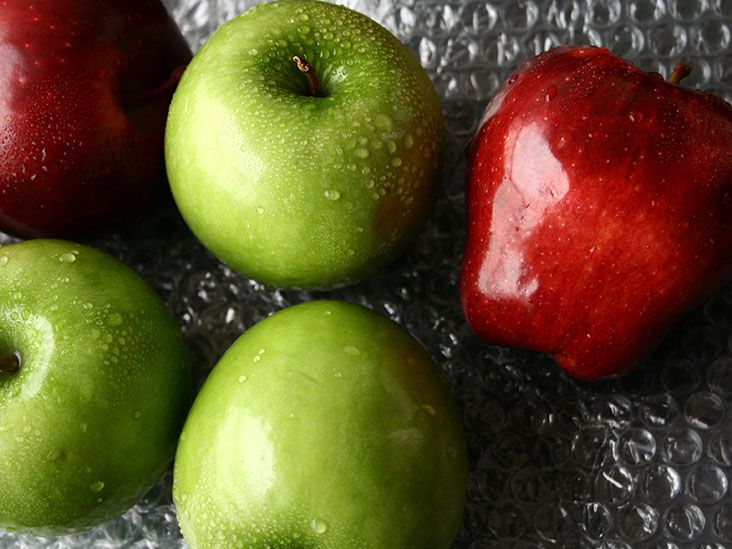

Apples are the everyday overachievers of the fruit bowl. They are affordable, portable, crunchy, naturally sweet, and sturdy enough to survive a backpack, a desk drawer, or the mysterious bottom shelf of the refrigerator. But behind that humble red, green, or golden skin is a surprisingly useful package of fiber, water, vitamin C, and plant compounds that can support a healthier diet without asking you to become the kind of person who owns twelve kinds of chia seeds.
The phrase “an apple a day keeps the doctor away” is not a medical guarantee, obviously. If apples had that kind of power, hospitals would have orchards instead of waiting rooms. Still, apples do earn their healthy reputation. They are rich in dietary fiber, especially when eaten with the peel, and they contain polyphenols such as quercetin, catechin, chlorogenic acid, and anthocyanins. These compounds are part of the reason apples are often linked with heart health, digestive wellness, better fullness, and steadier everyday eating habits.
This guide breaks down apple nutrition, the most important benefits, the best ways to eat apples, smart storage tips, and simple ideas for adding them to meals without turning your kitchen into a fall festival every morning.
Apple Nutrition: What Is Inside a Medium Apple?
A medium apple with the skin is a low-calorie, nutrient-dense snack. Exact numbers vary by apple size and variety, but a typical medium apple provides about 95 calories, roughly 25 grams of carbohydrates, natural sugars, and around 3 to 4.5 grams of dietary fiber. It has almost no fat, very little sodium, and a small amount of vitamin C and potassium.
That may not sound dramatic, but nutrition does not always need fireworks. Apples are not trying to be protein shakes. Their biggest strengths are fiber, water, and plant compounds. Together, those features make apples satisfying, easy to fit into many diets, and much more useful than a candy bar pretending to be a snack in shiny packaging.
Basic Nutrition Highlights
- Calories: About 95 in one medium apple
- Fiber: Around 3 to 4.5 grams, especially when eaten with the peel
- Carbohydrates: Mostly from natural sugars and fiber
- Fat: Almost none
- Sodium: Very low
- Vitamin C: A modest but helpful amount
- Plant compounds: Polyphenols, flavonoids, and antioxidants
One important detail: eating the whole apple is not the same as drinking apple juice. Whole apples contain fiber, while juice removes most of it. Applesauce keeps some nutrition, but it usually contains less fiber than a whole apple, especially if the peel is removed. If your goal is fullness, digestive support, and slower digestion, the whole apple wins the family talent show.
Top Health Benefits of Apples
1. Apples Support Digestive Health
Apples contain both soluble and insoluble fiber. Insoluble fiber adds bulk and helps food move through the digestive system. Soluble fiber, including pectin, forms a gel-like substance during digestion. This can help slow digestion and support a more comfortable, steady release of energy.
Pectin is also known as a prebiotic fiber, meaning it can help feed beneficial bacteria in the gut. A healthy gut microbiome is linked with many parts of wellness, including digestion, immune function, and metabolic health. Translation: your gut bacteria may appreciate apples, even if they never send a thank-you card.
2. Apples May Help With Fullness and Weight Management
Apples are high in water and fiber, two features that make food more filling. Eating an apple before or between meals can help reduce the urge to snack on less nutritious foods. This does not mean apples magically cause weight loss. No fruit can do that, and any fruit making that claim should be reported to the snack police.
What apples can do is make healthy eating easier. A crisp apple with peanut butter, Greek yogurt, or a handful of nuts can create a balanced snack with fiber, protein, and healthy fats. That combination tends to be more satisfying than eating something sugary that leaves you hungry again twenty minutes later.
3. Apples Can Fit Into a Heart-Healthy Diet
Apples contain soluble fiber, which can support healthy cholesterol levels as part of an overall balanced diet. Their polyphenols may also play a role in cardiovascular health. Research has linked frequent apple intake with heart-related benefits, though apples should be seen as one piece of a heart-healthy pattern rather than a magic shield.
For best results, pair apples with other heart-friendly habits: eating vegetables, choosing whole grains, staying active, limiting excess saturated fat, and not treating “I had an apple” as permission to eat an entire pizza like a cartoon character.
4. Apples Offer Antioxidant Plant Compounds
Apple peels are especially rich in antioxidant compounds, including quercetin. Antioxidants help protect cells from oxidative stress, a normal process that can become harmful when the body is overloaded by poor diet, pollution, smoking, chronic stress, or other factors.
Different apple colors may reflect different plant compounds. Red apples often contain anthocyanins in the skin. Green apples tend to be tart and firm, with a flavor that announces itself like it has somewhere important to be. Golden apples may be sweeter and softer. The best choice is the apple you actually enjoy eating, because the healthiest apple is not very helpful if it sits sadly in the fruit bowl until it becomes decorative compost.
5. Apples May Support Better Blood Sugar Habits
Although apples contain natural sugar, they also contain fiber and water, which slow digestion compared with fruit juice or candy. This makes whole apples a smarter option for many people who want a sweet snack without a sharp sugar rush.
People with diabetes or blood sugar concerns can often include apples in a balanced eating plan, but portion size and food pairing matter. Eating an apple with protein or healthy fat, such as cheese, nuts, or unsweetened yogurt, can make the snack more balanced. Anyone managing a medical condition should follow guidance from a healthcare professional or registered dietitian.
Why the Peel Matters
The apple peel is where much of the fiber and many of the polyphenols are concentrated. Peeling an apple is not a crime, but it does remove some of the fruit’s best nutritional features. If you can tolerate the peel and enjoy the texture, eat it. Your digestive system gets more fiber, and your apple gets to keep its jacket.
Of course, apples should be washed before eating. Rinse them thoroughly under cool running water and rub the surface with your hands. Do not use soap, detergent, bleach, or commercial produce washes. Produce can absorb residues, and plain running water is the standard recommendation for safe home washing.
Best Apple Varieties for Different Uses
There are thousands of apple varieties, but most grocery stores carry a practical handful. Each has its own personality, and yes, apples have personalities. Some are crisp and cheerful. Some are tart and dramatic. Some become mushy if you look at them too long.
For Fresh Snacking
Honeycrisp, Fuji, Gala, Pink Lady, and Cosmic Crisp are popular for fresh eating because they are crisp, juicy, and sweet. Fuji apples are especially sweet, while Pink Lady apples offer a sweet-tart balance. Honeycrisp is famous for its crunch, although it can be more expensive than other varieties.
For Baking
Granny Smith, Braeburn, Jonagold, Rome, and Cortland are good baking choices. Granny Smith apples hold their shape well and bring tartness that balances sugar in pies, crisps, and baked apples. Cortland apples are slower to brown after cutting, making them helpful for salads and lunchboxes.
For Applesauce
McIntosh, Golden Delicious, Fuji, and Gala work well for applesauce. Softer apples break down more easily when cooked. For a deeper flavor, mix sweet and tart varieties instead of using just one type. This is the apple equivalent of assembling a tiny orchestra.
Smart Tips for Buying Apples
When choosing apples, look for fruit that feels firm and heavy for its size. The skin should be smooth, without major bruises, soft spots, or wrinkling. A small surface mark is usually not a problem, but deep bruises can make apples spoil faster. If an apple smells fresh and slightly sweet near the stem, that is usually a good sign.
Do not panic over the natural waxy feel on some apples. Apples naturally produce a protective wax, and commercial apples may also be coated with food-grade wax to help reduce moisture loss. Washing under running water is still important, but the waxy feel alone does not mean the apple is unsafe.
How to Store Apples So They Stay Crisp
Apples keep best in cold, humid conditions. For most households, that means the refrigerator crisper drawer. Apples stored at room temperature soften faster, especially in warm kitchens. If you want apples to stay crisp for weeks, refrigerate them rather than leaving them in a decorative bowl for too long.
Store apples away from strong-smelling foods like onions because apples can absorb odors. Also keep them separate from delicate produce when possible. Apples release ethylene gas, which can speed ripening in some fruits and vegetables. In normal human language: apples can make neighboring produce age faster. They are charming, but they are bad roommates.
Storage Tips That Actually Help
- Keep apples in the refrigerator crisper drawer for longer freshness.
- Use a perforated plastic bag or produce bag to help maintain humidity while allowing airflow.
- Remove bruised or damaged apples so they do not speed spoilage in the group.
- Do not wash apples before long storage; wash them right before eating.
- Store cut apples in an airtight container in the refrigerator.
- Use lemon juice on cut apples to slow browning.
Easy Ways to Eat More Apples
Apples are flexible. You can eat them raw, baked, sliced, diced, shredded, roasted, or cooked into sauces. They work in sweet and savory dishes, which is more than we can say for many foods. Nobody is putting gummy bears into a kale salad and calling it balance.
Simple Apple Snack Ideas
- Apple slices with peanut butter or almond butter
- Apple wedges with cheddar cheese
- Diced apple mixed into oatmeal
- Apple slices with cinnamon and Greek yogurt
- Chopped apple in chicken salad
- Thin apple slices on whole-grain toast with nut butter
- Baked apple with cinnamon, walnuts, and a spoonful of yogurt
For kids, apple “nachos” are a fun option: thin apple slices topped with a drizzle of nut butter, a sprinkle of granola, and a few raisins. For adults, the same snack works, but you get to call it “deconstructed autumn fruit crisps” if you want to sound fancy.
Are Organic Apples Better?
Organic apples are grown under organic farming standards, while conventional apples may be grown with different approved agricultural methods. Both organic and conventional apples can be part of a healthy diet. The most important step is eating more whole fruit, not skipping apples because the decision feels complicated.
If organic apples fit your budget and preferences, choose them. If conventional apples are more affordable or available, choose those and wash them well under running water. A washed conventional apple is generally a better snack than no fruit at all.
Possible Downsides of Apples
Apples are healthy for most people, but a few situations deserve attention. Some people with irritable bowel syndrome or sensitivity to fermentable carbohydrates may notice gas, bloating, or discomfort after eating apples. Apples contain fructose and sorbitol, which can trigger symptoms in sensitive digestive systems.
Apple juice is another story. It can be high in sugar and low in fiber, especially compared with whole apples. Drinking apple juice occasionally is fine for many people, but it should not replace whole fruit as a daily habit. Whole apples offer more fiber, more chewing satisfaction, and a much better chance of keeping you full.
Finally, apple seeds contain compounds that can release cyanide when crushed in large amounts. Accidentally swallowing a few seeds is not usually a concern, but intentionally eating apple seeds is unnecessary. The apple has already given you the good part. No need to make things weird.
Cooking With Apples: Healthy and Delicious Ideas
Cooking apples can soften the texture and deepen the flavor. Baked apples with cinnamon make a naturally sweet dessert. Sautéed apples can top oatmeal, pancakes, pork tenderloin, or yogurt. Chopped apples add crunch to salads, and grated apples can bring moisture to muffins or quick breads.
To keep recipes healthier, use apples to add natural sweetness rather than relying only on added sugar. For example, oatmeal cooked with diced apple, cinnamon, and a small spoonful of nut butter tastes cozy without needing much sweetener. A salad with apples, greens, walnuts, and a light vinaigrette offers crunch, fiber, and flavor in one bowl.
Apple Myths Worth Tossing Out
Myth 1: Green Apples Are Always Healthier Than Red Apples
Green apples may be slightly lower in sugar and more tart, but the differences between common apple varieties are usually small. Red apples, green apples, and yellow apples can all fit into a healthy diet. Choose based on taste, texture, and how you plan to use them.
Myth 2: Apples Have Too Much Sugar
Whole apples contain natural sugar, but they also provide fiber, water, and beneficial plant compounds. This makes them very different from candy, soda, or fruit drinks. For most people, whole fruit is a smart carbohydrate choice.
Myth 3: Apple Peels Are Bad for You
For most people, apple peels are beneficial because they add fiber and antioxidants. The key is washing apples before eating. If you dislike the peel or have digestive issues, peeled apples can still provide nutrition, but whole apples with skin offer the most fiber.
Real-Life Apple Experiences: Practical Lessons From the Fruit Bowl
One of the best things about apples is that they are realistic. Some healthy foods require planning, soaking, blending, spiralizing, or saying words like “activated” with a straight face. Apples simply show up. You can rinse one, eat it, and move on with your day. That simplicity is why apples work so well in real life.
For busy mornings, apples are one of the easiest grab-and-go foods. A banana may bruise, berries may leak, and a peach may decide to become soup in your bag. An apple, however, is built like nature’s lunchbox. Pair it with a cheese stick, a boiled egg, or a small container of peanut butter, and you have a snack that feels balanced instead of desperate.
Apples are also helpful for people trying to improve their eating habits without overhauling everything overnight. For example, replacing an afternoon cookie with apple slices and peanut butter a few days a week can reduce added sugar while still giving you something sweet and satisfying. This kind of small swap is often more sustainable than dramatic diet rules. Nobody needs to announce a “new lifestyle era” just to eat more fruit.
Families can use apples as a low-pressure way to make healthy eating more appealing. Kids may reject a whole apple but happily eat thin slices, cubes, or apple wedges arranged like a fan. Adding cinnamon can make apples feel dessert-like without adding sugar. For school lunches, tossing apple slices with a little lemon juice helps slow browning, which matters because children can detect a slightly brown apple slice with the seriousness of a laboratory inspector.
Apples also teach a useful cooking lesson: texture matters. A crisp apple can make a salad more exciting. A tart apple can rescue a rich dish from feeling heavy. A soft apple can become applesauce, muffins, or a warm topping for oatmeal. Even apples past their peak can still be useful if they are not moldy or spoiled. Slightly wrinkled apples are perfect for cooking because heat softens them anyway.
Another practical experience: storing apples correctly saves money. Many people leave apples on the counter because they look nice in a bowl. That is fine for a few days, but the refrigerator is better for longer storage. Keeping apples cold helps preserve crispness and reduces food waste. If one apple becomes bruised, use it quickly or remove it from the group. One damaged apple can speed the decline of nearby apples, proving that even fruit has social influence.
For people who snack at night, apples can be a smart option. A sliced apple with yogurt or nut butter can satisfy the craving for something sweet while adding fiber. It is not the same as cake, of course. Apples are honest. They do not pretend to be cake. But they can help create a routine where sweet flavor does not always come from ultra-processed snacks.
The biggest lesson from apples is that healthy eating does not have to be complicated. You do not need the rarest variety or the most expensive organic bag. You need fruit you enjoy, stored well, washed properly, and eaten often enough to matter. Apples make that easy. They are crisp, dependable, and refreshingly low-drama, which is more than can be said for many things in the kitchen.
Conclusion: Apples Deserve Their Healthy Reputation
Apples are not miracle foods, but they are excellent everyday foods. They provide fiber, water, vitamin C, and antioxidant plant compounds in a convenient, affordable package. Eating apples with the peel offers the most fiber and polyphenols, while pairing apples with protein or healthy fat can make snacks more satisfying.
Whether you prefer tart Granny Smith, sweet Fuji, crisp Honeycrisp, or classic Gala, apples can support digestion, heart-friendly eating, fullness, and better snack habits. Wash them under running water, store them in the refrigerator for longer freshness, and use them in both sweet and savory meals. In a world full of complicated wellness advice, the apple remains beautifully simple: crunchy, useful, and ready whenever you are.
Note: This article is for general educational purposes and should not replace personalized nutrition or medical advice. People with diabetes, digestive conditions, food allergies, or specific dietary needs should follow guidance from a qualified healthcare professional.