
“`
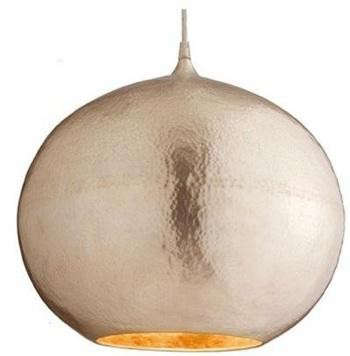
Some light fixtures politely brighten a room. Others walk in wearing a linen blazer, order an espresso, and make the kitchen island look like it suddenly has a passport. Armand Riviera Iron Pendants fall into the second category. With their hammered metal texture, rounded globe form, and soft matte silver finish, these pendants bring together rustic craft, modern polish, and just enough coastal glamour to make a ceiling feel interesting.
The Armand Riviera Iron Pendant is associated with Arteriors, a brand known for lighting and décor that often blends sculptural shapes, artisan-inspired finishes, and transitional design. This pendant’s appeal is easy to understand: it is not a bland metal shade, and it is not a fussy chandelier begging for a ballroom. It sits in the sweet spot between statement lighting and everyday usefulness. In other words, it can dress up a dining table without making your cereal bowl feel underdressed.
This article explores what makes Armand Riviera Iron Pendants worth discussing, how they work in real interiors, where to use them, what to consider before buying one, and how to style similar hammered iron pendant lights if the original model is hard to find.
What Are Armand Riviera Iron Pendants?
Armand Riviera Iron Pendants are decorative hanging light fixtures designed around a globe-shaped hammered metal shade. The most widely referenced version features a matte silver finish, metal supports, a ceiling canopy, and a long natural fabric suspension cord. Product listings have described the fixture as compatible with a standard E26 bulb, with a maximum wattage around 60 watts, depending on the lamp type and seller specifications.
The key phrase here is hammered metal. That texture changes everything. A smooth metal pendant can feel sleek and industrial, but hammered iron adds movement. It catches light in tiny irregular reflections, softening the surface and giving the fixture a handmade character. The result is a pendant light that looks polished without looking mass-produced.
Because this product appears in older design archives and curated lighting roundups, shoppers should verify current availability, dimensions, wiring requirements, finish, and certification details before purchasing from a retailer, resale marketplace, or vintage source. Lighting is not the place for “probably fine.” That phrase belongs to leftover pizza, not electrical installation.
Why the Design Still Works
Trends in lighting come and go, but certain design ideas keep returning because they solve real problems. The Armand Riviera Iron Pendant has several of those durable qualities.
It Has Texture Without Chaos
The hammered surface gives the pendant visual depth, but the simple spherical shape keeps it balanced. This is important in rooms where other materials already compete for attention: marble counters, patterned tile, wood grain, open shelving, brass hardware, or colorful cabinetry. The pendant contributes personality without shouting over everything else.
It Mixes Rustic and Contemporary Styles
Iron naturally suggests durability and old-world craftsmanship. A matte silver finish, however, pulls the look toward modern interiors. That mix makes the pendant useful in transitional spaces, modern farmhouse kitchens, coastal homes, industrial lofts, and even minimalist rooms that need one warmer, more tactile element.
It Works as Both Accent and Task Lighting
A pendant over an island, breakfast table, or dining area should look beautiful, yes, but it also has a job. It needs to put light where people chop vegetables, read menus, pour coffee, or argue lovingly about whether the dog should be allowed another treat. A metal shade typically directs light downward, making this style especially useful above surfaces where focused illumination matters.
Best Rooms for Armand Riviera Iron Pendants
One of the strengths of iron pendant lighting is flexibility. The Armand Riviera style can work in several rooms, provided the scale and placement are right.
Kitchen Islands
The kitchen island is the obvious home for this pendant. A pair or trio of hammered iron pendants can create rhythm and symmetry while giving the island a more finished, designer look. The matte silver finish pairs nicely with stainless steel appliances, nickel hardware, gray stone, white oak, navy cabinets, and warm wood tones.
For most kitchen islands, pendants are commonly placed about 30 to 36 inches above the countertop. If using multiple fixtures, spacing them evenly is more important than following a number blindly. The goal is to create even light coverage and comfortable sightlines. If guests have to duck around the pendant to ask where the wine opener is, the fixture is too low or too large.
Dining Rooms
Above a dining table, an Armand Riviera-style pendant can serve as a softer alternative to a traditional chandelier. Its round form naturally centers the table, while the hammered finish adds sparkle without dangling crystals or theatrical drama. For rectangular tables, two pendants can look intentional and architectural. For round tables, one larger pendant often feels clean and balanced.
Entryways
An entryway pendant has one job: make a first impression before anyone notices the pile of shoes. A hammered iron pendant can add sculptural interest to a foyer, especially when paired with a console table, mirror, or textured rug. In taller spaces, the long suspension cord can help lower the fixture into the visual field so it does not disappear into the ceiling.
Bedrooms and Reading Corners
Used creatively, pendant lights can replace bedside lamps or illuminate a reading nook. A metal globe pendant beside the bed brings boutique-hotel energy, freeing up nightstand space for books, glasses, and the phone you promised yourself you would not scroll at midnight. Choose warm bulbs and dimming controls to keep the mood calm rather than interrogation-room chic.
How to Style Hammered Iron Pendant Lights
The beauty of hammered iron pendant lights is that they can lean in several design directions depending on what surrounds them.
For a Modern Coastal Look
Pair matte silver iron pendants with white walls, pale oak, woven counter stools, linen Roman shades, and stone surfaces. The pendant adds subtle shine without becoming beach-house cliché. Think “Riviera breakfast,” not “souvenir shop seashell lamp.”
For an Industrial Kitchen
Use the pendants with black steel windows, concrete counters, exposed brick, or dark cabinetry. The hammered finish keeps the industrial look from feeling too cold. Add warm LED bulbs and wood accents to balance the metal.
For Transitional Interiors
Transitional style loves a good compromise: not too traditional, not too modern, not too “we accidentally bought everything from one showroom vignette.” Armand Riviera Iron Pendants fit beautifully here. They can sit above shaker cabinets, marble-look quartz, brushed nickel hardware, and upholstered dining chairs without clashing.
For Minimalist Rooms
In minimalist spaces, texture matters because there are fewer objects competing for attention. A hammered metal pendant can become the one tactile feature that makes the room feel designed rather than empty. Keep surrounding colors simple and let the pendant do its quiet, shiny little dance.
Choosing the Right Bulb
Many versions of this pendant style use an E26 medium base, which is common in American household lighting. Still, always follow the fixture label and retailer specifications. Do not exceed the listed wattage. If the fixture allows LED bulbs, a warm white LED is usually the best choice for residential interiors.
For a cozy kitchen or dining room, look for bulbs around 2700K to 3000K. This gives a warm glow that flatters wood, stone, food, and human faces. Cooler bulbs can make silver metal look crisp, but they may also make dinner feel like it is being served in a dental office. Dimmable bulbs are worth considering, especially over dining tables and islands that shift from task zone to gathering spot throughout the day.
Installation and Placement Tips
Beautiful pendant lighting depends on proportion. A great fixture in the wrong place is like a tuxedo at a pool party: technically impressive, socially confusing.
Check Ceiling Height
Standard eight-foot ceilings can usually support pendants over fixed surfaces such as islands and tables. For open walkways, maintain enough clearance so people can pass comfortably underneath. In rooms with nine-foot or taller ceilings, a longer drop may look more elegant, but the pendant should still relate visually to the furniture below.
Use Odd Numbers Carefully
Three pendants over a long island is a classic layout, but two larger pendants can be just as effective. The right number depends on the island length, pendant diameter, and desired visual weight. With globe-shaped metal pendants, avoid overcrowding. Each fixture needs breathing room so the hammered texture can be appreciated.
Hire a Qualified Electrician
Even if you are handy, hardwired lighting deserves professional attention. A qualified electrician can confirm junction box support, wiring safety, dimmer compatibility, ceiling canopy fit, and local code requirements. Also, if you are replacing an old fixture, they can help ensure the new pendant’s weight and mounting hardware are appropriate.
Care and Maintenance
Metal pendants are generally easier to maintain than fabric shades or crystal chandeliers, but hammered texture can hold dust. The solution is simple: dust regularly before grime gets ambitious.
Turn off the light and let the fixture cool before cleaning. Use a dry microfiber cloth or extendable duster for routine maintenance. For more stubborn buildup, lightly dampen a soft cloth rather than spraying cleaner directly onto the fixture. Avoid harsh abrasives, ammonia-heavy products, and anything that could damage the finish. Dry the surface immediately to prevent spotting.
Kitchen pendants may collect grease faster than fixtures in other rooms. If your pendant hangs near a cooktop, it will need more frequent attention. This is not the pendant’s fault. It simply did not sign up to live above bacon without consequences.
Buying Considerations
If you are shopping for the original Armand Riviera Iron Pendant, be aware that older designer lighting products may appear through discontinued stock, open-box listings, resale platforms, or design archives. That makes careful verification important.
Confirm the Product Name and Brand
Look for references to Arteriors, Armand, Riviera, iron, hammered metal, and matte silver. Similar names can exist across different brands, and “Riviera” is a popular word in home décor. Do not assume every Riviera pendant is the same fixture.
Review Dimensions
Measure the shade diameter, fixture height, cord length, and canopy size. A pendant that looks charming online can feel gigantic over a small breakfast nook or underwhelming over a grand island. Scale is everything.
Check Finish Condition
If buying secondhand, inspect for scratches, dents, discoloration, missing canopy pieces, altered wiring, or damaged cord material. Hammered metal naturally has irregularities, but there is a difference between artisan texture and “this survived a garage incident.”
Verify Electrical Compatibility
Confirm voltage, bulb base, maximum wattage, dimmer compatibility, and safety listing. If any information is missing, ask the seller before purchasing. Good lighting should make a room glow, not make your electrician sigh deeply.
Pros and Cons of Armand Riviera Iron Pendants
Pros
The Armand Riviera style offers strong visual texture, a versatile metallic finish, and a timeless globe shape. It works across multiple design styles and can add a handcrafted feel to kitchens, dining rooms, and entryways. The metal shade can provide useful downward light, especially over work surfaces.
Cons
The original product may not always be easy to find, and older listings can contain incomplete or outdated details. Metal shades may create more focused light than diffused glass or fabric, which means bulb choice and placement matter. The hammered surface also requires periodic dusting to keep it looking intentional rather than neglected.
Design Alternatives If You Cannot Find the Original
If the exact Armand Riviera Iron Pendant is unavailable, search for similar terms such as hammered metal pendant light, matte silver globe pendant, iron pendant lighting, artisan metal pendant, or transitional kitchen pendant. Look for a rounded silhouette, textured metal shade, warm interior reflection, and a finish that complements your hardware.
Alternatives in brass, copper, blackened iron, or polished nickel can create a similar effect with a different mood. Brass feels warmer and more traditional. Copper feels earthy and dramatic. Blackened iron feels bolder and more industrial. Matte silver remains one of the easiest finishes to blend with stainless steel appliances and cool-toned interiors.
Experience Notes: Living With Armand Riviera Iron Pendants
Imagine installing two Armand Riviera Iron Pendants over a medium-size kitchen island. Before the installation, the island is functional but forgettable. It holds mail, coffee cups, homework, and the occasional heroic bowl of guacamole. After the pendants go up, the island suddenly feels like a destination. The hammered metal catches morning light from the windows, creating a soft shimmer even when the bulbs are off. At night, the downward glow defines the island as a gathering place.
The first thing many homeowners notice with hammered iron pendants is how much texture matters. Smooth fixtures can disappear into a room, especially if the palette is neutral. Hammered metal behaves differently. It gives the eye something to read. The tiny dents and raised surfaces create highlights and shadows, which makes the pendant feel alive without being busy. In a white kitchen, that texture prevents the space from feeling flat. In a darker kitchen, it adds contrast and a little glamour.
Another real-world lesson is that bulb choice can make or break the experience. A bright cool bulb may technically illuminate the island, but it can turn the matte silver finish harsh and clinical. A warm dimmable LED usually feels more comfortable. During food prep, the light can be turned up. During dinner, it can be lowered until the room feels relaxed and flattering. People may not say, “What a well-selected color temperature,” because people rarely speak like lighting catalogs at dinner, but they will feel the difference.
Cleaning is also part of the ownership experience. In a kitchen, dust and cooking residue eventually find every horizontal and textured surface, because dust has ambition. A quick weekly pass with a microfiber duster keeps the pendants looking fresh. If ignored for months, the hammered texture takes longer to clean because grime settles into the irregular surface. The good news is that metal is forgiving when cared for gently.
Guests tend to respond well to fixtures like these because they are noticeable without being too strange. A sculptural pendant can sometimes dominate a room, but the Armand Riviera look is approachable. It says “designed” rather than “trying too hard.” That is a valuable quality in home décor. The best pieces often do not scream for attention; they simply make everything around them look more considered.
For renters or homeowners not ready for a full renovation, pendant lighting can be one of the most satisfying upgrades. Cabinets, counters, and floors are expensive. A well-chosen fixture can shift the mood of a room in a single afternoon. The Armand Riviera Iron Pendant style is especially useful because it bridges old and new, casual and refined, decorative and practical. It is the kind of lighting that makes a room feel finishedeven if the junk drawer remains a lawless nation.
Conclusion
Armand Riviera Iron Pendants are more than simple hanging lights. They are textured design accents that bring warmth, shape, and quiet sophistication to kitchens, dining areas, entryways, and bedrooms. Their hammered iron surface, matte silver finish, and globe-like form help them fit into modern, transitional, industrial, and coastal interiors without feeling trapped in one trend.
The most important advice is to treat pendant lighting as both décor and infrastructure. Choose the right scale, hang it at the right height, use the right bulb, and confirm electrical details before installation. When those basics are handled well, a pendant like the Armand Riviera can transform a room from “perfectly fine” to “whoa, did you hire a designer?” And honestly, that is a very good kind of lighting drama.
SEO Tags