
Some interiors politely invite nature inside with a potted fern and a linen pillow. Atelier 688, on the other hand, seems to fling open the door, hand the outdoors a cup of coffee, and say, “Make yourself at home.” That is the charm of this rugged, artful, slightly rebellious design language: it does not treat nature as a decorative theme. It treats it as a collaborator.
Atelier 688 became known for a warehouse-loft spirit rooted in Toronto’s Queen West design culture, where gallery, studio, shop, and workshop could overlap without anyone panicking about labels. The idea was not to create the usual “white cube” galleryclean, silent, and a little afraid of fingerprintsbut to build a lived-in salon filled with objects that felt discovered, salvaged, handmade, and weathered by story. Think vintage materials, reclaimed wood, rope lighting, canvas, metalwork, nautical references, and furniture that looks like it has already lived one adventurous life before joining yours.
For homeowners, designers, and anyone who has ever looked at a bland room and whispered, “You need a personality,” Atelier 688 offers a useful lesson: interiors inspired by the outdoors do not have to look like a catalog page titled “Forest Beige.” They can be dramatic, tactile, humorous, sustainable, and deeply personal.
What Makes Atelier 688’s Outdoor-Inspired Interiors So Memorable?
The magic of Atelier 688 is not simply that it uses natural materials. Plenty of spaces use wood, stone, or woven textiles and still manage to feel as lively as a waiting room brochure. What makes this approach special is the way outdoor objects are reimagined as functional interior pieces.
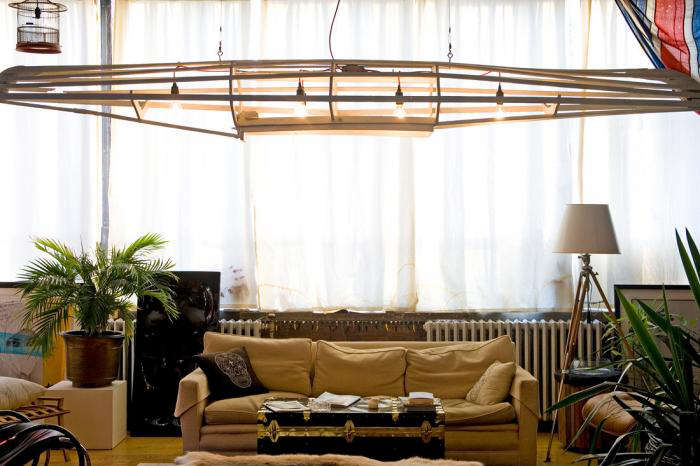
A vintage kayak becomes a chandelier. Rope becomes sculptural lighting. Canvas becomes a tented room within a room. Reclaimed materials become furniture, fixtures, and conversation starters. Instead of hiding the past life of an object, the design celebrates it. Scratches, knots, grain, patina, and uneven texture are not flaws; they are proof that the piece has a pulse.
The Atelier as a Living Workshop
The word “atelier” traditionally refers to an artist’s studio or workshop, and that meaning matters here. Atelier 688’s style is not about buying a matching set and calling the room finished by lunchtime. It is about process. It feels assembled, tested, adjusted, and loved into existence. The space becomes a kind of laboratory for material experiments: wood meets rope, metal meets canvas, vintage finds meet contemporary needs.
This workshop spirit is one reason the design feels so connected to the outdoors. Nature is never overly polished. A forest does not coordinate its throw pillows. A shoreline does not apologize because the rocks are different shapes. Atelier 688 borrows that honesty and brings it inside.
Biophilic Design Without the Buzzword Fatigue
Today, many designers describe nature-connected interiors as biophilic design. The term refers to our human tendency to feel better when we are connected to natural light, organic materials, plants, fresh air, views, and patterns found in nature. In practical terms, it means designing rooms that do not make people feel like they are living inside a sealed plastic container.
Atelier 688 fits beautifully into this conversation, but with an important twist. It is not just “add plants and stir.” Its outdoor inspiration comes through memory, craft, and material presence. A rope light suggests docks, boats, knots, cabins, campsites, and working hands. A canvas canopy recalls tents, markets, sails, expeditions, and shade. A reclaimed wood bench carries the visual warmth of barns, workshops, fences, and old floors.
Natural Materials Create Emotional Weight
Wood, linen, leather, jute, stone, cotton, wool, clay, and metal age differently from synthetic materials. They soften, darken, brighten, dent, polish, and develop character. That aging process is part of their appeal. A natural material rarely screams, “I was made yesterday in a factory and I have no opinions.” It has depth.
In outdoor-inspired interiors, this depth matters because the room needs to feel grounded. Atelier 688’s use of vintage and reclaimed materials reminds us that sustainability is not only about buying new eco-friendly products. Sometimes the greenest object is the one that already exists and is clever enough to get a second act.
Key Design Elements of the Atelier 688 Look
If you want to bring the Atelier 688 mood into a home, studio, restaurant, cabin, or creative workspace, focus less on copying exact pieces and more on understanding the ingredients. The goal is not to turn your living room into a camping supply store. Unless that is your dream, in which case, please at least hide the mosquito repellent.
1. Reclaimed and Vintage Materials
Reclaimed wood, old metal, repurposed canvas, antique hardware, vintage maps, weathered leather, and salvaged architectural fragments all create an immediate sense of history. These materials make a space feel collected rather than decorated in one panicked weekend.
For example, a reclaimed wood dining table can anchor a room with warmth and authenticity. Pair it with modern chairs and simple lighting to avoid a heavy “frontier museum” effect. A vintage trunk can become a coffee table. Old oars can become wall art. Salvaged doors can slide across a pantry, closet, or studio nook.
2. Rope, Canvas, and Nautical Texture
Rope is one of the strongest visual signatures associated with Atelier 688’s outdoor-inspired style. It is humble, useful, sculptural, and instantly tactile. A rope pendant or wall sconce can add a nautical note without forcing the room to wear a sailor hat.
Canvas works in a similar way. It has associations with tents, sails, workwear, and expedition gear. Used as drapery, upholstery, canopy fabric, or even a room divider, canvas adds softness without becoming precious. It is relaxed, sturdy, and wonderfully unfussy.
3. Lighting That Feels Like an Object, Not an Afterthought
In many interiors, lighting is treated as the final checkbox: sofa, rug, table, lamp, done. Atelier 688’s approach makes lighting a main character. A chandelier built from an old kayak, a rope light looped like dock gear, or a pendant wrapped in natural material changes the emotional temperature of the room.
Outdoor-inspired lighting should feel warm, layered, and atmospheric. Use overhead fixtures for shape, wall sconces for glow, task lamps for function, and low-level lamps for evening calm. Avoid relying on a single ceiling light unless you enjoy making dinner guests feel like they are being questioned by airport security.
4. A Palette Borrowed from Weather, Water, Wood, and Stone
The Atelier 688 look does not require a strict color formula, but it benefits from tones that feel weathered and natural: driftwood gray, canvas cream, tobacco brown, rope tan, moss green, iron black, deep lake blue, rust, clay, and warm white. These colors are easy to layer because they already coexist outdoors.
For a brighter room, use cream walls, pale oak, woven shades, and black metal accents. For a moodier space, try walnut, olive, charcoal, aged brass, and textured textiles. The trick is to keep the palette earthy while allowing one or two dramatic objects to steal the scene.
How to Use Outdoor Inspiration Without Making the Room Feel Themed
The danger with any strong design influence is that it can become too literal. A nautical room, for instance, can quickly go from “refined coastal workshop” to “gift shop next to a clam shack.” The Atelier 688 lesson is restraint plus imagination.
Choose One Hero Piece
A hero piece gives the room focus. It might be a reclaimed dining table, a rope chandelier, an oversized canvas pendant, a sculptural wooden bench, or a vintage outdoor object transformed into furniture. Let that piece carry the story, then keep supporting elements quieter.
Balance Rugged Materials with Comfort
Outdoor-inspired interiors can become too rough if every surface is hard, raw, or heavy. Balance reclaimed wood and metal with wool rugs, linen curtains, down cushions, upholstered seating, and warm lighting. A room should feel adventurous, not like it is training for a survival documentary.
Mix Old and New
One of the most effective ways to modernize the Atelier 688 mood is to combine vintage or reclaimed pieces with clean contemporary shapes. A rustic table looks sharper with simple chairs. A rope light feels fresher against smooth plaster. A canvas canopy becomes elegant when paired with crisp bedding or streamlined millwork.
Room-by-Room Ideas Inspired by Atelier 688
Living Room
Start with a natural-fiber rug, a reclaimed wood coffee table, and seating in linen, cotton, or leather. Add a rope floor lamp, blackened metal side table, and framed landscape photography or vintage maps. Keep the arrangement comfortable and conversational. The room should feel like a place where people can sit down, tell stories, and not worry that the sofa is too fancy for elbows.
Kitchen and Dining Area
A kitchen inspired by the outdoors can use butcher-block counters, soapstone, limestone, terracotta tile, open shelving, woven baskets, and warm brass or iron hardware. In the dining area, a long wood table paired with mixed seating adds the feeling of a lodge, studio, or family workshop. Pendant lights made of metal, rope, or woven material can add texture overhead.
Bedroom
For the bedroom, soften the ruggedness. Use washed linen bedding, wool throws, wood nightstands, quiet earth tones, and indirect lighting. A canvas headboard, woven bench, or vintage trunk at the foot of the bed can add character without disturbing the calm. This is where outdoor inspiration should feel restful rather than theatrical.
Bathroom
Bathrooms are ideal places for stone, wood accents, handmade tile, and soft natural light. Try a teak stool, slate flooring, limewashed walls, or a simple branch arrangement in a ceramic vase. The goal is spa-like but not sterile. Imagine a bathhouse near a lake, not a hotel bathroom trying too hard to smell like eucalyptus.
Home Office or Studio
Because Atelier 688 is rooted in the idea of a creative workshop, the style works especially well in offices and studios. Use a sturdy worktable, open shelves, task lighting, pinboards, canvas storage, and vintage containers for tools or supplies. Let materials stay visible. A creative room should show signs of creative life.
Sustainability Lessons from the Atelier 688 Approach
Outdoor-inspired design is not automatically sustainable. A room can be full of wood and stone and still be wasteful if everything is newly extracted, shipped across oceans, and replaced when the next trend sneezes. Atelier 688’s strongest sustainability lesson is its affection for reuse.
Reclaimed and vintage objects reduce demand for new materials while adding uniqueness. Durable natural materials can last for decades when properly maintained. Timeless design choices prevent the constant cycle of buying, regretting, replacing, and pretending the old coffee table “just wasn’t practical.”
Indoor air quality also matters. When choosing finishes, paints, adhesives, and furniture, look for low-VOC options and allow proper ventilation. A nature-inspired room should not only look healthy; it should feel healthy to breathe in. Natural light, fresh air, and thoughtful material selection are not luxuries. They are part of the comfort equation.
Why This Style Still Feels Relevant Today
The popularity of warm, organic interiors has grown because people are tired of spaces that look perfect but feel emotionally unavailable. The home is no longer just a backdrop for furniture. It is a place for recovery, work, hosting, rest, creativity, and identity. Outdoor-inspired interiors answer that need with texture, warmth, craft, and a little dirt-under-the-fingernails honesty.
Atelier 688 feels especially relevant because it avoids two common design traps. First, it is not cold minimalism, where the room looks beautiful but you are afraid to set down a mug. Second, it is not cluttered nostalgia, where every vintage object gets a starring role and the eye needs a nap. Instead, it lands somewhere more interesting: curated, rugged, imaginative, and human.
Practical Tips for Creating an Atelier 688-Inspired Interior
Start with Texture Before Color
Many people begin decorating by choosing paint. That can work, but for this style, texture should lead. Gather samples of wood, rope, canvas, stone, linen, leather, metal, and clay. Notice how they feel together. Once the material palette is strong, color decisions become easier.
Shop Slowly
Fast decorating rarely creates soulful interiors. Visit salvage yards, antique markets, local makers, estate sales, and small workshops. The best piece may not appear on command. That is annoying, yes, but also part of the fun. A room with patience built into it usually feels richer than one assembled overnight from identical boxes.
Let Imperfection Stay Visible
Do not sand, paint, polish, or correct every sign of age. A dented metal stool, a weathered bench, or a faded canvas shade can add more atmosphere than something flawless. Nature is full of irregularity. That is why it relaxes us. Nobody goes hiking and complains that the rocks failed to align symmetrically.
Use Plants as Living Accents, Not Decoration Pressure
Plants are welcome, but they do not have to become a full-time unpaid job. Choose varieties that suit your light and routine. If you travel often or forget watering until the plant starts looking personally betrayed, begin with hardy options such as snake plants, pothos, ZZ plants, or herbs near a kitchen window.
Common Mistakes to Avoid
Too Much Theme
A rope light is charming. A rope light plus anchor pillows, ship wheels, seashell lamps, and a sign that says “Beach This Way” may be a cry for help. Use references sparingly and let materials do the storytelling.
Too Many Heavy Pieces
Reclaimed furniture can be visually weighty. Balance chunky wood and metal with open-legged furniture, pale textiles, mirrors, and negative space. A rugged interior still needs breathing room.
Ignoring Function
A beautiful vintage object must still serve the room. If a bench is too splintery to sit on or a lamp lights only one dramatic inch of wall, rethink it. Atelier-style design should be poetic, but it still has to survive Tuesday night.
Experience Section: Living with Outdoor-Inspired Interiors
The real test of an Atelier 688-inspired interior is not how it photographs on day one. It is how it feels after months of actual living. Outdoor-inspired rooms tend to age well because they do not depend on perfection. A small scratch on reclaimed wood looks like part of the plot. Linen wrinkles with dignity. Leather gains depth. Rope softens. Metal develops a quieter sheen. Instead of fighting daily life, the room absorbs it.
One of the most satisfying experiences is how naturally these spaces support routines. Morning coffee feels better at a sturdy wood table with daylight slipping across the grain. Reading feels easier under a warm lamp that casts a soft pool of light instead of blasting the room like a stadium. Hosting becomes more relaxed because the materials are not fragile-looking. Guests can lean, laugh, spill a little, and still be invited back.
Another pleasure is the way outdoor-inspired interiors change with the seasons. In spring, fresh branches in a stoneware vase can wake up the room. In summer, canvas, pale linen, and woven textures feel airy and casual. In fall, wool throws, amber lighting, and darker wood tones add coziness. In winter, the same room can feel like a cabin retreat, especially with candles, layered rugs, and a deep armchair positioned near a window.
This style also encourages people to become more observant. You start noticing the shape of a branch, the color of wet stone, the weave of old canvas, or the honest beauty of a worn tool handle. That awareness changes how you shop and decorate. Instead of chasing trends, you begin collecting materials and objects that mean something. Your home becomes less of a showroom and more of a personal landscape.
There is also a practical emotional benefit. In a world full of smooth screens, synthetic surfaces, and rushed decisions, tactile rooms slow the body down. Touching wood, adjusting a linen curtain, watering a plant, or switching on a low rope light creates small moments of contact. These gestures are simple, but they make a home feel inhabited in the best sense.
For families, outdoor-inspired interiors can be especially forgiving. Children, pets, and busy schedules do not always mix well with delicate decor. But a room with durable rugs, sturdy tables, washable textiles, baskets, benches, and forgiving finishes can handle real life. The style is sophisticated without being fussy. It says, “Come in,” not “Please admire from a safe distance.”
For creative people, the Atelier 688 approach can be energizing. A room full of natural and reclaimed materials often sparks ideas because each object has a story. A vintage map may inspire travel plans. A salvaged shelf may suggest a new display. A canvas-covered corner may become a writing nook, music space, or quiet place for sketching. The home becomes an active participant in creativity rather than a passive container for furniture.
The best experience, however, is personal ownership. Outdoor-inspired design gives permission to be specific. You do not need the same coffee table, lamp, or wall color as everyone else. You can use a paddle from a family lake house, a stone collected on a memorable trip, a handmade stool from a local craftsperson, or a piece of wood with a history. That is where the Atelier 688 lesson becomes powerful: the outdoors is not just a style source. It is a memory source.
Ultimately, living with interiors inspired by the outdoors means choosing rooms that feel grounded, generous, and alive. They may not be perfect. In fact, they are better when they are not. They carry texture, story, humor, and warmth. They remind us that good design does not have to shout. Sometimes it only needs a weathered surface, a warm glow, a clever object, and enough soul to make people want to stay a little longer.
Conclusion
Atelier 688 proves that interiors inspired by the outdoors can be far more interesting than a predictable mix of beige walls and houseplants. Its best ideas come from transformation: a kayak becomes lighting, rope becomes sculpture, canvas becomes architecture, and reclaimed materials become the bones of a room with character. This approach blends biophilic design, sustainable thinking, vintage charm, and workshop creativity into spaces that feel both adventurous and deeply livable.
For anyone designing a home, studio, or hospitality space, the lesson is clear: bring nature inside through texture, light, material, memory, and craft. Choose objects with history. Let imperfections breathe. Balance ruggedness with comfort. Most of all, design a space that feels connected to the world beyond the walls. The outdoors has been doing atmosphere for a very long time. It knows what it is doing.
Note: This article is written as original, publication-ready content based on real design information, recognized interior design practices, and current nature-inspired home trends, with source links intentionally omitted from the article body for clean web publishing.