COVID-19 can cause plenty of trouble, but it cannot transform into respiratory syncytial virus, better known as RSV. The two illnesses are caused by completely different viruses: COVID-19 is caused by SARS-CoV-2, while RSV infection is caused by respiratory syncytial virus. One virus does not mutate inside your body and suddenly become the otherviruses are sneaky, but they are not costume-changing magicians.
The confusion is understandable because COVID-19 and RSV can produce similar symptoms, circulate during the same respiratory-virus season, and occasionally infect the same person at the same time. Someone may also recover from COVID-19 and catch RSV shortly afterward, especially when respiratory infections are spreading through schools, daycare centers, workplaces, or households.
So, can COVID-19 cause RSV? No. However, COVID-19 and RSV can overlap, occur one after another, or create a respiratory mystery that cannot be solved by symptoms alone.
COVID-19 and RSV Are Different Viral Infections
COVID-19 and RSV both affect the respiratory system, but they belong to different viral families. SARS-CoV-2 is a coronavirus. RSV is an orthopneumovirus that commonly infects the nose, throat, airways, and lungs. Having one infection does not create the other. A person must be exposed to RSV to develop an RSV infection.
| Feature | COVID-19 | RSV |
|---|---|---|
| Cause | SARS-CoV-2 | Respiratory syncytial virus |
| Common symptoms | Fever, cough, sore throat, congestion, fatigue, headache, body aches, or shortness of breath | Runny nose, cough, sneezing, decreased appetite, fever, or wheezing |
| Groups at particular risk | Older adults, immunocompromised people, and people with certain medical conditions | Young infants, older adults, immunocompromised people, and people with heart or lung disease |
| Diagnosis | SARS-CoV-2 antigen or molecular testing | RSV antigen or molecular testing when medically appropriate |
| Typical treatment | Supportive care, with antiviral treatment for eligible patients | Mostly supportive care; severe cases may require oxygen, fluids, or hospital treatment |
Symptoms vary from person to person, and neither illness follows a perfect checklist. A baby with RSV may not have a noticeable fever, while an adult with RSV may assume it is an ordinary cold. Likewise, COVID-19 may cause anything from mild congestion to serious breathing problems.
Why Do People Think COVID-19 Causes RSV?
The symptoms overlap
Cough, congestion, fever, fatigue, and breathing difficulties can occur with both infections. Early in the illness, even a clinician may be unable to identify the virus based only on symptoms. That is why testing can be important for hospitalized patients, high-risk people, young infants, and anyone whose diagnosis would affect treatment decisions.
Wheezing is commonly associated with RSV, particularly when the infection reaches the smaller airways and causes bronchiolitis. However, wheezing is not an exclusive RSV membership card. Other respiratory illnesses can cause it, so laboratory testing and a physical examination may still be needed.
The infections can occur one after another
Recovering from COVID-19 does not provide immunity against RSV. If someone encounters RSV after a COVID-19 infection, that person can become sick againsometimes before the first cough has completely packed its bags.
This situation is especially common in households with young children. A parent may catch COVID-19 at work, recover, and then encounter RSV brought home from daycare. To the family, it may feel like one illness changed into another. Medically, these are two separate infections resulting from two separate exposures.
COVID-19 and RSV can happen simultaneously
A person can test positive for SARS-CoV-2 and RSV at the same time. This is called coinfection or viral codetection. Pediatric studies and systematic reviews have documented RSV among the respiratory pathogens found in children with COVID-19, although reported rates vary depending on the season, population, testing practices, and viruses circulating in the community.
Researchers are still studying whether every RSV–COVID-19 coinfection is more dangerous than either infection alone. Some reports suggest that certain hospitalized children with codetection may experience greater illness severity, while broader evidence remains limited and inconsistent. The safest conclusion is that a high-risk patient with signs of more than one infection deserves prompt medical evaluationnot a late-night guessing contest with a symptom-search engine.
The pandemic changed RSV circulation
During the earlier phases of the COVID-19 pandemic, masking, distancing, school closures, reduced travel, and other behavior changes sharply reduced the circulation of many respiratory viruses. When social activity resumed, RSV returned at unusual times in some locations and produced larger outbreaks among children who had experienced less previous exposure.
COVID-19 did not biologically create those RSV cases. Instead, pandemic-related changes affected when and how RSV moved through communities. Researchers continue to debate the relative contribution of population susceptibility, changing behavior, viral interactions, and surveillance patterns.
Can COVID-19 Make Someone More Susceptible to RSV?
It is biologically plausible for one respiratory infection to temporarily affect airway defenses, inflammation, energy levels, and immune responses. However, there is not enough evidence to say that an ordinary COVID-19 infection directly causes a person to contract RSV later.
Exposure remains essential. You cannot catch RSV simply because you previously had COVID-19; you must encounter RSV from an infected person or contaminated respiratory secretions. RSV can spread when someone coughs or sneezes, through close contact, or after a person touches a contaminated surface and then touches the eyes, nose, or mouth.
Practical circumstances may also increase the appearance of a connection. A person recovering from COVID-19 may return to a crowded office, school, or daycare just as RSV activity is increasing. Fatigue from the first illness may make the second infection feel worse, and lingering COVID-19 symptoms can blur the point at which RSV begins.
How to Tell RSV From COVID-19
Symptoms can offer clues, but they cannot provide a guaranteed diagnosis. COVID-19 may be associated with sore throat, headache, body aches, gastrointestinal symptoms, and changes in taste or smell, although symptom patterns have changed over time. RSV often begins with nasal congestion, sneezing, decreased appetite, and cough before progressing to wheezing or labored breathing in vulnerable patients.
Possible RSV signs in babies
Very young infants may show irritability, reduced activity, decreased feeding, or pauses in breathing rather than classic cold symptoms. Parents should watch the child rather than relying only on the thermometer. A baby who is struggling to breathe needs attention even if the temperature display looks reassuring.
Possible RSV signs in adults
Healthy adults often experience RSV as a mild cold. Older adults and people with chronic heart disease, asthma, chronic obstructive pulmonary disease, or weakened immune systems may develop pneumonia, worsening of an existing condition, or serious lower respiratory tract disease.
When testing is useful
A home COVID-19 test checks for SARS-CoV-2; it does not rule out RSV unless the product is specifically authorized and labeled to test for RSV. A person with a negative COVID-19 result could still have RSV, influenza, rhinovirus, or another infection.
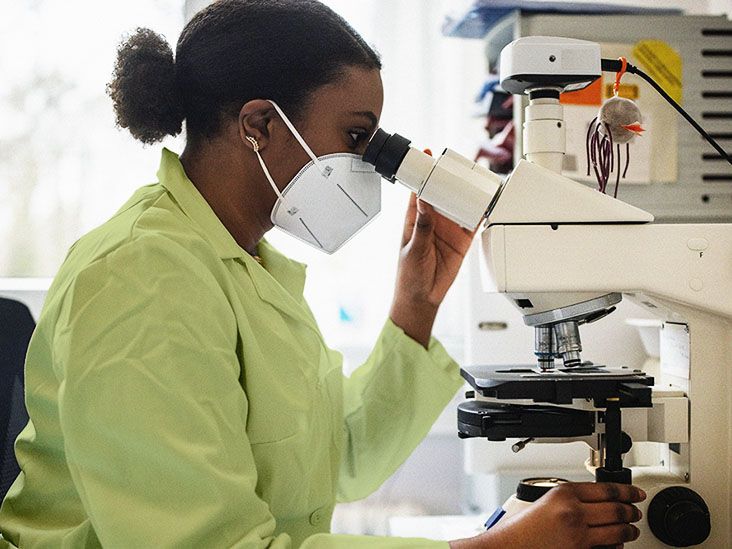
Clinicians may use a nasal swab or a multiplex respiratory panel to look for several viruses. Some clinical tests can detect COVID-19, influenza A, influenza B, and RSV from one specimen. Testing is particularly useful when symptoms are severe, a patient is hospitalized, an infant is very young, or the result could change isolation, treatment, or infection-control decisions.
Treatment for RSV and COVID-19
RSV treatment
Most RSV infections improve with supportive care. Rest, fluids, fever management, and measures to relieve nasal congestion may be recommended. Parents should ask a pediatric healthcare professional before giving medicines to an infant or young child.
Severe RSV may require hospital care, intravenous fluids, supplemental oxygen, respiratory support, or mechanical ventilation. Antibiotics do not treat RSV because antibiotics target bacteria rather than viruses. They may be prescribed only when a clinician identifies or strongly suspects a secondary bacterial infection.
COVID-19 treatment
Mild COVID-19 may also be managed with rest, fluids, and symptom relief. People at increased risk of severe disease should contact a healthcare professional promptly because prescription antiviral treatment must generally begin early in the illness to provide the greatest benefit.
A COVID-19 antiviral does not treat RSV. Likewise, RSV supportive care does not replace appropriate COVID-19 treatment. When coinfection is suspected, treatment decisions should be based on the patient’s age, health conditions, test results, symptom severity, and risk of complications.
When to Seek Medical Care
Contact a healthcare professional when symptoms are worsening, a fever is persistent, dehydration is developing, or a high-risk person has been exposed to a respiratory infection.
Seek urgent or emergency care for warning signs such as:
- Difficulty breathing, rapid breathing, or severe shortness of breath
- Skin, lips, or nail beds that appear pale, gray, or blue
- Chest pain or persistent pressure
- New confusion, extreme weakness, or difficulty waking
- Pauses in an infant’s breathing
- Chest retractions, grunting, nostril flaring, or head bobbing in a child
- Very poor feeding or substantially fewer wet diapers
- Symptoms that improve and then return noticeably worse
Emergency signs can differ by age and medical history. When breathing looks wrong, sounds wrong, or feels wrong, getting professional help is more important than identifying the virus at home.
How to Reduce the Risk of RSV and COVID-19
Because both viruses spread through respiratory particles and close contact, several preventive steps help reduce the risk of both illnesses:
- Stay home and away from others when sick.
- Improve indoor ventilation and air quality.
- Wash hands regularly and avoid touching the face with unwashed hands.
- Cover coughs and sneezes.
- Clean frequently touched surfaces when someone in the household is ill.
- Consider a well-fitting mask in crowded indoor spaces or around medically vulnerable people.
- Keep recommended respiratory-virus immunizations current.
COVID-19 vaccines do not protect against RSV, and RSV immunizations do not protect against COVID-19. Each is designed for a specific virus.
Current CDC guidance recommends one RSV vaccine dose for all adults age 75 and older and for adults ages 50 through 74 who have an increased risk of severe RSV. Protection for infants may come from maternal RSV vaccination during a recommended period of pregnancy or from a preventive RSV monoclonal antibody given to eligible infants and young children. Recommendations can change, so patients should confirm eligibility and timing with a healthcare professional.
Frequently Asked Questions
Can a positive COVID-19 test later become RSV?
No. A COVID-19 infection cannot turn into RSV. A later positive RSV result means the person acquired RSV separately, had both viruses simultaneously, or was tested at different stages of overlapping infections.
Can a child have RSV immediately after COVID-19?
Yes. Children can encounter RSV soon after recovering from COVID-19, especially in group settings. The timing may make the illnesses look connected, but RSV still requires a separate exposure.
Can someone test positive for COVID-19 and RSV?
Yes. Coinfection is possible. A clinician may order a multiplex respiratory test when identifying the viruses would affect medical care or infection-control decisions.
Does a negative COVID-19 test mean the illness is RSV?
No. A negative COVID-19 test does not identify the actual cause of symptoms. Influenza, RSV, rhinovirus, adenovirus, human metapneumovirus, and other infections can produce similar symptoms.
Is RSV always worse than COVID-19 in children?
No. Severity depends on the child’s age, underlying conditions, immune status, previous exposure, and the specific course of infection. RSV is particularly concerning in young infants, while COVID-19 can also occasionally cause severe pediatric illness or post-infectious complications.
Experiences Related to COVID-19 and RSV
The following examples are educational composite scenarios based on commonly reported family and clinical experiences. They do not describe identifiable patients and should not replace professional medical advice.
Experience 1: “The COVID cough came back”except it was RSV
A family of four tested positive for COVID-19 after one parent developed a sore throat and fatigue. Their 3-year-old had a mild fever, congestion, and a cough but appeared better within several days. About 10 days later, the child’s runny nose returned. The parents assumed COVID-19 had “rebounded,” but the cough became wetter and the child began wheezing at night.
A pediatric visit and respiratory panel found RSV, not a new surge of COVID-19. The likely explanation was simple: the child had returned to daycare and encountered a second virus. The experience taught the family that a recently completed illness does not protect against every other respiratory infection. It also showed why a changing symptom pattern deserves attention rather than an automatic assumption that the original virus has returned.
Experience 2: An older adult blamed everything on long COVID
An older adult who had recovered from COVID-19 continued to experience occasional fatigue. Several weeks later, he developed congestion, coughing, and shortness of breath. Because he had heard about long COVID, he initially treated every symptom as part of his recovery.
When his breathing became more difficult, he contacted his physician. Testing identified RSV, and the examination showed that the infection had aggravated an existing lung condition. The important lesson was not that COVID-19 had caused RSV. It was that a previous diagnosis can create “diagnostic tunnel vision.” New symptoms may represent a new illness, particularly when the symptoms appear after a period of improvement.
Experience 3: Two viruses in one household
In another common scenario, one school-age child tested positive for COVID-19 while a younger sibling tested positive for RSV. Both children had coughs and congestion, making it nearly impossible for the parents to identify which virus was moving through the home without testing.
The family focused on practical steps: keeping both children hydrated, watching their breathing, cleaning frequently touched surfaces, improving airflow, and avoiding visits with grandparents until everyone was recovering. The younger child required closer observation because infants and toddlers can deteriorate more quickly with RSV.
This experience illustrates that households do not always face one neatly labeled infection at a time. Different family members may have different viruses, and someone exposed to both may even develop a coinfection.
Experience 4: The test result mattered less than the breathing
A parent caring for a congested infant spent hours comparing RSV and COVID-19 symptoms online. The baby had no high fever, which seemed reassuring, but feeding had decreased and the skin between the ribs pulled inward with each breath.
The parent sought urgent care without waiting for a home test to provide an answer. The child needed respiratory support and was diagnosed with RSV. The most valuable lesson was that caregivers should respond to the patient, not merely the virus label. Difficulty breathing, poor hydration, reduced alertness, and abnormal color are more urgent than winning the household debate over whether the culprit is RSV, COVID-19, or “that cold going around.”
Across these experiences, the pattern is consistent: COVID-19 does not cause RSV, but sequential infections, overlapping symptoms, and coinfections can make the relationship appear more direct than it is. Testing can clarify the diagnosis, while careful monitoring determines how urgently a patient needs help.
Conclusion
COVID-19 cannot cause or turn into RSV because SARS-CoV-2 and respiratory syncytial virus are separate pathogens. However, a person can catch RSV after COVID-19, develop both infections simultaneously, or experience symptoms that make one illness look like the continuation of another.
Most mild cases improve with supportive care, but infants, older adults, immunocompromised people, and patients with chronic heart or lung conditions face a greater risk of complications. Testing may help distinguish the infections, but breathing difficulty, dehydration, unusual sleepiness, chest retractions, or abnormal skin color should prompt immediate medical attention regardless of the suspected virus.
Note: This article is intended for general education and is not a medical diagnosis or individualized treatment plan. Respiratory-virus recommendations and immunization eligibility may change; consult a qualified healthcare professional for current guidance.