
Can the COVID-19 vaccine worsen asthma symptoms? For most people with asthma, the answer is reassuring: the vaccine does not appear to routinely make asthma worse. In fact, staying protected against COVID-19 may help many people with asthma avoid the much bigger troublemakerCOVID-19 itself, a respiratory infection that can irritate the airways like an overenthusiastic leaf blower in a quiet library.
That said, the question deserves a careful answer. Some people do feel tired, achy, feverish, or generally “under construction” for a day or two after vaccination. A small number may notice chest tightness, coughing, or shortness of breath around the same time. In most cases, these symptoms are temporary, mild, and not a true asthma flare. Rarely, breathing symptoms after vaccination may signal an allergic reaction or another medical issue that needs urgent care.
This guide explains what reputable U.S. medical sources and research suggest about COVID-19 vaccination and asthma, what symptoms are normal, what symptoms are not, and how people with asthma can prepare wisely before getting a COVID-19 shot.
COVID-19, Asthma, and the Airway Drama
Asthma is a chronic condition in which the airways become inflamed, narrow, and extra sensitive. Triggers such as viral infections, smoke, pollen, cold air, exercise, stress, or strong odors can set off symptoms. The classic asthma symptom lineup includes wheezing, coughing, chest tightness, shortness of breath, nighttime waking, and lower peak flow readings.
COVID-19 is also a respiratory illness. It can affect the nose, throat, lungs, and immune system. For someone with asthma, especially moderate to severe or poorly controlled asthma, a viral infection may raise the risk of an asthma exacerbation. In plain English: COVID-19 can walk into the lungs, knock over the furniture, and leave the airways irritated for days or weeks.
This is why many health organizations have emphasized prevention. COVID-19 vaccination is designed to reduce the risk of severe illness, hospitalization, and death. It does not create a force fieldsadly, science has not yet shipped that featurebut it can help the immune system respond faster and more effectively if exposed to the virus.
So, Can the Vaccine Make Asthma Worse?
Current evidence does not show that COVID-19 vaccines commonly worsen asthma symptoms. Most people with asthma tolerate COVID-19 vaccination well. The expected side effects are similar to those experienced by people without asthma: arm soreness, fatigue, headache, chills, mild fever, muscle aches, joint aches, and nausea. These usually improve within one to three days.
However, medicine loves nuance. A few case reports and observational studies have described asthma flares after vaccination. Case reports are important because they alert doctors to possible rare events, but they cannot prove that the vaccine caused the flare. Asthma naturally fluctuates. A person may be exposed to pollen, catch another virus, skip controller medication, experience stress, or already be developing symptoms before the vaccine appointment. Timing can look suspicious without proving cause.
The best overall interpretation is this: COVID-19 vaccination is not known to be a common cause of asthma worsening, but a temporary increase in respiratory symptoms can happen in some individuals. Rare severe reactions are possible, which is why vaccination sites monitor people after the shot and why anyone with a history of serious allergic reaction should discuss precautions with a healthcare professional.
Why Some People Feel “More Asthmatic” After the Shot
If someone feels chest tightness or breathlessness after vaccination, several explanations are possible. Not all of them mean asthma is worsening.
1. Normal Immune Response
After vaccination, the immune system gets a training session. That training can cause fever, chills, fatigue, and body aches. Fever and fatigue can make breathing feel harder, especially for someone who already monitors every breath like a weather app tracks storms. Mild shortness of breath from feeling run down is different from a true asthma attack, but it can feel unsettling.
2. Anxiety or Vasovagal Reaction
Needles are not everyone’s favorite hobby. Anxiety can cause rapid breathing, chest tightness, dizziness, tingling, or a sense of air hunger. Some people also faint or feel faint after injections. These reactions are real, but they are not the same as airway inflammation from asthma.
3. Coincidental Asthma Trigger
Asthma triggers do not check your calendar before causing trouble. Pollen, wildfire smoke, cold weather, indoor dust, pet dander, mold, respiratory viruses, exercise, or missed medication can trigger symptoms around the same time as vaccination. The vaccine may get blamed because it is the most memorable event of the week.
4. Allergic Reaction
Rarely, a person may have an allergic reaction to a vaccine component. Symptoms of a serious allergic reaction can include wheezing, trouble breathing, swelling of the lips or throat, widespread hives, rapid heartbeat, dizziness, or low blood pressure. This is not a “wait and see” situation. It requires immediate medical care.
5. COVID-19 Infection Around the Same Time
Vaccines do not cause COVID-19 infection, but someone may be exposed before or soon after vaccination. If cough, fever, sore throat, congestion, body aches, or worsening breathing symptoms appear, testing for COVID-19 may be appropriate. The timing may be awkward, but biology is not known for polite scheduling.
COVID-19 Vaccine Side Effects vs. Asthma Flare: How to Tell the Difference
It can be tricky to separate vaccine side effects from asthma symptoms. Here is a practical way to think about it.
Common Vaccine Side Effects
Typical COVID-19 vaccine side effects may include soreness, redness, or swelling at the injection site; tiredness; headache; chills; fever; muscle aches; joint pain; and nausea. These symptoms often begin within a day and fade quickly. They may make you feel like your body is running a software update, but they usually do not cause persistent wheezing or a major drop in peak flow.
Possible Asthma Flare Symptoms
An asthma flare may involve wheezing, coughing, chest tightness, shortness of breath, nighttime waking, needing a rescue inhaler more often than usual, or a peak flow reading below your normal range. If symptoms improve after using a quick-relief inhaler according to your asthma action plan, asthma may be involved.
Emergency Warning Signs
Seek urgent medical care if you have severe trouble breathing, blue or gray lips, confusion, chest pain, swelling of the face or throat, widespread hives, fainting, or symptoms that do not improve after rescue medication. Also get immediate help if you suspect anaphylaxis. Asthma can be serious, and allergic reactions can move quickly. This is not the moment to “tough it out” like a movie hero with poor decision-making skills.
Should People With Asthma Get the COVID-19 Vaccine?
For many people with asthma, vaccination remains an important prevention tool. People with moderate to severe asthma or poorly controlled asthma may have a higher risk of complications from respiratory infections, including COVID-19. Vaccination can help reduce the chance of severe outcomes.
Current U.S. recommendations have evolved over time and may depend on age, risk factors, vaccine history, and shared decision-making with a healthcare provider. People with asthma should not assume they are automatically excluded from vaccination. In most cases, asthma itself is not a contraindication.
The bigger question is timing and preparation. If your asthma is stable, you are taking your controller medication as prescribed, and you have no history of severe allergic reaction to a vaccine ingredient, vaccination is usually straightforward. If your asthma is currently flaring, your peak flow is down, or you recently needed oral steroids or urgent care, it is wise to speak with your clinician before scheduling.
What About Inhaled Steroids, Oral Steroids, and Biologics?
Many people with asthma use inhaled corticosteroids, rescue inhalers, leukotriene modifiers, long-acting bronchodilators, or biologic medications. These treatments help control airway inflammation and prevent flares. In general, people should not stop asthma medication before vaccination unless their healthcare provider specifically tells them to do so.
Stopping controller medication can increase the risk of symptoms. That is a bit like turning off your home security system because you heard a noise outside. The better plan is to keep asthma controlled and ask your doctor whether any special timing is needed, especially if you use biologic therapy or recently took oral steroids.
Some clinicians may recommend spacing certain injections apart for comfort or monitoring, but this is individualized. The key message is simple: do not freestyle your asthma treatment plan. Your lungs deserve better than improvisational medicine.
How to Prepare for Vaccination If You Have Asthma
A little planning can make the experience smoother. Before your appointment, make sure your asthma is reasonably controlled. Take daily controller medication as prescribed. Bring your rescue inhaler. Know your asthma action plan. If you use a peak flow meter, check your usual range so you can tell whether symptoms are truly changing.
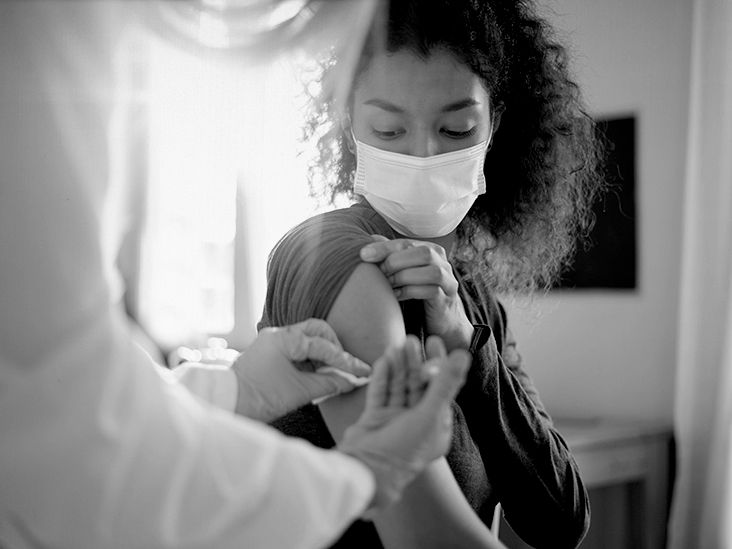
Tell the vaccination provider if you have a history of severe allergic reactions, prior reactions to vaccines, or known allergies to vaccine ingredients. Most people are observed for at least 15 minutes after vaccination. People with certain allergy histories may be observed longer.
After the shot, rest, hydrate, and monitor symptoms. Mild fever or fatigue can be managed with usual supportive care, but ask your healthcare provider which medications are appropriate for you. If asthma symptoms increase, follow your asthma action plan. If symptoms become severe, seek medical care promptly.
When to Call Your Doctor
Call your healthcare provider if your rescue inhaler is needed more often than usual, coughing or wheezing lasts more than a day or two, your peak flow drops, you wake at night with symptoms, or you are unsure whether your symptoms are vaccine-related, asthma-related, or infection-related.
You should also call if you develop fever, cough, sore throat, body aches, or congestion that could suggest COVID-19 or another respiratory infection. Testing and early treatment may be important for people at higher risk.
If you had a serious reaction after a previous COVID-19 vaccine dose, do not simply book another appointment and hope for the best. Talk with an allergist, immunologist, pulmonologist, or primary care clinician. In some situations, a different vaccine type, supervised vaccination, or additional evaluation may be recommended.
Benefits vs. Risks: The Practical Bottom Line
The risk-benefit discussion for COVID-19 vaccination depends on age, health status, previous infection, vaccine history, community transmission, and personal risk factors. For people with asthmaespecially those with moderate to severe diseasethe risk of COVID-19 triggering breathing problems can be more concerning than the risk of vaccination causing asthma symptoms.
Most vaccine side effects are short-lived. Severe allergic reactions are rare and treatable when recognized quickly. Rare respiratory symptom reports should be taken seriously, but they do not change the broad conclusion that vaccination is generally considered safe for people with asthma.
Think of the vaccine as a smoke alarm, not a fire. A smoke alarm may beep loudly and annoy you for a moment, but the real danger is the fire. For many asthma patients, COVID-19 infection is the bigger respiratory threat.
Experiences Related to COVID-19 Vaccination and Asthma Symptoms
Real-life experiences vary, and that is one reason this topic gets so much attention. Some people with asthma receive a COVID-19 vaccine and feel almost nothing beyond a sore arm. They go home, drink water, complain mildly about the injection site, and continue with life. Their inhaler stays in the drawer, their peak flow remains steady, and the whole event is less dramatic than assembling flat-pack furniture.
Others feel tired, feverish, or achy for 24 to 48 hours. For a person with asthma, even mild fever or fatigue can make breathing feel more noticeable. They may say, “My chest feels weird,” even though there is no wheezing, no drop in peak flow, and no need for extra rescue medication. In these cases, the experience may be uncomfortable but not dangerous. Rest, fluids, and monitoring usually help.
A third group may notice a genuine uptick in asthma symptoms after vaccination. For example, someone with seasonal allergies might get vaccinated during a high-pollen week, then experience coughing and chest tightness later that evening. Was it the vaccine, the pollen, or both? The answer may be hard to prove. The best response is not to panic, but to follow the asthma action plan, use medications as directed, and contact a clinician if symptoms persist or worsen.
Some people report shortness of breath after vaccination and later discover a different explanation. Anxiety, reflux, a viral infection, anemia, heart inflammation, or another condition can mimic asthma symptoms. This is why persistent breathing trouble deserves medical evaluation rather than internet detective work at 2 a.m. Search engines are excellent at turning mild concern into a full opera.
There are also people with severe asthma who approach vaccination very carefully. They may schedule the shot when their asthma is stable, avoid heavy exercise afterward, bring their rescue inhaler, and arrange a lighter day. This practical planning can reduce stress. It also helps them spot meaningful changes, because they know their baseline symptoms.
Parents of children with asthma often have an extra layer of worry. A child may not describe chest tightness clearly, and post-vaccine tiredness can be mistaken for worsening asthma. Parents can watch for familiar signs: faster breathing, wheezing, nighttime cough, reduced play, or needing quick-relief medication more often. Keeping the child’s asthma plan updated before vaccination is a smart move.
One useful experience-based lesson is to avoid making big decisions based on one rough day. Feeling crummy after a vaccine does not automatically mean the vaccine worsened asthma. At the same time, symptoms should not be dismissed. The balanced approach is to track what happens, note timing, check peak flow if available, and discuss patterns with a healthcare professional.
Another lesson: well-controlled asthma makes everything easier. People who consistently use controller medication, avoid known triggers, and treat early symptoms tend to handle respiratory challenges better. Vaccination is only one piece of the prevention puzzle. Good asthma care, clean indoor air, flu vaccination when recommended, hand hygiene, and prompt treatment of infections all matter.
In everyday terms, most asthma patients can think of COVID-19 vaccination as a planned event, not a mystery ambush. Prepare, monitor, and know when to ask for help. Your lungs may be sensitive, but with the right plan, they do not have to run the entire household like tiny dramatic landlords.
Conclusion
So, can the COVID-19 vaccine worsen asthma symptoms? In most cases, no. COVID-19 vaccines are not known to commonly worsen asthma, and most people with asthma experience the same short-term side effects as the general population. Rare asthma flares or allergic reactions can occur, so symptoms such as wheezing, severe shortness of breath, swelling, hives, or chest pain should be taken seriously.
For many people with asthma, the greater respiratory risk comes from COVID-19 infection itself. The smartest approach is personal and practical: keep asthma controlled, follow your asthma action plan, talk with your healthcare provider if your asthma is severe or unstable, and seek urgent care for serious breathing symptoms.
Note: This article is for educational purposes only and does not replace medical advice. People with asthma, severe allergies, prior vaccine reactions, or unstable breathing symptoms should consult a licensed healthcare professional for individualized guidance.